Vietnamese food has a reputation for being light and fresh, and a lot of it genuinely is. But the cuisine also runs on hidden sugar — in dipping sauces, in braising liquids, in drinks you'd never suspect. If you're managing diabetes or watching glycemic load while traveling here, the good news is that there are plenty of safe, satisfying options. The bad news is that the danger spots are not always obvious.
The sugar problem you won't see coming
The biggest issue for diabetics eating Vietnamese food isn't the rice — it's the sauces. "Nuoc cham", the ubiquitous dipping sauce made from fish sauce, lime, chili, garlic, and water, sounds harmless. In practice, most versions are mixed with anywhere from one to three teaspoons of sugar per small bowl, and you'll go through two or three bowls with a single meal.
"Tuong hoisin", the thick brown sauce served alongside "pho" and "bun bo Hue", is much worse — it's essentially fermented soybean paste cut with sugar, sometimes corn syrup. A single tablespoon can carry 7–9 grams of sugar. Sriracha is lighter but still adds up. "Mam nem", the fermented anchovy dipping sauce common in central Vietnam, is saltier and lower in sugar than nuoc cham, making it the safer pick when you have the choice.
Marinade-heavy dishes are another blind spot. "Thit kho" (caramelized pork belly with eggs), "bo kho" (beef stew), and most braised clay-pot dishes rely on caramelized sugar for their depth of flavor. They taste savory, not sweet, but the glucose load is real.
Dishes that are generally safer
"Pho (쌀국수 / 越南河粉 / フォー)" is one of the better options on a Vietnamese menu, with some caveats. A bowl of beef pho is mostly broth, noodles, and protein. The broth in traditional recipes contains no added sugar — the sweetness comes from charred onion and ginger. The issue is the rice noodles themselves, which are high-GI, and the tendency to add hoisin at the table. Order pho, skip the hoisin jar, go light on the noodles if you can, and load up on the bean sprouts, herbs, and lime on the side plate.
"Goi cuon", fresh rice-paper rolls, are frequently cited as a healthy Vietnamese dish, and the filling — shrimp, herbs, vermicelli, lettuce — is mostly fine. The dipping sauce matters a lot. Ask for the nuoc cham on the side and use it sparingly, or request plain fish sauce with chili instead.
"Banh mi" is trickier than it looks. The baguette itself is white flour and spikes blood sugar fast. That said, if you're eating one as part of a mixed day rather than as your main carbohydrate source, the protein and fat from pate, egg, or pork slow the glucose curve. The pickled daikon and carrot inside are fine. The "do chua" (pickled vegetables) add negligible sugar.
"Banh cuon", steamed rice rolls with minced pork and wood-ear mushroom, are lower GI than fried alternatives and come without the heavy sauces of some noodle dishes. Worth seeking out for breakfast.
For protein-forward eating, "com tam" (broken rice with grilled pork) is reasonable if you moderate the portion of rice. The grilled pork itself — "suon nuong" — is marinated but not swimming in sugar the way braised meats are.

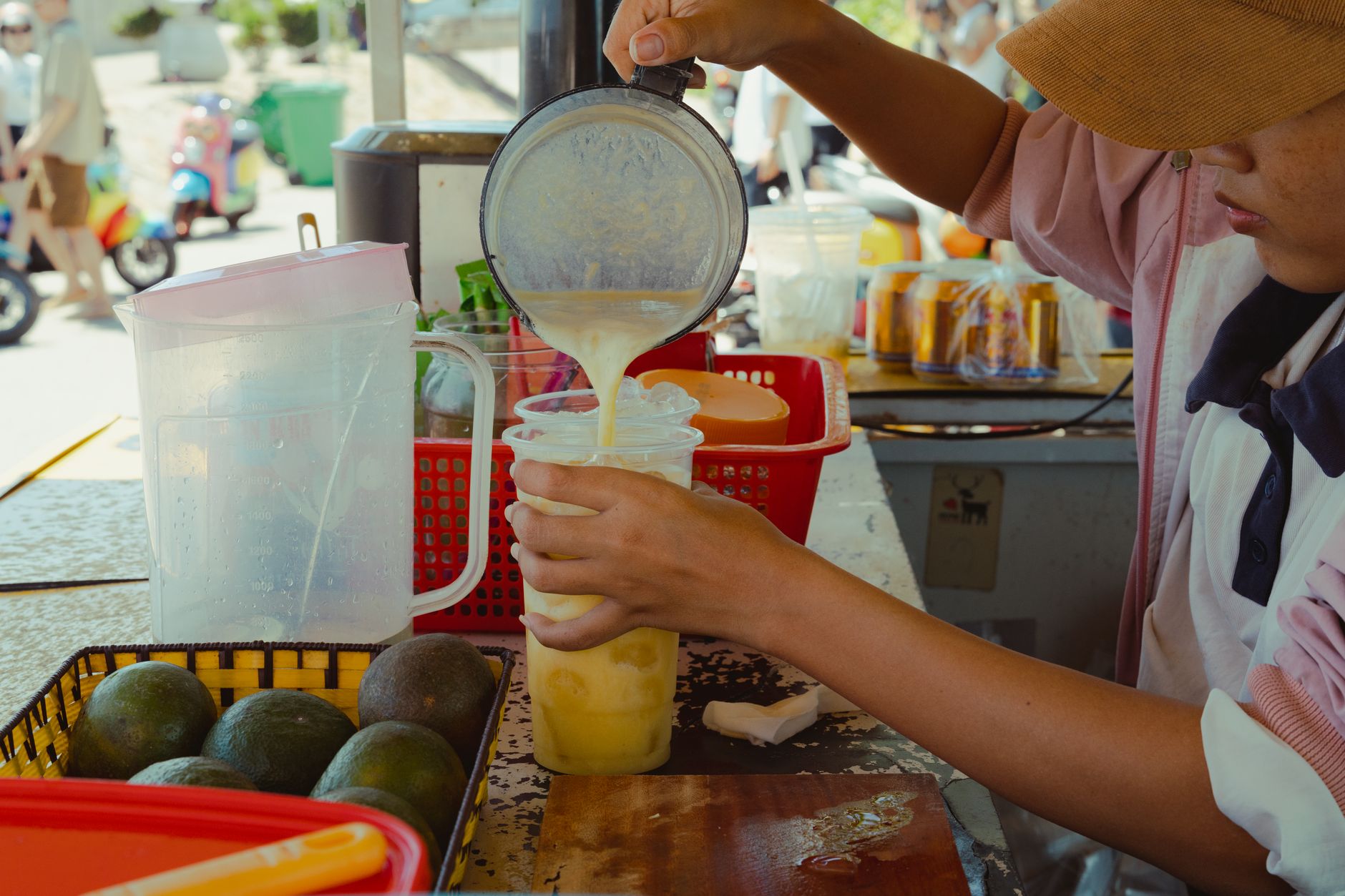
Photo by Quang Nguyen Vinh on Pexels
What to avoid or limit
- Sweetened drinks: "Ca phe sua da" (iced coffee with condensed milk) contains 3–4 teaspoons of condensed milk per glass. Vietnamese coffee (베트남 커피 / 越南咖啡 / ベトナムコーヒー) is worth having — ask for it black ("ca phe den") or with fresh milk and less condensed milk. "Nuoc mia" (sugarcane juice) is essentially liquid sugar and should be skipped entirely.
- "Che": Traditional Vietnamese dessert soups are almost universally high in sugar — sweet mung bean, taro, coconut milk, black-eyed peas, all simmered with sugar syrup. See the next section for the exception.
- "Banh it", "banh tet", "banh chung": Glutinous rice cakes have a very high GI and are often also sweetened. Occasional small tastes at a festival are fine; making them a snack is not.
- Fried dishes with dipping sauces: "Cha gio" (fried spring rolls) pair the double hit of frying oil and a sweetened nuoc cham. Have a couple, not a plateful.
Where to find lower-sugar che
Most "che" shops will not have unsweetened options — sugar is structural to the dessert. But a few workarounds exist. In Hanoi and Saigon, look for "che hat sen" (lotus seed dessert) at temple precincts or at vendors near Tran Quoc Pagoda in Hanoi, where the version served is sometimes lightly sweetened compared to commercial shops. Some health-food cafes in Da Lat and Hoi An now make che with coconut sugar or reduced-sugar coconut milk at the request of health-conscious customers — worth asking at any cafe that bills itself as organic or natural.
Across the country, "sua chua" (Vietnamese-style yogurt) is a lower-sugar alternative to che for satisfying a sweet craving. Plain unsweetened sua chua is widely available, especially in the north, and pairs well with fresh fruit.
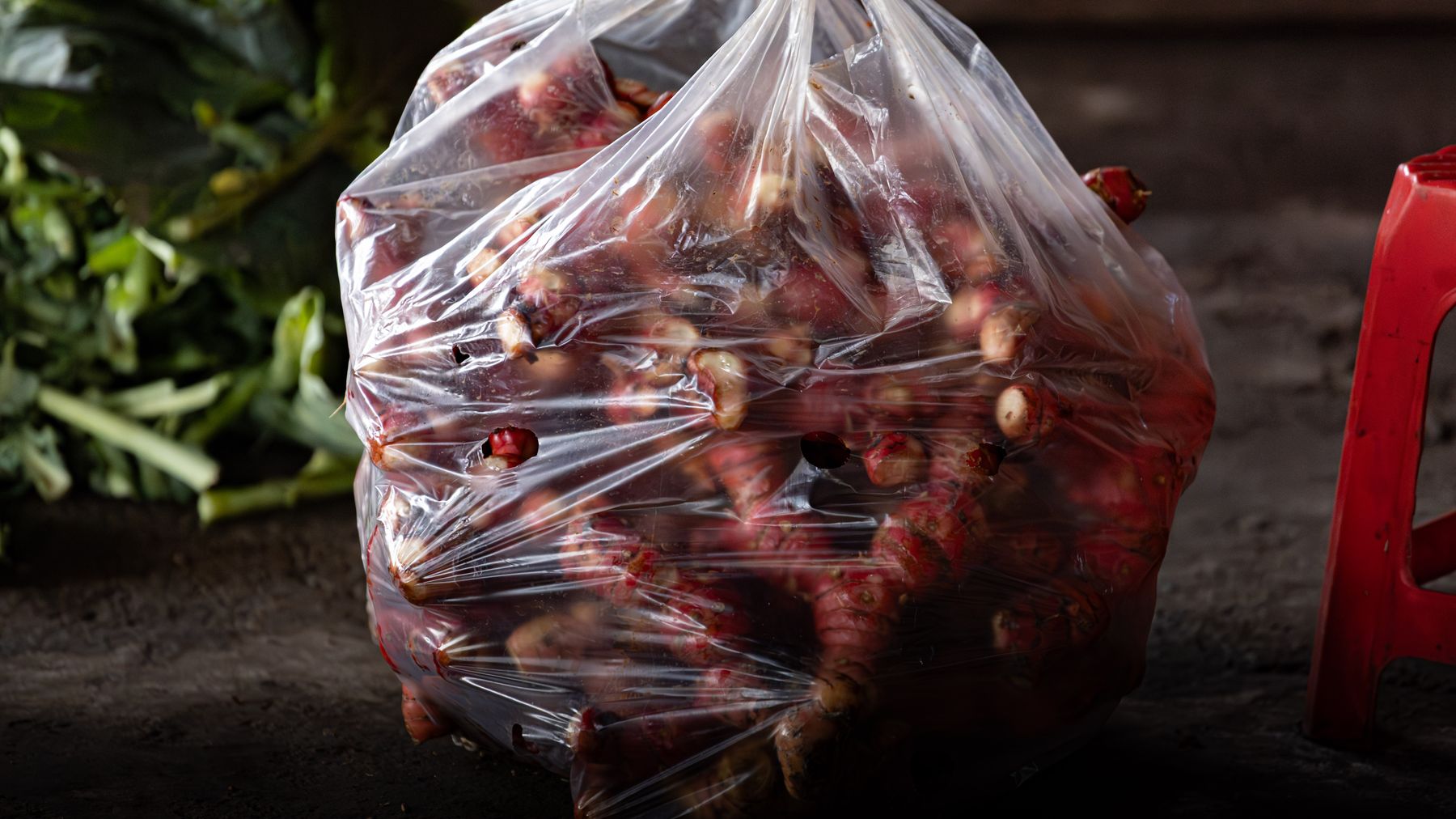
Photo by Hồng Quang Official on Pexels
Ordering strategies that actually work
Ask for sauces on the side — "sauce rieng" or just mime pointing at the sauce and waving your hand. Most places will accommodate this without fuss. At pho and noodle shops, request "it banh" (less noodles) and more broth and protein. Vegetable side dishes — morning glory stir-fried with garlic ("rau muong xao toi"), steamed bak choy, herb plates — are almost always safe and cheap, usually 20,000–40,000 VND per dish.
At markets and street stalls, pointing and asking "co duong khong?" (does it have sugar?) will get mixed results, but it signals awareness and sometimes prompts the vendor to use less.
Practical notes
Vietnamese cuisine is not inherently high-sugar, but the cooking tradition leans on nuoc cham, marinades, and sweetened drinks in ways that add up fast without being visible on the plate. With a few consistent habits — sauces on the side, black coffee, pho over braised dishes, fresh rolls over fried — most meals here can fit comfortably into a diabetic diet. Carry a glucometer if you're in an adjustment phase; portions and preparation vary enough between regions that your usual meal estimates may not translate directly.
Last updated · May 29, 2026 · independently researched, never sponsored.