What it is
Dong Sen Thap Muoi — literally "Thap Muoi Lotus Field" — is an eco-tourism area spread across roughly 20 hectares of wetland in Thap Muoi district, Dong Thap province. It sits in the heart of Dong Thap Muoi, the vast plain of reeds and marshland that covers much of the upper Mekong Delta (메콩 델타 / 湄公河三角洲 / メコンデルタ). The area was developed to preserve the region's wild lotus fields while giving visitors a way to experience the wetland landscape that defines this corner of southern Vietnam.
Dong Thap has quietly positioned itself as the lotus capital of Vietnam (베트남 / 越南 / ベトナム), and this park is the centerpiece of that identity. The lotus ponds here aren't ornamental gardens — they're working fields where locals have harvested lotus seeds, stems, and flowers for generations. The tourism layer was added on top of that existing ecosystem, which is part of what makes it feel less manufactured than some eco-parks in the region.
Why travelers go
Most visitors come for the lotus fields during peak bloom, when the ponds turn into a continuous sheet of pink and green stretching to the horizon. It's a landscape you don't see elsewhere in Vietnam at this scale. Photographers show up early morning for the light. Domestic tourists come for the novelty of rowing through the flowers. A smaller number of foreign travelers pass through on Mekong Delta loops that skip the usual Saigon–Can Tho corridor in favor of the quieter northern delta.
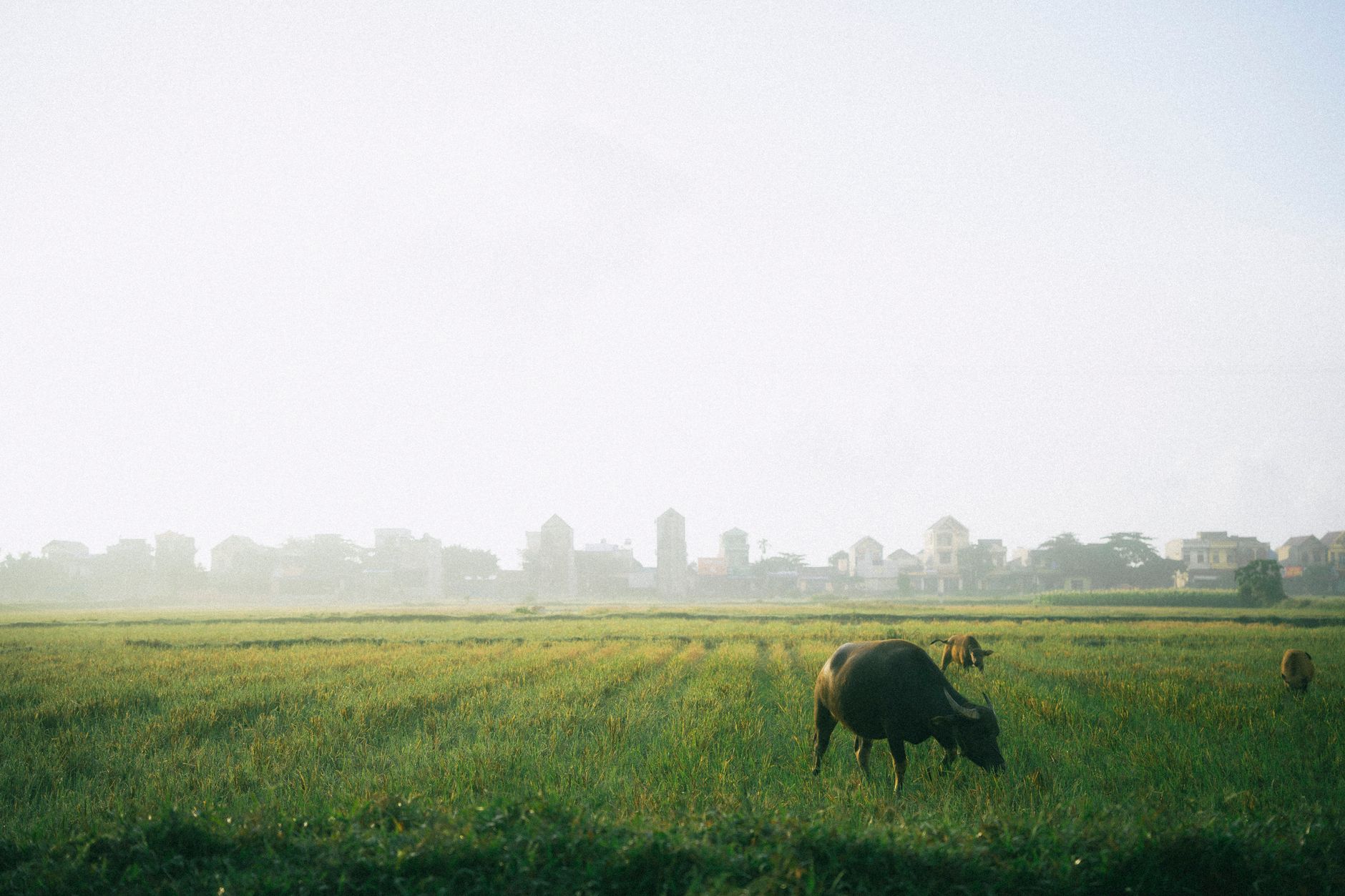
Beyond the lotus, Dong Sen Thap Muoi is a functioning wetland ecosystem. You'll see herons, kingfishers, and water monitors. The surrounding Thap Muoi plain is rice country — flat, green, and empty in a way that feels like the Vietnam most tourists never reach.
Best time to visit
Lotus season runs roughly from June through September, peaking in July and August. This overlaps with the rainy season, but rain in the delta usually means a heavy downpour in the afternoon followed by clear skies — mornings are often fine. If you want full bloom with the best photographic conditions, aim for early July.
Outside lotus season (October through May), the park is still open but considerably less interesting. The ponds are green but flowerless, and many of the boat services scale back. If you're in Dong Thap off-season for other reasons, it's worth a quick stop, but don't plan a trip around it.
How to get there
The nearest major hub is Saigon (Ho Chi Minh City), about 150 km southeast.
By bus: Catch a bus from Saigon's Mien Tay bus station to Cao Lanh, Dong Thap's capital. The ride takes around 3.5 hours and costs 100,000–130,000 VND. From Cao Lanh, you'll need to get to Thap Muoi district — another 40 km north. Local buses run infrequently, so most people arrange a motorbike or car. A Grab car from Cao Lanh to the park runs about 250,000–350,000 VND one way.
By motorbike: The ride from Saigon takes roughly 3.5–4 hours via National Route 1A and then cutting northwest through Thap Muoi. The roads are flat delta highways — easy riding but monotonous. This is the most flexible option and the one most Vietnamese travelers use.
By car: If you're hiring a private car from Saigon for a day trip, expect to pay around 1,500,000–2,000,000 VND round trip. A long day, but doable.
Can Tho is also an option as a base — about 100 km southwest — though the road connections are slightly less direct.

Photo by Nguyen Ngoc Tien on Pexels
What to do
Row through the lotus fields
The core experience. Small wooden boats, paddled by local women in "non la" (conical leaf hats), take you through narrow channels cut between the lotus plants. A boat ride runs about 50,000–80,000 VND per person for 30–45 minutes. Go before 8 AM — the flowers are open, the light is soft, and you'll mostly have the ponds to yourself.
Walk the elevated boardwalks
A network of wooden walkways crosses the wetland, giving you a slightly elevated view over the lotus fields without getting into a boat. These are good for photography and for anyone who'd rather stay on solid ground. The main loop takes about 20–30 minutes at a slow pace.
Try lotus-based foods
The park area sells fresh lotus seeds (sweet, crunchy, mildly nutty) and "lotus tea" — green tea dried inside lotus flowers to absorb the fragrance. You can also find lotus-seed sweet soup ("che hat sen") and lotus-stem salad at food stalls near the entrance. The lotus-stem salad in particular is worth ordering — crunchy, tart, tossed with shrimp and herbs.
Visit the bird sanctuary
Adjacent to the lotus fields, a section of the wetland serves as a bird nesting ground. During the wet season, you can spot dozens of species including painted storks, cormorants, and various egrets. Binoculars help. There's no formal bird-watching infrastructure — it's more of a walk-and-look situation.
Cycle the surrounding villages
Rent a bicycle (or bring your own) and ride through the rice paddies and small villages around Thap Muoi district. The terrain is dead flat, the traffic is minimal, and you'll pass through a version of the delta that most Mekong tours completely ignore.
Where to eat nearby
Thap Muoi district isn't a culinary destination, but two things are worth seeking out:
"Hu tieu" Nam Vang — the Mekong Delta's signature noodle soup, lighter and sweeter than "pho", with pork, shrimp, and a clear broth. Small shops in Thap Muoi town serve decent bowls for 30,000–40,000 VND.
Grilled snakehead fish — "ca loc nuong trui" is a delta classic. The whole fish is buried in straw and set on fire, then served with rice paper, herbs, and dipping sauce. Look for it at roadside restaurants along the main highway outside Thap Muoi. Around 80,000–120,000 VND per fish.
Where to stay
Dong Sen Thap Muoi itself has limited accommodation — a few basic guesthouses and homestays near the park entrance, typically 200,000–400,000 VND per night. Facilities are simple: fan or basic air-con, cold water, clean enough.
For more comfort, base yourself in Cao Lanh, where you'll find mid-range hotels in the 400,000–800,000 VND range with proper amenities. Song Tra Hotel and Hoa Binh Hotel are reliable options.
If you're doing a broader Mekong Delta loop, Can Tho has the widest range of accommodation from hostels to boutique hotels.
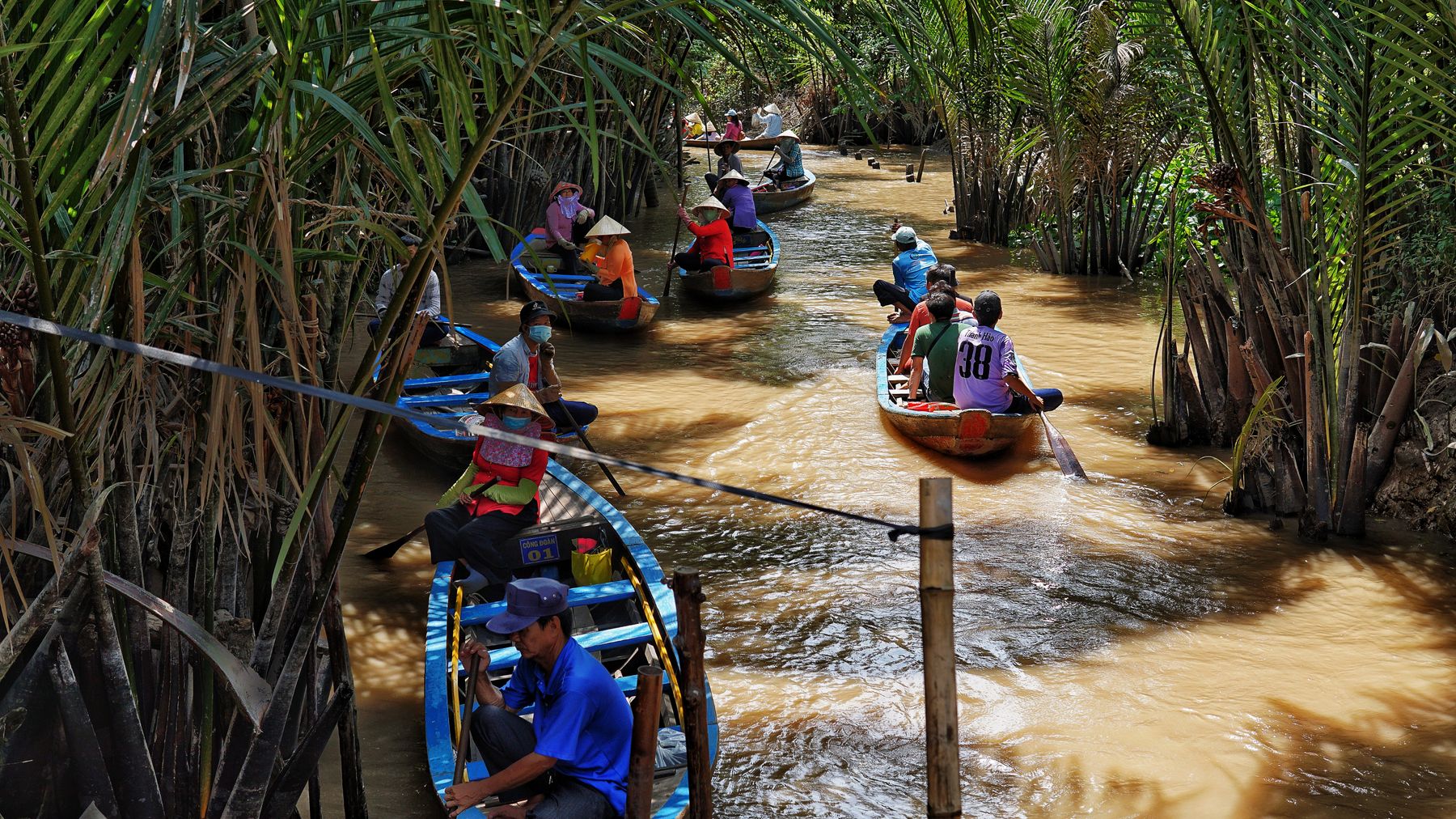
Photo by Noel Nicolas on Pexels
Practical tips locals would tell you
- Bring sunscreen and a hat. There is almost no shade on the water. The delta sun between 10 AM and 3 PM is relentless.
- Wear shoes you don't mind getting muddy. The boardwalks are fine, but getting in and out of boats means stepping into soft, wet ground.
- Carry cash. There are no ATMs at the park and most vendors don't take cards. Bring enough VND for entry (about 30,000–50,000 VND), boat rides, food, and transport.
- Mosquito repellent matters. Wetland plus wet season equals mosquitoes, especially around dusk.
Common mistakes to avoid
- Arriving after 10 AM. The lotus flowers close up as the day heats up. If you show up at noon, you'll see green pads and closed buds — not the pink fields you came for.
- Coming outside lotus season expecting lotus. It sounds obvious, but it happens. Check the calendar.
- Treating it as a day trip from Saigon without a plan. The 3.5-hour drive each way makes for an exhausting round trip. Better to combine with a night in Cao Lanh or loop it into a multi-day Mekong Delta itinerary that includes Can Tho or Sa Dec.
Practical notes
Dong Sen Thap Muoi is a low-key destination that rewards early mornings and reasonable expectations. It's not a theme park — it's a working lotus wetland with some tourist infrastructure layered on top. If you time it right during peak bloom and arrive at dawn, it's one of the more memorable landscapes in the Mekong Delta.
Last updated · May 29, 2026 · independently researched, never sponsored.