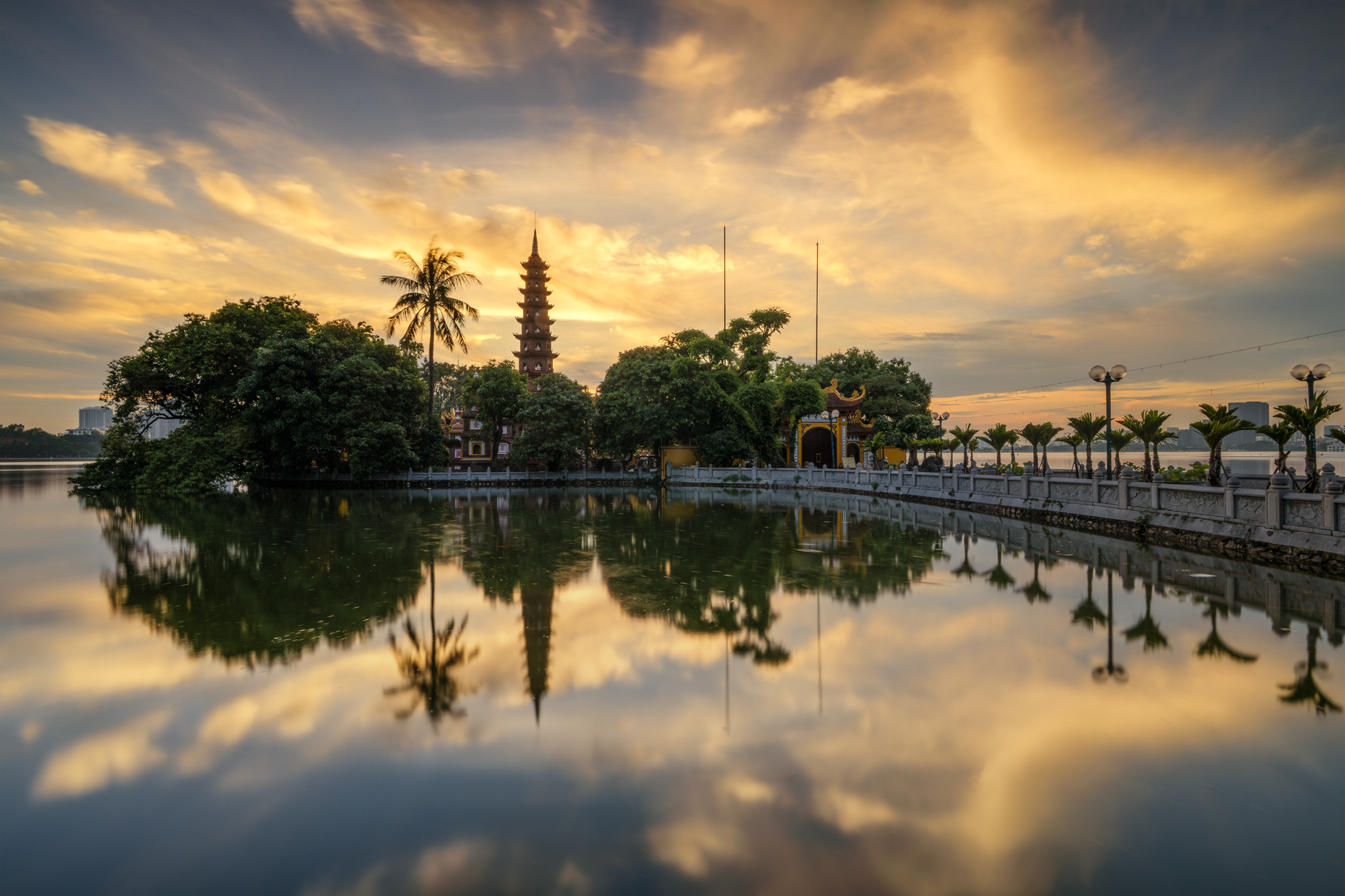
Thien Vien Truc Lam Chanh Giac is one of the biggest Truc Lam Zen monasteries in the Mekong Delta (메콩 델타 / 湄公河三角洲 / メコンデルタ), spread across roughly 30 hectares of flat delta land in Dong Thap province. It's not a tourist attraction in the conventional sense — there are no ticket booths or souvenir alleys — but it draws both Vietnamese Buddhists and curious travelers looking for something quieter than the usual delta circuit of floating markets and fruit orchards.
What it is and how it got here
The monastery belongs to the Truc Lam Zen lineage, a Vietnamese school of Zen Buddhism revived by Thich Thanh Tu in the 1960s and 70s. The Chanh Giac branch was established in the early 2000s, built on donated agricultural land in what was then the outskirts of the province. The architecture is large-scale but restrained — think clean lines, dark wood, grey tile roofs, and open-air corridors rather than the ornate, gold-heavy style you see at many southern pagodas. The main hall can seat hundreds of practitioners during retreat periods. Surrounding it are meditation halls, dormitories for monks and nuns, and a network of walking paths lined with fruit trees and lotus ponds.
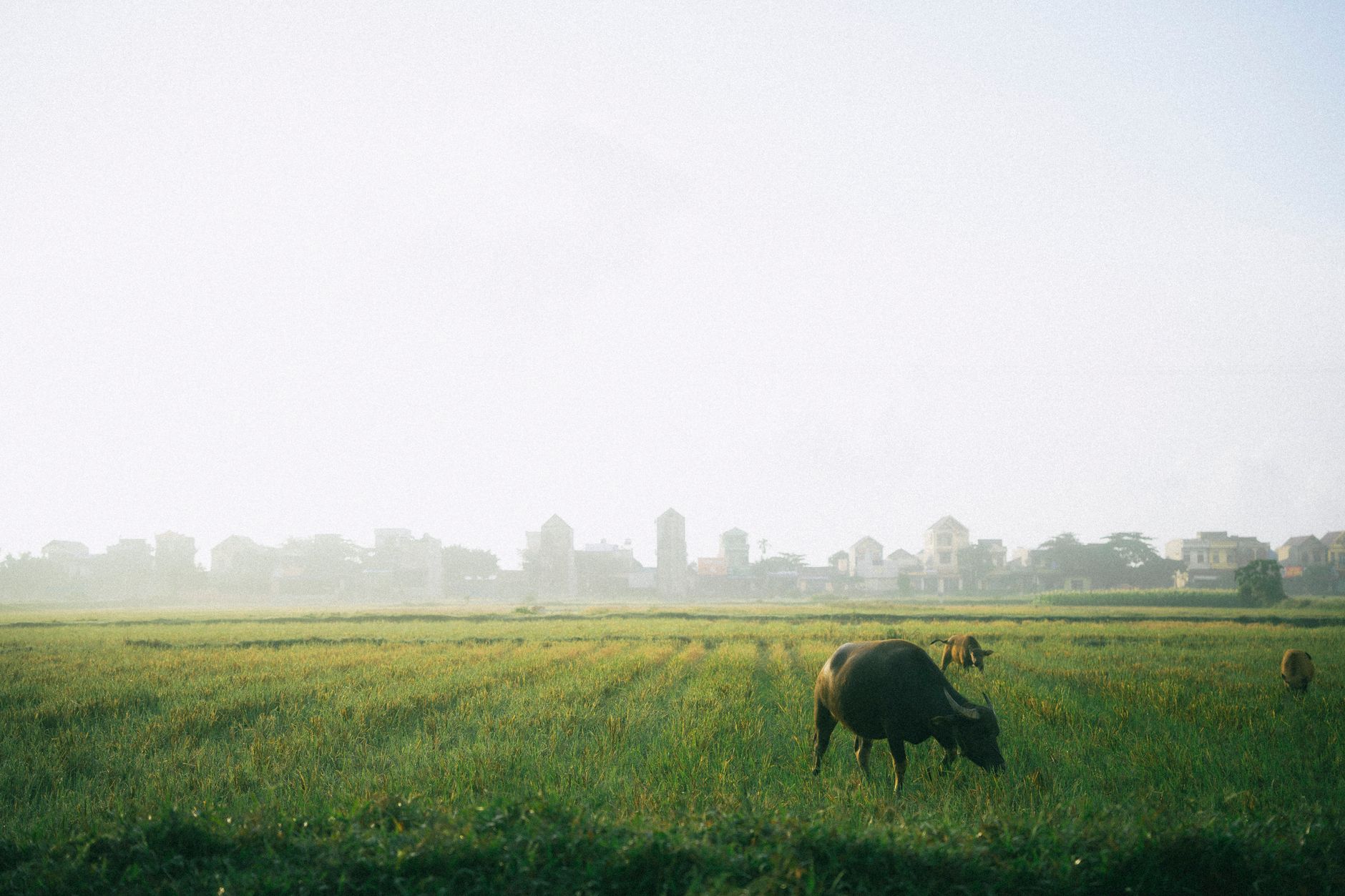
It shares its design philosophy with the better-known Truc Lam monasteries near Da Lat and in Yen Tu (near Ha Long Bay), but the setting here is distinctly Mekong — flat, green, and humid, with rice paddies visible beyond the monastery walls.
Why travelers go
Most foreign visitors end up here because they're already exploring Dong Thap and want something beyond the standard itinerary of Tram Chim bird sanctuary and Sa Dec flower villages. The monastery offers a genuine sense of stillness that's hard to find in the delta, where towns are noisy and rivers are busy. The grounds are well maintained, the gardens are photogenic without being manicured for Instagram, and you can walk for 20-30 minutes without bumping into another person on a weekday.
Vietnamese visitors often come for short meditation retreats or to attend dharma talks. As a traveler, you're welcome to walk the grounds, sit in the gardens, and visit the main hall — just dress modestly and keep your voice down.
Best time to visit
The dry season — roughly November through April — is the most comfortable window. Dong Thap gets seriously wet from June through October, and while the monastery doesn't flood, the roads around it can get waterlogged and the humidity will have you soaked through your shirt by 9 a.m.
Weekday mornings are best for a quiet visit. Weekend mornings, particularly on the 1st and 15th of the lunar month, draw larger crowds of local Buddhists for prayers. That's interesting to observe but less peaceful for wandering.
How to get there
From Saigon, the drive to Dong Thap's Cao Lanh city takes about 3-3.5 hours via the N1 highway and then provincial roads — roughly 165 km. Buses from Saigon's Mien Tay bus station run frequently to Cao Lanh; expect to pay around 120,000-150,000 VND for a standard seat.
From Cao Lanh, the monastery is about 20 km south. Grab bikes and cars operate in Cao Lanh, though coverage is thinner than in Saigon (사이공 / 西贡 / サイゴン). A Grab bike to the monastery runs about 50,000-70,000 VND. If you're on a rented motorbike — the best way to explore Dong Thap generally — follow the signs from Cao Lanh toward the Thien Vien complex. The final stretch is on a narrow concrete road through rice fields. Google Maps is reliable for this route.
If you're coming from Can Tho, it's about 85 km and takes around 2 hours by road.

Photo by thAnh nguyễn on Pexels
What to do
Walk the grounds at your own pace
The monastery complex is big enough to reward a slow hour of walking. The lotus ponds are at their best from June through August (yes, that's the wet season — trade-offs). The Bodhi tree garden behind the main hall is a good spot to sit and do nothing.
Visit the main dharma hall
The central hall is impressive in scale — high ceilings, polished wood, and a large Shakyamuni Buddha statue. It's open to visitors outside of scheduled prayer times. Remove shoes, dress modestly (cover shoulders and knees), and avoid flash photography.
Photograph the architecture
The monastery's clean aesthetic photographs well, especially in the early morning when the light is soft and the grounds are quiet. The covered walkways and reflecting ponds offer good compositions without needing to climb anything or dodge crowds.
Observe morning or evening chanting
If you time your visit around 4:30-5:00 a.m. or 5:00-6:00 p.m., you may catch the monks' chanting sessions. You can sit quietly at the back of the hall. This isn't a performance — it's a daily practice — so treat it accordingly.
Combine with Tram Chim or Sa Dec
The monastery works well as a half-day stop combined with Tram Chim National Park (for birdwatching, especially the red-headed cranes from December to March) or the Sa Dec flower nurseries. Both are within 30-45 minutes by motorbike.
Where to eat nearby
Dong Thap isn't a major food destination on the tourist trail, but delta cooking has its own appeal. Look for "hu tieu" — the southern noodle soup that's lighter and sweeter than its northern cousins. Cao Lanh has several good street stalls serving hu tieu with pork, shrimp, and a clear broth. A bowl runs 30,000-45,000 VND.
Also worth trying: "banh xeo" in the delta style, which tends to be larger and crispier than the Saigon version, stuffed with shrimp, pork, and bean sprouts, wrapped in herbs and lettuce. Street-side banh xeo spots near Cao Lanh market serve them for about 20,000-30,000 VND per piece.
Where to stay
Cao Lanh has a handful of decent hotels and guesthouses. Budget places run 200,000-350,000 VND per night for a clean room with air conditioning and hot water. Mid-range options like Xuan Khanh Hotel or Hoa Binh Hotel go for 400,000-700,000 VND and offer slightly better beds and breakfast. There's nothing high-end in the area — if you need that, base yourself in Can Tho and day-trip.

Photo by Thái Trường Giang on Pexels
Practical tips locals would tell you
- Dress code matters. This is an active monastery, not a museum. Long pants, covered shoulders. Vietnamese visitors take this seriously and you should too.
- Bring water. There's no cafe or convenience store on the monastery grounds. The nearest shop is back on the main road.
- Mosquito repellent. The ponds and gardens are lovely, and so are the mosquitoes. Especially in the wet months.
- Free admission. There's no entrance fee. If you'd like to contribute, there are donation boxes inside the main hall.
- Silence is the norm. Keep phone calls and loud conversations for after you leave the grounds.
Common mistakes to avoid
- Showing up at midday. Between 11 a.m. and 2 p.m., the heat in Dong Thap is oppressive and the monastery grounds offer limited shade. Come early or late.
- Expecting a guided experience. There are no audio guides, no English signage, no tour desks. That's part of the appeal, but it helps to know what you're walking into.
- Skipping it for the floating markets. The Mekong Delta's floating markets get all the attention, but spending a quiet morning at Chanh Giac gives you a completely different texture of delta life — one that most travelers miss entirely.
Practical notes
Thien Vien Truc Lam Chanh Giac pairs naturally with a broader Dong Thap loop. Two days in the province — one for the monastery and Sa Dec, one for Tram Chim — gives a good rhythm without rushing. If you're heading deeper into the delta, Can Tho is the logical next stop south.
Last updated · May 29, 2026 · independently researched, never sponsored.