What Cu Lao Tan Phong Is — and Why It's Worth the Detour
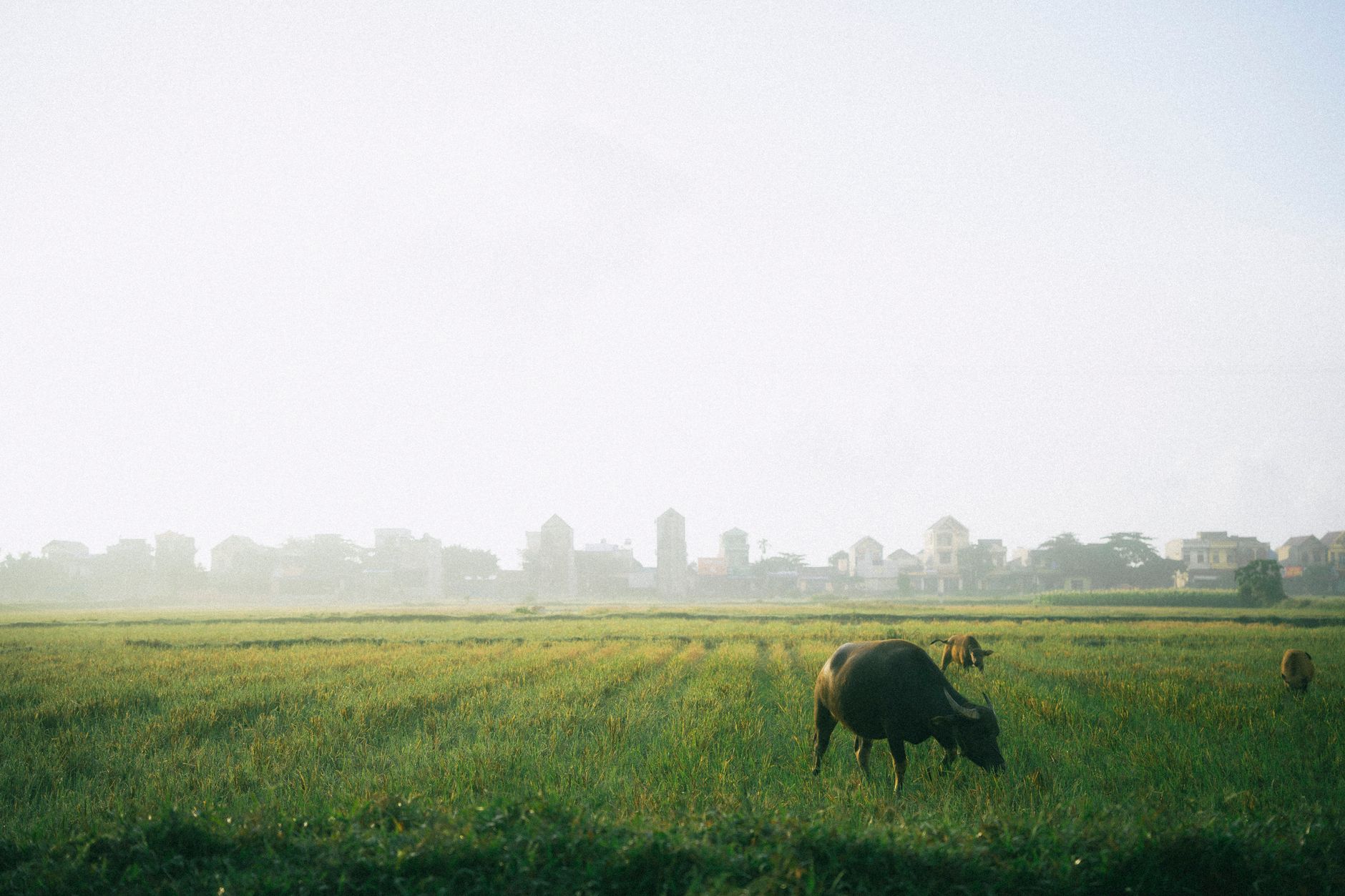
Cu Lao Tan Phong is a river island sitting in the middle of the Tien River, one of the two main branches of the Mekong in southern Vietnam (베트남 / 越南 / ベトナム). It covers roughly 7 square kilometers — small enough to circle by bicycle in a morning, big enough to lose an afternoon wandering through longan orchards and narrow canal paths.
The island was historically part of Tien Giang province and many older maps still label it that way, but it now falls under Dong Thap following administrative boundary changes. Don't let the bureaucratic shuffle confuse your planning: the island hasn't moved, and the easiest access point remains Cai Be district on the Tien Giang side.
For decades, Cu Lao Tan Phong was just a farming community — families growing fruit, raising fish, and living at the river's rhythm. Tourism arrived slowly, mostly through homestay programs and community-based tourism initiatives. It still hasn't hit the coach-tour circuit the way Cai Be floating market or Can Tho have, which is precisely the point.
Why Travelers Go
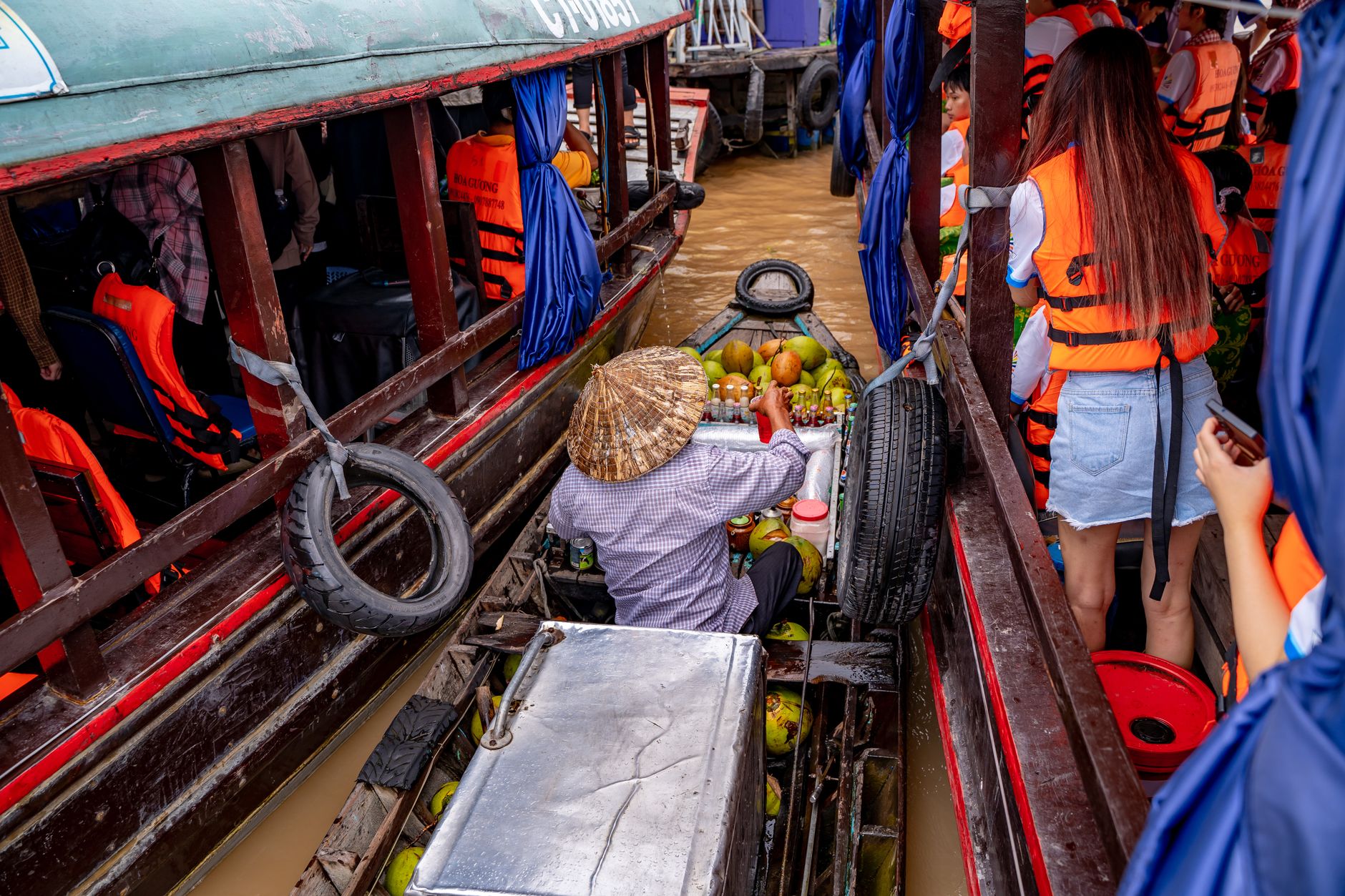
People come here to experience the Mekong Delta (메콩 델타 / 湄公河三角洲 / メコンデルタ) without the performance. There are no ticket counters, no loudspeaker boats, no coconut candy factories running assembly-line demonstrations. Cu Lao Tan Phong is what the delta actually feels like when nobody's selling it to you: green, humid, slow, and generous with fruit.
If you've already done the standard Can Tho floating market loop and want something quieter, this island delivers. It's also a solid day trip if you're passing through the area between Saigon and the western delta.
Best Time to Visit
The sweet spot is December through April — dry season in the south, with lower humidity and almost no rain. The island is lush year-round, but the wet season (May–November) brings afternoon downpours that can turn dirt paths muddy and make canal boats less pleasant.
Fruit season peaks around June through August, when longan, rambutan, and mangosteen are heavy on the branches. If you time it right during early dry season (November–December), you'll catch the tail end of fruit harvests with better weather.
How to Get There
From Saigon: Drive or bus to Cai Be town in Tien Giang province — about 110 km, roughly 2.5 hours by car or 3 hours by public bus from Ben Thanh area. Buses to Cai Be run from Mien Tay bus station; expect to pay around 80,000–120,000 VND.
From Cai Be, it's a short boat ride across the Tien River to Cu Lao Tan Phong. Local ferries and small motorboats operate regularly during daylight hours. The crossing takes about 10–15 minutes. Ferry tickets run around 5,000–10,000 VND per person; chartering a small boat costs 50,000–100,000 VND depending on your negotiation skills and group size.
From Can Tho: Head northeast toward Cai Be — roughly 90 km, about 2 hours by car. There's no direct public bus, so a motorbike rental or private car is more practical from this direction.
If you're coming through with a tour operator or homestay booking, most will arrange the boat transfer as part of the package.

Photo by Alberto Capparelli on Pexels
What to Do
Row Through the Canal Network
The island is threaded with narrow canals shaded by water coconut palms. Local residents paddle small "xuong" (wooden sampans) through these waterways, and you can join them. This isn't a motorized tourist boat — it's a hand-rowed canoe that barely fits two passengers, gliding under canopy so thick it blocks the sun. A canal trip usually runs 30–45 minutes and costs 50,000–100,000 VND per person through a homestay or local guide.
Cycle the Island Loop
Rent a bicycle from your homestay (most provide them free or for 20,000–30,000 VND) and ride the main path that circles the island. The full loop is only about 8–10 km, flat terrain, passing through fruit orchards, small villages, and the occasional fish pond. Stop when someone waves you over — they usually want to offer you fruit.
Visit the Fruit Orchards
Longan, rambutan, jackfruit, mangosteen, and sapodilla all grow here. Orchard visits are informal — a farmer walks you through the trees, explains what's in season, and lets you eat directly off the branch. Entry is typically 30,000–50,000 VND, and you leave with sticky hands and a bag of fruit.
Try Fish Cage Farming
Several families on the island raise catfish and snakehead fish in floating cages along the riverbank. You can visit, watch the feeding, and in some cases buy fresh fish to have it cooked on the spot. It's not a theme park attraction — it's someone's livelihood, and they'll explain it if you ask.
Do Nothing, Deliberately
Hang a hammock at your homestay, drink iced tea, watch the river traffic. Cu Lao Tan Phong rewards people who don't try to optimize every hour.
Where to Eat
Most meals on the island come through homestay kitchens. Expect home-cooked Mekong Delta food: fried elephant ear fish ("ca tai tuong") served with rice paper, herbs, and green banana; sour fish soup ("canh chua") with tamarind and fresh vegetables; and river prawns grilled over coconut husks.
If you're there for lunch on a day trip, ask the boat operator to arrange a meal with a local family — this is standard practice and usually runs 100,000–200,000 VND per person for a generous spread. "Goi cuon" made with river shrimp caught that morning is worth requesting specifically.
Where to Stay
Accommodation is homestay-only. No hotels, no resorts. Rooms are clean, basic, and come with mosquito nets, fans (sometimes AC), and shared or private bathrooms depending on the family.
- Budget homestays: 200,000–350,000 VND per night, often including dinner and breakfast.
- Mid-range homestays: 400,000–600,000 VND per night, with AC rooms, private bathroom, and full meal packages.
Book ahead on weekends — the island has limited capacity and fills up when Saigon residents come down for short getaways.

Photo by HONG SON on Pexels
Practical Tips
- Bring cash. There are no ATMs on the island and no card payment anywhere. Withdraw in Cai Be before crossing.
- Mosquito repellent is not optional. The canals and orchards are gorgeous but the insects are aggressive after 4 PM.
- Learn three words: "Xin chao" (hello), "Cam on" (thank you), "Ngon" (delicious). The families here don't encounter much English.
- Wear shoes you don't mind getting muddy. Sandals or quick-dry shoes work best — flip-flops will betray you on canal paths.
Common Mistakes to Avoid
- Trying to do it as a rushed half-day trip from Saigon. The travel time each way eats your visit. Stay overnight or you'll spend more time in a car than on the island.
- Expecting Cai Be floating market-level activity. This is not a floating market destination. If you want busy waterfront commerce, go to Can Tho. Cu Lao Tan Phong is the opposite of that.
- Skipping the canal rowing for the cycling. Both are good, but the canals are what make this island distinct from any other delta town. Don't miss them.
Practical Notes
Cu Lao Tan Phong works best as an overnight stop on a wider Mekong Delta loop — pair it with Can Tho or a visit to Cai Be market for a two or three-day trip from Saigon. The island is small, genuine, and completely uninterested in impressing you, which is exactly what makes it worth the boat ride.
Last updated · May 29, 2026 · independently researched, never sponsored.