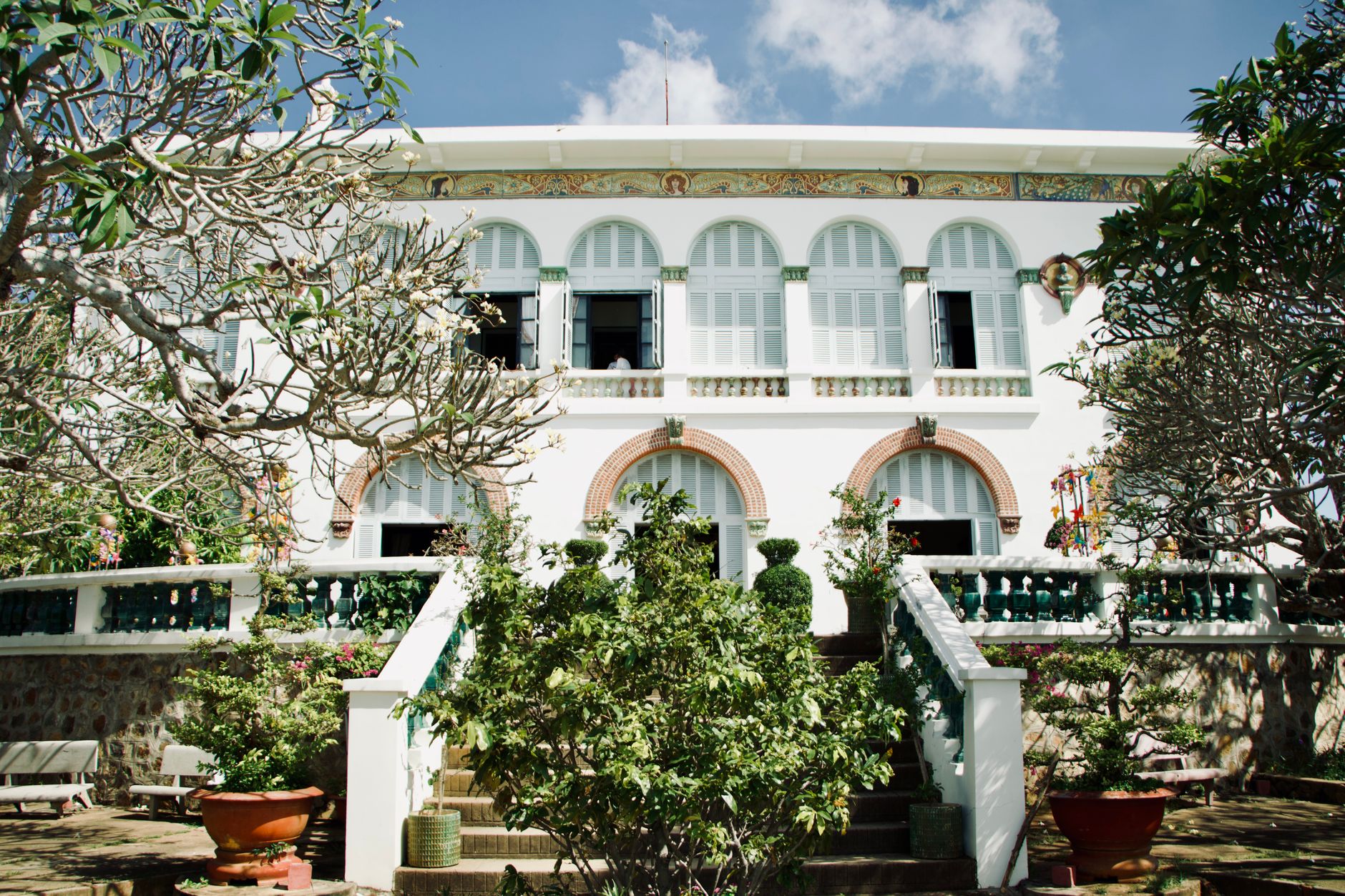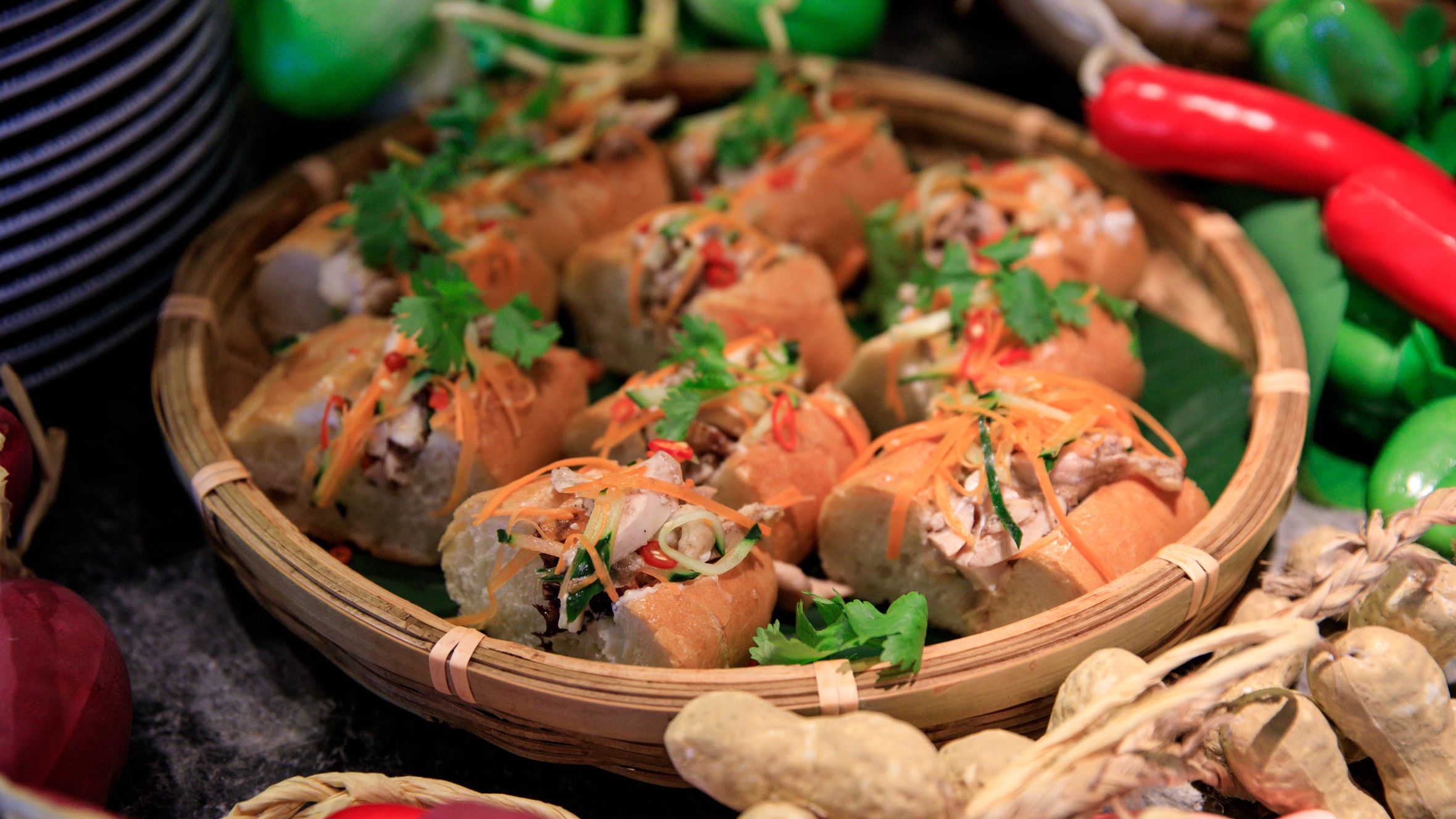
Hoi An has enough halal options to eat well for a few days — not abundantly, but reliably. Most are clustered close to the Old Town, and a handful are genuinely good rather than just technically certified.
The Baseline: What Hoi An Offers
Hoi An (호이안 / 会安 / ホイアン) is a small town of roughly 150,000 people with a steady flow of international visitors. The Muslim-friendly dining scene grew mainly to serve travelers from Malaysia, Indonesia, and the Middle East who arrive in numbers, especially between October and April. You won't find a halal food court or a dedicated Muslim quarter here, but there are maybe six to ten spots within 1–2 km of the Old Town that consistently serve halal food, display certification, or are Muslim-owned. That's enough.
A word of caution: "halal-friendly" signs occasionally appear on mainstream Vietnamese restaurants that simply omit pork from a dish. That's not the same as certified halal preparation. When in doubt, ask directly — most staff at tourist-facing restaurants can clarify, and the honest ones will tell you if they just cook pork-free rather than following halal slaughter practices.
Halal Restaurants Near the Old Town
Bale Well Area and Tran Phu Street
The stretch between Tran Phu and Bach Dang streets has the densest concentration of halal options. A few Muslim-owned restaurants here are run by families with Malaysian or Indonesian roots, and they tend to blend Vietnamese dishes with Southeast Asian Muslim cooking — nasi goreng alongside "cao lau" (the signature Hoi An thick noodle dish), grilled chicken with lemongrass, and fresh spring rolls made without pork.
Look for Halal Hoi An Restaurant on Le Loi Street, one of the longer-running certified spots. Mains are typically 80,000–140,000 VND. The "mi quang" here is a reasonable rendition — turmeric-yellow noodles with shrimp and peanuts, adapted for halal kitchens.
Nguyen Thai Hoc Street
A couple of spots on this street cater specifically to Muslim travelers and display halal certification prominently. The menus tend to be eclectic — Vietnamese rice dishes, grilled meats, and occasionally "banh mi" assembled without pork-based fillings. Prices are mid-range for the Old Town: expect 60,000–120,000 VND for a full meal.
One consistent option is Anees Restaurant, which has been operating for several years and is well-reviewed among Muslim travel forums. The owner speaks decent English and can answer questions about preparation methods directly.
Street Food: The Honest Picture
Hoi An's street food is deeply pork-oriented. "Banh mi (반미 / 越式法包 / バインミー)" here is famous partly because of its char siu and pate fillings. "Cao lau" uses pork slices as a key component. Grilled skewers at the night market are mostly pork or mixed meat of unclear provenance.
That said, seafood is everywhere and largely safe for Muslim travelers who verify it wasn't cooked in shared pork fat — grilled whole fish, prawn skewers, and shellfish from vendors along Bach Dang riverfront are common, and many vendors cook these separately. Ask before ordering.
The An Hoi night market (the peninsula across the Thu Bon river) has a few stalls selling grilled corn, fresh coconut, and sugarcane juice — straightforward, no cross-contamination concerns.

Photo by Pew Nguyen on Pexels
Vietnamese Dishes That Adapt Well
Some classic Vietnamese dishes are naturally easier to find in halal versions here:
- "Pho" with chicken (pho ga) appears at several spots. The broth in pho ga is typically made from chicken bones only, making it a cleaner halal option than beef or pork-based variants — though always confirm the broth base.
- "Goi cuon" (fresh rice paper rolls) with shrimp are common and easy to verify.
- Grilled fish and seafood rice dishes are the safest bets at non-certified restaurants when you need to be pragmatic.
Practical Grocery and Snack Options
If you're self-catering or need snacks, the Co.opmart supermarket on Le Hong Phong Street (about 1.5 km from the Old Town) stocks packaged foods with halal certification logos — Malaysian and Indonesian imports alongside local products. Dates, crackers, instant noodles, and bottled drinks with visible halal marks are stocked consistently.
Fresh tropical fruit from any market stall is always a safe and cheap option — 20,000–40,000 VND for a bag of rambutan, longan, or dragon fruit.
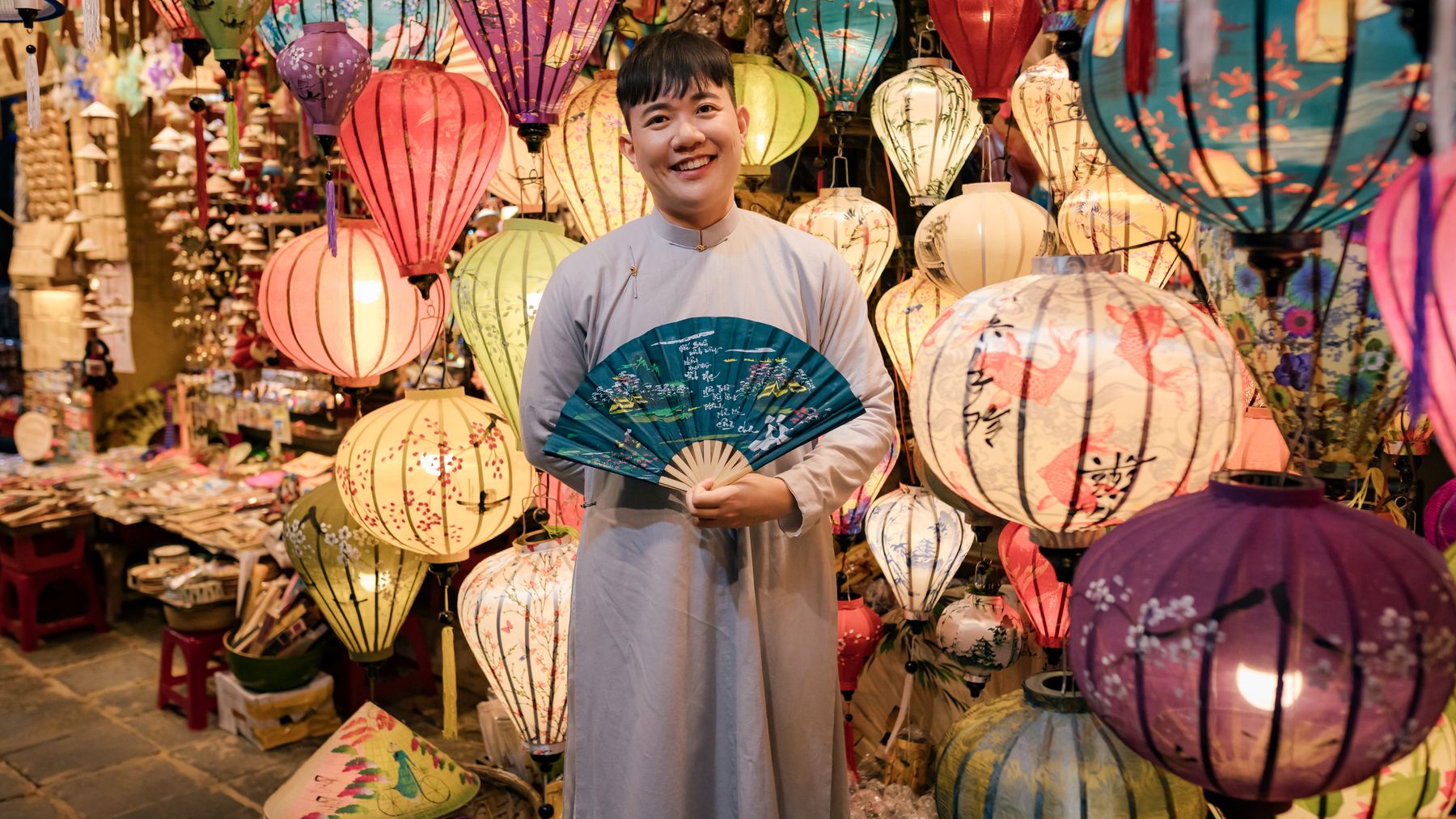
Photo by Võ Văn Tiến on Pexels
Ramadan Considerations
During Ramadan, at least two of the established halal restaurants in Hoi An have historically offered iftar sets — check current availability by messaging them via Facebook before your trip. The halal restaurant scene here is small enough that word travels fast; the owners often know each other and can redirect you if one spot is closed.
Practical Notes
Halal certification in Vietnam is issued by the Halal Certification Agency (HCA Vietnam) — look for their logo rather than relying on a handwritten sign. The halal dining scene in Hoi An is stable but small, so having a backup plan (seafood, fruit, self-catering) makes the trip easier. Da Nang, 30 km north, has a broader halal restaurant selection if you need more variety.
Last updated · May 29, 2026 · independently researched, never sponsored.