What it is
Ho Song Da at Quynh Nhai is the reservoir formed by the Son La Hydropower Dam on the Da River — the largest hydroelectric dam in Southeast Asia, completed in 2012. When the valley flooded, it created an enormous inland lake stretching across Son La province, and Quynh Nhai district ended up sitting right on its banks. The old Quynh Nhai town was actually submerged; the current town was rebuilt on higher ground.
What you see now is roughly 100 km of jade-green water cutting through limestone hills, with Thai ethnic minority villages scattered along the shoreline. It doesn't get a fraction of the visitors that Ha Long Bay or Ninh Binh (닌빈 / 宁平 / ニンビン) pull, and that's exactly what makes it worth the trip. No ticket booths, no tour buses, no crowds jostling for selfie angles.
Why travelers go
People come here for the quiet. The lake is vast and largely undeveloped for tourism, which means you're looking at empty water, forested hills, and small villages where daily life hasn't been reorganized around visitor spending. If you've done the northern loop through Sapa or Ha Giang and want something with zero tourist infrastructure pressure, this is it.
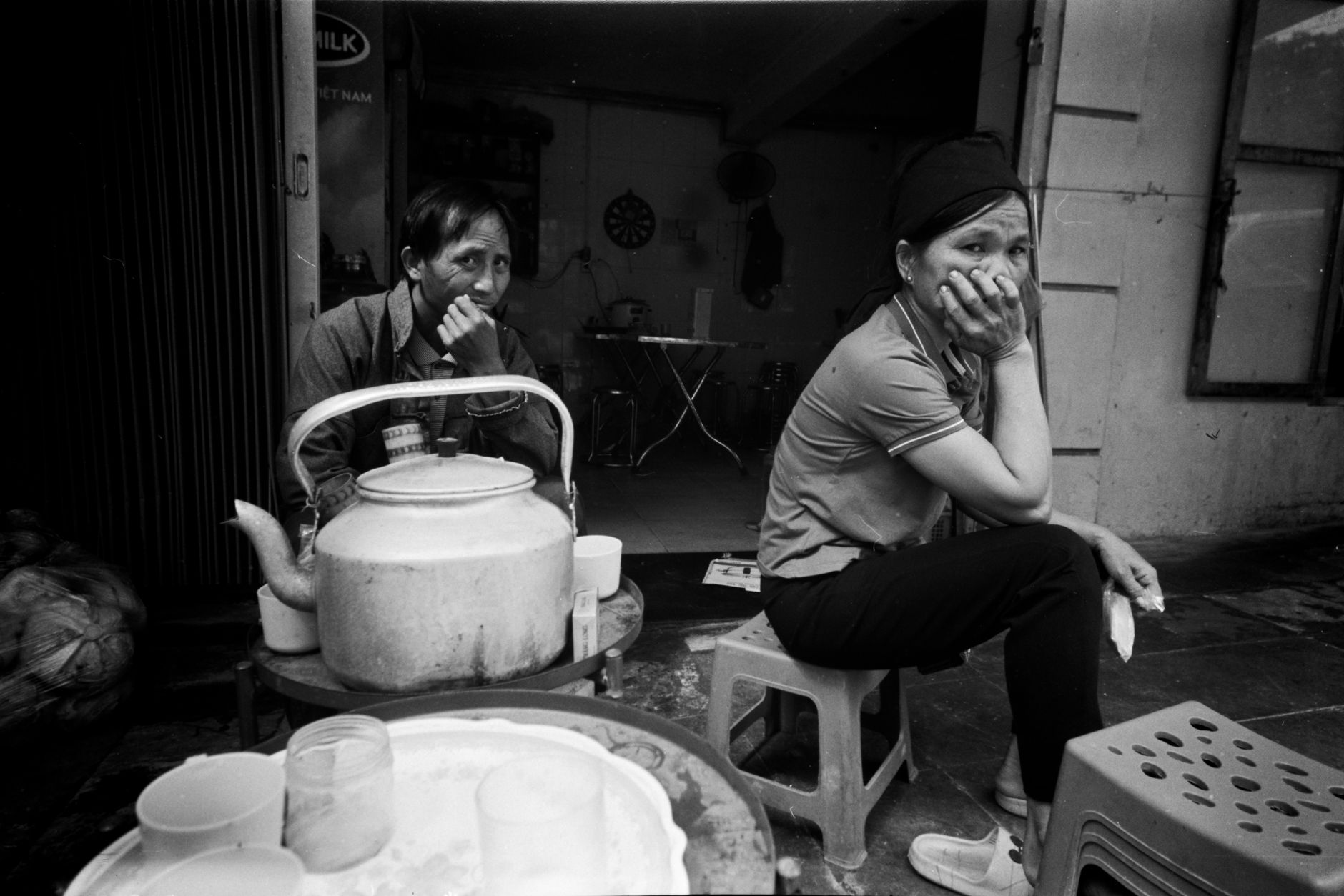
The Thai communities around Quynh Nhai are also a genuine draw — not homestay-circuit Thai villages that have hosted backpackers for 15 years, but smaller settlements where weaving, rice farming, and fishing on the reservoir are still the main activities.
Best time to visit
The sweet spot is October through April. The dry season keeps roads in decent shape and the sky clear enough to actually see the hills across the water. November and December are particularly good — cool air, low humidity, and the rice terraces in surrounding areas still have some late-harvest color.
Avoid July through September if you can. Heavy rain turns the mountain roads slippery, landslides occasionally block routes, and the reservoir water goes muddy brown from runoff. May and June are borderline — hot but mostly passable.
How to get there
The nearest major hub is Hanoi, about 310 km southeast.
By bus: Catch a bus from My Dinh Bus Station in Hanoi (하노이 / 河内 / ハノイ) to Son La city. Several operators run this route daily; the trip takes 5-6 hours and costs around 200,000-280,000 VND. From Son La city, you'll need a local bus or xe khach to Quynh Nhai town — another 60 km, roughly 1.5 hours on mountain roads, around 60,000-80,000 VND.
By motorbike: The most flexible option, and what most independent travelers do. Take the QL6 highway from Hanoi through Hoa Binh and Moc Chau to Son La city, then follow QL279 north to Quynh Nhai. Total ride is 7-9 hours depending on stops. The stretch from Son La to Quynh Nhai is winding but paved — not technically difficult, just slow.
By car/private transfer: A private car from Hanoi runs 2,500,000-3,500,000 VND one way. Worth considering if you're splitting costs with others or don't ride motorbikes.
There's no airport in Son La. The nearest is Dien Bien Phu, but it's further from Quynh Nhai and doesn't save time.

Photo by Thái Trường Giang on Pexels
What to do
Take a boat on the reservoir
This is the main event. Local fishermen double as boat operators, and you can hire one for a half-day trip along the lake for around 500,000-800,000 VND (negotiable, for the whole boat). There's no fixed dock or booking office — ask at your guesthouse or flag someone down at the waterfront. The ride takes you past submerged forest, floating fish farms, and small Thai hamlets accessible only by water.
Visit a Thai village along the shore
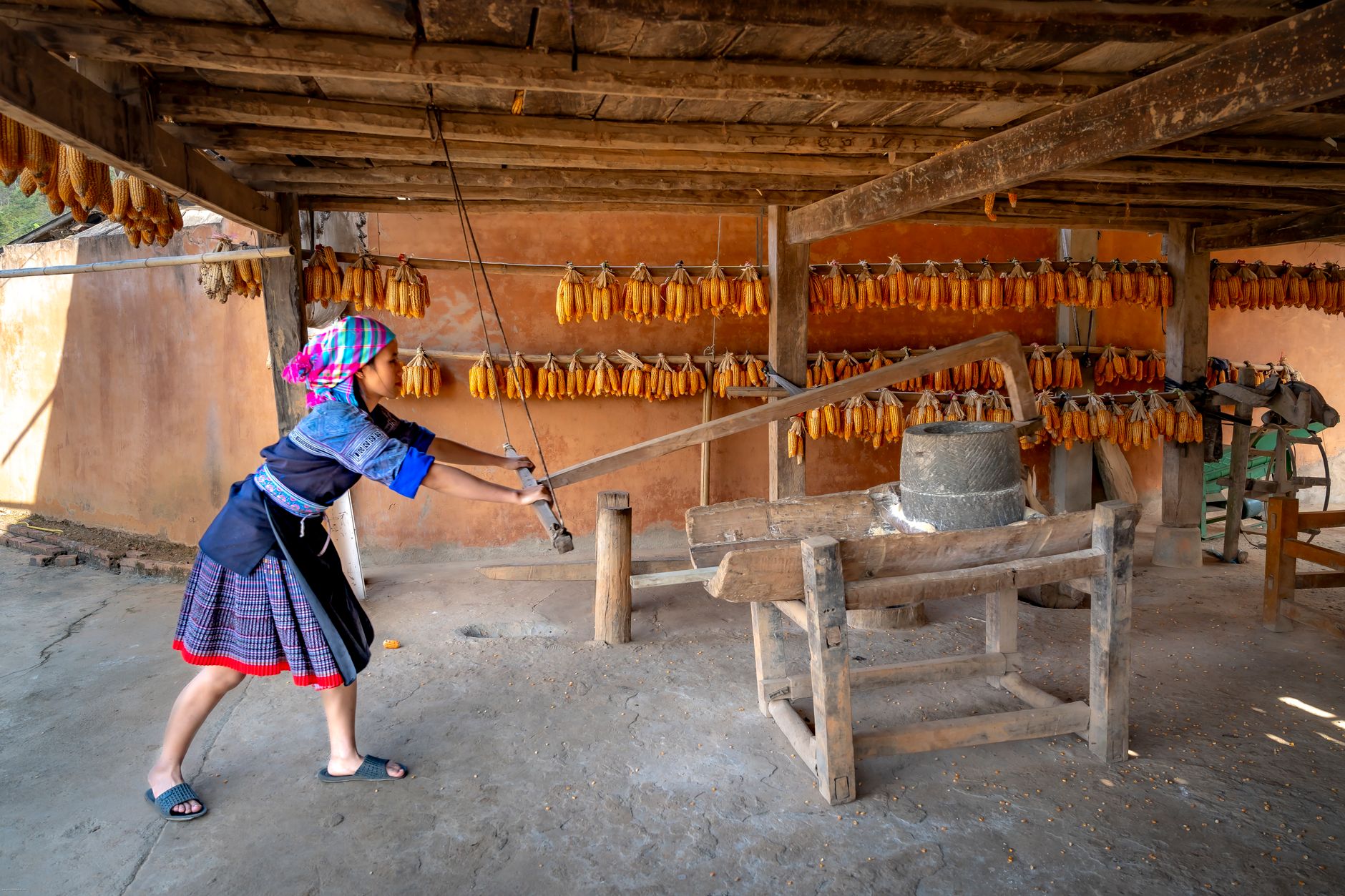
Muong Chien and Pa Kha are two villages reachable by boat or rough road where Black Thai families still produce traditional textiles. You can watch women weaving on floor looms outside their stilt houses. Buying directly — a hand-woven scarf runs about 150,000-300,000 VND — is more useful than any entrance fee.
Drive the lakeside road
The road from Quynh Nhai town heading northwest along the reservoir toward Muong Gion offers about 40 km of lake views with almost no traffic. On a motorbike, it's a leisurely morning ride. Pack water — there's very little along the way.
Fish with locals
If you stay near the water, your host can usually arrange a fishing session on the reservoir. The lake has tilapia and carp. It's not a guided excursion — you're just sitting on a boat with borrowed gear. That's the appeal.
Catch sunrise from the new town
Quynh Nhai's rebuilt town sits on a ridge above the lake. Early morning, before 6:00 AM, fog fills the valley below and the water surface disappears entirely. The spot behind the district People's Committee building gives an unobstructed view. Free, no hike required.
Where to eat nearby
Quynh Nhai doesn't have a restaurant scene. You eat at your guesthouse, at small com binh dan (everyday rice) shops in town, or at lakeside stalls near the boat area.
Two things to seek out:
- "Pa pinh top" — a Thai-style fish grilled in bamboo with local herbs. The fish comes straight from the reservoir, stuffed with mac khen pepper and lemongrass, then roasted over charcoal. Any Thai household hosting guests will make this if you ask.
- "Xoi ngu sac" — five-color sticky rice, steamed with natural plant dyes. It's a Thai staple across the northwest, but around Son La the colors tend to be more vivid because of local leaf varieties. Usually 20,000-30,000 VND per serving.
Vietnamese coffee is available at a couple of small cafes in the new town — don't expect anything fancy, but it's strong and cheap at around 15,000-20,000 VND.
Where to stay
Budget (200,000-400,000 VND/night): Basic guesthouses (nha nghi) in Quynh Nhai town. Expect a bed, fan or AC, and shared bathroom. Clean enough. No English spoken.
Mid-range (400,000-800,000 VND/night): A few homestays along the lake have been set up for visitors — stilt houses with mattresses, mosquito nets, and home-cooked meals included. Muong Chien has a couple of these. Book through local tourism Facebook pages or call ahead in Vietnamese.
There are no hotels or resorts at Quynh Nhai. If you need reliable hot water and Wi-Fi, stay in Son La city and day-trip to the lake.

Photo by Quang Nguyen Vinh on Pexels
Practical tips locals would tell you
- Bring cash. There are no ATMs in Quynh Nhai. The nearest reliable ones are in Son La city. Bring more than you think you'll need.
- Fuel up in Son La. There's one petrol station in Quynh Nhai town, but it occasionally runs dry. Fill your tank before leaving Son La city.
- Learn three phrases in Thai. The Thai people here appreciate any effort. "Khop jai" (thank you) goes a long way.
- Mosquito repellent is mandatory, especially near the water at dusk. The reservoir breeds them.
- Phone signal is patchy. Viettel has the best coverage in the northwest. If you're on Mobifone, expect dead zones.
Common mistakes to avoid
- Trying to do it as a day trip from Hanoi. The drive alone is 7+ hours each way. You need at least one night, ideally two.
- Showing up without a plan for a boat. There's no pier with boats waiting. Arrange through your guesthouse the evening before, or you'll spend the morning wandering the waterfront.
- Expecting English signage or menus. This isn't Sapa. Download Vietnamese phrases offline or use a translation app. Google Translate's camera mode works for menus.
- Skipping Son La city entirely. The Son La Provincial Museum and the old French colonial prison are worth a couple of hours on your way through.
Practical notes
Quynh Nhai is a place that rewards people who are comfortable with loose plans and limited infrastructure. It's not a polished destination — it's a real, working district that happens to sit on a very large, very beautiful lake. Bring patience, cash, and a willingness to point at things on a menu you can't read.
Last updated · May 29, 2026 · independently researched, never sponsored.