Ho Ea Sno sits in a basalt crater in the Central Highlands (중부 고원 / 中部高原 / 中部高原), about 25 km south of Dak Nong town — a region now administered as part of the expanded Lam Dong province. It's the kind of place where you'll see more water buffalo than tourists, and that's precisely the point.
What it is
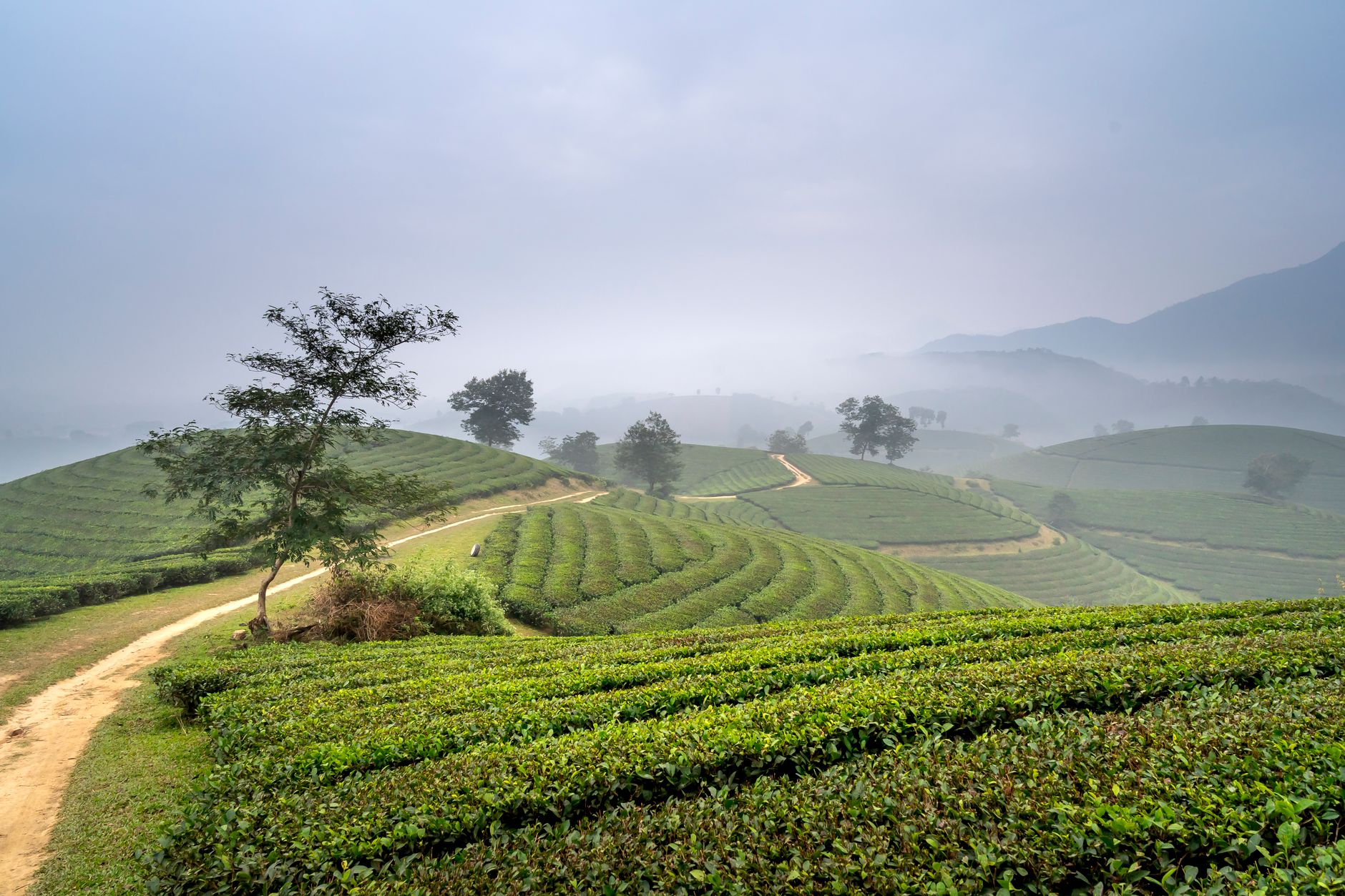
Ho Ea Sno is a natural freshwater lake formed by ancient volcanic activity. The lake covers roughly 50 hectares and is fed by underground springs, giving it a clarity you won't find in most Vietnamese reservoirs. The surrounding area is classic Central Highlands terrain: red laterite soil, coffee plantations, pepper farms, and patches of dry evergreen forest.
The lake has long been important to the M'Nong ethnic community who live in villages along its edges. For them, it's a water source, a fishing ground, and a cultural landmark tied to local gong culture and communal traditions. The area around Ea Sno also sits within the Dak Nong UNESCO Global Geopark, recognized in 2020 for its volcanic geology and cultural heritage.
Why travelers go
Honestly, most don't — and that's the appeal. Ho Ea Sno draws a handful of domestic travelers, the occasional cyclist on a highland loop, and people interested in M'Nong culture. There are no ticket gates, no selfie platforms, no loudspeakers. You get a quiet lake surrounded by green hills, a few fishing boats, and the sound of birds.
For anyone spending time in Da Lat or exploring the Central Highlands beyond the usual coffee-shop circuit, Ea Sno offers a genuine change of pace. It pairs well with visits to other geopark sites like Dray Sap waterfall or the Chu Bluk volcanic cave system.
Best time to visit
The dry season — November through March — is your best window. Skies are clearer, the roads are in better shape, and the lake level is stable enough for easy shoreline walks. December and January mornings can drop to 16-18°C up here, which feels genuinely cool after weeks in lowland Vietnam (베트남 / 越南 / ベトナム).
Avoid June through September if you can. Afternoon downpours turn the laterite roads muddy, and visibility over the lake drops. The landscape is greener, sure, but getting around becomes a chore without a sturdy motorbike and rain gear.
How to get there
The nearest major hub is Da Lat, roughly 130 km south. From Da Lat, you have two realistic options:
- Motorbike: The most practical choice. Take QL28 north through Di Linh and Dak Mil toward Gia Nghia (Dak Nong town), then follow local signage to Ea Sno. The ride takes about 3.5-4 hours depending on stops. Fuel cost is around 80,000-100,000 VND one way. The road is paved the whole way but has some rough patches after Dak Mil.
- Bus + xe om: Catch a bus from Da Lat to Gia Nghia (roughly 120,000-150,000 VND, 4 hours). From Gia Nghia, hire a local "xe om" (motorbike taxi) for the remaining 25 km to the lake — expect to pay 60,000-80,000 VND each way. Negotiate before you ride.
If you're coming from Ho Chi Minh City, overnight buses run to Gia Nghia from Ben Xe Mien Dong (around 250,000-300,000 VND, 7-8 hours). From Buon Ma Thuot to the north, it's about 120 km south on QL14, then a turn-off toward Ea Sno — roughly 2.5 hours by motorbike.

Photo by 1500m Coffee on Pexels
What to do
Walk the shoreline at dawn
The lake is calmest before 7 AM. A dirt path traces part of the western shore through patches of grass and scattered trees. It's not a maintained trail — wear proper shoes, not sandals — but the early light on the water is the best thing here. Allow about an hour for a slow loop of the accessible sections.
Visit a M'Nong village
Several M'Nong communities live near the lake. If you're respectful and ideally have a Vietnamese-speaking companion, locals are often open to showing visitors their traditional longhouses and explaining gong music traditions. Don't just walk in unannounced — ask at a local shop or cafe and someone will usually point you in the right direction.
Kayak or fish on the lake
Some local families rent basic kayaks or small boats for 50,000-100,000 VND per hour. Fishing is common here — you'll see locals with simple rods pulling small freshwater fish. If you want to try, ask a boatman and they can usually lend basic gear. Don't expect sport fishing; it's more about sitting on the water.
Ride to nearby geopark sites
Ho Ea Sno works as a base for exploring the wider Dak Nong Geopark. Dray Sap and Dray Nur waterfalls are about 40 km northeast. The Chu Bluk volcanic caves — a network of lava tubes — are closer, roughly 20 km away, and worth a half-day if you're interested in geology.
Catch a highland sunset from the eastern bank
The east side of the lake faces west toward the hills. In dry season, the sun drops behind coffee plantations and the light turns the water copper. Bring something to sit on — there are no benches.
Where to eat nearby
Don't expect restaurants at the lake itself. In Gia Nghia town, look for "com tam" — broken rice plates with grilled pork — at the small eateries along the main road. Meals run 30,000-50,000 VND. The Central Highlands are also known for grilled chicken with pepper salt and "banh canh" — thick tapioca noodle soup — which you'll find at local markets.
If you're self-sufficient, bring snacks and water from Gia Nghia. There's very little available at the lake.
Where to stay
Budget (200,000-400,000 VND/night): Basic "nha nghi" guesthouses in Gia Nghia. Clean enough, fan or AC, hot water if you're lucky. Don't expect English.
Mid-range (500,000-900,000 VND/night): A few newer hotels in Gia Nghia with proper rooms, Wi-Fi, and breakfast included. Search for places along Quang Trung street.
Homestay: Occasionally, M'Nong families near the lake offer homestay-style accommodation. This is informal — no booking platform, no fixed price. If you're interested, ask around in the village. Expect to pay 150,000-250,000 VND including a meal.
There's no accommodation directly on the lake shore.
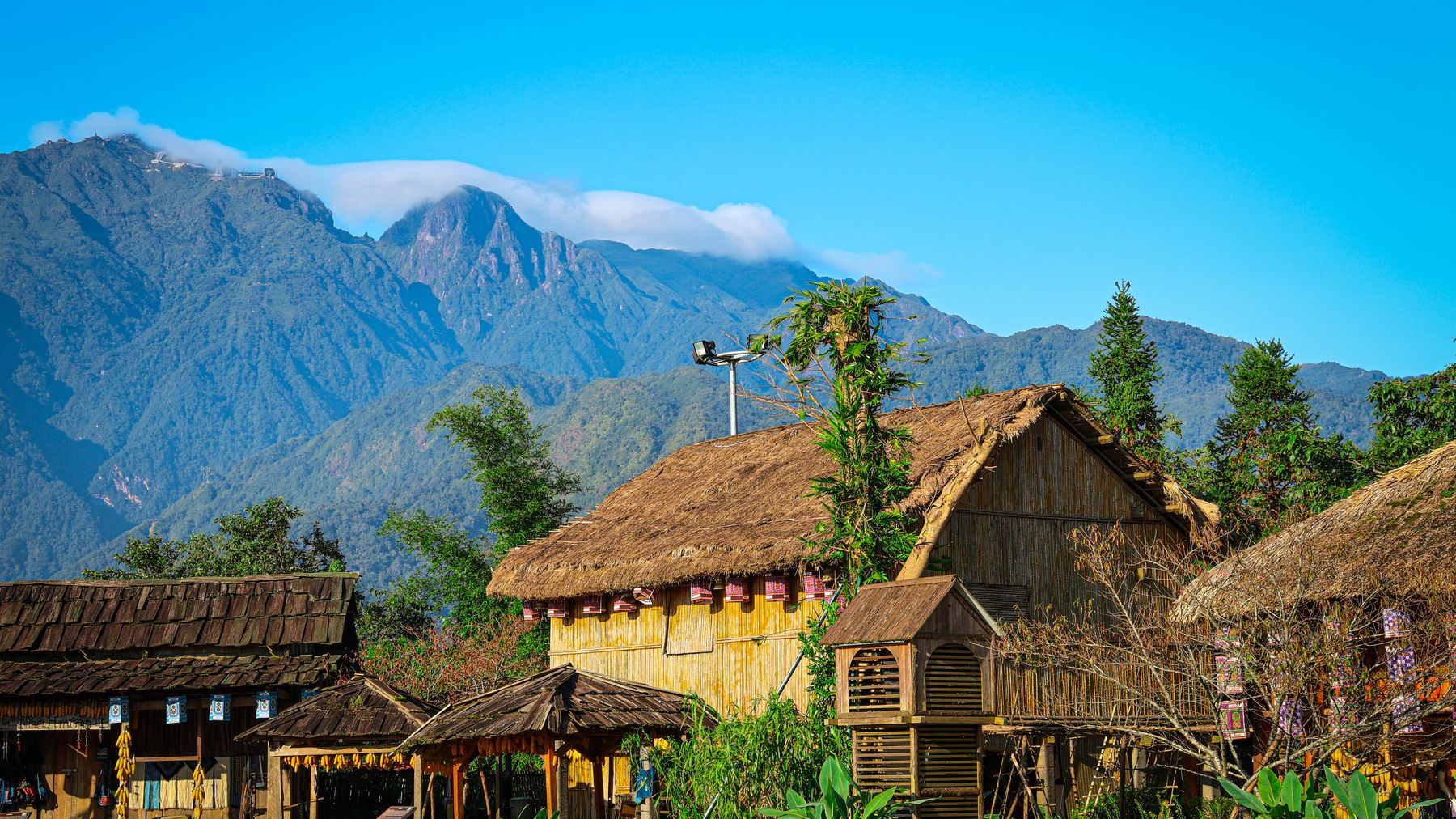
Photo by Haneul Trac on Pexels
Practical tips locals would tell you
- Bring cash. There are ATMs in Gia Nghia but nothing at the lake. Card payments don't exist out here.
- Fuel up in town. The last reliable petrol station is in Gia Nghia. Don't assume you'll find fuel closer to the lake.
- Carry mosquito repellent. The lake margin is buggy, especially at dusk. Long sleeves help.
- Learn a few Vietnamese phrases. Almost nobody near Ea Sno speaks English. Even basic greetings go a long way with M'Nong villagers.
- Respect local customs. If you visit a longhouse, remove your shoes. If gong music is being performed, don't interrupt. Ask before photographing people.
Common mistakes to avoid
- Treating it as a day trip from Da Lat. The 4-hour ride each way makes a round trip exhausting. Stay at least one night in Gia Nghia.
- Expecting infrastructure. No cafes, no ticket booths, no tourist information at the lake. This is not Da Lat. Plan accordingly.
- Riding unfamiliar highland roads after dark. Laterite roads, wandering livestock, and no street lights make night riding dangerous. Time your travel to arrive before sunset.
- Littering. There are no trash bins at the lake. Carry everything out. The locals keep this place clean — follow their lead.
Practical notes
Ho Ea Sno is best treated as part of a wider Central Highlands loop — combine it with Da Lat, Buon Ma Thuot, or the geopark sites for a 3-5 day itinerary. It's not a destination that needs a full day of activities; it's a place to slow down, sit by the water, and see a side of highland Vietnam that most visitors never reach.
Last updated · May 29, 2026 · independently researched, never sponsored.