What it is
Ho Ham Thuan - Da Mi is a pair of connected hydroelectric reservoirs sitting at around 600m elevation in Lam Dong province, wedged between the Central Highlands (중부 고원 / 中部高原 / 中部高原) and the coast. The dam was completed in 2001 as part of the Ham Thuan - Da Mi hydropower project, and while the engineering isn't what brings people here, the landscape it accidentally created is. Two massive lakes surrounded by dense forest, tea plantations, and quiet valleys — without the weekend tourist crush you get at Da Lat, just 90km to the north.
The area used to fall under Binh Thuan province before administrative boundaries shifted it into Lam Dong. Locals still sometimes reference Binh Thuan when giving directions, so don't be confused if your xe om driver mentions it.
Why travelers go
This isn't a place with a checklist of attractions. People come here for the quiet — the kind of quiet that Da Lat (달랏 / 大叻 / ダラット) lost fifteen years ago. The lakes are enormous (Ham Thuan alone covers over 20 square kilometers), ringed by hills that stay green year-round. It's a place for slow mornings, for riding a motorbike along empty reservoir roads, for sitting with a cup of vietnamese coffee and watching fishing boats drift.
Photographers come for the early-morning mist that rolls across the water. Cyclists use it as a stopover on highland loops. And increasingly, Saigon weekenders who've grown tired of Mui Ne's crowds are making the drive up here instead.
Best time to visit
The dry season from November through April is ideal. Mornings are cool (18-22°C), skies clear by mid-morning, and the reservoir levels are stable enough for boat trips. December and January bring the crispest weather.
Avoid September and October if you can — heavy rains turn the access roads muddy and the reservoir management occasionally restricts boat activity during flood control periods. The rainy season does have its own drama (waterfalls swell, the forest gets impossibly green), but it's harder to plan around.
How to get there
The nearest major hub is Da Lat, about 90km north. From Da Lat's city center, take QL20 south toward Bao Loc, then turn off toward Di Linh and follow signs for the Ham Thuan dam. The drive takes roughly 2-2.5 hours by motorbike, slightly less by car.
From Da Lat by motorbike: Rent a semi-automatic (150,000-200,000 VND/day) and ride south. The road is paved the whole way but has some steep descents near the reservoir. Not recommended for inexperienced riders.
From Saigon: About 200km, or 5-6 hours by car/bus. Take a bus to Bao Loc (around 180,000 VND from Mien Dong bus station), then a local xe om or taxi the remaining 50km to the reservoir area. Expect 150,000-250,000 VND for that last leg.
From Phan Thiet/Mui Ne: Around 100km heading inland and uphill. The road climbs from sea level to 600m, winding through dragon fruit farms before hitting forest. A scenic ride, 2.5-3 hours by motorbike.

Photo by Hồng Quang Official on Pexels
What to do
Ride the reservoir loop road
The road circling Ham Thuan reservoir is about 40km of quiet tarmac, mostly empty except for the occasional truck headed to a tea processing facility. Early morning is best — you'll pass through pine forest, rubber plantations, and stretches where the lake opens up below you.
Take a boat on Da Mi lake
Local fishermen at the Da Mi side offer boat rides, usually 200,000-400,000 VND for an hour depending on your negotiation skills and the season. There's no formal ticket office — just walk down to the water's edge near the small settlement and ask around. The smaller Da Mi lake feels more enclosed, almost canyon-like in places.
Visit the dam viewpoint
The Ham Thuan dam itself has a viewing area that's open to visitors most days. It's not spectacular architecture, but standing above the spillway gives you a sense of scale. On release days (usually during rainy season), the water thundering through is genuinely impressive.
Hike to K'Long K'Lanh waterfall
About 15km from the main reservoir area, this waterfall drops roughly 25m into a pool surrounded by boulders. The trail from the road takes 20-30 minutes through forest. Bring proper shoes — it's slippery after rain. No entrance fee, no facilities.
Explore the tea plantations
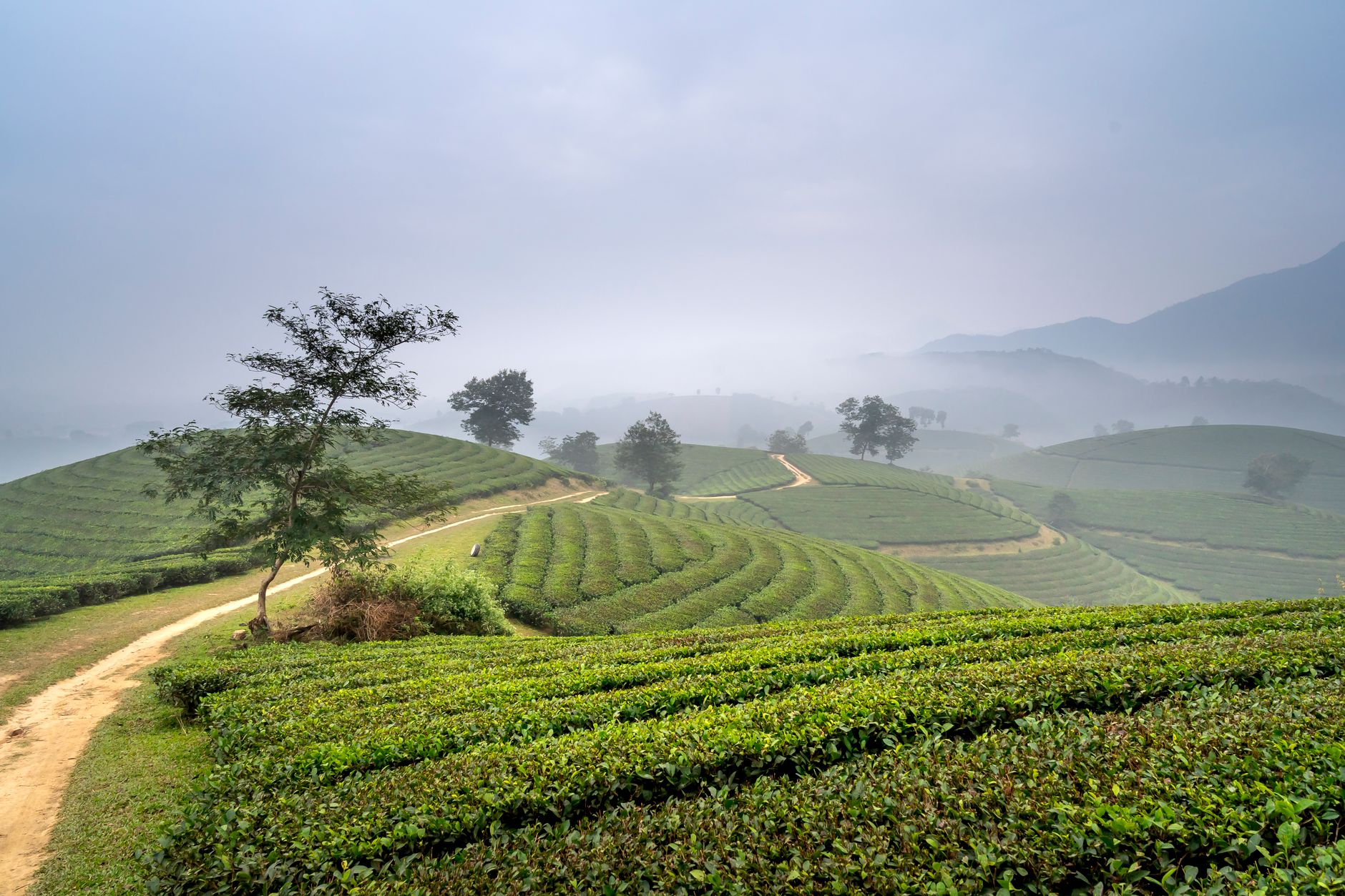
The hills around the reservoir are dotted with tea farms, mostly producing green tea for domestic consumption. Some farms welcome visitors informally — stop and ask. The landscape of neatly trimmed tea rows against the lake backdrop is the kind of thing that makes the whole detour worthwhile.
Where to eat nearby
Don't expect restaurant rows here. The small settlements near the dam have a handful of "com binh dan" (everyday rice) places serving whatever's fresh. Look for "ga nuong" (grilled chicken) — the free-range highland chickens here are noticeably better than lowland versions, charred over coffee-wood coals and served with pepper-salt-lime dip.
If you're heading back toward Bao Loc, stop for "banh canh" — the thick tapioca noodle soup is a regional staple, often served with pork knuckle or crab. A bowl runs 35,000-50,000 VND.
Where to stay
Accommodation is limited but growing:
- Budget (200,000-400,000 VND/night): Basic "nha nghi" guesthouses in the settlements near the dam. Clean enough, fan rooms, hot water if you're lucky.
- Mid-range (600,000-1,200,000 VND/night): A few homestays and small resorts have opened in the last couple of years, offering lake-view rooms with proper beds and breakfast included. Search for accommodations near "Ho Ham Thuan" on booking apps.
- Camping: Increasingly popular. Flat ground near the reservoir edge is available, though there are no designated campsites. Bring everything you need.

Photo by Quang Nguyen Vinh on Pexels
Practical tips locals would tell you
- Fill your petrol tank before leaving the main highway. There's exactly one fuel station near the reservoir and it occasionally runs dry.
- Bring a light jacket even in dry season. The elevation and lake breeze make mornings cooler than you'd expect coming from the coast.
- Phone signal is patchy around the Da Mi side. Download offline maps before you arrive.
- The road surface is good but narrow in places — if you're driving a car, be cautious on blind curves where trucks appear.
- Mosquitoes are aggressive at dusk near the water. Repellent isn't optional.
Common mistakes to avoid
- Treating it as a day trip from Da Lat. The 2.5-hour drive each way eats your day. Stay at least one night to actually enjoy the pace.
- Expecting tourist infrastructure. There are no ATMs near the reservoir. Bring cash — enough for fuel, food, accommodation, and any boat rides.
- Swimming without asking. Some reservoir sections have strong undercurrents near dam infrastructure. Ask locals where it's safe before jumping in.
- Arriving without a plan B for rain. If clouds roll in (common even in dry season afternoons), the viewpoints lose their appeal fast. Front-load outdoor activities in the morning.
Practical notes
Ho Ham Thuan - Da Mi works best as part of a longer highland loop — Da Lat to Bao Loc to the reservoir and back, or as a scenic inland route connecting Da Lat to the coast via Phan Thiet. It rewards travelers who don't need a packed itinerary. Bring patience, a full tank, and cash.
Last updated · May 29, 2026 · independently researched, never sponsored.