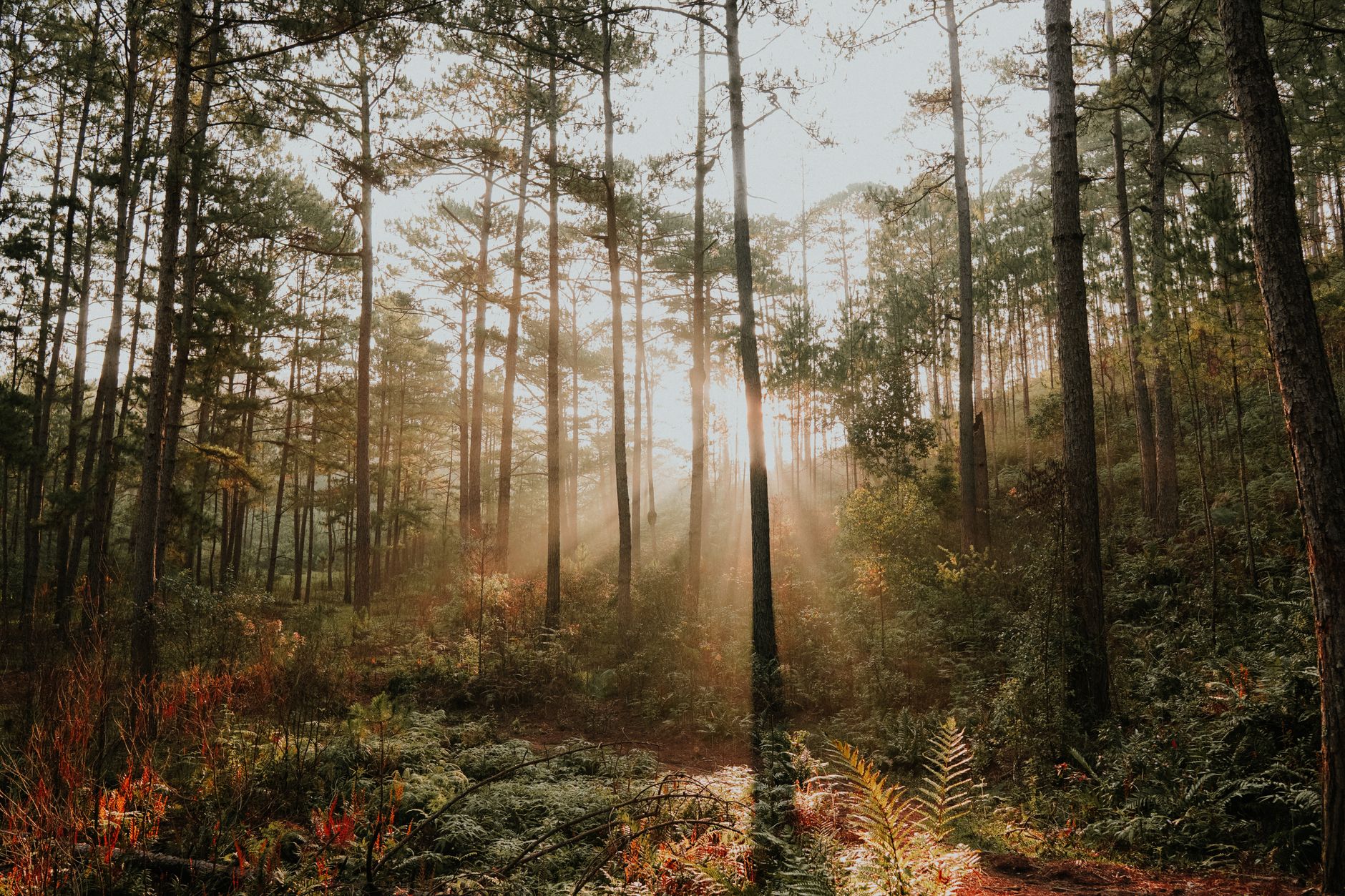
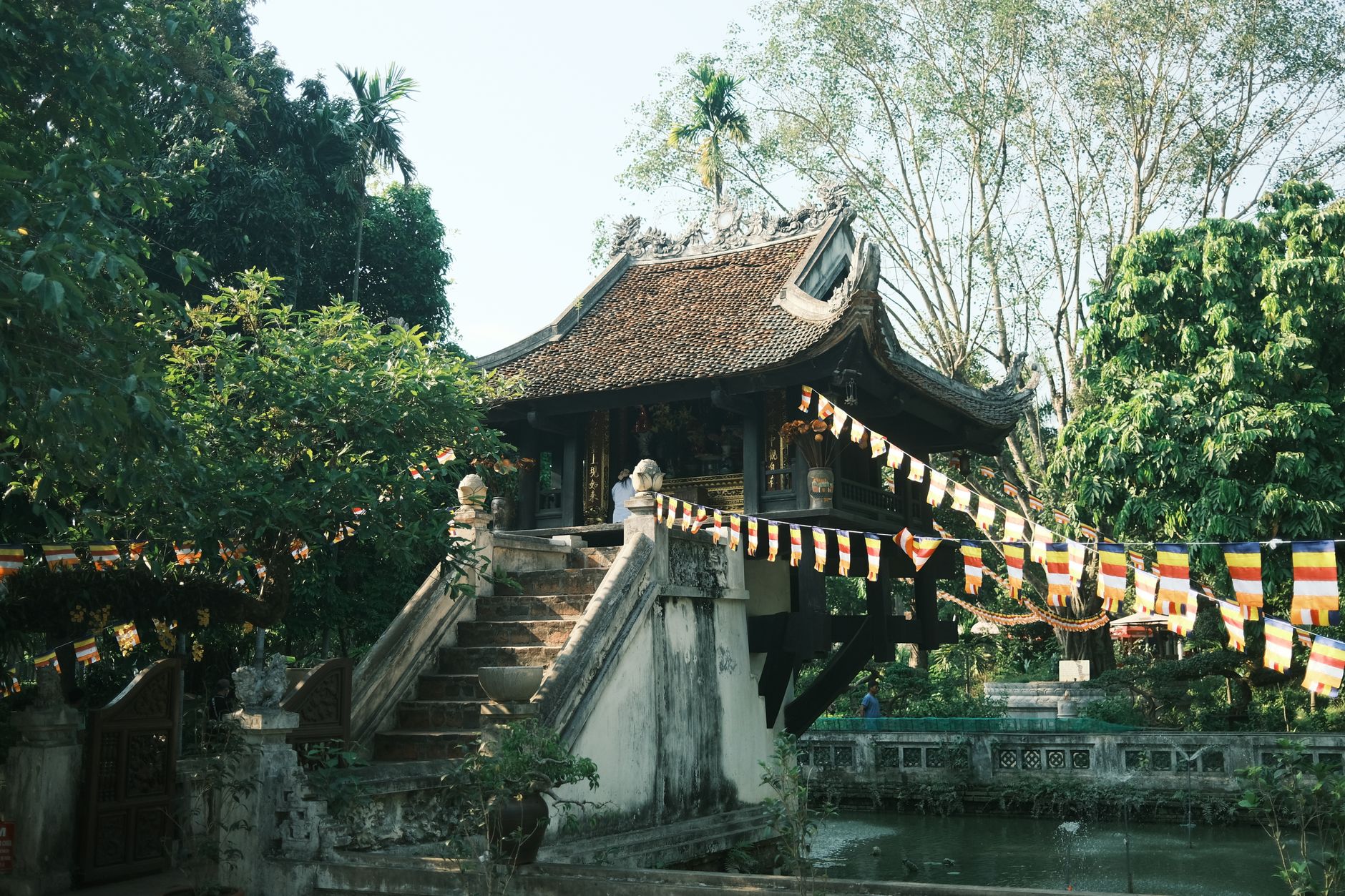
Ho Quan Son sits about 50 km southwest of central Hanoi, in My Duc district — a sprawling freshwater lake system backed by limestone karsts that most tourists never hear about. It's the kind of place Hanoians go on weekends when they want water and quiet without the five-hour drive to Ninh Binh (닌빈 / 宁平 / ニンビン).
What it is
Ho Quan Son is actually a cluster of lakes fed by rainfall and small streams running off the surrounding limestone hills. The area covers roughly 850 hectares of water surface, dotted with small islands and fringed by rice paddies and fruit orchards. The name translates loosely to "Quan Son Lake," though locals just call the whole area Quan Son.
The lake system has been here for centuries, but it only started drawing visitors from Hanoi proper in the last decade or so, after the road infrastructure improved. It sits in the same district as the Huong Pagoda complex — Vietnam (베트남 / 越南 / ベトナム)'s most important Buddhist pilgrimage site — but gets a fraction of the foot traffic. That's the appeal.
Why travelers go
Ho Quan Son works as a day trip or overnight escape from Hanoi when the city heat gets oppressive. There's no theme park, no ticket booth at the entrance, no tour bus parking lot. People come to boat on the lake, eat freshwater fish, cycle through villages, and sit around doing not much. If you've spent a week navigating Hanoi's Old Quarter traffic and want a reset before heading to your next destination, this is a solid option — closer and cheaper than Ha Long Bay or Sapa, and far less crowded than either.
Best time to visit
The sweet spot is October through December and again from March to May. These months give you comfortable temperatures (20-28°C) and relatively dry weather. The lake looks best when the surrounding hills are green, which peaks after the summer rains — so October and November are arguably ideal.
Avoid July and August if you can. The rain is heavy, the lake floods its banks in bad years, and the access roads can get muddy. January and February are cool but often overcast and drizzly — fine if you don't mind grey skies, but not great for photos.
If you time it around Tet (usually late January or February), the area is genuinely festive. Locals set up small markets, and the Huong Pagoda festival season starts, which adds energy to the whole district.
How to get there from Hanoi
From central Hanoi, Ho Quan Son is about 50 km southwest — roughly 1.5 to 2 hours by motorbike depending on traffic. The route runs through Ha Dong district and then south on provincial roads toward My Duc.
By motorbike: The most flexible option. Rental bikes in Hanoi run 120,000-180,000 VND/day for a semi-auto. The road is flat and paved the whole way, no mountain passes. Just follow QL21B south from Ha Dong.
By car (Grab or private): A Grab car from the Old Quarter costs around 350,000-500,000 VND one way, depending on traffic and surge pricing. Book a round trip with waiting time if you're day-tripping — finding a return Grab from My Duc isn't guaranteed.
By bus: Catch bus 78 from My Dinh bus station toward Huong Pagoda (Ben Duc). The fare is about 30,000 VND. From the Huong Pagoda area, you'll need a "xe om" (motorbike taxi) for the last 7-8 km to the lake, which should cost 40,000-60,000 VND.
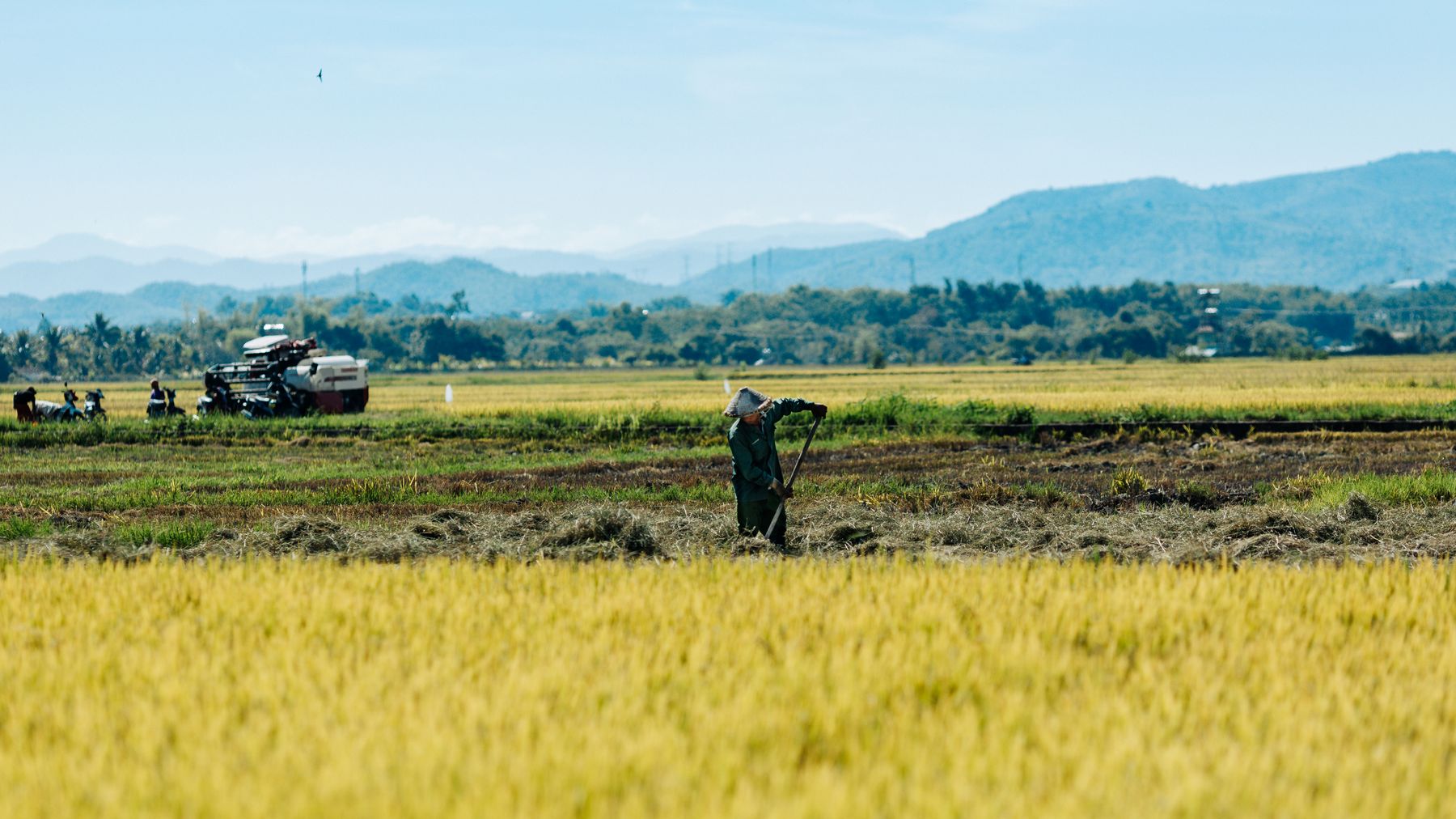
Photo by Thái Trường Giang on Pexels
What to do
Boat the lake
This is the main event. Small metal boats with a rower take you through the lake channels between limestone outcrops and small islands. A typical trip lasts 1.5-2 hours and costs 150,000-200,000 VND per boat (fits 2-3 people). The rowers are local farmers who do this as side income — don't expect polished commentary, but they know the water.
Cycle through the villages
Bring a bike or rent one locally (most homestays have them). The flat roads between rice paddies connecting the small villages around the lake are perfect for casual riding. A 15-20 km loop takes you through hamlets where people are drying rice, tending fruit trees, or mending fishing nets. This isn't curated — it's just daily life.
Visit Huong Pagoda (Chua Huong)
Only 8 km from Ho Quan Son, the Huong Pagoda complex is one of Vietnam's most significant Buddhist sites. The pilgrimage season runs from the first to the third lunar month (roughly February to April), when thousands of Vietnamese visitors come by boat and cable car to reach the pagoda caves. Even outside the festival, it's worth a half-day.
Fish or watch fishing
The lakes are full of freshwater fish — carp, tilapia, snakehead. Some local families will let you join them for a morning of line fishing from a small boat. This isn't a commercial fishing-experience package; you ask around, someone says yes, you sit in a boat and wait. Expect to pay 100,000-150,000 VND for a few hours, rod included.
Hike the low karsts
The limestone hills around the lake aren't tall — most top out at 200-300 meters — but a couple have rough trails to viewpoints overlooking the lake system. Ask your homestay host to point you to the nearest trail. Wear proper shoes; the rock is sharp and slippery after rain.
Where to eat nearby
My Duc district doesn't have a restaurant scene, but the food is honest and cheap. Two things to seek out:
Freshwater fish hotpot ("lau ca"): The local specialty. Snakehead fish or carp cooked in a sour broth with tomatoes, pineapple, and herbs. Most lakeside eateries serve it for 150,000-250,000 VND — enough for two people with rice and sides.
"Com rang" and "bun" stalls: Simple fried rice or noodle soup from roadside stalls in the villages. Nothing fancy, 30,000-50,000 VND per bowl. If you're heading back toward Hanoi and want something more substantial, stop in Ha Dong for "bun cha" — the district has several solid spots.
Where to stay
Accommodation is limited and basic. There are no international hotels here.
- Homestays: The main option. Families around the lake rent rooms for 200,000-400,000 VND/night. Expect a clean bed, a fan (sometimes A/C), and shared or basic private bathrooms. Meals are usually available for an extra 80,000-120,000 VND.
- Guesthouses in My Duc town: A few "nha nghi" (guesthouses) in the district center charge 250,000-350,000 VND/night. More privacy, less character.
- Day trip: Most visitors from Hanoi just come for the day and head back. This is the easiest option if you don't want to deal with limited accommodation.

Photo by Quang Nguyen Vinh on Pexels
Practical tips locals would tell you
- Bring cash. There are no ATMs at the lake. The nearest reliable one is in My Duc town center, about 5 km away. Nothing here takes cards.
- Sunscreen and a hat are non-negotiable from March to September. The lake reflects sunlight and you'll burn faster than you expect on a two-hour boat ride.
- Carry water and snacks. There's no convenience store at the lake. A few families sell drinks from coolers, but selection is limited to water, Coca-Cola, and local beer.
- Mosquito repellent after 4 PM. The lake edge gets buggy at dusk. Seriously.
- Learn two phrases: "Bao nhieu?" (how much?) and "Cam on" (thank you). They go a long way.
Common mistakes to avoid
- Coming on a holiday weekend without a plan. During Tet / 越南春节 / テト) festival season or long weekends, Hanoians flood My Duc district for the Huong Pagoda pilgrimage. The roads clog and boat prices spike. Check the lunar calendar before you go.
- Expecting Ninh Binh. Ho Quan Son has karsts and water, but it's flatter, smaller-scale, and far less dramatic than Tam Coc or Trang An. Come for the quiet, not for the scenery competition.
- Skipping the boat ride. Some visitors drive out, look at the lake from the road, take a photo, and leave. The lake only makes sense from the water. Get on a boat.
Practical notes
Ho Quan Son pairs naturally with a visit to Huong Pagoda — budget a full day for both, or stay overnight to split them up. If you're building a longer Hanoi itinerary, this works well as a countryside day between city days spent around the Temple of Literature and Dong Xuan Market. It's not a destination you fly to Vietnam for, but it's a good one if you're already in Hanoi and want something the guidebooks don't cover.
Last updated · May 29, 2026 · independently researched, never sponsored.