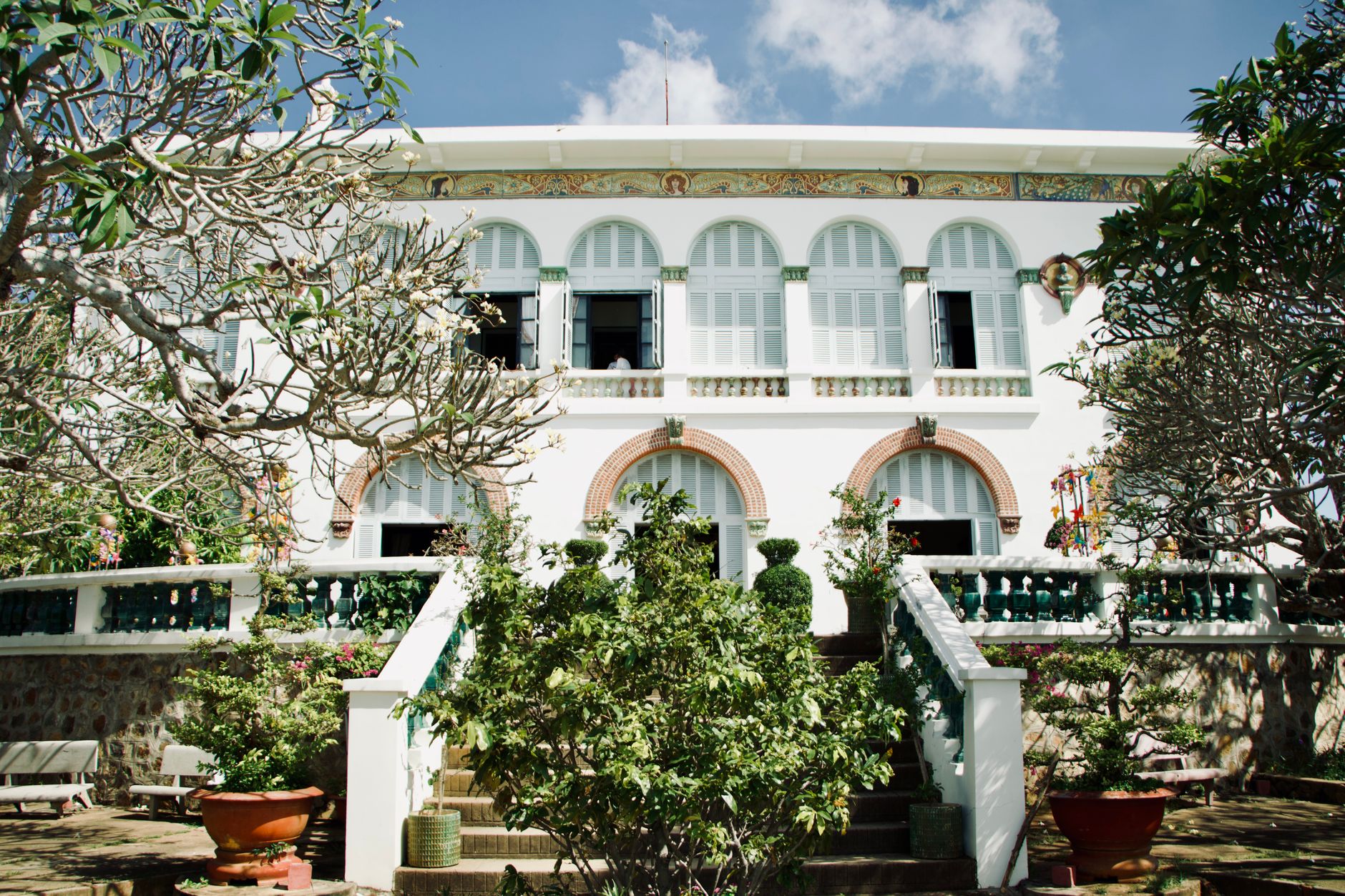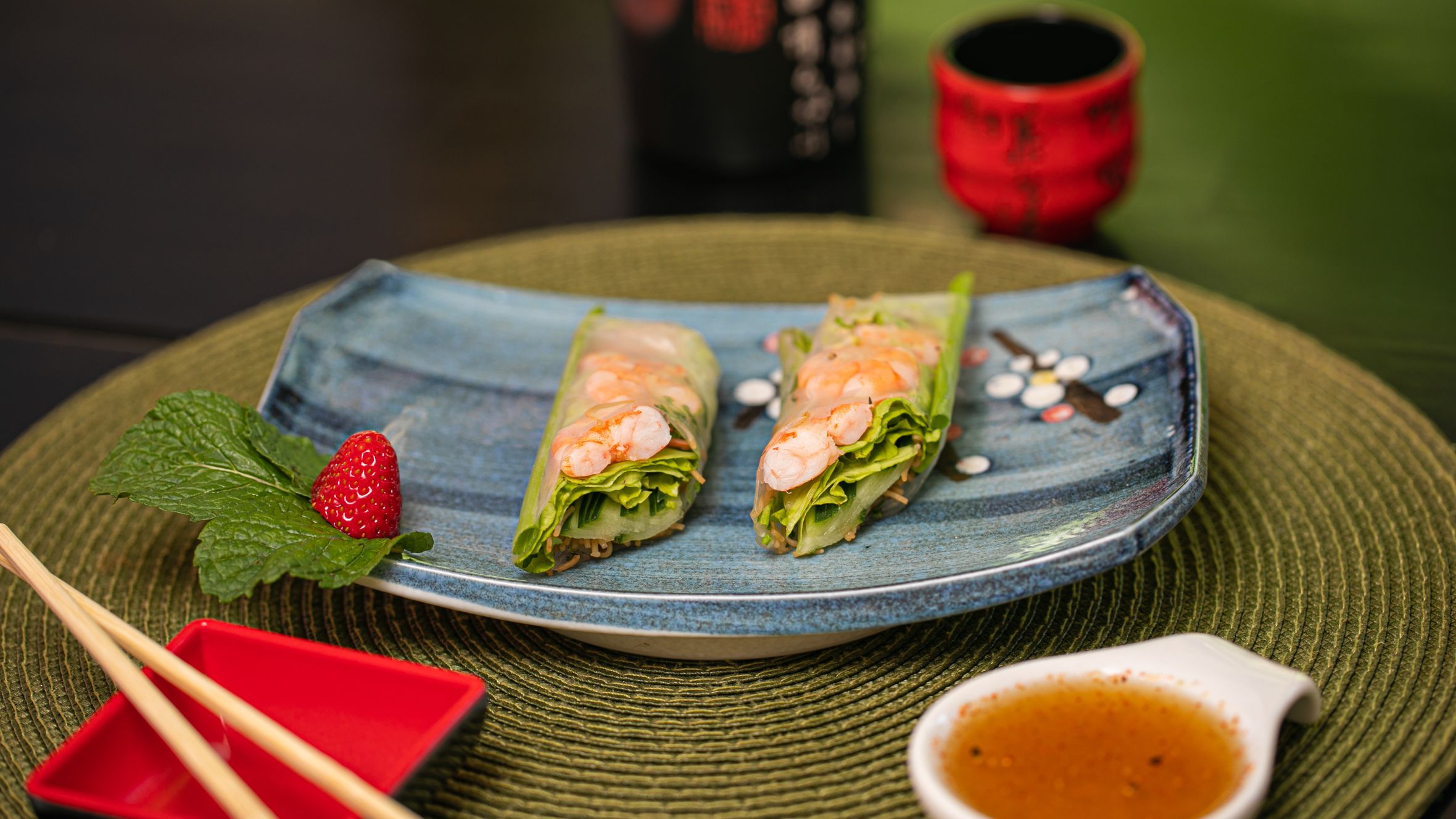
Two hours north of Da Nang on the train, Hue operates at its own pace — slower, more formal, proud of a culinary tradition that fed emperors for three centuries. A long weekend here is the most rewarding food trip you can do in central Vietnam without leaving the coast.
Getting There
The fastest option is the Reunification Express from Da Nang (다낭 / 岘港 / ダナン) to Hue — roughly 2.5 hours, tickets from 65,000–120,000 VND depending on class. Grab a window seat on the right side heading north for the Hai Van Pass views. Alternatively, a hired car takes about 1.5 hours and costs around 400,000–500,000 VND if you split it.
Base yourself inside or just outside the Citadel walls. Guesthouses in the Pham Ngu Lao area near the moat run 250,000–450,000 VND per night and put you walking distance from most of the eating and the main heritage sites.
Day 1 — Dong Ba Market and the Street Food Core
Start early. Dong Ba Market opens around 5:30 a.m. and the best food stalls are winding down by 8:00. This is Hue's central wet market and the most honest cross-section of what people actually eat here — not the curated version you get at tourist restaurants.
Head straight for the ground-floor food section. Look for stalls selling "banh canh cua" — thick udon-style noodles in a crab and pork-bone broth. A bowl runs 25,000–35,000 VND. It's heavier than you'd expect at that hour and absolutely right for it.
Also at Dong Ba: "banh beo", small steamed rice flour cakes topped with dried shrimp and pork crackling, served in individual ceramic dishes and eaten with a spoon. A set of eight costs about 20,000 VND. You'll see "banh nam" and "banh loc" at adjacent stalls — the former is a flat steamed parcel of rice dough with pork and dried shrimp, the latter a clear tapioca dumpling with shrimp and pork, both wrapped in banana leaf. Order one of each.
For lunch, walk ten minutes south to find a bowl of "bun bo Hue (분보후에 / 顺化牛肉粉 / ブンボーフエ)" — the dish this city is known for more than anything else. The broth is lemongrass-forward, stained red from annatto and chili, and built on a pork-and-beef bone base simmered overnight. Unlike pho, it has a fermented shrimp paste undercurrent ("mam ruoc") that gives it real depth. A proper bowl with sliced beef shank, pork knuckle, and a few cubes of coagulated pork blood costs 40,000–55,000 VND at a local shop. Avoid the places with laminated picture menus near the main tourist hotels.
In the late afternoon, cross the Truong Tien Bridge on foot and walk along Le Loi Street. The stretch between the bridge and the Citadel gate has a cluster of "com hen" vendors — tiny clam rice, served at room temperature with a bowl of hot clam broth on the side, crisped pork skin, shredded banana blossom, peanuts, and enough chili paste to redden your ears. This is hangover food, breakfast food, and late-afternoon food simultaneously. A full serving is 20,000–30,000 VND.
For dinner, sit down somewhere proper. Restaurants around Vo Thi Sau Street serve "com dia" — rice plate meals with Hue-style sides including stir-fried water spinach, braised pork, and fermented eggplant ("ca tim muoi"). Budget 80,000–120,000 VND for a full spread.

Photo by Theodore Nguyen on Pexels
Day 2 — Royal Cuisine and the Tomb Circuit
Hue's "am thuc cung dinh" — imperial court cuisine — was developed under the Nguyen dynasty to serve ritual meals for the emperor, his concubines, and visiting dignitaries. The rules were strict: dozens of small dishes arranged symmetrically, no repetition in a single meal, and ingredients sourced from specific villages. You can experience a toned-down version at a handful of restaurants near the Citadel.
Tinh Gia Vien on Nguyen Binh Khiem Street does this well without being theatrical about it. Expect "banh khoa'i""), "nem lui" (grilled pork on lemongrass skewers, wrapped at the table in rice paper), and a rotating selection of small vegetarian dishes served in lacquered bowls. Lunch for two runs 300,000–450,000 VND.
After lunch, hire a xe om (motorbike taxi) or rent a bicycle and head south along the Perfume River toward the royal tomb cluster. The Tomb of Tu Duc is the most atmospheric — forested grounds, lotus ponds, and crumbling pavilions — and it sits about 7 km from the city center. The Tomb of Khai Dinh is 2 km further, up a hillside, with a dramatically different aesthetic: mosaic-covered concrete, steep stairs, and a high-relief interior that mixes Vietnamese imperial iconography with Art Deco European detailing.
Stop for a roadside sugar cane juice on the way back — freshly pressed, 10,000–15,000 VND. Small roadside stalls between the tombs also sell "keo me xung", a sesame-and-peanut brittle that Hue has been making for at least a century. Buy a bag.
For your last dinner, go for "chao long" — rice porridge with pork offal, fried shallots, and fresh herbs — at any small street stall near Dong Ba. It costs almost nothing (20,000–30,000 VND) and is the correct way to end a Hue food trip: quietly, at a plastic stool, eating something the locals eat every night.
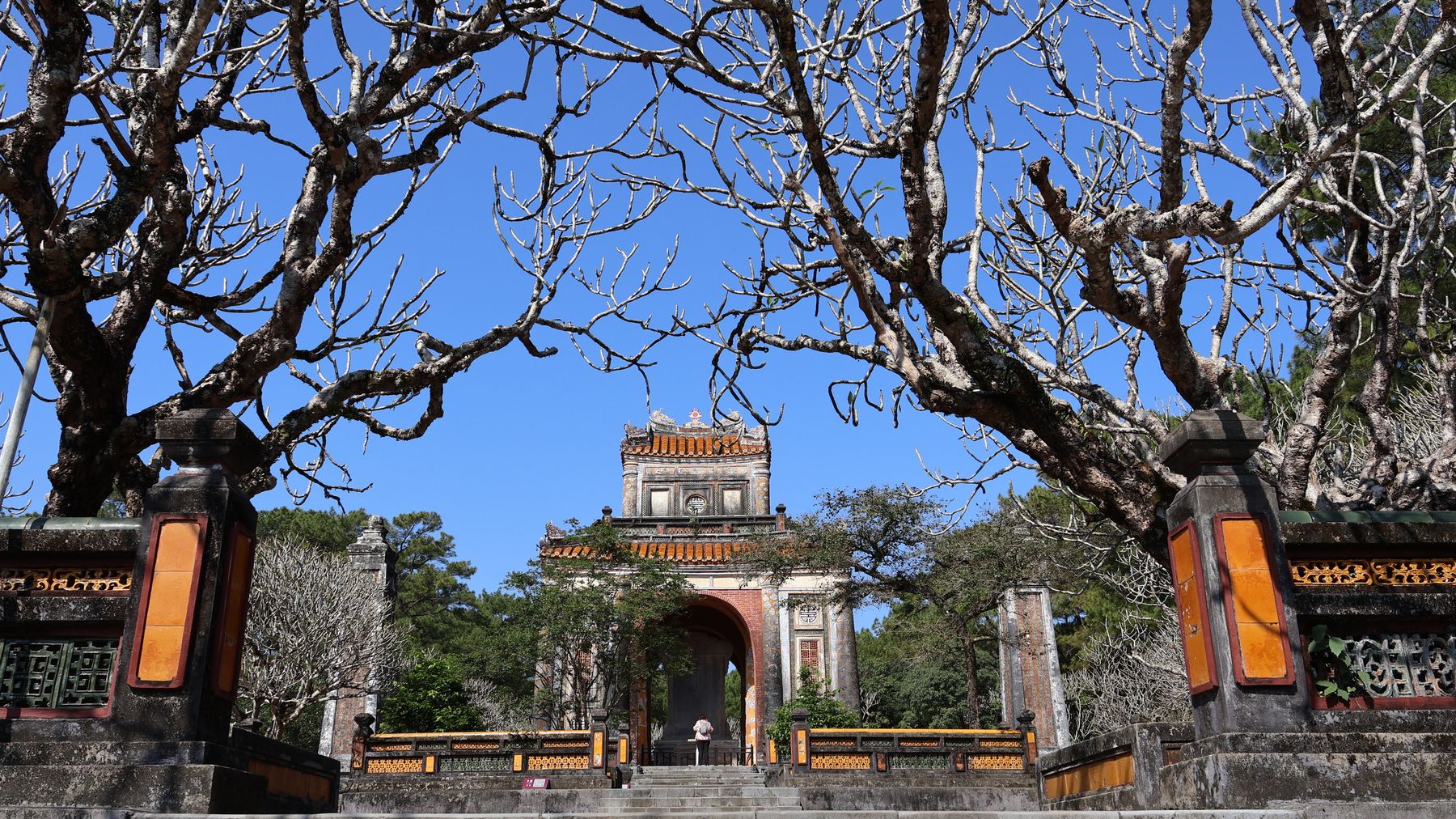
Photo by Minh Lê on Pexels
Practical Notes
Most of the best Hue food is eaten before 9 a.m. and again between 11 a.m. and 1 p.m. — set your schedule accordingly rather than sleeping in. Bring 100,000–200,000 VND in small bills for market stalls, which rarely have change for large notes. The Citadel and royal tombs charge separate admission (100,000–150,000 VND per site); buy tickets at the gate.
Last updated · May 29, 2026 · independently researched, never sponsored.