Day 1-3 — The Imperial Legacy of Hue
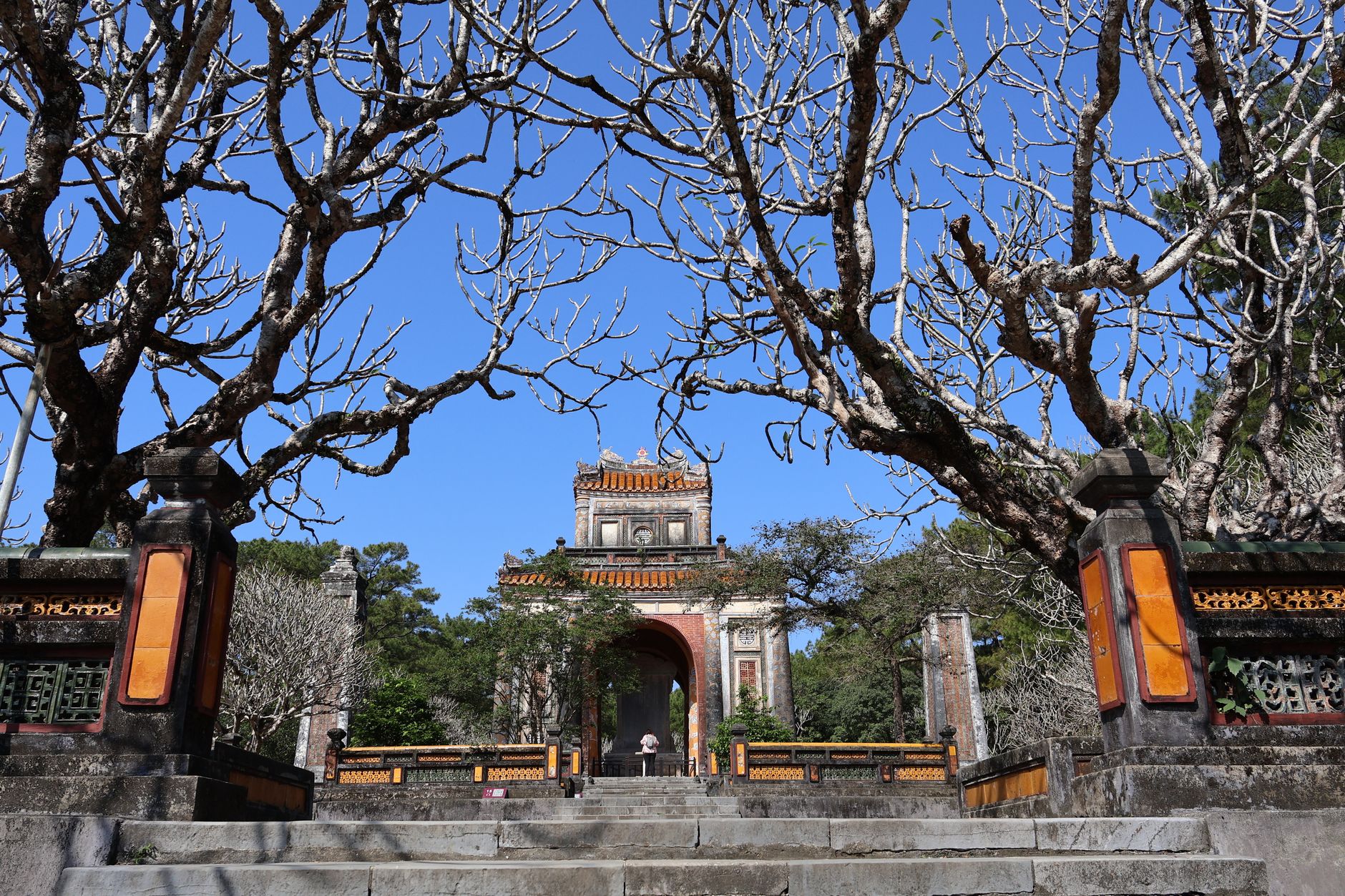
Start your journey in Hue, the former seat of the Nguyen Dynasty. While many focus on the "Imperial Citadel Thang Long" style architecture, the focus here is the transition from monarchy to the mid-century conflicts. Spend your first morning at the Imperial Citadel, then head to the "Tomb of Tu Duc" and "Tomb of Khai Dinh". These sites offer a glimpse into the grandeur that preceded the turbulence of the 1900s. In the evenings, seek out local specialties like "bun bo hue" and "banh canh" at the small stalls near the Perfume River.
Day 4 — The DMZ and the 17th Parallel
Depart Hue (후에 / 顺化 / フエ) early for a full-day excursion to the former Demilitarized Zone (DMZ). This is a somber, necessary day for understanding the geography of the conflict. Visit the Hien Luong Bridge and the Ben Hai River, which served as the physical divide. Continue to the Vinh Moc Tunnels, an underground village where civilians lived for years to escape bombardment. Unlike the more tourist-heavy sites, these tunnels remain largely in their original, cramped state. Return to Hue by evening.
Day 5 — The A Shau Valley and Mountain Passes
Travel south toward Da Nang via the Hai Van Pass. Stop at the ruins of bunkers along the mountain peaks, which offer a stark contrast to the panoramic views of the coast. This route was a critical logistical artery during the war. Upon arriving in Da Nang, grab a bowl of "mi quang (미꽝 / 广南面 / ミークアン)" at a local market stall; it is the definitive dish of this region.
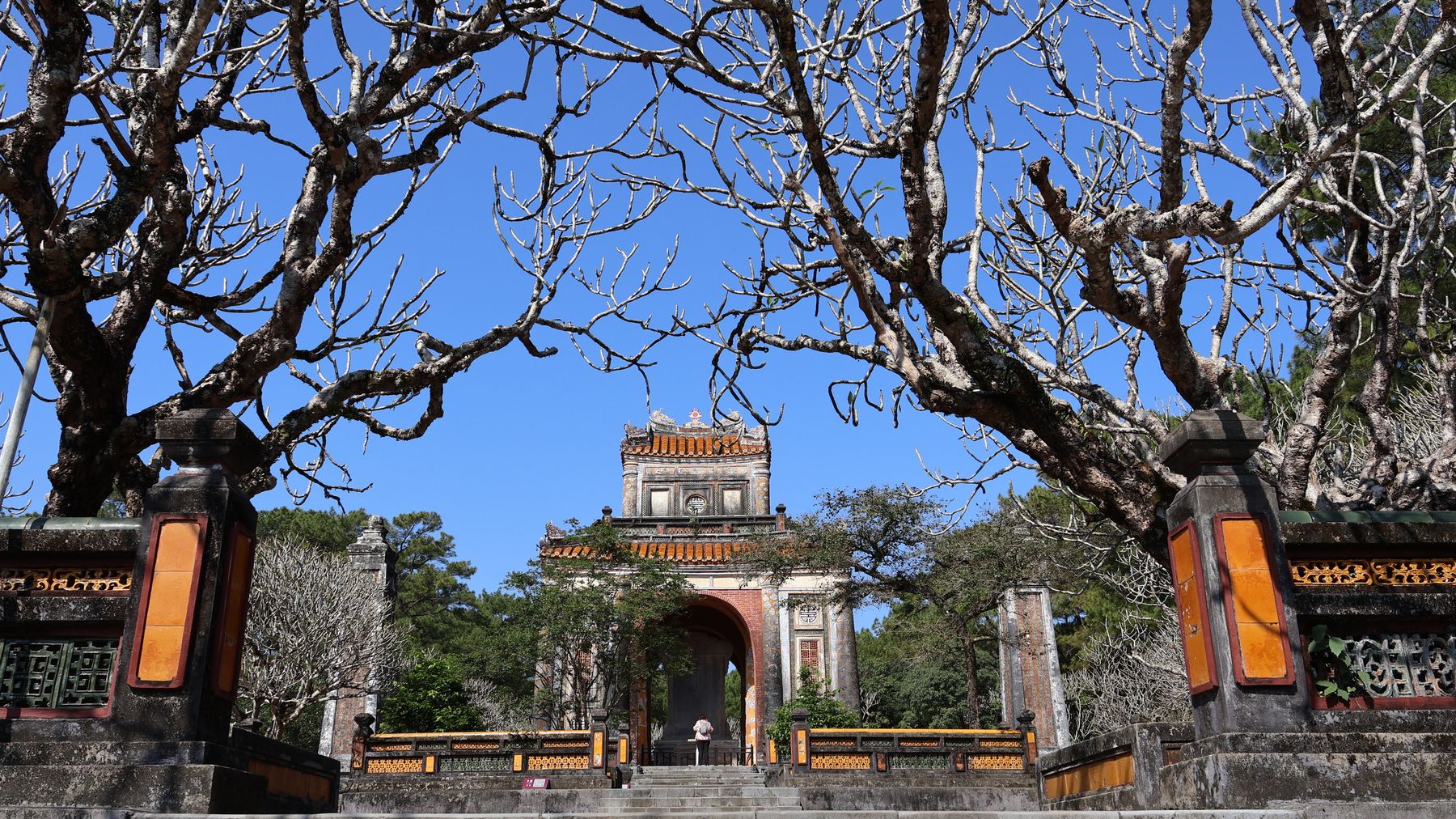
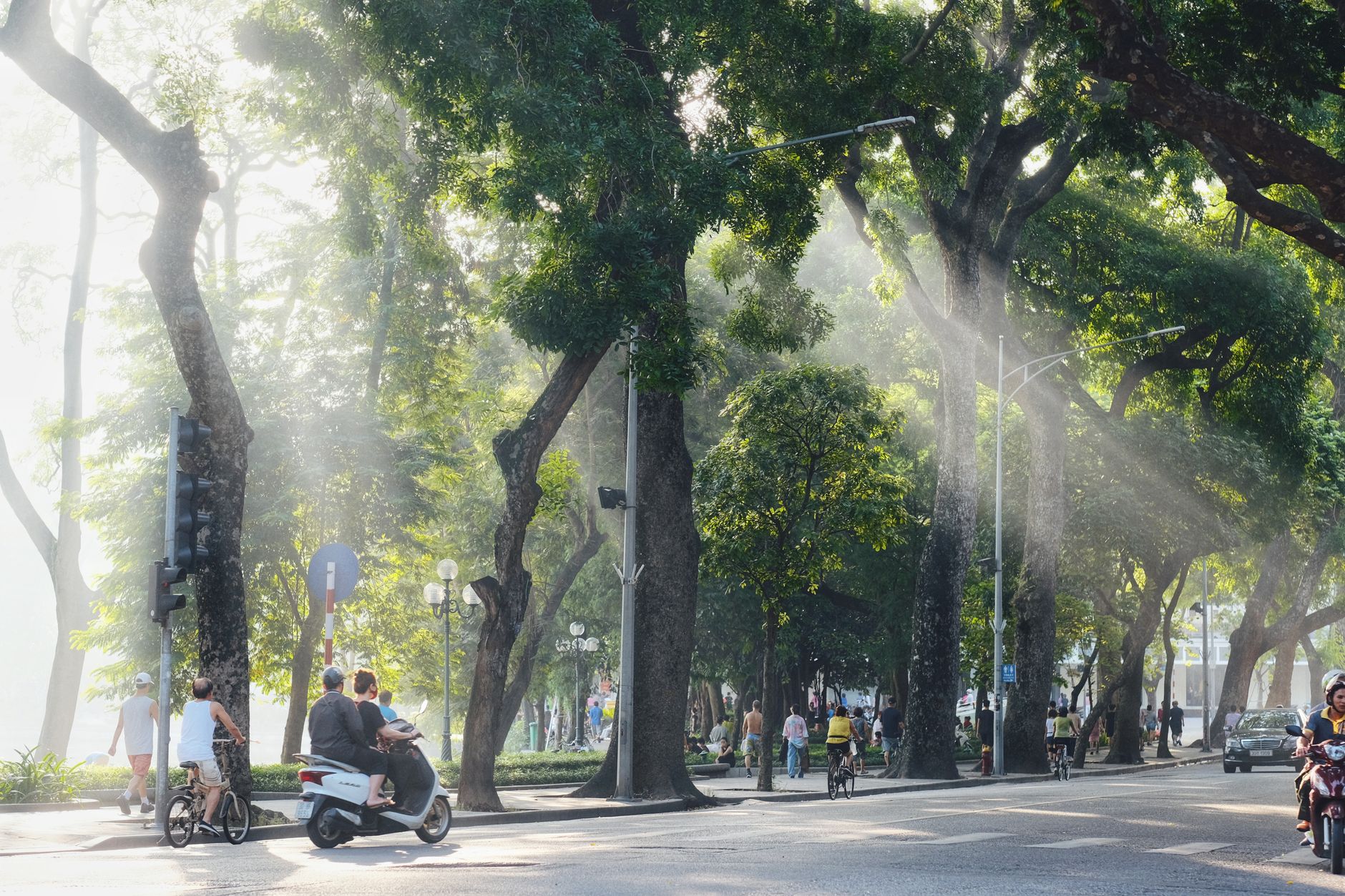
Photo by Minh Lê on Pexels
Day 6 — Da Nang and the Coastal Defense
Da Nang served as a major base during the conflict. Visit the Da Nang Museum of Cham Sculpture to understand the deep history of the region, then head to the outskirts to see the remnants of the former airbase. Spend your late afternoon at the beach, observing how the city has transformed from a military hub into a modern urban center. For dinner, try "banh xeo" at a street-side shop—the crispy, turmeric-infused crepes are a staple here.
Day 7 — The My Son Sanctuary
Take a morning trip to "My Son", the Champa ruins located in a valley surrounded by mountains. While the site is primarily known for its 4th to 14th-century brickwork, the area was heavily impacted by aerial bombing in 1969. You can still see craters and shrapnel damage on some of the structures, providing a layered view of how ancient history and modern conflict intersect in Vietnam.
Day 8 — Hoi An and the Merchant Legacy
Spend the day in Hoi An. While today it is a hub for tourism, its history as a trading port is fascinating. Walk the Ancient Town and visit the assembly halls. For lunch, hunt down a bowl of "cao lau", a noodle dish that can only be authentically made with water from a specific local well. In the evening, enjoy a "vietnamese coffee" by the river.
Photo by Minh Lê on Pexels
Day 9 — The Road to Phong Nha
Head north toward Phong Nha. This is a long travel day, but it allows you to see the changing landscape of the central provinces. Stop in the smaller towns along the way to observe daily life. Once in Phong Nha, prepare for the next day's exploration of the karst topography that provided natural cover during the war.
Day 10 — The Ho Chi Minh Trail
Spend your final day exploring the segments of the Ho Chi Minh Trail that run through the Phong Nha-Ke Bang National Park. The sheer scale of the logistical network that moved supplies through these mountains is difficult to grasp until you see the terrain in person. Visit the Dark Cave area, where the surrounding geography explains why this region was so difficult to monitor or control. Return to Da Nang or Hue for your departure.
Practical notes
History sites in Vietnam are best visited with a local guide who can provide context beyond the placards. Always carry a copy of your passport when visiting former military zones, as some areas may still require registration for entry.
Last updated · May 30, 2026 · independently researched, never sponsored.