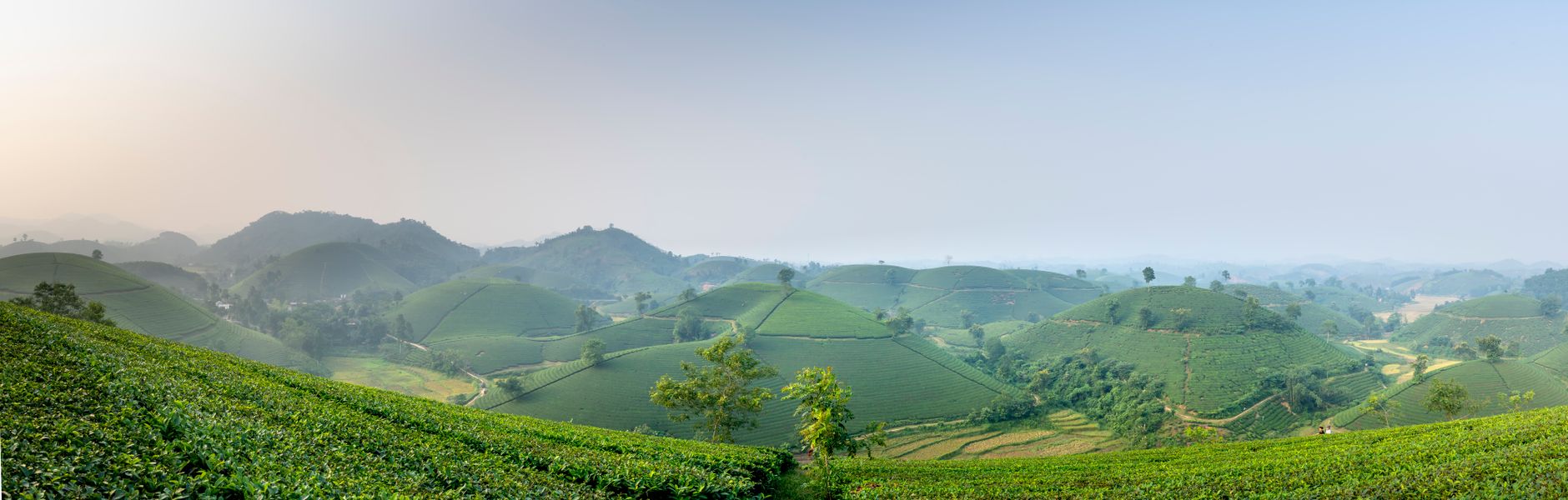
Kim Hy Nature Reserve sits on the northeastern edge of what is now Thai Nguyen province (the reserve was formerly administered under Bac Kan before the provincial merger). It covers roughly 15,000 hectares of limestone karst forest, and unless you're a Vietnamese biology student or a very determined hiker, you've probably never heard of it.
What it is
Kim Hy is one of Vietnam (베트남 / 越南 / ベトナム)'s special-use forests, designated to protect a stretch of limestone karst ecosystem in the northeast. The reserve spans a landscape of sharp ridgelines, deep valleys, and cave networks that have been forming for millions of years. It shelters several rare species — Francois' langur among them — and old-growth forest that hasn't been logged in decades.
The area is home to Tay and Dao ethnic communities who've lived in and around these valleys long before anyone drew a boundary on a map. Their villages dot the edges of the reserve, and the human element here is as much a reason to visit as the geography.
This isn't a national park with ticket booths and paved walkways. Kim Hy is raw, under-visited, and requires some effort. That's the point.
Why travelers go
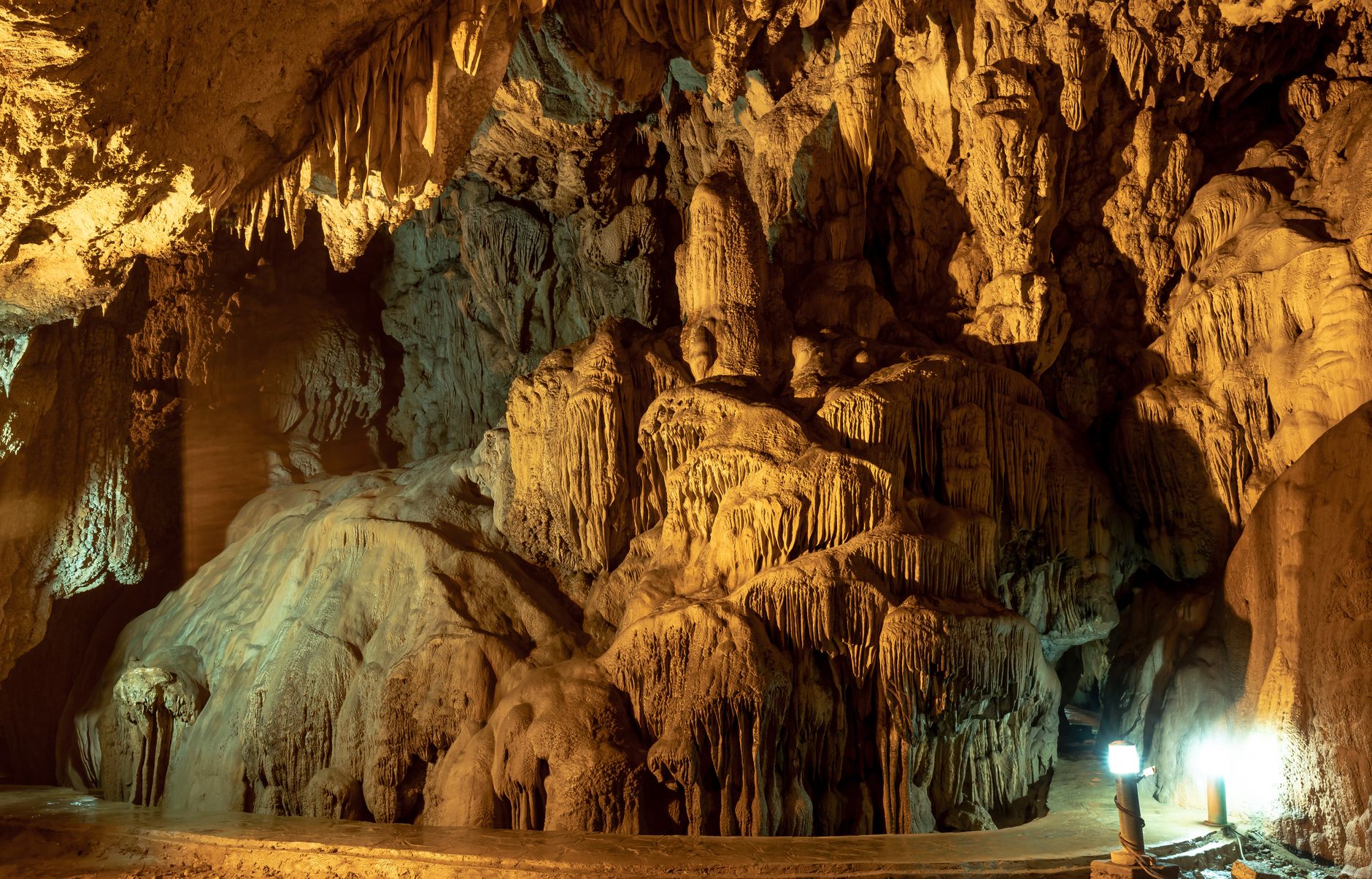
People come here for three reasons: the caves, the forest treks, and the quiet. If you've done Ha Long Bay and Ninh Binh (닌빈 / 宁平 / ニンビン) and want karst landscapes without sharing them with busloads of tourists, Kim Hy delivers. The cave systems are largely undeveloped — no colored lighting, no handrails, no speakers playing music. You walk in with a headlamp and a local guide, and that's it.
Birdwatchers and wildlife photographers also make the trip. The forest canopy is dense enough that you won't spot everything, but the birding is legitimately good, especially at dawn along the valley trails. And if you have any interest in how ethnic minority communities in the northeast actually live — not the performative version — the Tay villages near the reserve offer a grounded look.
Best time to visit
September through November is ideal. The monsoon rains taper off by mid-September, the forest is at peak green, and the air cools enough that long hikes don't wreck you. Temperatures hover around 20-25°C during the day.
December to February works too, but expect morning fog that can sit in the valleys until 10 or 11 a.m. — atmospheric if you like that, frustrating if you're trying to photograph anything. March through May is dry and warm, fine for caving but the forest looks a bit tired.
Avoid June through August if you can. Trails get slippery, leeches come out in force, and some paths become impassable after heavy rain.
How to get there
From Hanoi, the most practical route is to drive or take a bus to Thai Nguyen city first — about 80 km, roughly 1.5 hours by car or 2 hours by bus from My Dinh bus station (tickets around 80,000-100,000 VND). From Thai Nguyen city, you'll need to continue northeast toward the former Bac Kan area, specifically Na Ri district. This second leg is another 120-130 km and takes around 3 hours by motorbike or private car on provincial roads.
There's no direct public bus to the reserve entrance. Your realistic options are: rent a motorbike in Thai Nguyen city (150,000-200,000 VND/day), hire a car with driver (around 1,200,000-1,500,000 VND for a day trip from Thai Nguyen), or arrange transport through a local homestay in Na Ri.
The roads are paved but narrow in sections, with some loose gravel near the reserve. If you're not comfortable on a motorbike on mountain roads, get a driver.
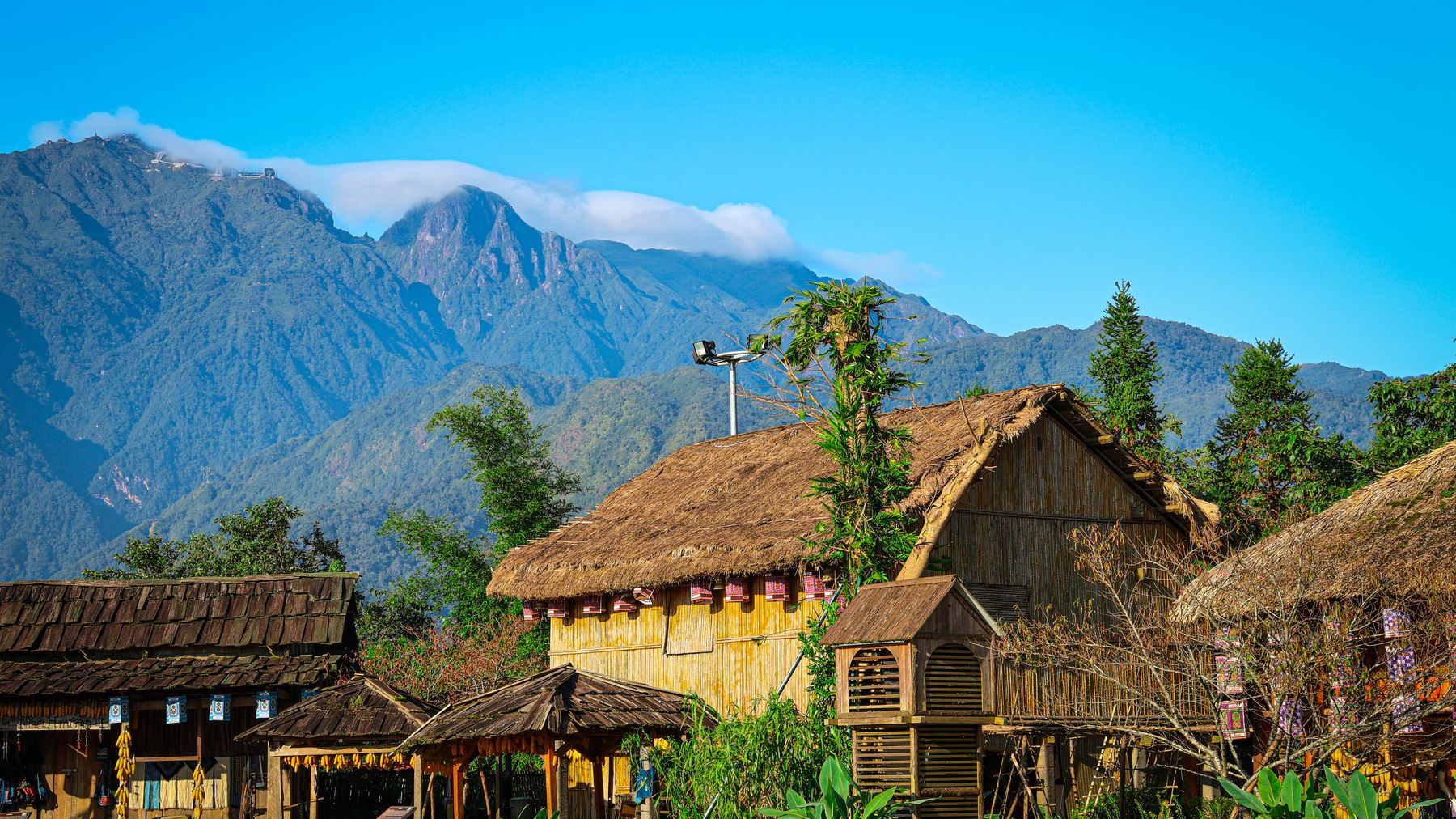
Photo by Haneul Trac on Pexels
What to do
Explore the cave systems
Kim Hy has multiple caves, some extending several hundred meters into the limestone. The most accessible ones are near the ranger station — ask for a guide there (around 200,000-300,000 VND for a half-day). Bring your own headlamp; the guides sometimes have extras, but don't count on it. The formations inside are genuinely impressive, and you'll likely be the only people there.
Trek the forest trails
Several trails run through the reserve's buffer zone and into the core area. The most popular route follows a valley floor for about 6 km before climbing to a ridgeline viewpoint. Allow 4-5 hours round trip. The trail isn't marked particularly well, so a local guide isn't optional — it's necessary. The ranger station can arrange one, or your homestay host will know someone.
Visit Tay and Dao villages
The villages along the reserve's southern edge are worth a half-day. Tay stilt houses here are the real thing — families live in them, not stage sets. If you visit during harvest season (October-November), you'll see rice being dried on every available flat surface. Be respectful, ask before photographing people, and buy something if a family offers handwoven textiles or local honey.
Birding at dawn
The forest edge near the river crossings is the best spot. Get there by 5:30 a.m. Species counts are high for a relatively small area, and the lack of motor traffic means you can actually hear what you're looking for.
Swim in the streams
During the dry months, several streams in the buffer zone have natural pools deep enough to swim in. Ask your guide — they'll know which ones are accessible and safe. The water is cold, even in April.
Where to eat nearby
Na Ri town, about 15 km from the reserve, has a handful of "com binh dan" (everyday rice) shops along the main road. Meals run 30,000-50,000 VND. Look for "thit trau gac bep" — smoked buffalo meat that's been dried above a wood fire. It's chewy, savory, and specific to this part of the northeast. Pair it with sticky rice and a bowl of bone broth.
If you're staying in a homestay, your host will almost certainly cook. Expect river fish, local greens, and "com lam" — sticky rice cooked inside bamboo tubes over charcoal. It's one of those things that tastes better than it has any right to.
Where to stay
There are no hotels at the reserve itself. Your options:
- Homestays near the reserve (Na Ri district): 150,000-300,000 VND per night, meals often included. Basic but clean. This is the best option for early starts.
- Guesthouses in Na Ri town: 200,000-400,000 VND. More privacy, less atmosphere.
- Hotels in Thai Nguyen city: If you want air conditioning and hot showers, stay in the city (400,000-800,000 VND) and make Kim Hy a long day trip — but you'll lose time on the road.

Photo by Quang Nguyen Vinh on Pexels
Practical tips locals would tell you
- Bring cash. There are no ATMs near the reserve and card payment doesn't exist out here.
- Pack a rain jacket regardless of season. Mountain weather shifts fast.
- Mosquito repellent is non-negotiable. The valley trails at dusk are intense.
- If you're visiting from Hanoi and have extra time, Thai Nguyen province is serious tea country. Pick up some "tra Thai Nguyen" (Thai Nguyen green tea) on your way back — it's among the best in Vietnam and costs a fraction of what it sells for in Hanoi.
- Learn a few Tay phrases if you can. Even "thank you" goes a long way in the villages.
Common mistakes to avoid
Don't show up without arranging a guide in advance. The ranger station isn't always staffed, especially on weekends, and wandering the reserve alone is both unsafe and technically not permitted in core zones. Call ahead or have your homestay arrange it.
Don't underestimate the drive from Thai Nguyen city. Three hours on provincial roads is tiring, especially on a motorbike. Leave early.
Don't expect phone signal inside the reserve. You'll have coverage in Na Ri town and at the reserve entrance, but once you're on the trails, you're off-grid. Download offline maps before you go.
Practical notes
Kim Hy isn't for everyone. If you need comfort, clear signage, and English-speaking staff, this isn't your trip. But if you want to see a part of northern Vietnam that most travelers — and most Vietnamese tourists — never reach, it rewards the effort. Budget two full days minimum: one for the drive and settling in, one for the reserve itself.
Last updated · May 29, 2026 · independently researched, never sponsored.