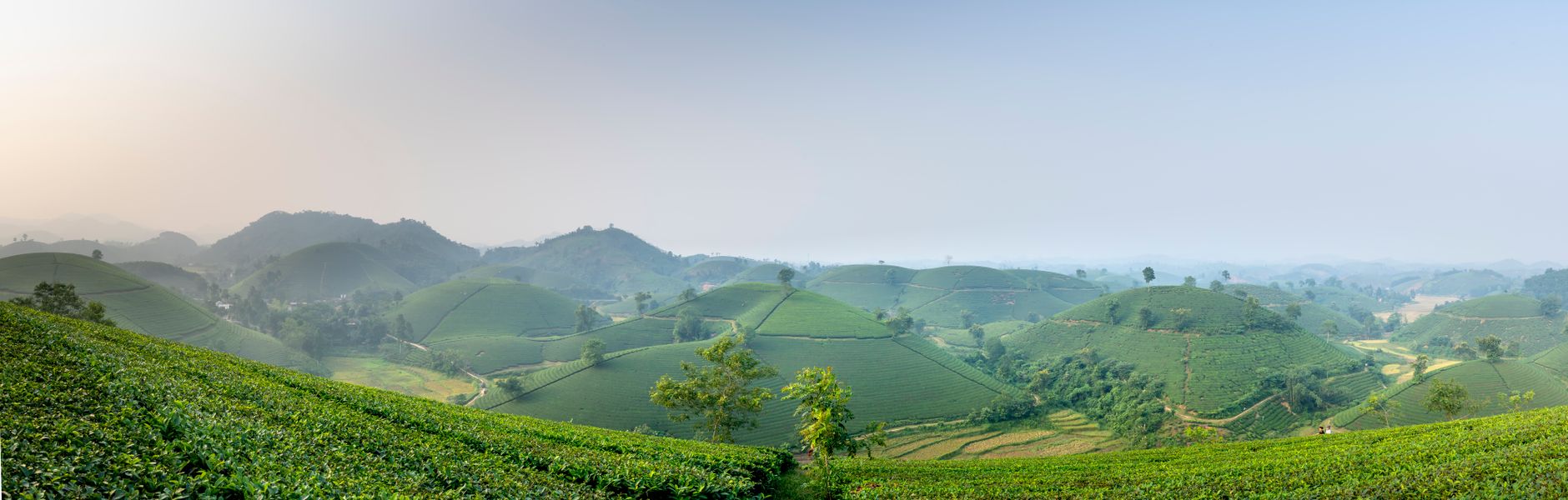
ATK Dinh Hoa sits about 50 km northwest of Thai Nguyen city, spread across forested hills and quiet valleys in what was once one of the most remote corners of northern Vietnam (베트남 / 越南 / ベトナム). It's a place where history lives in simple stilt houses, old tunnels, and paths through bamboo groves — not in grand monuments.
What it is and why it matters
ATK stands for "An Toan Khu," meaning Safe Zone. During the resistance war against the French (1946–1954), this area served as a base of operations for Vietnam's leadership. Ho Chi Minh (호치민 / 胡志明 / ホーチミン), Vo Nguyen Giap, and other key figures lived and worked here, coordinating efforts from thatched-roof huts deep in the jungle. The site covers a wide area across several communes in Dinh Hoa district, with individual points of interest scattered a few kilometers apart.
Today it's a national historical relic site. Think of it less as a single destination and more as a collection of preserved locations connected by forest roads — part open-air museum, part quiet countryside escape.
Why travelers go
Most visitors are Vietnamese, often on school trips or heritage tours. Foreign travelers are rare here, which is part of the appeal. If you've spent time in Hanoi visiting the Temple of Literature or the Imperial Citadel Thang Long, ATK Dinh Hoa offers a completely different register of Vietnamese history — rural, improvised, and close to the land. It's also genuinely peaceful. No crowds, no ticket queues, just forest trails and birdsong.
Best time to visit
September through November is ideal. The summer rains taper off, the air cools down, and the forest canopy is still thick and green. Temperatures hover around 22–27°C. March and April also work well — it's dry but not yet scorching. Avoid June through August if you can; the roads get muddy after heavy rain and the humidity is relentless. December and January can be surprisingly cold in these hills, dropping to 8–10°C at night.
How to get there from Hanoi
From Hanoi, take a bus from My Dinh bus station to Thai Nguyen city — roughly 80 km, about 1.5–2 hours, tickets around 80,000–100,000 VND. From Thai Nguyen city, you'll need to continue northwest to Dinh Hoa district. Local buses run to Dinh Hoa town (Cho Chu), about 50 km further, costing around 40,000–50,000 VND, but they're infrequent and slow.
The better option: rent a motorbike in Thai Nguyen city (150,000–200,000 VND/day) and ride up yourself. The road is paved and in reasonable condition. The ride takes about 1–1.5 hours and passes through tea plantations and small villages. If you're coming by car, hiring a driver from Hanoi direct to ATK runs about 1,500,000–2,000,000 VND round trip — worth it if you're splitting costs.

Photo by Quang Nguyen Vinh on Pexels
What to do
Ho Chi Minh's stilt house at Khuon Tat
This is the most visited spot in the complex. A modest wooden stilt house beside a stream where Ho Chi Minh lived and worked between 1947 and 1954. The setting is genuinely beautiful — a small clearing in the forest with old trees overhead. It takes maybe 20 minutes to walk around, but it sticks with you. Entry is free.
Vo Nguyen Giap's headquarters
A few kilometers from Ho Chi Minh's house, this site is where General Giap planned operations. The shelters here are built into hillsides, partially underground, with narrow connecting paths. It gives you a real sense of how improvised and precarious everything was. Also free entry.
Nui Hong tunnels
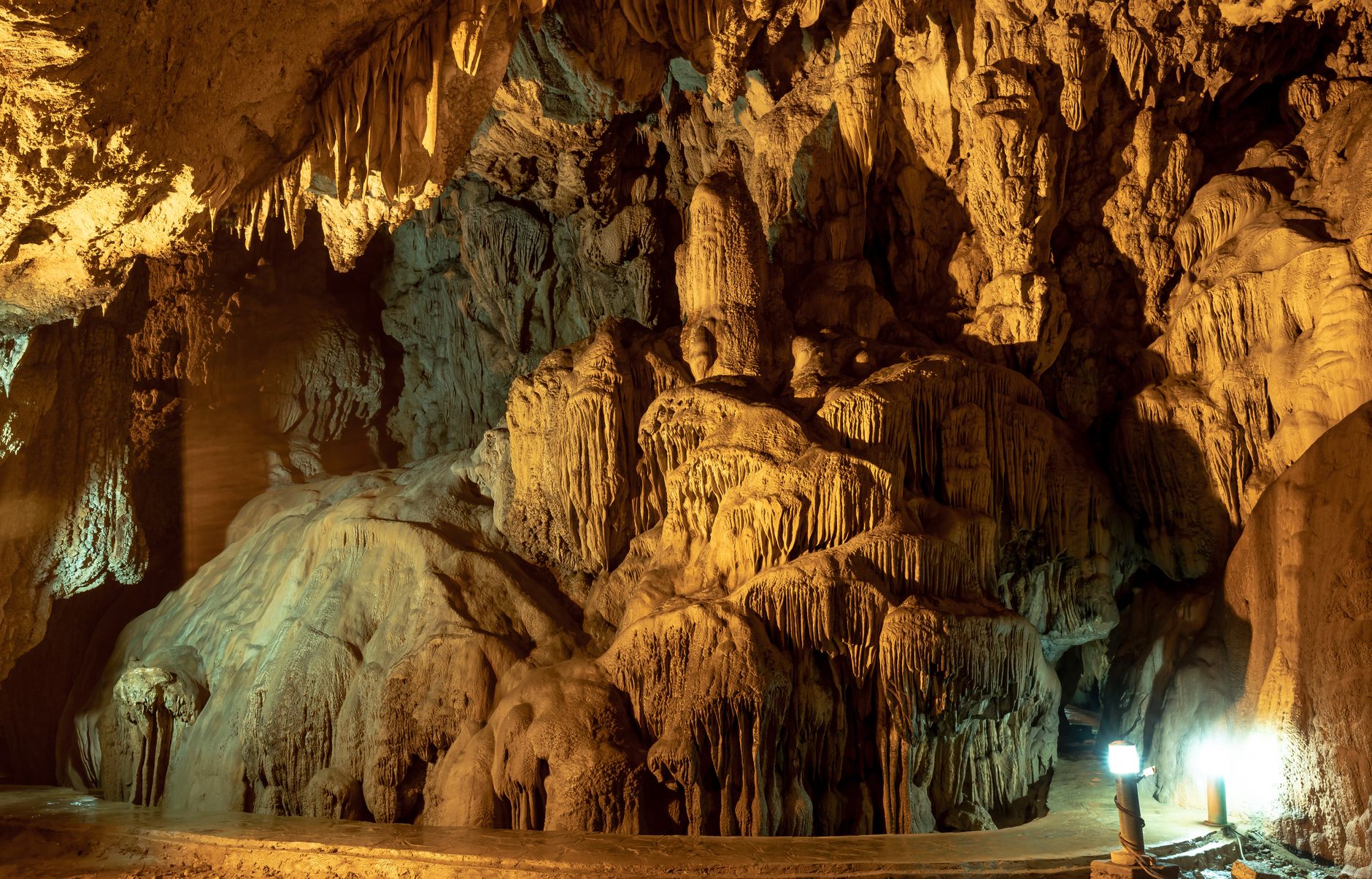
A network of tunnels carved into a limestone hill, used as emergency shelters and storage. They're short — maybe 60–70 meters total — but worth ducking into. Bring a phone flashlight. If you've visited the Cu Chi Tunnels near Saigon, these are smaller and less touristic, but historically just as significant for the northern campaign.
Tan Trao connection
Tan Trao, about 35 km east in neighboring Tuyen Quang province, is closely linked to ATK Dinh Hoa historically. If you have a full day and a motorbike, combining both sites makes a satisfying loop ride through the midlands. The "dinh" (communal house) at Tan Trao is a recognized national heritage site.
Tea plantations around Dinh Hoa
Thai Nguyen province produces some of Vietnam's best green tea, and Dinh Hoa has its share of small plantations. You can stop at roadside stalls and buy fresh tea directly — 100,000–200,000 VND for a generous bag. Drinking "tra Thai Nguyen" at the source, brewed strong in a small ceramic pot, is one of those simple pleasures that makes the trip north worthwhile.
Where to eat nearby
Don't expect restaurants. Dinh Hoa town (Cho Chu) has a handful of "com binh dan" (everyday rice) shops along the main road where a plate of rice with grilled pork, greens, and soup runs 35,000–50,000 VND. Look for "pho" stalls in the morning — the broth up here tends to be lighter and more herbaceous than Hanoi versions.
If you spot a vendor selling "com lam" — sticky rice cooked inside bamboo tubes over charcoal — grab one. It's a highland specialty and pairs well with grilled chicken or "nem chua" (fermented pork). A tube costs about 15,000–20,000 VND.
Where to stay
Dinh Hoa has a few basic guesthouses ("nha nghi") in Cho Chu town, charging 200,000–350,000 VND per night. Rooms are simple — expect a firm bed, a fan or basic AC, and hot water that works most of the time. There's no resort or boutique option here.
Alternatively, stay in Thai Nguyen city where you'll find proper hotels in the 400,000–800,000 VND range with reliable amenities, and day-trip to ATK. This is what most visitors do.
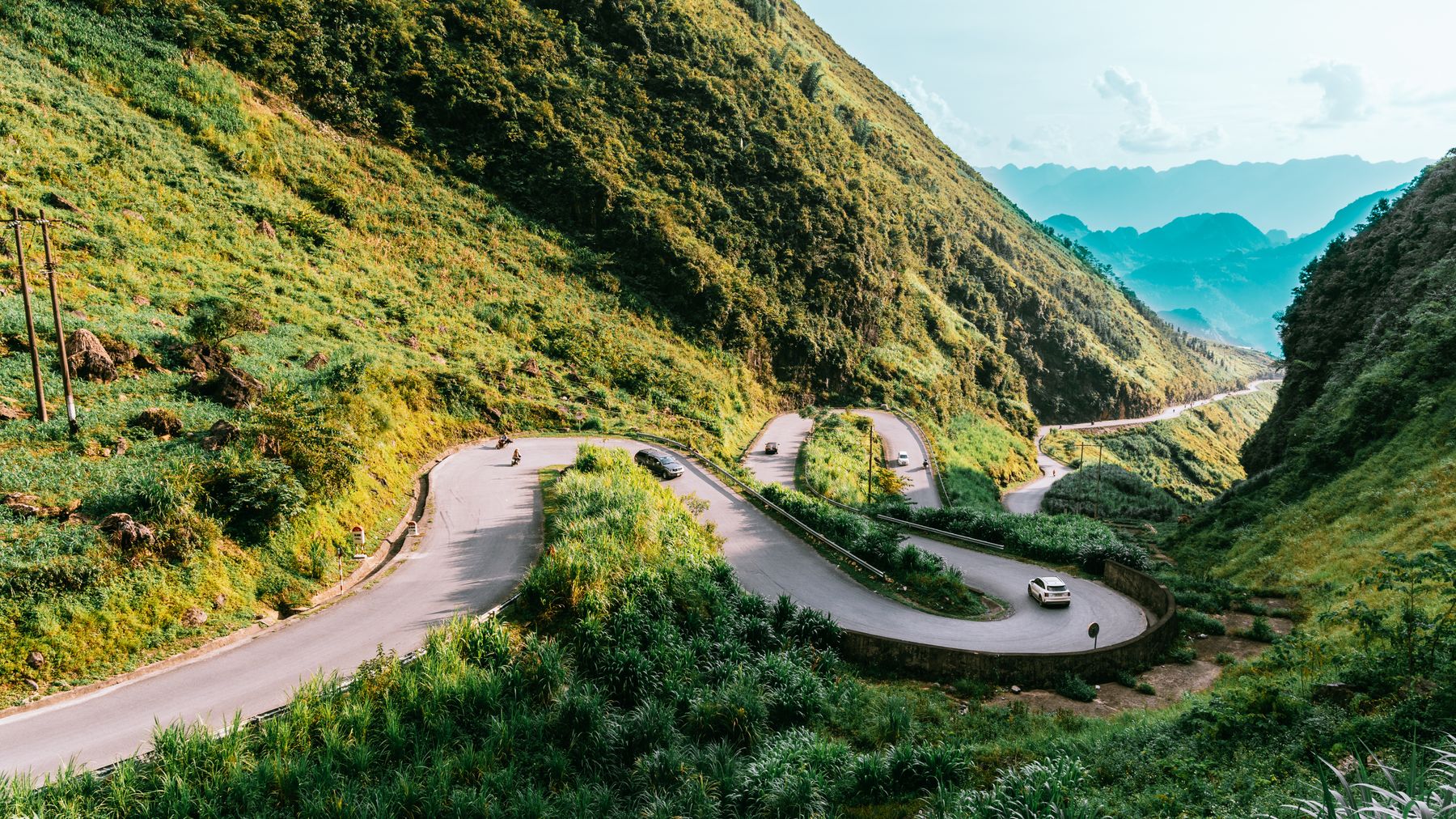
Photo by Nguyễn Sơn Tùng on Pexels
Practical tips locals would tell you
- Bring cash. There are no ATMs in the ATK area itself. Load up in Thai Nguyen city before you head out.
- Wear proper shoes. The paths between sites are dirt and stone, often uneven. Sandals won't cut it after rain.
- Carry water and snacks. There's very little commerce between sites — just forest and road.
- Start early. The sites are spread out over 10–15 km. Give yourself a full morning at minimum, ideally a whole day if combining with Tan Trao.
- Vietnamese language helps. Signage exists but explanatory panels are mostly in Vietnamese. A translation app or a basic phrasebook goes a long way.
Common mistakes to avoid
The biggest one: treating ATK Dinh Hoa like a single attraction you can knock out in an hour. The sites are dispersed. People show up, see one house, and leave thinking that's all there is. Budget time to move between locations and actually walk the trails.
Second mistake: coming without your own transport. Public transit to and within the ATK area is unreliable. A motorbike or hired car is essentially mandatory for a decent experience.
Practical notes
ATK Dinh Hoa isn't a polished tourist site — it's quiet, understated, and rewards patience. Pair it with a night in Thai Nguyen city for the tea culture and "com tam" street food scene, and you've got a genuinely interesting one- or two-day side trip from Hanoi that almost no foreign travelers bother with.
Last updated · May 29, 2026 · independently researched, never sponsored.