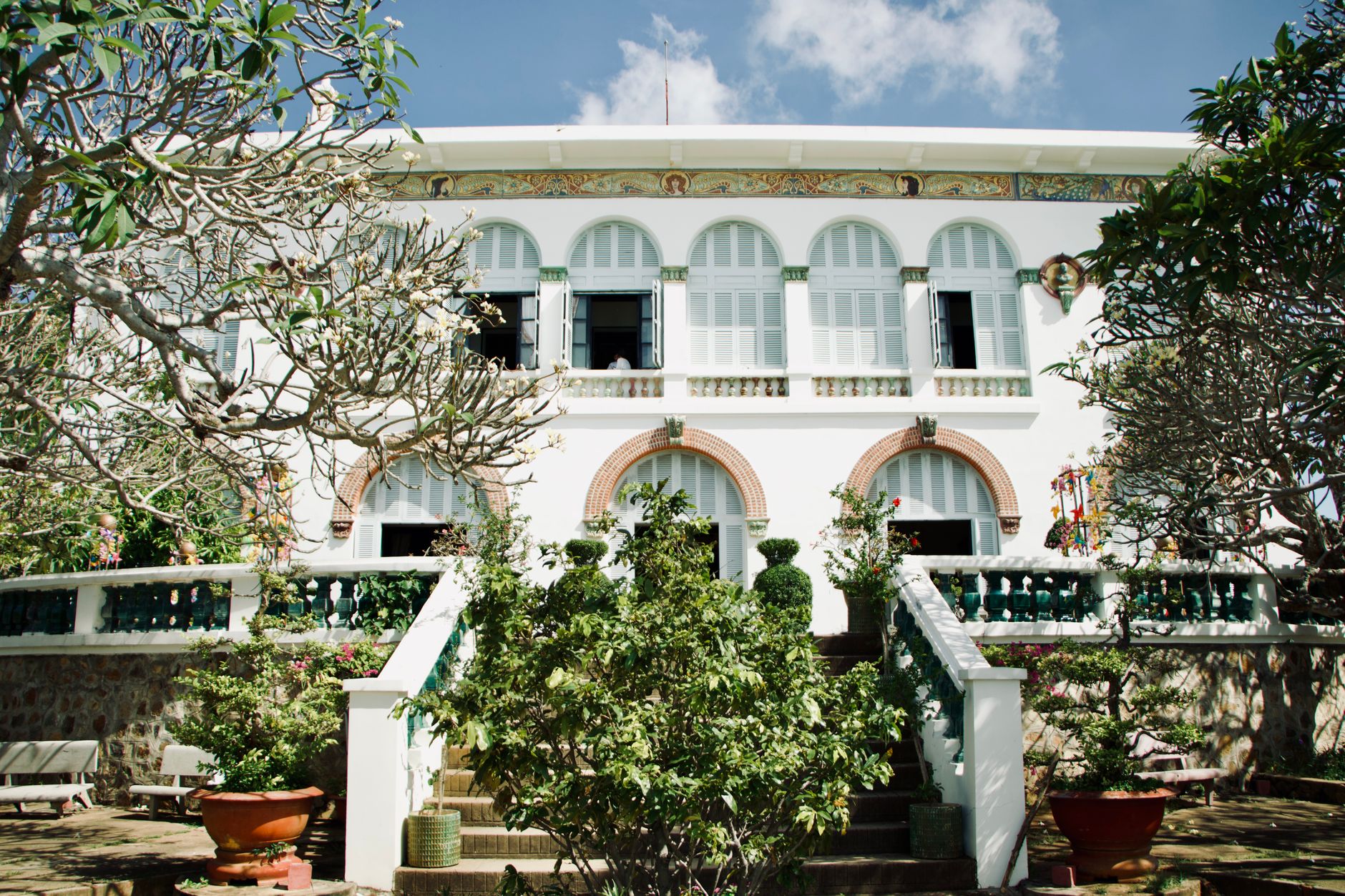
Kinh Thanh Hue — the Imperial Citadel of Hue — is the single site that defines this city. It's a walled fortress complex covering over 500 hectares on the north bank of the Perfume River, and it served as the seat of the Nguyen Dynasty from 1802 to 1945. If you visit Hue and skip this, you've missed the point.
What it is and why it matters
The citadel is actually three structures nested inside each other like Russian dolls. The outermost ring is Kinh Thanh, the capital city walls. Inside that sits Hoang Thanh, the Imperial Enclosure where the court conducted its business. And at the very center is Tu Cam Thanh, the Forbidden Purple City — once reserved exclusively for the emperor and his household.
Construction started under Emperor Gia Long in 1803 and continued for decades. The complex drew from both Vauban-style French military fortification and traditional Vietnamese feng shui principles. The citadel faces the Perfume River and is oriented to Nui Ngu Binh (Ngu Binh Mountain) as its spiritual screen. Much of the Forbidden Purple City was destroyed during the 1968 Tet Offensive, but ongoing restoration work means there's more to see now than there was even five years ago.
UNESCO listed it as a World Heritage Site in 1993, and it remains the most significant example of imperial architecture in Vietnam (베트남 / 越南 / ベトナム).
Why travelers go
This isn't a single temple or a single palace — it's an entire walled city. You walk through massive gates, cross moats, wander pavilion halls, and find yourself in courtyards that once held thousands of mandarins during royal audiences. The Thai Hoa Palace (Hall of Supreme Harmony) alone, with its 80 carved and lacquered columns, justifies the entry ticket. The scale of the place is what gets you — it takes a full morning to cover properly, and most people wish they'd budgeted more time.
Best time to visit
Hue's weather is its own thing, separate from both Hanoi (하노이 / 河内 / ハノイ) and Saigon. The best window is February through April — warm but not yet brutal, and past the worst of the rainy season. September through November brings serious rain; the citadel's courtyards flood, and some areas close temporarily. Summer (May–August) is hot, often 38°C+, and shade inside the walls is limited. If you visit in summer, start at 7:30 AM when the gates open and be done by 11.
The citadel also hosts evening light shows and special events during Hue Festival (held every two years, typically in April or June) — worth timing your trip around if the dates align.
How to get there
If you're coming from Da Nang, the most common route is a 2–2.5 hour drive north on the AH1 highway. Options:
- Train: Da Nang to Hue, about 2.5 hours, 60,000–120,000 VND depending on seat class. The route crosses the Hai Van Pass — one of the best train rides in the country.
- Private car/taxi: Around 1.2–1.5 million VND one way. Grab works for this route.
- Motorbike: Roughly 100 km. The Hai Van Pass section is famous among riders, but budget 3+ hours with stops.
From Hoi An, add another 30 minutes to the Da Nang times. Direct buses run from Hoi An to Hue for about 120,000–150,000 VND.
Once in Hue, the citadel is impossible to miss — it dominates the north side of the river. From most hotels in the tourist area south of the Perfume River, it's a 10-minute taxi ride (about 30,000–50,000 VND) or a pleasant 20-minute walk across Truong Tien Bridge.

Photo by Quang Nguyen Vinh on Pexels
What to do inside
Walk the Ngo Mon Gate and Thai Hoa Palace
Ngo Mon (the Noon Gate) is the main southern entrance and the most photographed structure in Hue. Climb to the upper pavilion — the Five Phoenix Watchtower — for a view down the central axis of the complex. From here, walk straight through to Thai Hoa Palace, where the emperor held formal court. The interior woodwork is original Nguyen Dynasty craftsmanship.
Explore the Forbidden Purple City ruins
Most of Tu Cam Thanh was destroyed, but the remaining foundations, partial structures, and restored buildings give you a real sense of the layout. The Royal Theatre (Duyet Thi Duong), rebuilt in 2004, sometimes hosts "water puppetry" performances — check at the ticket office for showtimes.
Visit the Dynastic Urns and The Mieu Temple
Nine massive bronze urns sit in front of The Mieu, the temple honoring Nguyen emperors. Each urn weighs between 1,500 and 2,600 kg and is engraved with landscapes, rivers, plants, and animals representing Vietnam's geography. They're easy to walk past quickly, but spend a few minutes looking at the detail — the craftsmanship is remarkable.
Rent a bicycle and circle the outer walls
The citadel's outer walls stretch about 10 km in circumference, surrounded by a wide moat. Renting a bicycle (40,000–60,000 VND/day from most hotels) and riding the perimeter gives you a perspective most visitors miss entirely. The northeast corner near the Chanh Tay and Chanh Bac gates is particularly quiet.
Catch sunset from the flag tower
Cot Co Hue (the Flag Tower) stands in front of Ngo Mon Gate. The area around its base, facing the river, fills up with locals in the early evening. It's a good place to sit after your visit.
Where to eat nearby
Hue is arguably Vietnam's best food city, and the area around the citadel doesn't disappoint. "Bun bo Hue" — the spicy, lemongrass-heavy beef noodle soup that originated here — is non-negotiable. Try it at Bun Bo Hue O Phuong on Nguyen Du Street, about a 5-minute walk from the citadel's east gate. A bowl runs 35,000–45,000 VND.
For "banh canh" (thick tapioca noodle soup), head to the cluster of stalls on Chi Lang Street. The cua (crab) version is the local favorite. And if you want a proper sit-down meal, Hanh Restaurant on Pho Duc Chinh Street does excellent "com hen" (baby clam rice) and other Hue royal-cuisine dishes at reasonable prices.
Where to stay
Most travelers stay south of the Perfume River in the backpacker/tourist strip along Le Loi and Pham Ngu Lao streets.
- Budget: Hostels and guesthouses run 150,000–350,000 VND/night.
- Mid-range: Boutique hotels along the riverfront go for 600,000–1,200,000 VND/night, often with citadel views from the rooftop.
- Upscale: The Azerai and Pilgrimage Village sit outside the center but offer a different pace, from about 2,500,000 VND/night.

Photo by Quang Nguyen Vinh on Pexels
Practical tips
- Ticket price: 200,000 VND for adults (as of 2024). A combo ticket covering the citadel plus the Tomb of Tu Duc and Tomb of Khai Dinh costs 530,000 VND and is valid for two days — worth it if you're spending more than a day in Hue.
- Time needed: Budget 2.5–3 hours minimum inside the citadel walls. Rushing it in an hour, which tour groups often do, means you'll see the highlights but miss the atmosphere.
- Hire a guide or don't: Freelance guides cluster near Ngo Mon Gate and charge about 300,000–500,000 VND for a 2-hour tour. The context they provide is genuinely useful — the buildings don't explain themselves well without it. Audio guides are also available at the ticket office.
- Wear shoes you can walk in: The grounds are large, partly unpaved, and you'll cover 3–5 km easily. Flip-flops on gravel gets old fast.
Common mistakes
- Only visiting the citadel: The tombs south of the city — particularly the Tomb of Tu Duc and Tomb of Khai Dinh — are equally important to understanding Hue. Don't treat the citadel as the whole story.
- Visiting midday in summer: There's almost no shade in the main courtyards. Heatstroke is a real risk.
- Skipping the east and west sides: Most visitors walk the central axis (Ngo Mon → Thai Hoa → Forbidden City) and leave. The gardens, smaller temples, and military structures on the flanks are where you get the citadel mostly to yourself.
Practical notes
Hue works well as a two-day stop between Da Nang and points north. The citadel anchors day one; the royal tombs and Thien Mu Pagoda fill day two. If you only have one day, start early at the citadel, then head to the tombs after lunch — it's tight but doable.
Last updated · May 29, 2026 · independently researched, never sponsored.