What it is
Tan Trieu is a small agricultural village in Vinh Cuu district, Dong Nai province, about 30 km northeast of Saigon. It sits along the Dong Nai River and has been growing pomelos — "buoi" in Vietnamese — for well over a century. The village's specialty is "buoi tan trieu," a green-skinned pomelo variety with pink, sweet-tart flesh and almost no seeds. It earned a national trademark back in 2007, which is a big deal for a village of fruit farmers.
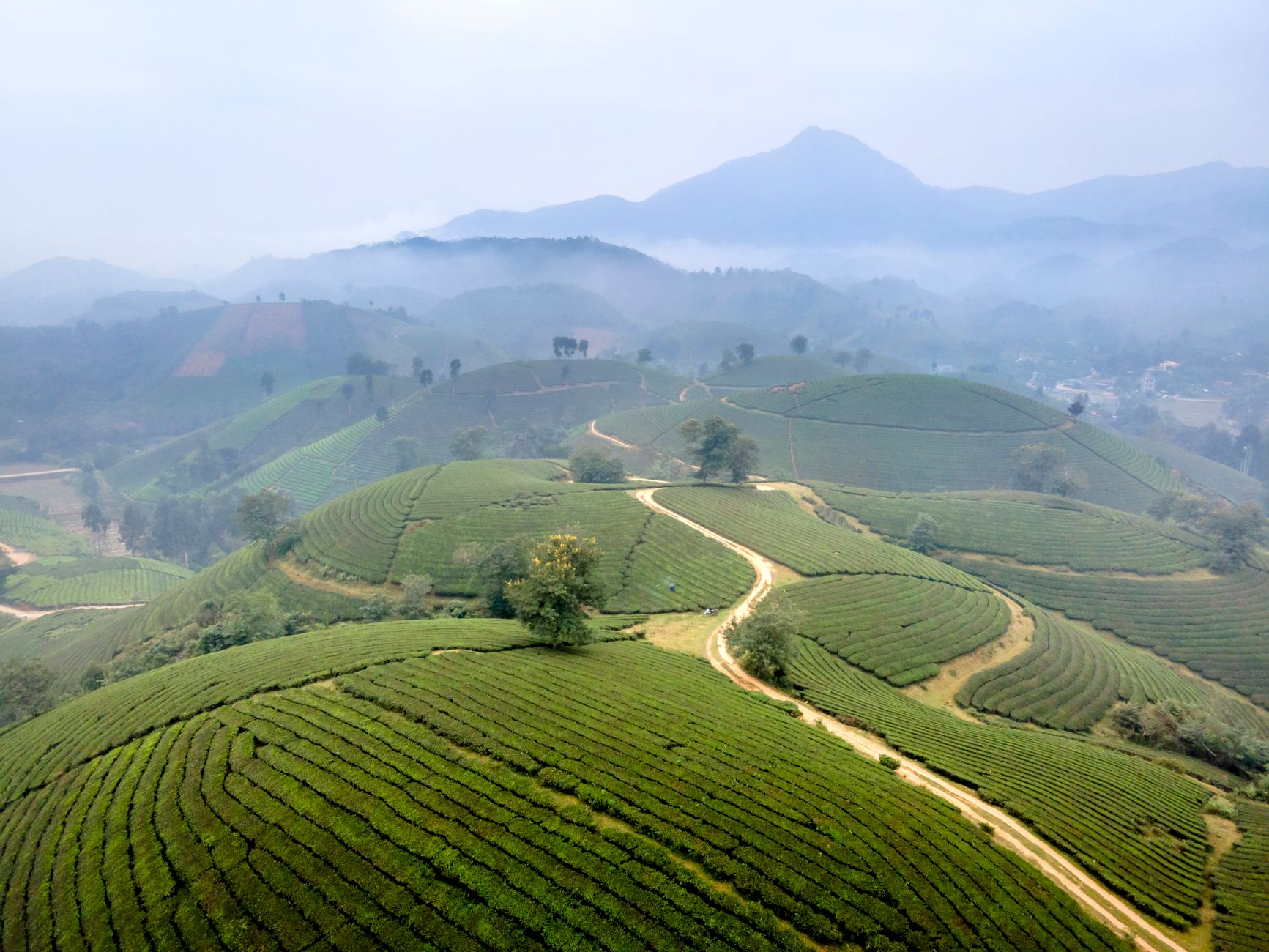
The area around Tan Trieu is classic southern Vietnamese river country: flat, green, threaded with canals, and dotted with fruit orchards. If you've done the Mekong Delta (메콩 델타 / 湄公河三角洲 / メコンデルタ) circuit and want something similar but closer to Saigon and far less touristed, this is it.
Why travelers go
Most visitors come for the orchards themselves. You can walk through pomelo gardens, pick fruit directly from the trees, and buy it at farm-gate prices — roughly 30,000–60,000 VND per fruit depending on size and season, compared to 80,000–120,000 VND at Saigon (사이공 / 西贡 / サイゴン) supermarkets. But beyond the fruit, Tan Trieu offers a genuine look at rural southern life without the packaged eco-tourism feel you get at more commercial orchard destinations. There are no ticket booths. Farmers just wave you in.
It also works well as a half-day stop if you're heading north from Saigon toward Cat Tien National Park or the Central Highlands.
Best time to visit
Pomelo season runs from roughly August to November, peaking around September and October. This is when the fruit is ripe on the trees and the orchards are at their most photogenic — heavy branches propped up with wooden stakes, fruit hanging in clusters. Visit during this window and you'll also catch farmers sorting and packing pomelos for market, which is interesting to watch.
You can visit year-round, but outside the harvest season the orchards are just green trees without much to see. The months around Tet (January–February) bring a second, smaller harvest of some varieties, and the village gets festive as locals buy pomelos as traditional Tet offerings.
Avoid weekends in October if you dislike crowds — that's when Saigon day-trippers descend in groups.
How to get there from Saigon
Tan Trieu is about 30 km from central Saigon, reachable in 45 minutes to 1.5 hours depending on traffic.
By motorbike or car
Take National Highway 1A north toward Bien Hoa, then turn off toward Vinh Cuu district. The village is signposted once you're in the area. A Grab car from District 1 runs about 250,000–350,000 VND one way. If you rent a motorbike — the better option for flexibility — fuel costs are negligible for 30 km.
By bus
Catch a bus from Saigon's Mien Dong bus station toward Bien Hoa (around 20,000–30,000 VND), then take a local "xe om" (motorbike taxi) or Grab the remaining 10–15 km to Tan Trieu. Total cost under 100,000 VND, but it's slower and less convenient.
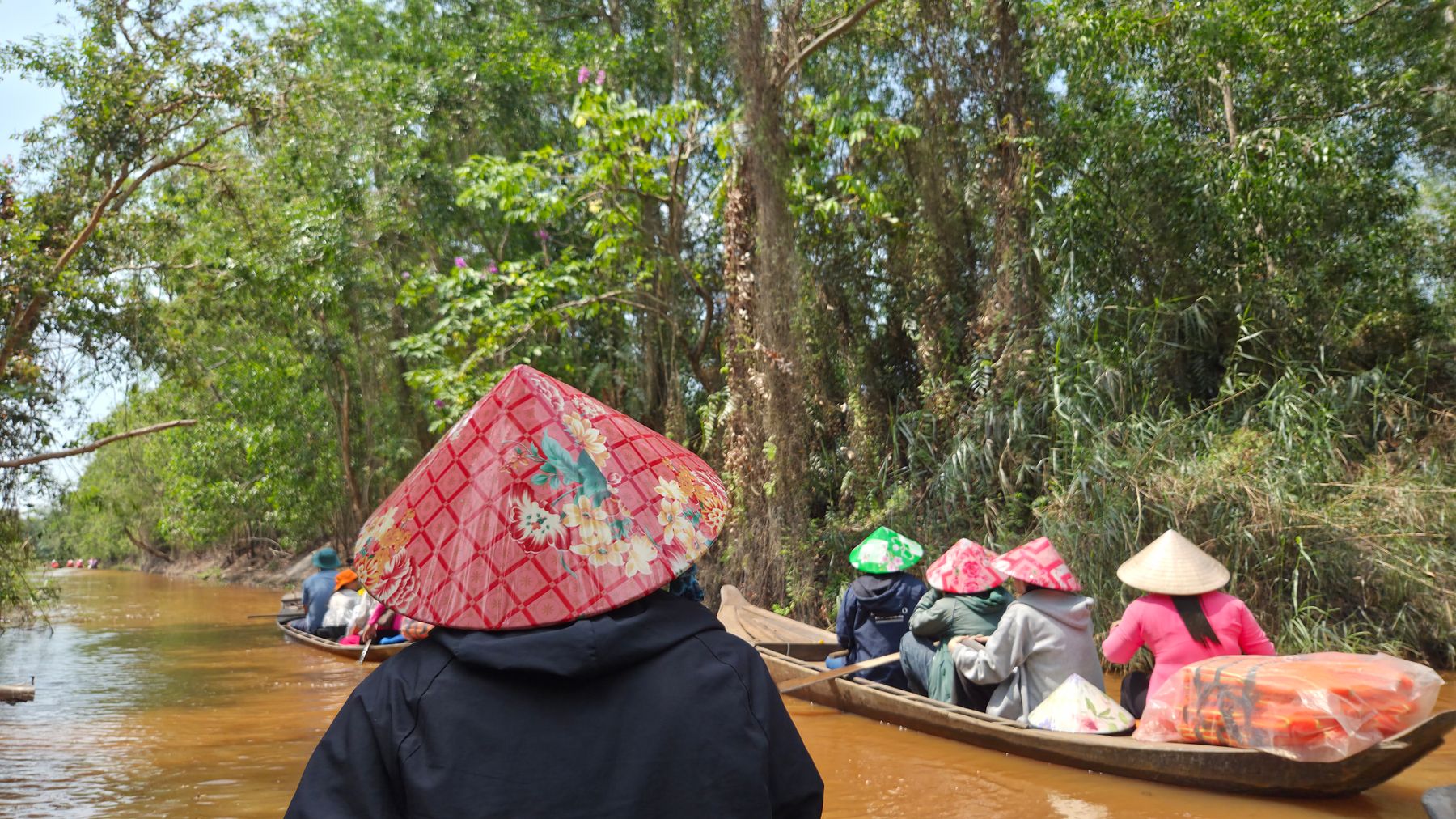
Photo by Nhẫn Nguyễn on Pexels
What to do
Walk the pomelo orchards
The main activity. Several family-run orchards welcome visitors — just ask at any house with a gate open onto rows of pomelo trees. Most farmers are happy to show you around and explain the grafting and irrigation techniques that make Tan Trieu pomelos different from the Mekong varieties. There's no entry fee at most gardens, though buying a bag of fruit on your way out is the polite move.
Visit the Dong Nai riverbank
The village sits right on the river. Walk down to the bank for views of the water and the ferry crossings that still operate here. In the early morning, fishermen pull in nets — it's a calm, unscripted scene. If you're into photography, the light on the river around 6:30–7:00 AM is excellent.
Try pomelo-based local products
Villagers have gotten creative with their crop. Look for "mut buoi" (candied pomelo peel), pomelo-flower honey, pomelo essential oil, and pomelo-rind tea. These make lightweight, packable souvenirs. A jar of candied peel runs 40,000–70,000 VND.
Cycle through the village
If you brought a bicycle or can borrow one from your accommodation, the flat roads through Tan Trieu and neighboring hamlets are ideal for a slow ride. The route along the river, past jackfruit and rambutan orchards mixed in with the pomelos, covers about 5–8 km and takes an hour at a relaxed pace.
Stop at Buu Long pagoda complex nearby
About 15 km south toward Bien Hoa, Buu Long is a large Buddhist temple complex built in a Thai-inspired style, sitting on a hill above a lake. It's free to enter, architecturally unusual for southern Vietnam, and worth 30–45 minutes if you're passing through.
Where to eat nearby
Tan Trieu itself doesn't have restaurants targeting visitors. Eating here means roadside "quan com" (rice shops) and local noodle spots.
Seek out "banh canh" — thick tapioca-flour noodles in pork bone broth, often served with crab or shrimp. Dong Nai does a good version of this dish. A bowl costs 30,000–45,000 VND at any roadside shop in Vinh Cuu.
For something more substantial, head into Bien Hoa city (20 minutes by motorbike) where you'll find "com tam" shops on nearly every block — broken rice with grilled pork, a fried egg, and pickled vegetables. Bien Hoa's com tam is solid southern comfort food, priced at 35,000–50,000 VND per plate.
If you time your visit for the morning, grab a "ca phe sua da" at any local cafe. Dong Nai province grows robusta coffee, so the beans are often sourced from just up the road.
Where to stay
Tan Trieu has limited accommodation. A few homestays have appeared in recent years, charging 200,000–400,000 VND per night for basic rooms with fans or air conditioning. Don't expect hotel amenities — these are family homes with a spare room.
For more comfort, stay in Bien Hoa, where budget hotels run 300,000–500,000 VND and mid-range options with pools go for 600,000–1,000,000 VND. Alternatively, treat Tan Trieu as a day trip from Saigon and skip the overnight entirely.

Photo by Hưng Hoàng on Pexels
Practical tips locals would tell you
- Bring cash. No one in the village takes cards. ATMs are back in Bien Hoa.
- Wear closed shoes. Orchard paths are uneven dirt, sometimes muddy after rain. Flip-flops won't cut it.
- Arrive early. By 10:00 AM in harvest season, the heat is serious and the orchards become uncomfortable. Start by 7:00–8:00 AM.
- Ask before picking. Most farmers are generous, but walking into an orchard and pulling fruit off trees without asking is rude. A greeting and a gesture toward the fruit is enough — most will hand you a knife and let you choose.
Common mistakes to avoid
- Coming outside harvest season and expecting ripe fruit. If you visit in March, you'll see green trees and not much else. Time it for September–October.
- Relying on public transport for the last stretch. Buses get you to Bien Hoa, not to the village. Have a Grab or xe om plan for the final leg.
- Treating it like a full-day destination. Tan Trieu is genuinely small. Two to three hours covers the orchards and riverbank. Pair it with Buu Long or a Bien Hoa food crawl to fill a day.
- Skipping the candied peel. Seriously, "mut buoi" from Tan Trieu is better than anything you'll find packaged in Saigon. Buy a jar.
Practical notes
Tan Trieu works best as a morning side trip from Saigon, ideally in September or October. It's not a place with a checklist of sights — the appeal is the pace, the fruit, and the unpolished rural atmosphere 45 minutes from a city of ten million people. Come hungry, bring cash, and leave with pomelos.
Last updated · May 29, 2026 · independently researched, never sponsored.