Chua Duc Hanh is one of those temples that doesn't appear on the standard tourist circuit but rewards anyone willing to make the trip. Sitting in the northeastern part of Dong Nai province — in an area that was formerly part of Binh Phuoc before the recent administrative merger — it's a working Buddhist pagoda surrounded by the kind of quiet, green countryside that feels increasingly rare in southern Vietnam (베트남 / 越南 / ベトナム).
What It Is and How It Got Here
Chua Duc Hanh is a Mahayana Buddhist temple that has served its local community for decades. It's not an ancient monument on the scale of Hue's imperial pagodas or the heritage sites around Ninh Binh (닌빈 / 宁平 / ニンビン), but that's part of the appeal. This is a lived-in place of worship, not a museum. The temple compound includes a main prayer hall, a courtyard with a large Quan Am (Avalokitesvara) statue, gardens, and a modest bell tower. The architecture blends southern Vietnamese temple style — colorful ceramic mosaics, tiered roofs with dragon finials — with more modern construction. Monks and nuns live on the grounds and maintain the complex year-round.
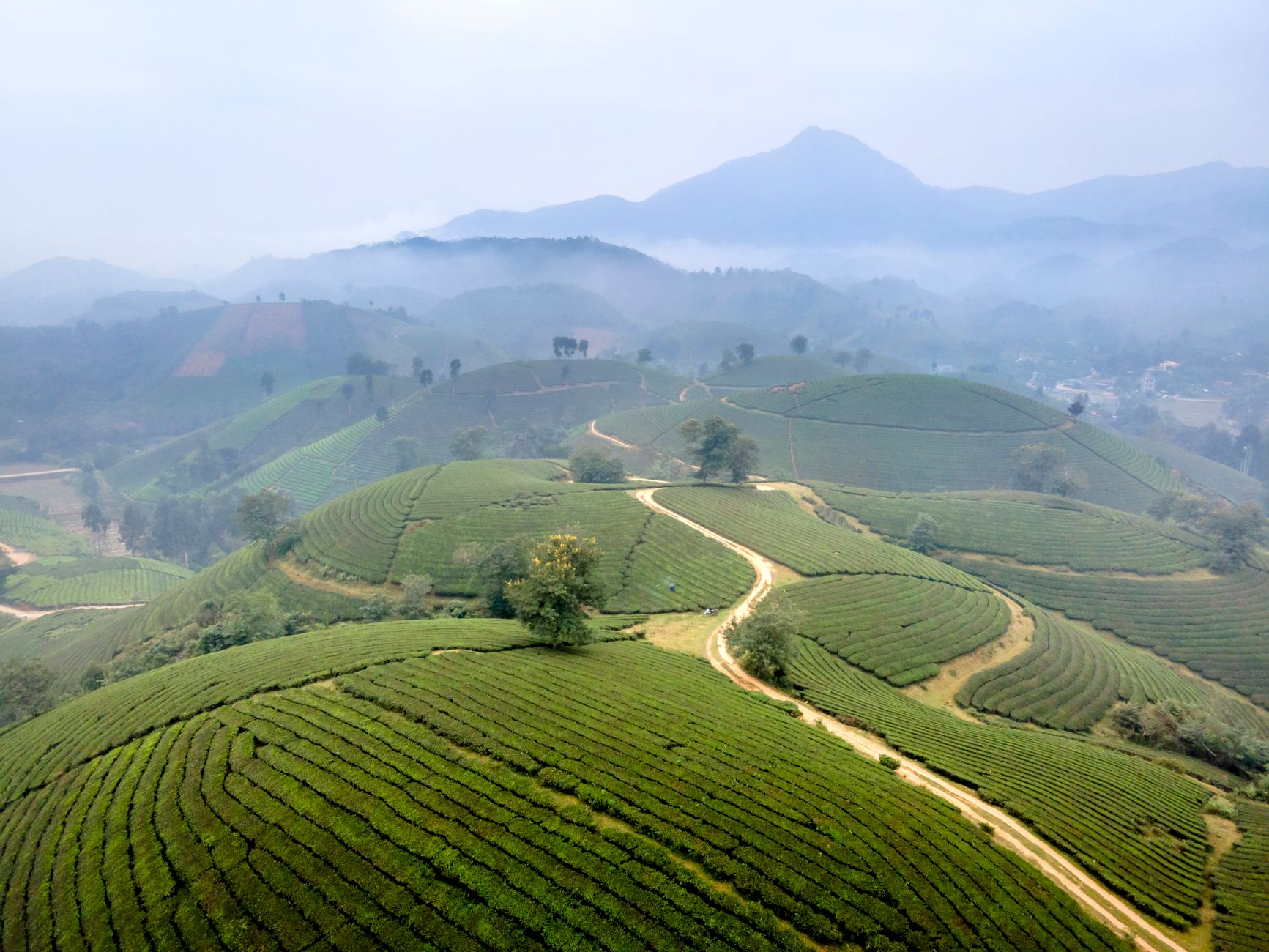
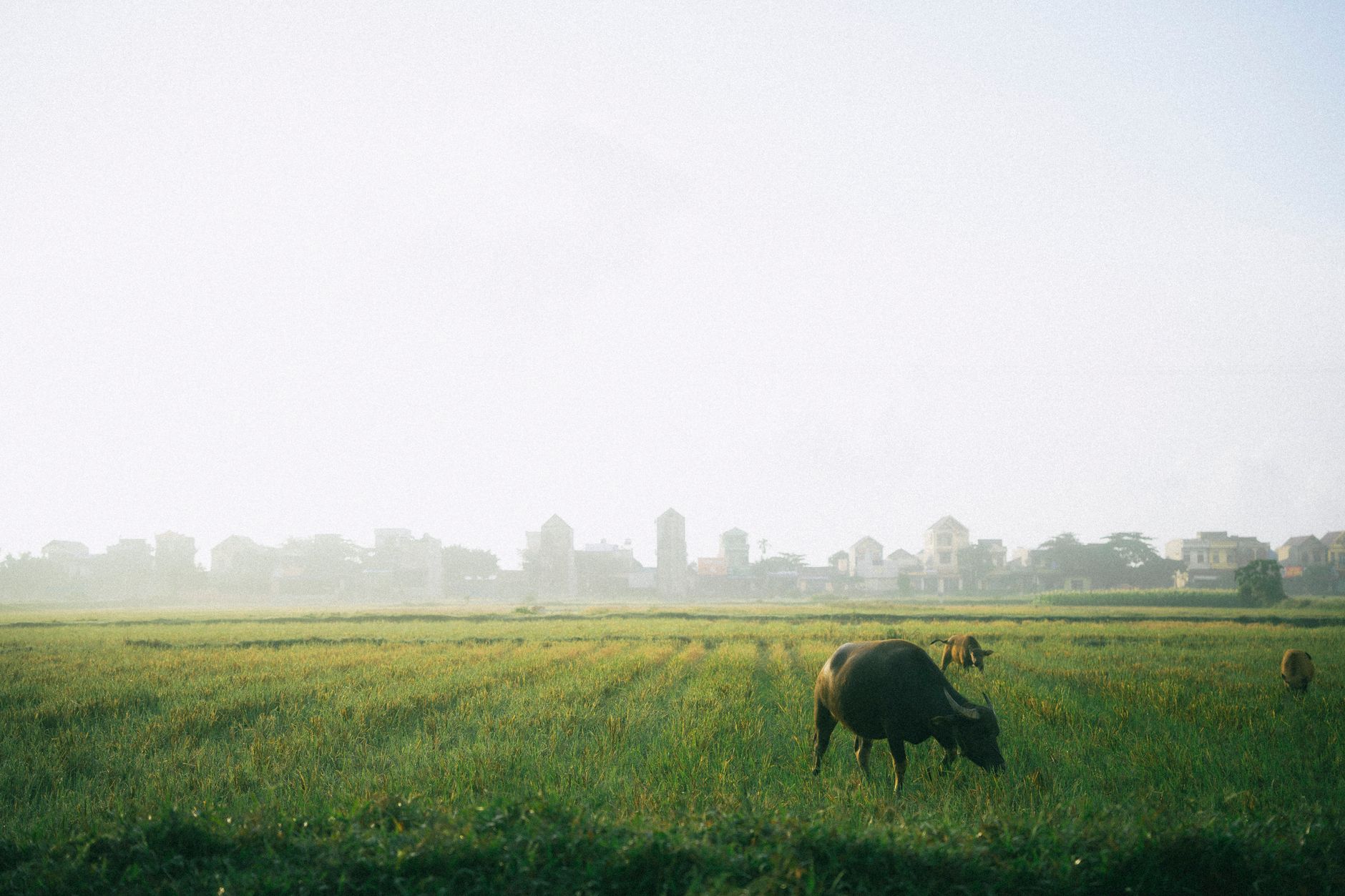
The surrounding area is characterized by rubber plantations, cashew orchards, and laterite roads that turn a vivid orange-red during dry season. If you've spent all your time in Saigon or along the coast, this feels like a different country.
Why Travelers Go
Most visitors fall into two camps. The first is Vietnamese Buddhists making pilgrimages or attending prayer ceremonies, especially during lunar holidays. The second is travelers — mostly domestic, occasionally foreign — looking for a reason to explore the rural edges of Dong Nai province beyond the industrial zones near Bien Hoa.
Chua Duc Hanh offers a genuine slice of southern Vietnamese Buddhist life without the crowds you get at major pagodas closer to Saigon. There's no ticket booth, no tour buses, and nobody trying to sell you anything. You show up, walk the grounds, sit in the courtyard if you want, and leave when you're ready.
Best Time to Visit
The dry season — roughly November through April — is most comfortable. Temperatures hover around 30-33°C but humidity is manageable, and the temple grounds are at their most photogenic with clear skies.
If you want to see the temple at its most active, time your visit to a major Buddhist holiday. Vu Lan (the Buddhist Mother's Day equivalent, usually in August on the lunar calendar) and Tet bring the most visitors, decorations, and communal vegetarian meals. Full moon days (the 15th of each lunar month) are also busier than average, with evening chanting sessions that are worth experiencing.
Avoid weekday mornings if you want to photograph the grounds without anyone in the frame — that's when the temple is quietest.
How to Get There
The most practical base is Bien Hoa, the main city of Dong Nai province, about 30 km from Saigon. From Saigon's Mien Dong bus station, buses to Bien Hoa run constantly and cost around 30,000-50,000 VND. The ride takes 45 minutes to an hour depending on traffic.
From Bien Hoa, you'll need to head further northeast into the province. The temple is in a rural area, so your best options are:
- Motorbike rental: The most flexible choice. Rentals in Bien Hoa run 120,000-180,000 VND per day. The ride from Bien Hoa takes roughly 1.5 to 2 hours depending on your exact route and road conditions. Roads are paved for most of the journey but expect stretches of rougher surface near the temple.
- Grab car: Possible but expensive for a one-way trip this far out. Expect 400,000-600,000 VND one way. Negotiate a round-trip wait if you don't want to be stranded.
- Local bus + xe om: Budget travelers can take a local bus toward the former Binh Phuoc area and then hire a motorbike taxi ("xe om") for the final stretch, typically 50,000-100,000 VND.

Photo by HONG SON on Pexels
What to Do
Walk the Temple Grounds
Take your time with the main hall. The altar arrangement is typical southern Vietnamese Buddhist style — multiple tiers of Buddha and Bodhisattva statues, incense coils hanging from the ceiling, and offerings of fruit and flowers. Look for the ceramic relief work on the exterior walls, which often depicts scenes from Buddhist sutras or Vietnamese folk tales.
Sit in the Garden
The temple maintains a garden with fruit trees, ornamental plants, and a small lotus pond. This is where monks take their afternoon rest and where visiting families spread out picnic mats during holidays. If lotus season aligns with your visit (June through August), the pond is worth a few photos.
Attend a Chanting Session
If you're there during an evening prayer session, you're usually welcome to sit in the back of the hall and observe. Dress modestly — long pants, covered shoulders — and remove your shoes before entering. Nobody expects foreigners to know the chants, but sitting quietly and respectfully is all that's asked.
Explore the Surrounding Countryside
The roads around the temple wind through rubber and cashew plantations. If you're on a motorbike, spend an hour riding the back roads. You'll pass through small villages, see roadside stalls selling fresh cashew fruit (seasonal, February-April), and get a sense of rural life in southern Vietnam that feels worlds away from Saigon.
Talk to the Monks
If anyone on the grounds speaks some English — or if your Vietnamese is functional — a short conversation with the resident monks or nuns can be the highlight of a visit. They're generally happy to explain the temple's history and daily routine to respectful visitors.
Where to Eat Nearby
Don't expect a restaurant row. The area is rural, so your best bet is roadside "com binh dan" (everyday rice) stalls along the main road. A plate of rice with two or three dishes runs 30,000-45,000 VND.
If you're visiting during a holiday or festival, the temple itself often serves free vegetarian meals ("com chay") to visitors. The food is simple — rice, braised tofu, stir-fried greens, mock-meat stews — but it's generous and made with care.
On the drive back toward Bien Hoa, keep an eye out for "bun rieu" stalls. The crab-and-tomato noodle soup is a southern staple, and roadside versions in Dong Nai are often better than what you'd find in the city.
Where to Stay
There's no accommodation at the temple or in the immediate vicinity. Your options:
- Bien Hoa: Budget guesthouses ("nha nghi") from 200,000-350,000 VND per night. Mid-range hotels with air conditioning and hot water from 400,000-700,000 VND.
- Saigon: If you're day-tripping, just return to Ho Chi Minh City where accommodation options are endless.
- Homestay: Occasionally, locals in the area offer informal homestays, but availability is inconsistent. Ask around if you're adventurous, but don't count on it.
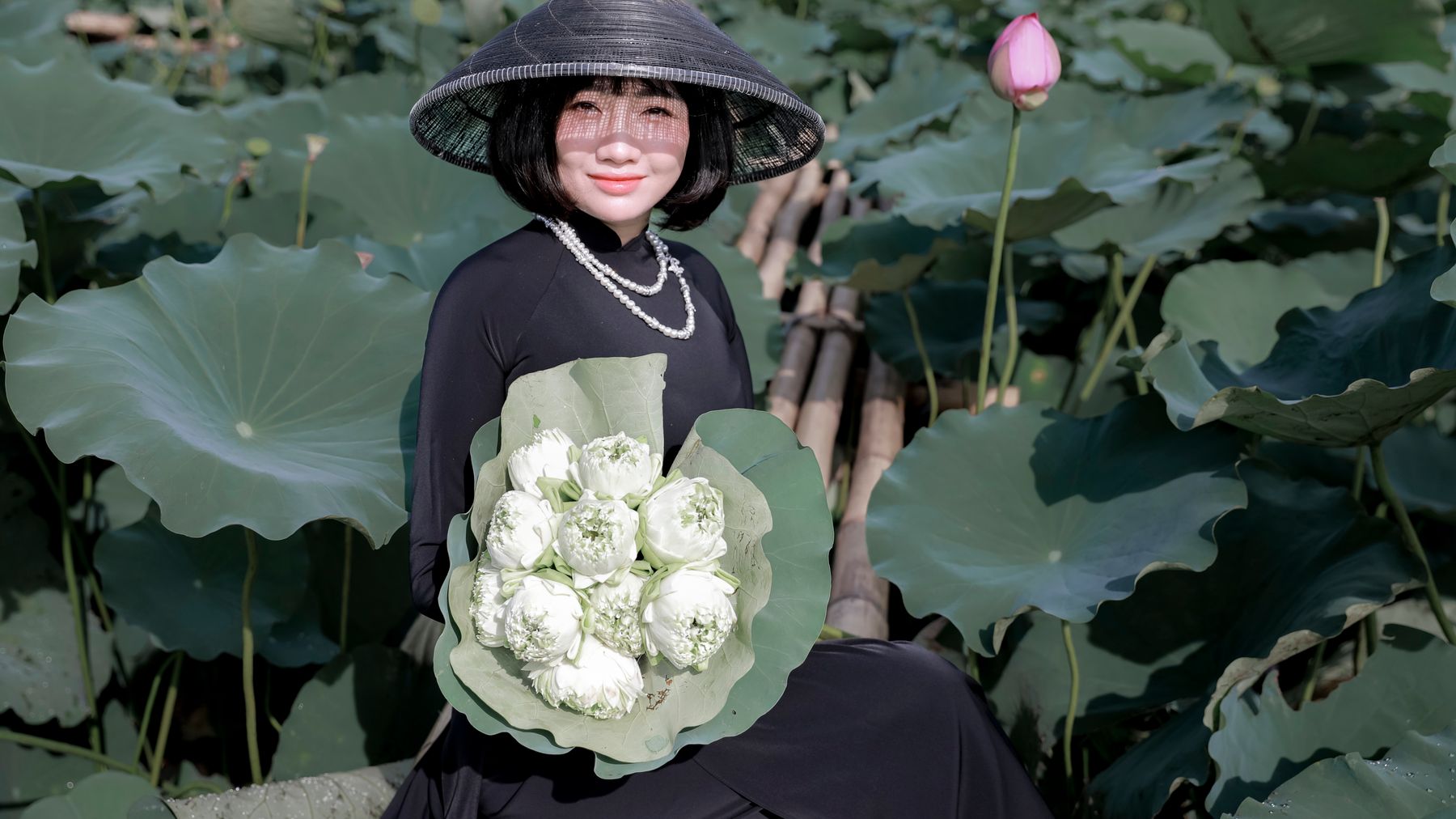
Photo by Nguyen Hung on Pexels
Practical Tips
- Bring cash. There are no ATMs near the temple. Load up in Bien Hoa before heading out.
- Dress code matters. Even though this isn't a major tourist temple, it's an active place of worship. Cover your knees and shoulders. No tank tops.
- Carry water and sunscreen. There's minimal shade between the parking area and the temple entrance, and the nearest convenience store could be a long ride away.
- Fuel up your motorbike in town. Petrol stations thin out as you head into the countryside. Top off before leaving Bien Hoa or the nearest town center.
Mistakes to Avoid
- Don't show up expecting a grand tourist attraction. This is a community temple, not Bai Dinh. Adjust your expectations to match — the reward is authenticity, not spectacle.
- Don't point your feet at Buddha statues when sitting in the prayer hall. Sit cross-legged or tuck your feet behind you.
- Don't fly a drone without asking permission first. Temple grounds are considered sacred space, and buzzing a drone over a prayer hall will not go over well.
- Don't skip the drive. Half the experience of Chua Duc Hanh is the journey through Dong Nai's countryside. If you take a car with tinted windows and stare at your phone, you're missing the point.
Practical Notes
Chua Duc Hanh works best as a half-day or full-day side trip from Bien Hoa or Saigon, combined with some countryside riding. It's not a destination that justifies a multi-day itinerary on its own, but as part of a broader exploration of Dong Nai province, it's a worthwhile stop — the kind of place that reminds you Vietnam has a lot more to offer than its headline cities.
Last updated · May 29, 2026 · independently researched, never sponsored.