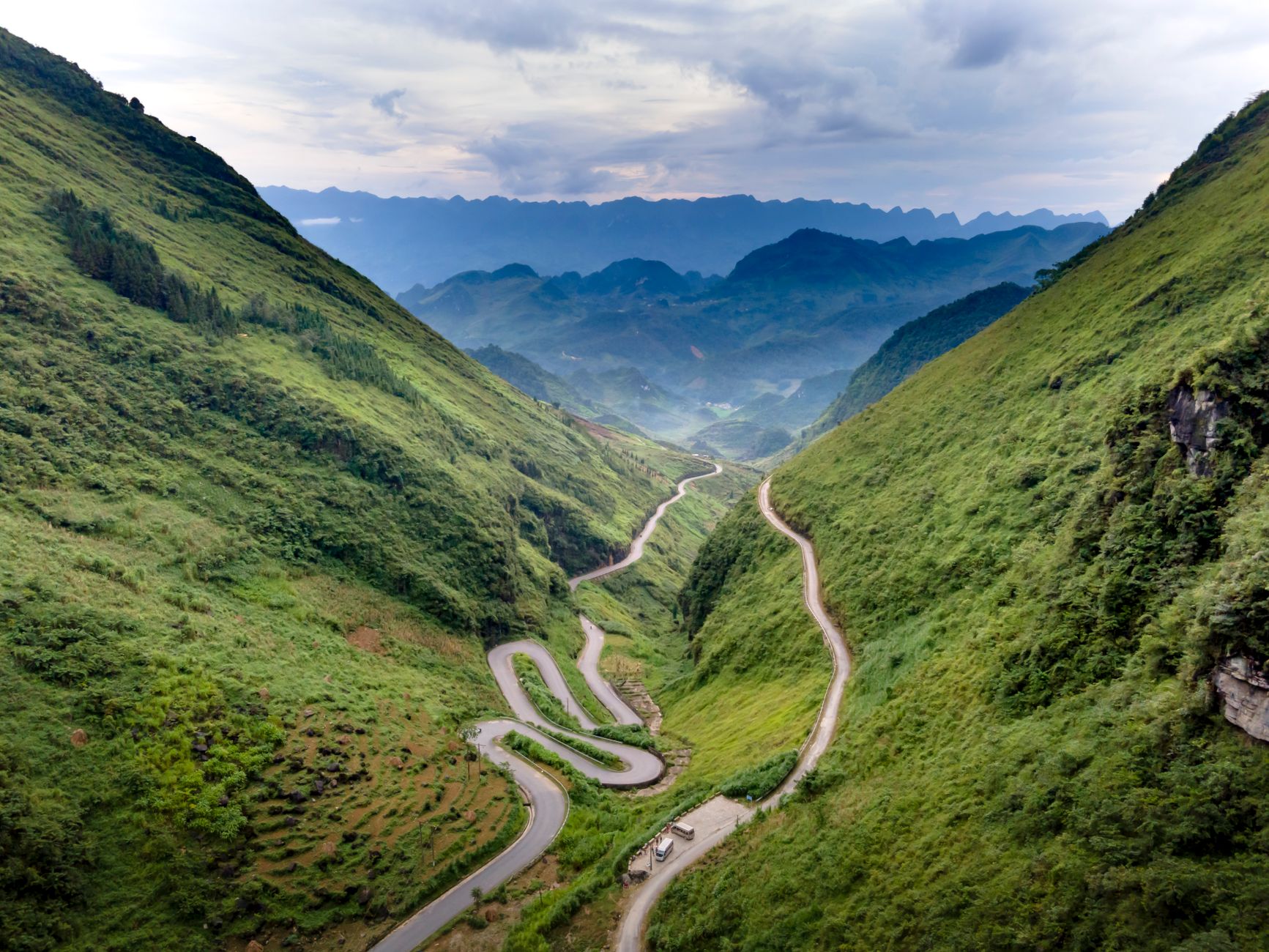
Ho Boc Nguyen sits about 25 km west of Ha Tinh city, a large irrigation reservoir backed up against the forested foothills of the Truong Son range. It doesn't appear on most tourist radars, which is exactly why it's worth the detour if you're passing through north-central Vietnam (베트남 / 越南 / ベトナム).
What it is
Ho Boc Nguyen (sometimes written Boc Nguyen Lake) is a man-made reservoir built in the 1980s to supply irrigation water to the surrounding farmland in Vu Quang and Huong Son districts. The lake covers roughly 300 hectares when full, hemmed in by low hills covered in acacia and native hardwood. Over the decades, the area has quietly become a weekend escape for Ha Tinh locals — families come to fish, picnic on the banks, and escape the coastal heat. For travelers, it offers a half-day or full-day side trip into countryside that feels genuinely untouched by tourism infrastructure.
There's no ticket booth, no entrance fee, and no crowds. That also means no English signage and very few amenities, so come prepared.
Why travelers go
The draw is simple: landscape and quiet. The reservoir's irregular shoreline creates small inlets and peninsulas, with water that shifts between deep green and grey-blue depending on the season. When the morning fog lifts off the surface — usually before 7 AM in the cooler months — it's the kind of scene that rewards anyone who bothered to wake up early.
Birders will find egrets, kingfishers, and occasionally spotted doves along the water's edge. The surrounding hills connect to the buffer zone of Vu Quang National Park, one of the least-visited national parks in Vietnam, which adds a sense of real remoteness even though you're only a short ride from town.
Best time to visit
Ha Tinh's weather can be brutal. The sweet spot is February through May, when temperatures hover around 24–30°C and rainfall is low. The reservoir is fullest after the autumn rains (October–November), but that's also peak storm season on the north-central coast — roads can flood, and the area sometimes sees serious weather.
Avoid June through August if you dislike heat. Ha Tinh regularly hits 38–40°C in summer, and shade around the reservoir is limited on the eastern banks. December and January are cool (18–22°C) and occasionally drizzly, but perfectly fine for a visit if you have a rain layer.
How to get there
The nearest major hub is Vinh, about 50 km north of Ha Tinh city. From Vinh, you have a few options:
- Bus: Vinh to Ha Tinh city by local bus costs around 40,000–60,000 VND and takes about 1.5 hours. From Ha Tinh city, you'll need to arrange a motorbike or xe om (motorbike taxi) heading west toward Huong Son. Expect to pay 100,000–150,000 VND for the 25 km ride to the reservoir.
- Motorbike rental: The most practical option. Rent from Vinh or Ha Tinh city for 120,000–180,000 VND per day. The road from Ha Tinh city runs through flat rice paddies before climbing gently into the hills. Mostly paved, a few rough patches near the reservoir.
- Private car/Grab: A Grab car from Vinh to Ho Boc Nguyen runs roughly 350,000–450,000 VND one way. Availability is spotty — book in advance or negotiate with a local taxi driver in Ha Tinh city.
If you're coming from Hue (about 300 km south), the train to Vinh or Ha Tinh station is the easiest first leg. Da Nang is roughly 370 km south — doable by train or sleeper bus overnight.

Photo by Vietnam Hidden Light on Pexels
What to do
Walk the eastern bank
A dirt track follows the eastern shore for about 3 km. It's flat, easy walking, and passes through patches of acacia forest. Locals use it to access fishing spots. Early morning is best — the light is good and the heat hasn't set in.
Fish with locals
Bring or borrow a rod and join the regulars. The reservoir holds tilapia, carp, and snakehead fish. Nobody will charge you, but ask before setting up next to someone — a nod and a smile goes a long way. If you catch anything, nearby families will sometimes offer to grill it for you.
Explore the Vu Quang buffer zone
The hills west of the reservoir mark the edge of Vu Quang National Park's buffer zone. There are no formal trails open to tourists without a guide, but the dirt roads heading further west make for solid motorbike exploration. Bring water and fuel — there's nothing out there.
Photograph the dam wall at dawn
The concrete dam on the north side gives an elevated view over the full reservoir. At dawn, when mist pools in the valley, it's the best vantage point. The dam itself is functional, not scenic, but the perspective it offers is worth the five-minute climb.
Visit the surrounding villages
The hamlets near the reservoir are agricultural — rice, peanuts, citrus. Riding through on a motorbike in the late afternoon, when farmers are heading home and woodsmoke hangs in the air, gives you a sense of rural Ha Tinh that no city tour can replicate.
Where to eat nearby
Don't expect restaurants at the reservoir. Pack snacks and water. For a real meal, head back toward Ha Tinh city or stop in one of the small towns along the road.
Ha Tinh is known for "cu doi" — a local sticky rice cake filled with mung bean — and "banh canh" served with a thick, peppery broth and fresh-caught fish or crab. Look for banh canh stalls near the central market in Ha Tinh city; a bowl runs 25,000–35,000 VND. For something more substantial, grilled "nem chua" — fermented pork rolls charred over coals — is a north-central specialty you'll find at roadside spots on the way back to town.
Where to stay
Ha Tinh city is your base. Options:
- Budget guesthouses (nha nghi): 200,000–350,000 VND/night. Basic but clean. Look along Phan Dinh Phung street near the city center.
- Mid-range hotels: 400,000–700,000 VND/night. Muong Thanh Ha Tinh is the most reliable chain option, with air conditioning and decent Wi-Fi.
- Homestays near the reservoir: Rare and informal. If you speak some Vietnamese or have a local contact, families near Huong Son sometimes host visitors. Don't count on finding this spontaneously.
There is no accommodation at the reservoir itself.

Photo by Lộc Nguyễn on Pexels
Practical tips locals would tell you
- Bring mosquito repellent. The reservoir banks are active at dusk.
- Fill your fuel tank in Ha Tinh city. There's one petrol station in Huong Son town, but hours are inconsistent.
- Carry cash. No ATMs near the reservoir. The closest are in Ha Tinh city.
- Download offline maps. Google Maps has the reservoir marked, but cell signal drops in the hills. Grab an offline map of Ha Tinh province before you leave town.
- Tell someone where you're going. This isn't dangerous territory, but if you're riding solo into the hills and your bike breaks down, you want someone to know your route.
Common mistakes to avoid
- Showing up without water or sun protection. There's no shop at the lake. Bring at least 2 liters and a hat.
- Trying to visit as a day trip from Hue or Da Nang (다낭 / 岘港 / ダナン). The distance is too far for a comfortable return. Base yourself in Ha Tinh city for at least one night.
- Expecting tourist infrastructure. No boat rentals, no cafes, no guides waiting at the entrance. This is a local spot, not a developed attraction. That's the appeal — but plan accordingly.
Practical notes
Ho Boc Nguyen works best as part of a broader north-central Vietnam trip — combine it with a stop in Ha Tinh city, a visit to Phong Nha further south, or the beaches at Thien Cam. It's not a destination you'd fly across the country for, but if you're already in the region and want a quiet morning away from the highway, it delivers.
Last updated · Sep 2, 2026 · independently researched, never sponsored.