Overview
Lang Son sits in Vietnam (베트남 / 越南 / ベトナム)'s far northeast, 160 km from Hanoi, wedged between the Chinese border and the Gulf of Tonkin. Its weather is more volatile than central Vietnam—winters dip near freezing, summers spike above 35°C. Unlike the beach towns to the south, Lang Son's draw is limestone scenery, border culture, and solitude. Timing matters because crowds are thin year-round, but roads, visibility, and comfort swing wildly.
Best months overall
September–October and March–May are your safest bets. Autumn (September–November) brings dry skies, 20–28°C days, and low humidity—ideal for walking Hang Thien Cung cave or hiking the karst trails around Cao Bang. Spring (March–May) mirrors this, though April can start to warm up. Both seasons have Hanoi (하노이 / 河内 / ハノイ) expats and Vietnamese domestic tourists filtering north, but never crowding the way Sapa or Ha Long do.
If you're choosing between the two: October edges out April. October has crisper light, fewer rain days, and a subtle breeze off the border ranges. April is damp from lingering spring showers and the start of the sticky season.
Season-by-season breakdown
Autumn: September–November
September: 20–30°C, humid, some rain. Typhoon season's tail end—expect afternoon downpours, especially early month. Roads can be slick. That said, if you're passing through or don't mind wet hikes, September's emptiness is appealing. Hanoi's still in monsoon; Lang Son clears first. Mid-to-late September is better than early.
October: 18–27°C, dry, clear. The month to be here. Morning mist clings to the limestone—stunning for photography. Nights dip toward 15°C in the hills; bring a light jacket. Tourist numbers tick up slightly, but you'll never feel crowded. Food tastes better when the air is cool.
November: 15–24°C, dry, occasional cool breeze. Early November is nearly as good as October. By late November, mornings drop below 10°C; if you're not prepared for a chill, it's uncomfortable. Still dry, though—excellent for outdoor exploration.
Winter: December–February
December: 10–20°C, mostly dry. Early December is pleasant—cool, low humidity, clear views. After mid-month, the cold hardens. Not freezing yet, but jackets are necessary.
January–February: 5–15°C, dry, occasional frost in the hills. This is the coldest stretch. Lang Son's limestone plateaus can drop to near freezing at night. If you stay in town, it's manageable with a sweater; if you're hiking or caving early morning, you'll feel it. Roads are clear, skies are bright—good for sightseeing—but comfort takes a hit. Cheap tourist season (fewer visitors, lower prices), but locals joke about needing a heater. Heating is not standard in budget guesthouses.
Spring: March–May
March: 12–22°C, increasingly damp. The transition month. Early March can still feel like winter; late March warms up fast. Rain returns, but not yet torrential. Fewer tourists than autumn, which some prefer.
April: 18–28°C, humid, frequent showers. Spring rain intensifies. Mornings are often gray. Visibility in the karst drops. Temperature swings—cool in the morning, warm by afternoon. Not ideal unless you're flexible. Hotels may offer lower rates. Domestic tourists from Hanoi start trickling in for the school holidays (late April).
May: 22–32°C, humid, heavy rain. The pre-monsoon push. Afternoon thunderstorms are regular. The landscape is green and lush, which is beautiful, but hiking and cave visits are wet. Tourist numbers are low; prices drop further. Best for travelers who don't mind rain and want solitude.
Summer: June–August
June–July: 26–35°C, very humid, monsoon rains. Heat and moisture lock in. Hanoi's rainy season carries northeast. Afternoon storms are intense and frequent. Visibility in caves drops. Roads are passable but muddy. Few tourists; it's the Vietnamese school holiday, but families stick to beaches. Lang Son in summer is quiet and oppressive—only go if weather is truly not a factor for you.
August: 24–33°C, humid, sporadic rain. Slightly drier than June–July, but still warm and sticky. Similar profile to June. Tourist bottleneck elsewhere (Sapa, Ha Long), so Lang Son stays peaceful.

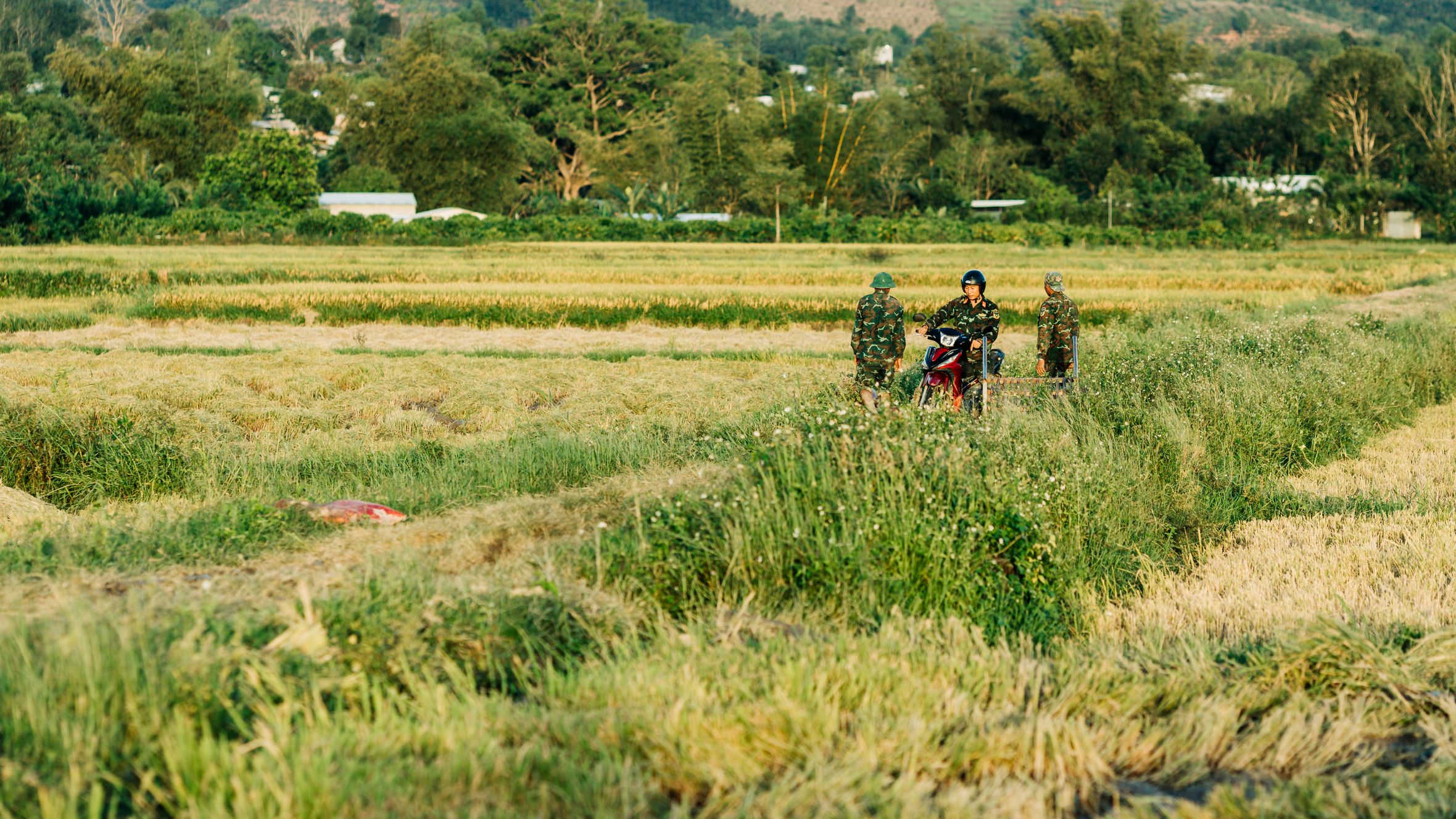
Photo by Sergey Guk on Pexels
Festivals and events
Lang Son has no major tourist festivals like Tet / 越南春节 / テト) Trung Thu (Mid-Autumn Festival) celebrations in larger cities. The main observance is Tet (Lunar New Year), typically February, when locals return home and guesthouses may close for 1–2 weeks. Avoid Tet week if you're seeking open restaurants and guides; enjoy it if you want to see family traditions firsthand.
Under Hung Kings Festival (late March or early April, depending on the lunar calendar), some border villages hold temple ceremonies, but these are low-key and not tourist-oriented.
Crowd levels by season
- October: Moderate (highest of the year, but still quiet vs. Sapa or Hanoi Old Quarter).
- March–May, September, November: Light.
- December–February, June–August: Minimal; Lang Son is rarely swamped.
Why the difference? Lang Son lacks the beach-town draw of Phu Quoc or Mui Ne, and it's not a packaged backpacker hub like Sapa. Visitors are mostly Hanoi daytrippers, border-trade workers, or travelers routing to/from China. The cave and karst hikes are less famous than Cat Ba or Phong Nha. Expect quiet streets, empty guesthouses, and one-on-one attention from guides.

Photo by Quang Nguyen Vinh on Pexels
What to pack
- October–November: Lightweight layers, comfortable walking shoes, sunscreen, hat. A light waterproof jacket for unexpected showers.
- December–February: Warm jacket, sweater, long pants, closed-toe shoes. Gloves and a beanie if you're climbing early morning or hiking high ridges.
- March–May: Breathable, quick-dry clothing, waterproof bag, sturdy hiking boots (mud), packable rain jacket.
- June–August: Ultra-light, moisture-wicking clothes, strong sunscreen, compact umbrella, sandals that drain water.
Year-round: Bug spray (mosquitoes and leeches in the cave zones), a headlamp for cave exploration, and a small medical kit.
Practical notes
Lang Son is 160 km northeast of Hanoi via Highway 1. Buses run daily (2.5–3 hours); the road is good. October or early November offers the best combination of weather, light, and manageable tourist flow. If you're flexible, avoid June–August and Tet week. Winter hiking requires preparation; summer requires patience with humidity. Book guesthouses in advance only during October and major school holidays (early April); otherwise, walk-ins are fine.
Last updated · May 29, 2026 · independently researched, never sponsored.






