Long Hai is one of those beaches that most foreign visitors drive right past on the way to Vung Tau. That's part of its appeal. Sitting along the coast of the former Ba Ria - Vung Tau province — now part of the expanded Ho Chi Minh City following the 2025 administrative merger — it draws mostly Vietnamese families and Saigon (사이공 / 西贡 / サイゴン) weekenders, which keeps the seafood cheap and the shoreline relatively uncrowded.
What Long Hai actually is
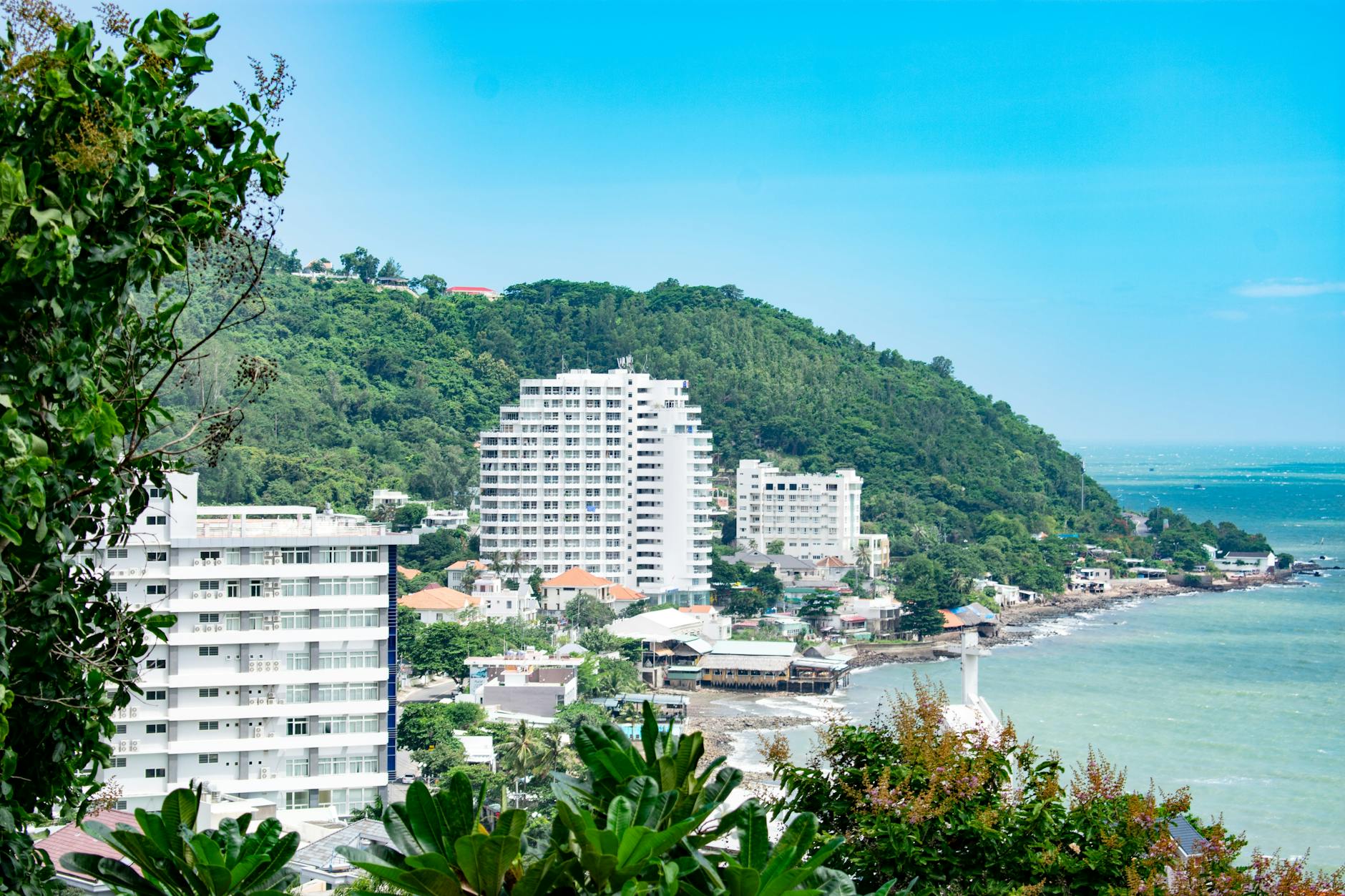
Long Hai is a coastal town stretched along a few kilometers of sand between rocky headlands, roughly 120 km southeast of central Saigon. The beach faces south, backed by low mountains covered in scrubby forest. It's not a postcard-perfect crescent — the sand is coarse in places, the water can be murky after rain — but the setting is honest and the town has a lived-in feel that more developed beaches lost years ago.
The area has a long history as a retreat. French colonial officers used to come here. During the war, it served as a military rest area. After reunification, it became a domestic holiday spot. You'll still see a few old villas from the French era mixed in with concrete guesthouses and seafood restaurants.
Mo Co temple (also called Dinh Co), perched on the rocky headland at the eastern end of the beach, is the town's spiritual anchor. It's dedicated to a young woman whose body washed ashore centuries ago, and local fishermen still visit before heading out to sea. The annual Dinh Co festival in late February or March (lunar calendar) packs the town with pilgrims.
Why travelers go
Long Hai works best as a counterpoint to Vung Tau (붕따우 / 头顿 / ブンタウ), which sits about 30 km to the southwest. Where Vung Tau is loud, commercial, and packed on weekends, Long Hai is slower and less built-up. The seafood is noticeably cheaper. The beach isn't fighting for space with jet skis and karaoke speakers — at least not yet.
It's also a solid base for exploring the coastline. Ho Coc and Ho Tram beaches are just 15-20 km east along the coast road, and the Minh Dam mountains behind town have trails and old wartime caves worth a half-day.
Best time to visit
November through April is the dry season, and the best window. Skies are mostly clear, humidity is lower, and the sea is calm enough for swimming. December to February is the sweet spot — warm but not scorching, with very little rain.
Avoid June through September if you can. Afternoon downpours are common, the sea gets rough, and some guesthouses along the beach road flood during heavy storms. Weekdays year-round are quieter than weekends, when Saigon families roll in.
How to get there from Saigon
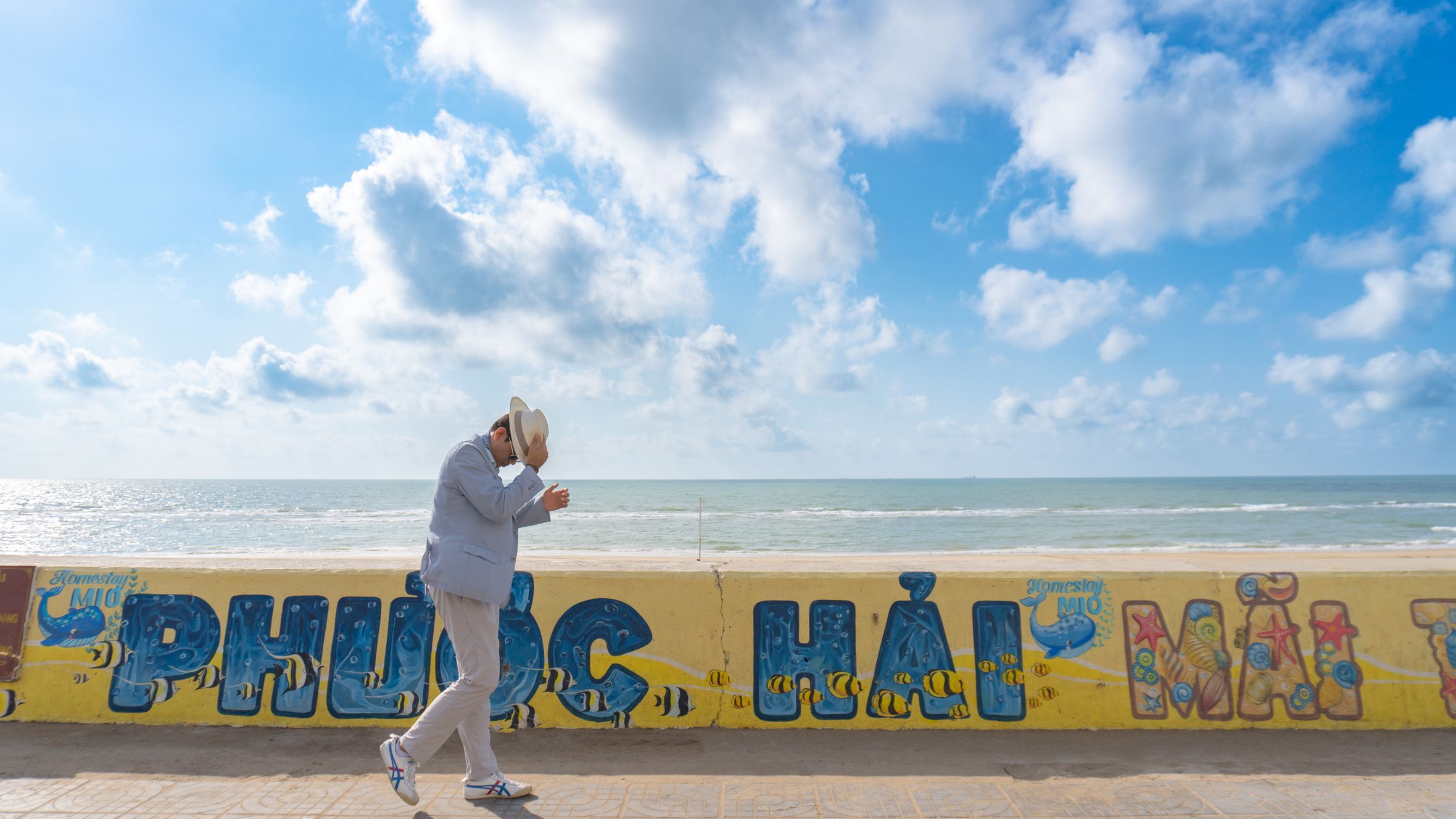
The most common route is by road. From central Saigon, take the Long Thanh - Dau Giay expressway, then cut south through Phuoc Hai toward the coast. Total driving time is about 2 to 2.5 hours depending on traffic leaving the city.
By motorbike: The ride is straightforward and mostly on good roads. Budget around 80,000-100,000 VND for fuel (round trip on a 125cc bike). This is the most flexible option and lets you explore the coast road between Long Hai, Ho Tram, and Ho Coc at your own pace.
By bus: Buses from Saigon's Mien Dong bus station run to Ba Ria town, from where you transfer to a local bus or grab a taxi to Long Hai. Total cost is around 80,000-120,000 VND one way, but the transfer adds time — expect 3 to 3.5 hours door to door.
By car or taxi: A private car booking through Grab or a local driver runs about 1,200,000-1,500,000 VND one way. Split between a group, this is comfortable and fast.

Photo by Long Bà Mùi on Pexels
What to do
Walk the Dinh Co headland
The rocky promontory at the east end of the beach holds Mo Co temple and a network of paths with views along the coast in both directions. Go early morning before the heat sets in. The temple itself is worth a few minutes — incense smoke, red lacquer, and fishermen making offerings before dawn.
Swim and do very little
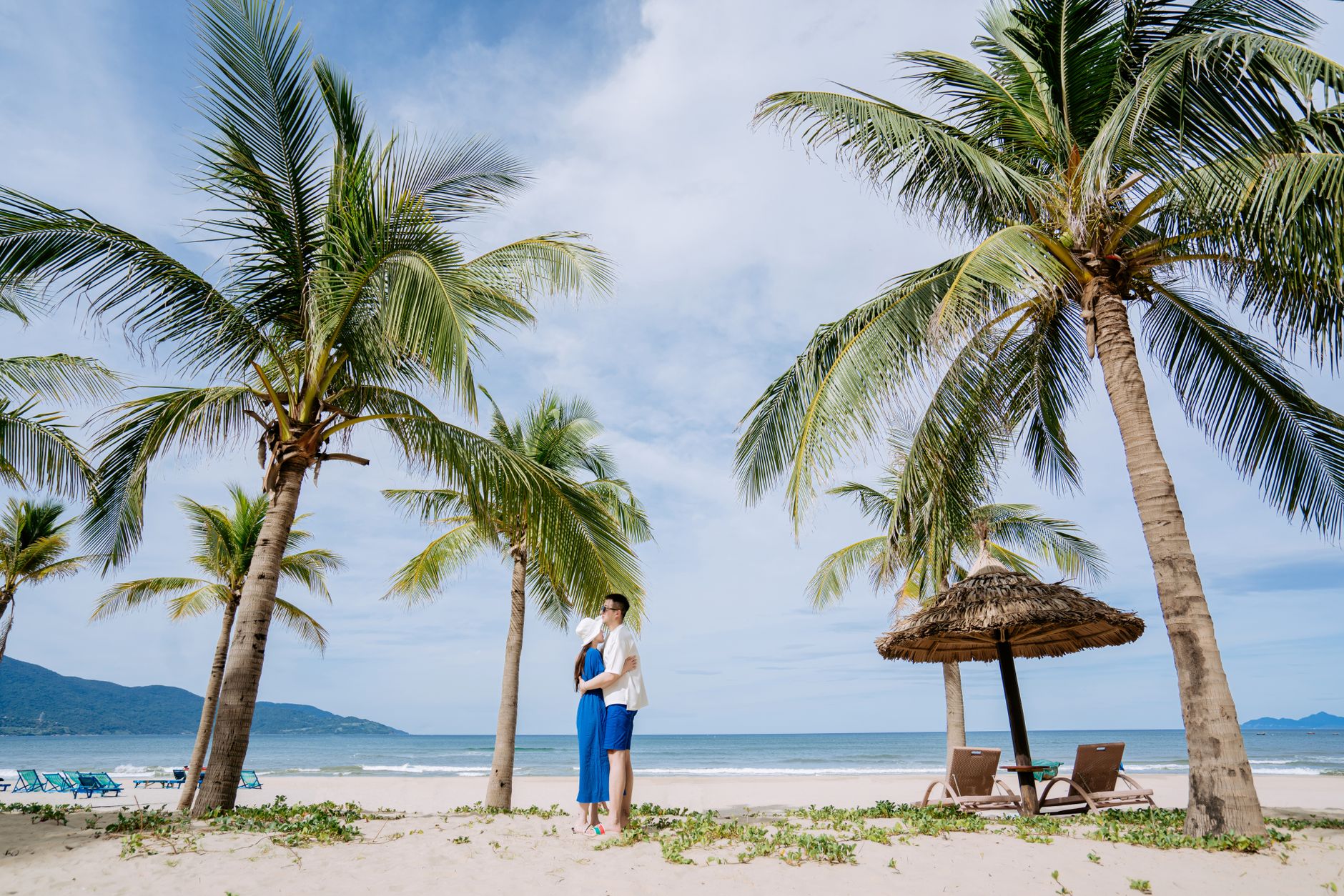
The main beach is swimmable most of the dry season. The stretch in front of the Long Hai town center is the most accessible, with a few drink shacks renting plastic chairs for 20,000-30,000 VND. Don't expect lifeguards or roped-off swim zones — use common sense about currents, especially near the rocks.
Ride the coast road to Ho Tram and Ho Coc
The 20 km stretch of coastal road east from Long Hai passes through casuarina forest, salt flats, and a couple of quieter beaches. Ho Tram has a few upscale resorts; Ho Coc has a long, wide beach that's emptier than Long Hai most days. Rent a motorbike locally for about 150,000 VND per day.
Hike Minh Dam mountain
Behind Long Hai, the Minh Dam range has trails leading to caves used as hideouts during the wars. The hike is moderate — maybe 2 hours round trip for the main route. Bring water and proper shoes. Views from the ridgeline look out over the coast and back toward Vung Tau.
Visit the local market
Long Hai's morning market, a few blocks inland from the beach, is small but good for watching the seafood come in. Crabs, squid, and small fish get sorted and sold before 8 AM. You can buy fresh seafood here and have a nearby restaurant cook it for a fee — usually 30,000-50,000 VND per dish for preparation.
Where to eat
Seafood is the reason to eat in Long Hai. The row of open-air restaurants along the beach road serves grilled squid, steamed crab, and clams in various sauces. Prices run 80,000-200,000 VND per plate depending on the catch. Point at what looks fresh in the tank and negotiate before they cook.
Look for "banh khot" — small crispy turmeric pancakes topped with shrimp, a specialty of the Ba Ria - Vung Tau coast. A plate of 10-12 runs about 40,000-60,000 VND. "Banh can" (small rice cakes cooked in clay molds) also shows up at street stalls in the morning. For something familiar, "com tam" plates with grilled pork are easy to find at rice shops throughout town for 35,000-50,000 VND.
Where to stay
Budget (300,000-500,000 VND/night): Simple guesthouses and "nha nghi" along the beach road. Expect a fan room, basic bathroom, and not much else. Fine for a night or two.
Mid-range (600,000-1,200,000 VND/night): A handful of small hotels with air conditioning, hot water, and sea-facing rooms. Long Hai Beach Resort is the most established option in this range — nothing fancy, but clean and right on the sand.
Upscale: Long Hai itself doesn't have luxury resorts. For that, head 15 km east to Ho Tram, where properties like the Ho Tram Strip complex offer international-standard rooms starting around 2,500,000 VND/night.
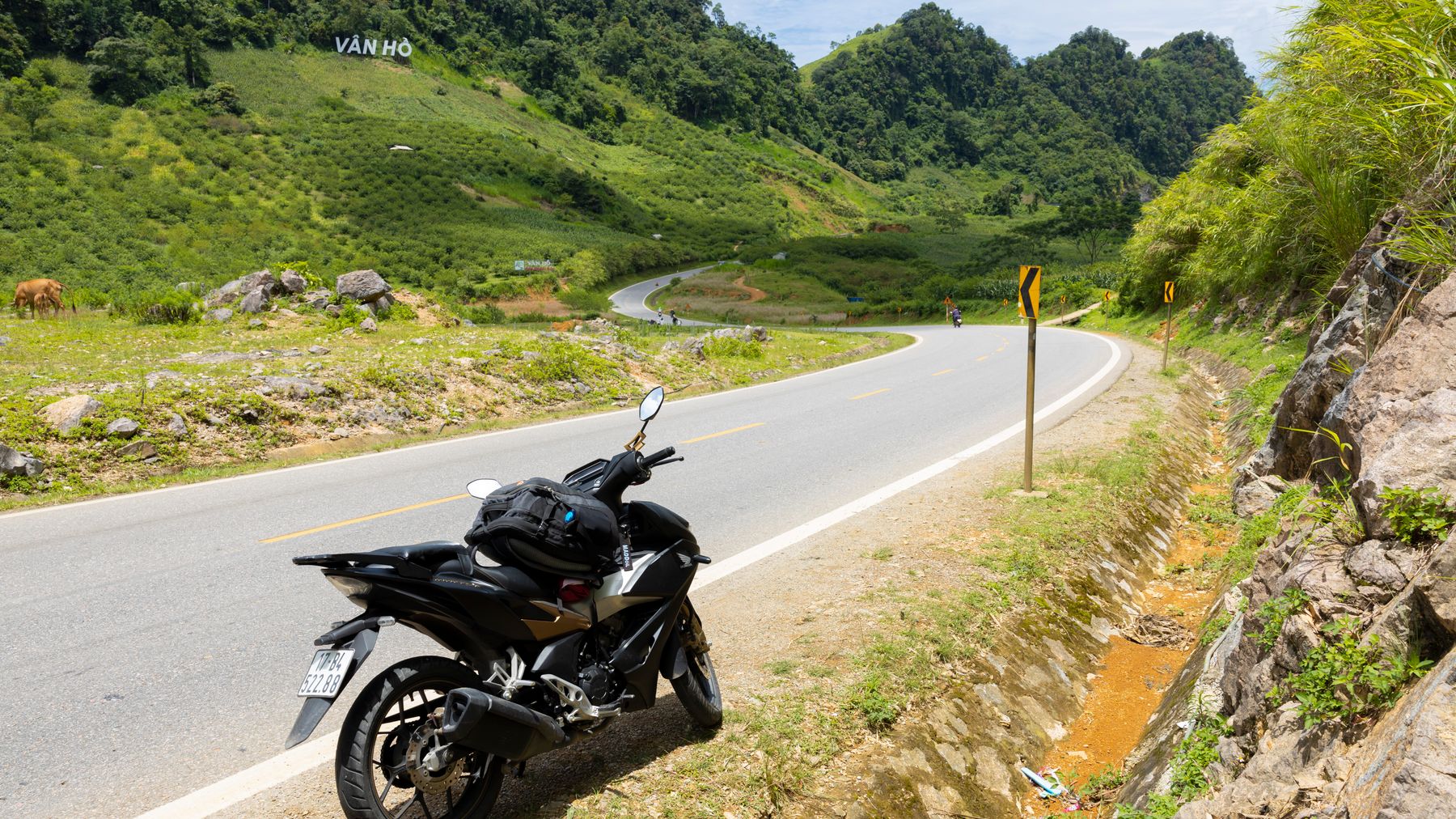
Photo by HONG SON on Pexels
Practical tips locals would tell you
- Book ahead on weekends and holidays. Vietnamese families from Saigon descend on Long Hai during public holidays, especially around Tet and the April 30 reunification long weekend. Prices spike and rooms fill up.
- Bring cash. Card payment is rare outside the larger hotels. ATMs exist in town but aren't always reliable.
- Wear reef shoes near the headlands. The rocks are sharp and sea urchins hang out in the shallows.
- Negotiate seafood prices before ordering. Restaurants without posted prices sometimes charge tourist rates. Agree on the per-kilogram cost upfront.
Common mistakes to avoid
Don't come expecting Vung Tau-level infrastructure. Long Hai has no big malls, no party scene, no English menus at most restaurants. That's the point, but it catches some visitors off guard.
Don't swim near the fishing boats. They anchor just off the main beach, and the water around them is oily and full of debris.
Don't skip the coast road. Long Hai alone is a half-day destination — the real value is combining it with Ho Tram, Ho Coc, and the Minh Dam hills for a proper weekend trip.
Practical notes
Long Hai works best as a 1-2 night trip from Saigon, ideally midweek. Pair it with a stop in Vung Tau on the way back if you want contrast. The coast road between the two towns is one of the better short rides in the south — flat, scenic, and easy on a rented motorbike.
Last updated · Jul 20, 2026 · independently researched, never sponsored.