What Binh Chau Actually Is
Binh Chau Hot Springs (Suoi Nuoc Nong Binh Chau) is a natural geothermal area where underground volcanic activity pushes mineral-rich water to the surface at temperatures between 40°C and 82°C. The site sits inside a 220-hectare nature reserve of coastal lowland forest in what was formerly Ba Ria - Vung Tau province — now part of the expanded Ho Chi Minh City following the 2025 administrative merger.
The hot springs were developed into a resort and park in the early 1990s, but the geothermal activity has been documented for much longer. Local communities around Binh Chau and Xuyen Moc district have used the springs informally for generations. Today it operates as a ticketed park with mineral pools, mud baths, a small lake, and walking trails through the surrounding forest.
It's not glamorous. It's not a luxury spa destination. But it's a genuinely interesting geological site with warm water that smells faintly of sulfur and a pace that feels nothing like Saigon (사이공 / 西贡 / サイゴン).
Why Travelers Go
Most visitors come for two reasons: the mineral soaking pools and the novelty of boiling your own eggs and sweet potatoes in naturally heated spring water. That second part sounds like a gimmick, and honestly it kind of is — but watching a basket of eggs cook in a bubbling volcanic pool at 82°C is more satisfying than you'd expect.
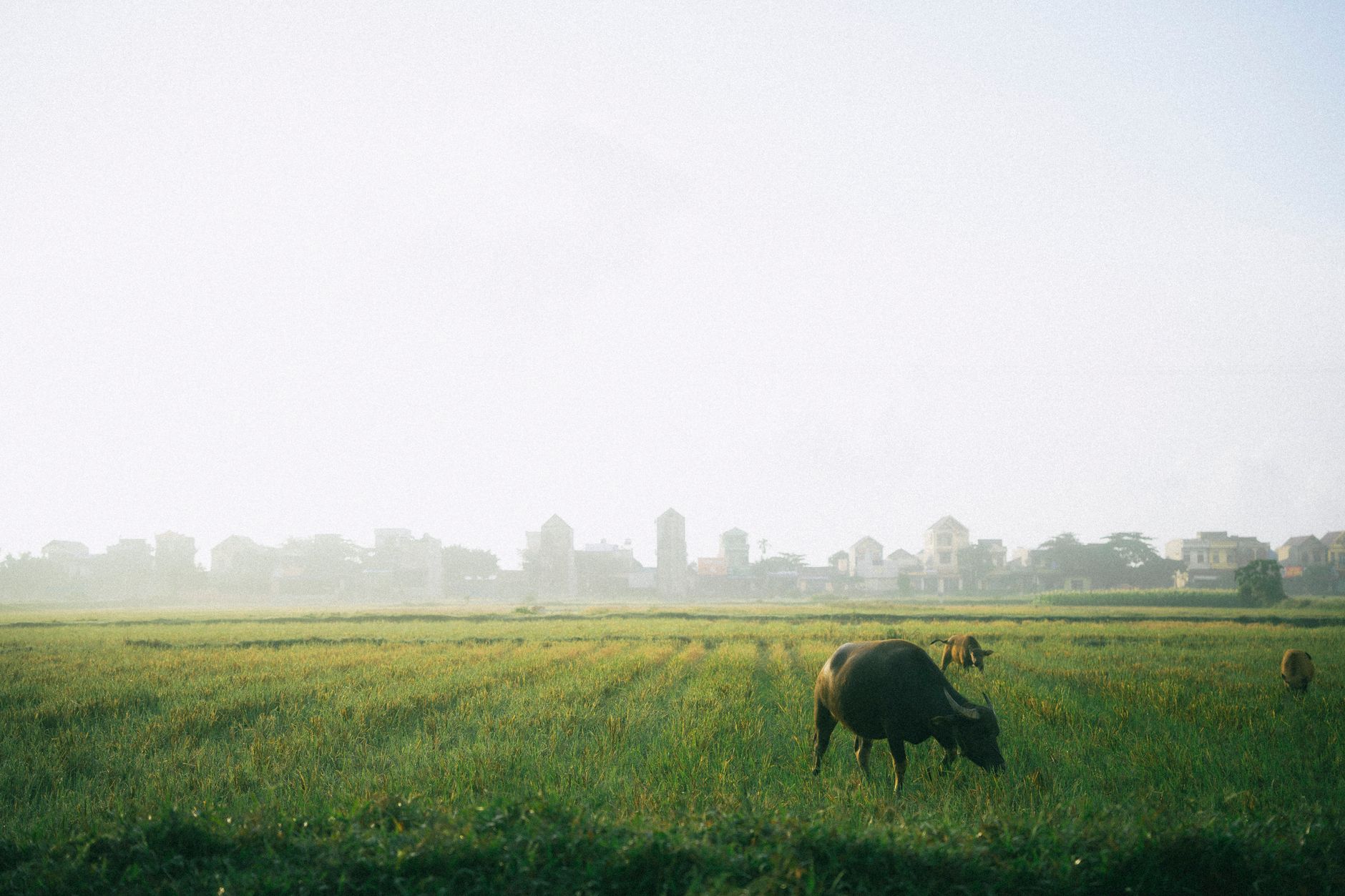
Beyond that, the park offers a break from concrete. The reserve has decent tree cover, a few short walking paths, and enough quiet to make it feel like you've left the city behind. Birdwatchers occasionally show up for the coastal forest habitat, though don't expect a full birding destination.
For anyone based in Saigon looking for a weekend trip that doesn't involve a beach or a mountain, Binh Chau fills a niche.
Best Time to Visit
The hot springs work year-round, but the best window is the dry season from November through April. Temperatures in the southeast hover around 28–33°C and rain is infrequent, so you won't be soaking in warm water while getting rained on.
Weekdays are noticeably quieter than weekends. Saturday mornings see the most domestic tour groups. If you want the pools mostly to yourself, aim for a Tuesday or Wednesday.
Avoid the weeks right around Tet — the park gets crowded with families and prices for nearby accommodation spike.

Photo by Hồng Quang Official on Pexels
How to Get There from Saigon
Binh Chau is roughly 150 km southeast of central Saigon. You have a few options:
By motorbike or car: Take the Ho Chi Minh City (호치민시 / 胡志明市 / ホーチミン市) – Long Thanh – Dau Giay Expressway east, then follow National Road 56 south through Xuyen Moc district. Total drive time is about 2.5–3 hours depending on traffic getting out of the city. Expressway toll runs around 50,000–70,000 VND one way for a car.
By bus: Catch a bus from Mien Dong Bus Station (the new one in Thu Duc) heading to Vung Tau or Ba Ria, then transfer to a local bus or grab a taxi to Binh Chau. Total transit time is 3.5–4 hours. Bus tickets run 80,000–130,000 VND for the main leg.
By private car/taxi: A Grab or private driver from Saigon costs roughly 1,200,000–1,500,000 VND one way. Splitting between 3–4 people makes this reasonable.
Most people combine Binh Chau with a stop in Vung Tau or Ho Tram beach to make it a weekend loop.
What to Do
Soak in the Mineral Pools
The main draw. The park has several pool tiers — public communal pools (included with your entry ticket of around 80,000–100,000 VND per adult), semi-private pools, and private tubs you can rent by the hour (200,000–400,000 VND). Water temperatures vary by pool, from a comfortable 37°C to a very warm 42°C. The mineral content is primarily sulfur and sodium bicarbonate. Bring your own towel.
Boil Eggs in the Hot Spring
You can buy eggs, sweet potatoes, and corn at stalls near the hottest springs, then lower them in a basket into the boiling water. Eggs take about 15 minutes. A basket of 10 eggs costs around 50,000–60,000 VND. The yolks come out slightly different from a stovetop boil — denser, with a faint mineral taste. It's a fun thing to do once.
Try the Mud Baths
The park offers mineral mud baths, either in shared pools or private tubs. A private mud bath session runs about 250,000–350,000 VND per person for 20–30 minutes. The mud is warm, thick, and supposedly good for your skin. Rinse off in the mineral shower after. It's a messy, slightly absurd experience that most people enjoy.
Walk the Forest Trails
The nature reserve around the springs has a few short walking paths through coastal lowland forest. Nothing strenuous — maybe 2–3 km total of flat trails. Good for a morning walk before the heat sets in. You'll see some decent old-growth trees and the occasional lizard.
Visit the Crocodile Lake
The park has a small lake with freshwater crocodiles. You can feed them from a platform (fish tied to a line, around 30,000 VND). It's a very Vietnamese tourist attraction — chaotic and slightly unnerving. Kids love it.
Where to Eat Nearby
The park has its own restaurant, but the food is standard tourist-park fare and overpriced. Better to eat outside.
Along the road into Binh Chau town, look for local seafood spots serving grilled fish and shellfish — the coast is only about 10 km away, so the catch is fresh. A plate of grilled "oc" (snails) with tamarind sauce and a couple of beers will run you 150,000–200,000 VND.
If you're heading back toward Vung Tau, the stretch of restaurants along Ho Tram beach road does solid "banh khot" — small crispy turmeric pancakes topped with shrimp, a regional specialty of this coastal area. Expect to pay 60,000–80,000 VND for a plate.
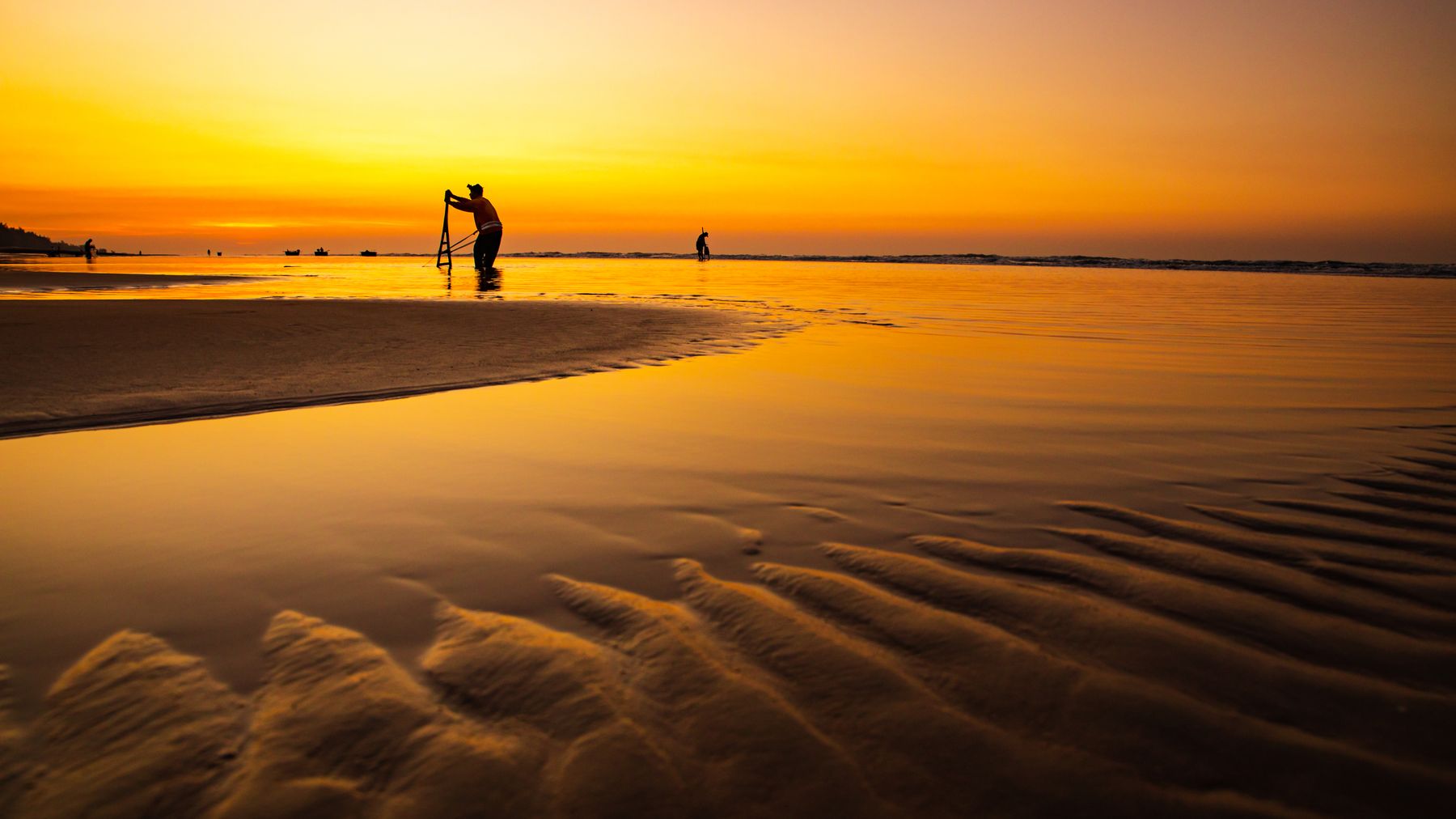
Photo by Nguyễn Văn Quý Ngọc on Pexels
Where to Stay
Binh Chau Hot Springs Resort itself has rooms and bungalows on-site, ranging from about 800,000–2,000,000 VND per night. The rooms are functional but dated — think early-2000s Vietnamese resort style. The convenience of being inside the park is the main selling point.
For better value, guesthouses and homestays in Binh Chau town run 300,000–500,000 VND per night. Basic but clean.
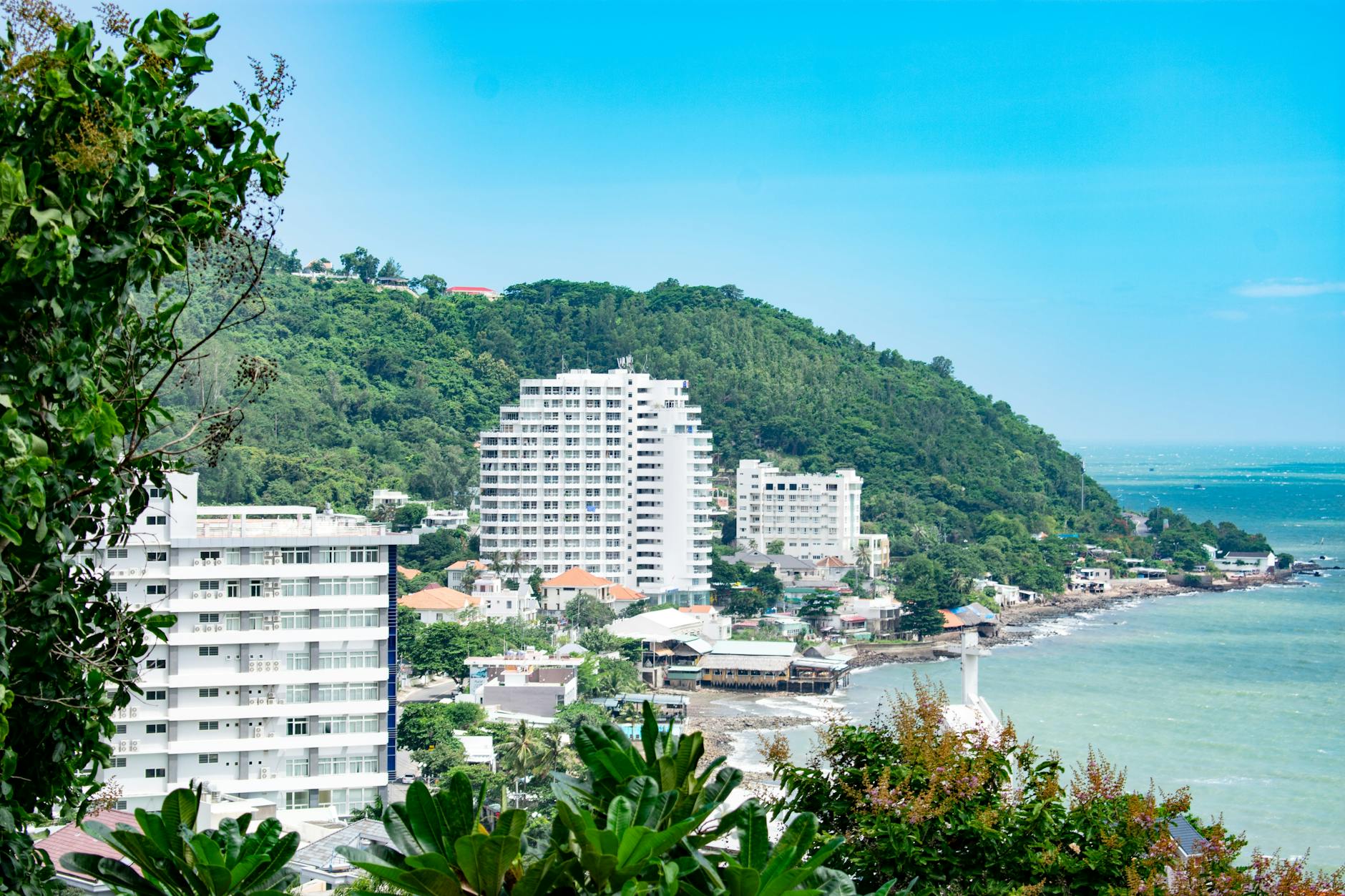
If you want something more comfortable, the Ho Tram coast — about 15 km west — has a range of resorts from mid-range to high-end (1,500,000–5,000,000 VND per night), including some beachfront options.
Practical Tips
- Bring flip-flops you don't care about. The ground around the hot springs has mineral deposits that will stain footwear.
- Go early. The pools are best before 10 a.m., before tour buses arrive and the midday heat makes soaking in warm water less appealing.
- Bring sunscreen and a hat. Some pool areas have shade, but the egg-boiling springs and walkways are fully exposed.
- Carry cash. Card payment is unreliable inside the park. ATMs exist in Binh Chau town but not inside the resort.
- Don't expect luxury. The facilities are aging. This is a nature park with hot water, not a polished wellness retreat. Adjust expectations and you'll have a good time.
Common Mistakes
People sometimes drive all the way from Saigon just for the hot springs alone and feel let down — there's maybe 3–4 hours of activity here. Pair it with a beach stop at Ho Tram or a night in Vung Tau to make the trip worthwhile. Also, don't skip the mud bath thinking it's a tourist trap. It's the most enjoyable part of the visit for most people. And finally, don't wear your good swimsuit into the mineral pools — the sulfur water can discolor fabric permanently.
Last updated · May 29, 2026 · independently researched, never sponsored.