What Mang Den Is and Why It Matters
Mang Den sits at around 1,200 meters elevation in Kon Tum province, deep in Vietnam's Central Highlands (중부 고원 / 中部高原 / 中部高原). It's a small town in Kon Plong district, surrounded by pine forests, volcanic-soil hills, and streams that feed into a handful of lakes and waterfalls. The French noticed the climate during colonial times and floated plans for a hill station here — those plans never fully materialized, which is partly why Mang Den still feels like a place the tourism industry forgot about.
For years, it was mainly known to domestic travelers from Da Nang or Quy Nhon looking for somewhere cool and green without the weekend crowds of Da Lat. International visitors are rare. There's no party scene, no Instagram-bait cable car, no overpriced "experience packages." What there is: clean air, 20-degree mornings, empty forest trails, and a pace of life that makes Da Lat feel like a metropolis.
Why Travelers Go
Mang Den draws people who want the Central Highlands without the development. If you've been to Da Lat (달랏 / 大叻 / ダラット) and wished it had fewer concrete hotels and fewer tour buses, this is the answer. The town itself is small — you can walk end to end in twenty minutes — but the surrounding district has waterfalls, ethnic Ba Na and Xo Dang minority villages, and forest that hasn't been carved up for coffee plantations yet.
It's also genuinely cold by Vietnamese standards. Mornings in December and January can drop below 10°C. If you've spent weeks sweating through Saigon or Da Nang, that alone is reason enough.
Best Time to Visit
November through March is the sweet spot. Dry season, cool temperatures (15–22°C during the day), and the pine forests look their best. December and January are coldest — bring a proper jacket, not just a hoodie.
April and May are still fine but warming up. June through October is wet season: afternoon downpours are reliable, some dirt roads to waterfalls get muddy or impassable, and leeches come out in the forest. The landscapes are greener, though, and you'll have the place almost entirely to yourself.
How to Get There
The nearest major hub is Da Nang, about 300 km to the northeast. From Da Nang, you have a few options:
- Bus to Kon Tum city, then local transport to Mang Den. Buses from Da Nang's central bus station to Kon Tum run daily, cost around 180,000–220,000 VND, and take roughly 5–6 hours via the AH17 highway through the mountains. From Kon Tum city, local buses or shared minivans head to Kon Plong (Mang Den) — about 55 km, another 1.5 hours, around 50,000–70,000 VND.
- Motorbike from Da Nang or Hoi An. This is the better option if you ride. The route through Kon Tum on QL14E and then east into the highlands is genuinely beautiful — winding mountain roads, minority villages, not much traffic. Budget a full day.
- Private car/taxi from Kon Tum city. Around 500,000–700,000 VND one way. Book through your hotel or a local driver — there's no Grab service out here.
If you're coming from Quy Nhon, it's about 200 km west, mostly on QL24 through Quang Ngai province and then cutting into the highlands. Roughly 4–5 hours by motorbike or car.

Photo by Serg Alesenko on Pexels
What to Do
Walk the Mang Den Measles Lake Circuit
Dak Ke Lake (locals sometimes call it "Measles Lake" — long story involving a colonial-era name) is a calm, pine-ringed lake about 2 km from the town center. There's a flat path around it that takes about 40 minutes. Early morning is best — mist on the water, nobody around.
Visit Pa Sy Waterfall
About 5 km south of town. It's a wide, multi-tiered cascade dropping maybe 15 meters, set in forest. Entry is free or negligibly cheap (10,000–20,000 VND depending on who's at the gate). The path down is steep in places — wear real shoes, not flip-flops. In dry season, you can get close to the base.
Ride to Mang Den's Outlying Villages
The Ba Na and Xo Dang communities around Kon Plong district still build traditional "rong" communal houses — tall, steeply peaked wooden structures that look nothing like the lowland Vietnamese architecture you've seen elsewhere. A motorbike ride through the smaller roads east and south of town will take you past several. Be respectful: these are people's homes and community spaces, not exhibits.
Trek to Voi Waterfall
Farther out, roughly 10 km from town on increasingly rough road. Bigger than Pa Sy and more remote. You'll probably want a local to point you in the right direction — signage is minimal. Worth it in dry season; skip it if it's been raining hard.
Do Very Little
Honestly, Mang Den rewards doing less. Sit at a cafe in the morning fog, read a book, walk around the small market. The town's value is its quiet, and if you pack your days full, you'll miss the point.
Where to Eat
Don't come here expecting a food scene. This is a small highland town. What you will find:
- "Com tam" and rice-and-grilled-meat plates at small restaurants along the main road. Standard Central Highlands fare, 35,000–50,000 VND.
- "Goi la" (leaf wraps) — a Kon Tum specialty worth seeking out. You get a plate of raw greens, herbs, rice paper, and various grilled meats or fermented pork, and wrap your own rolls. It's interactive, fresh, and the herb variety up here is different from the lowlands. Ask your hotel where the nearest place serving it is.
- Vietnamese coffee is solid at the local cafes. Nothing fancy, but the beans are grown in this region, so freshness isn't an issue.
Where to Stay
Options are limited but growing:
- Budget guesthouses (nha nghi): 200,000–350,000 VND/night. Basic rooms, hot water (important here), sometimes spotty Wi-Fi.
- Mid-range hotels and homestays: 400,000–800,000 VND/night. A few newer places have opened with better beds and actual heating. Homestays on the edge of town are the better experience.
- There's no luxury tier. If you need a pool and a spa, this isn't your destination.
Book ahead on weekends from October to January — domestic visitors from Da Nang and Pleiku do come up, and rooms fill.
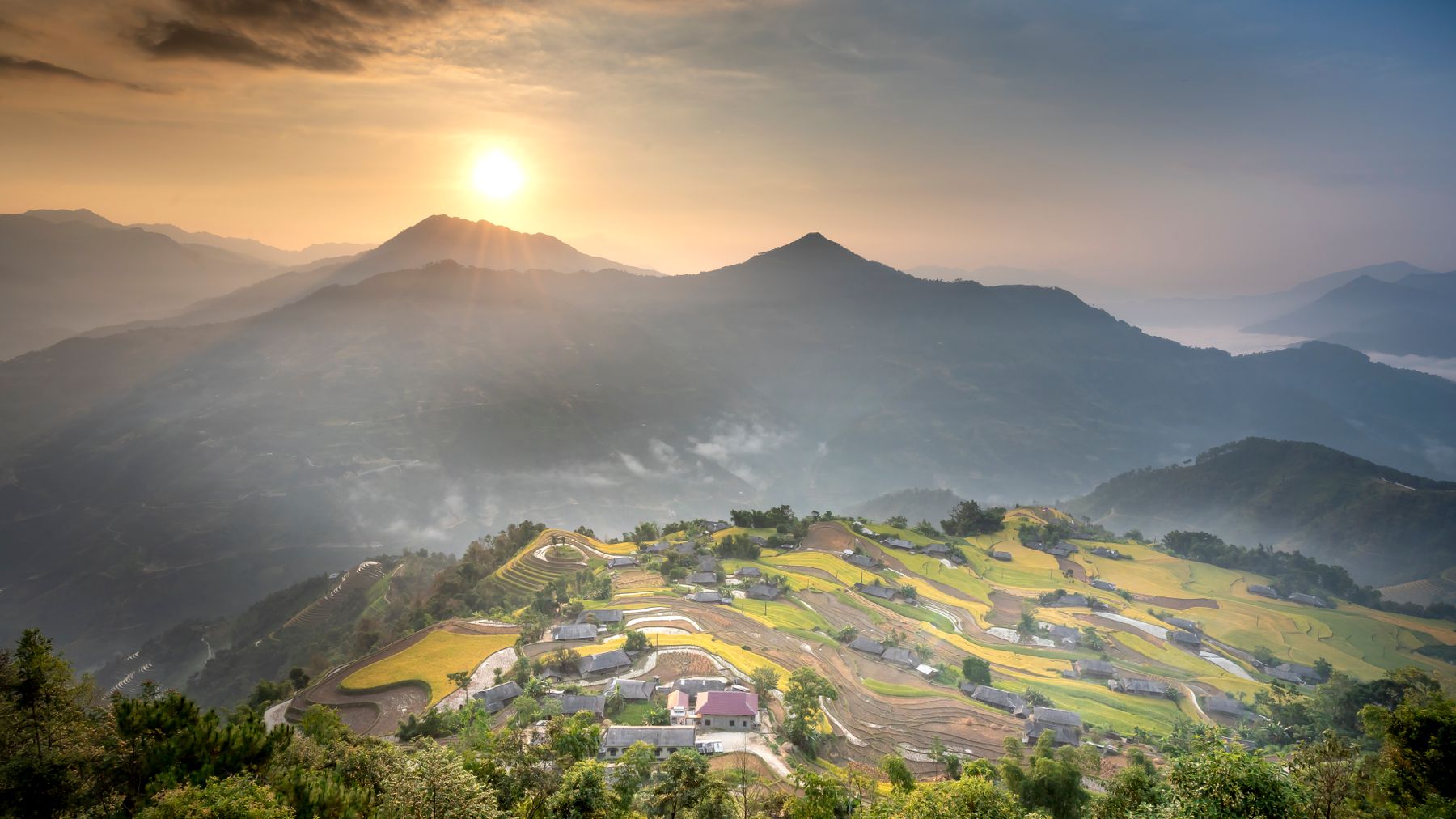
Photo by Quang Nguyen Vinh on Pexels
Practical Tips
- Bring cash. ATMs exist in town but aren't always stocked. Card payments are rare outside the newest hotels.
- Rent a motorbike in Kon Tum city if you don't have your own — options in Mang Den itself are limited.
- Phone signal is decent in town (Viettel is strongest) but drops off fast once you're on forest roads.
- Pack layers. It's easy to underestimate highland cold when you've been in tropical Vietnam for weeks.
Common Mistakes
- Treating it as a day trip from Kon Tum. The drive eats too much time. Two nights minimum to actually relax.
- Coming in heavy rain season without checking road conditions. The road to Voi Waterfall and some village tracks turn to mud. Ask locally before heading out.
- Expecting Da Lat. Mang Den has no night market, no cute boutique hotels, no "banh mi" carts on every corner. That's the appeal — but if you want infrastructure, you'll be disappointed.
Practical Notes
Mang Den works best as part of a broader Central Highlands loop — combine it with a few days in Kon Tum city, or route through on your way between Da Nang and Pleiku. It's not a destination you fly across the country for, but if you're already in the region and want somewhere genuinely quiet, it delivers.
Last updated · May 29, 2026 · independently researched, never sponsored.