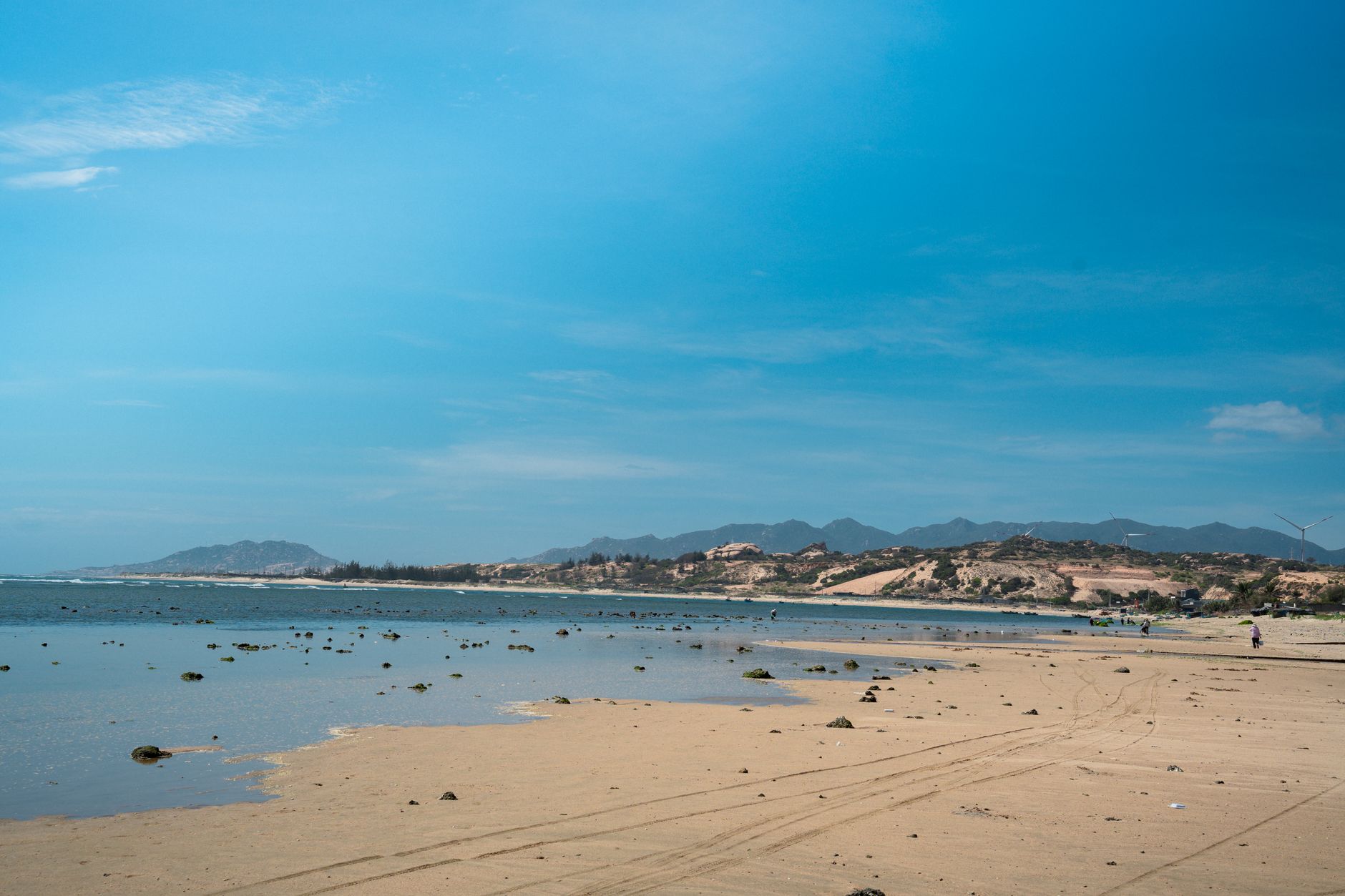
Muong Long is a small highland commune in Ky Son district, the westernmost edge of Nghe An province, sitting around 1,500 meters above sea level and roughly 18 km from the Lao border. It's home to mostly Hmong communities, terraced fields cut into steep slopes, and the kind of quiet that makes you realize how noisy the rest of Vietnam (베트남 / 越南 / ベトナム) actually is.
What Muong Long is — and isn't
This is not Sapa. There are no cable cars, no tour buses, no lines of souvenir shops. Muong Long is a working agricultural commune where Hmong families grow rice, corn, and — in the cooler months — fields of rapeseed and peach trees that turn the hillsides white and pink. The area has been compared to Ha Giang for its terrain, but the comparison only goes so far: Muong Long is far less visited, far less developed, and far more raw.
The commune gained some domestic attention around 2018-2020 when photos of its peach blossom season started circulating on Vietnamese social media. Before that, most Vietnamese outside Nghe An had never heard of it. Foreign visitors remain extremely rare.
Why travelers go
Two reasons, mainly. First, the landscape: dramatic valleys, limestone ridges, and terraced hillsides that shift color with the seasons — green in summer, golden before harvest, pink-white with blossoms in late winter. Second, the cultural experience. Muong Long's Hmong communities still wear traditional clothing daily, not for tourists. Weekly markets are actual markets, not photo ops. You're seeing highland life as it runs, not as it's performed.
If you've already done Ha Giang (하장 / 河江 / ハーザン) and Da Lat and you're looking for something genuinely off the standard Vietnam circuit, this is one of those places.
Best time to visit
Late January to mid-March is prime season. Peach blossoms and plum blossoms peak around Tet, and the rapeseed flowers carpet the lower slopes in yellow. Mornings are cold — expect 5-10°C, sometimes dropping near freezing at night in January. Bring layers.
September to November is the rice harvest window, when terraces turn gold. Less dramatic than blossom season but fewer domestic visitors.
Avoid June to August if you can. Heavy rain makes the mountain roads slippery and occasionally impassable. Landslides are a real risk on the route from Muong Xen.
How to get there
The nearest major hub is Vinh, Nghe An's capital. From Vinh, Muong Long is roughly 300 km west — and the distance is deceptive because the roads get progressively slower.
Vinh to Muong Xen (Ky Son district town)
Take a bus from Vinh's Ben Xe Bac terminal toward Ky Son. Several daily departures, journey takes 8-10 hours depending on conditions. Tickets run around 200,000-280,000 VND. The bus follows National Road 7, which is paved but narrow and winding past Con Cuong.
Muong Xen to Muong Long
From Muong Xen, it's another 25-30 km on a narrow mountain road. No public bus. You'll need to arrange a xe om (motorbike taxi) for around 150,000-250,000 VND one way, or rent a motorbike in Muong Xen if you're an experienced rider. The road has steep grades and loose gravel in sections — this is not a route for beginners.
Total travel time from Vinh: 10-12 hours. Yes, it's a full day. That's part of why so few people come.
If you're riding your own motorbike from Vinh, the full route is a genuine adventure — just budget for fuel stops and don't push it after dark.

Photo by Quang Nguyen Vinh on Pexels
What to do
Walk the terraced fields above the commune
The terraces above Muong Long village are best in early morning when mist sits in the valleys. There's no marked trail — just follow the paths between paddies. Ask a local homestay host to point you toward the higher viewpoints. Budget 2-3 hours for a solid loop.
Visit the weekly market
Muong Long's market runs on a rotating schedule (typically every 5-6 days — ask locally for the exact date). Hmong families come down from surrounding hamlets to trade rice, livestock, forest herbs, and handwoven textiles. Arrive early, before 8 AM, when it's busiest. This is a real trading market, not a tourist attraction — be respectful with cameras.
Ride to Muong Tip or Na Ngoi
Neighboring communes like Muong Tip and Na Ngoi offer similar highland scenery with even fewer visitors. The roads connecting them are rough but rideable on a motorbike in dry season. The loop through these communes takes a half-day and passes through some of the most remote landscape in Nghe An.
Catch sunrise from the ridgeline
The ridgeline east of the commune center gives a wide-angle view of the valley below. In cool months, clouds fill the valley floor at dawn and the effect is genuinely memorable. Your homestay host will know the spot — it's a 20-30 minute walk uphill.
Drink corn wine with your hosts
Hmong families in this area produce "ruou ngo" — corn wine — and sharing a glass after dinner is a standard part of homestay hospitality. It's strong, slightly sweet, and refusing is considered impolite. Pace yourself.
Where to eat
There are no restaurants in Muong Long in the way you'd find in a city. You eat at your homestay, and the food is home-cooked Hmong highland fare: sticky rice steamed in bamboo tubes, boiled greens from the hillside, "thit trau gac bep" (buffalo meat smoked above the kitchen fire), and "meo" — a thick, savory porridge. Meals at homestays typically cost 80,000-150,000 VND per person including rice and a few dishes.
In Muong Xen, there are a handful of "com binh dan" (everyday rice shops) along the main road where a plate runs 30,000-50,000 VND.
Where to stay
Homestays are your only real option in Muong Long itself. These are simple — wooden Hmong stilt houses with shared sleeping areas, thin mattresses, and no hot water in most cases. Expect 150,000-300,000 VND per night, often including dinner and breakfast. Book through local contacts or Vietnamese travel forums; don't expect English-language booking platforms to list anything here.
Muong Xen has a few basic guesthouses (nha nghi) in the 200,000-400,000 VND range with private rooms, hot water, and WiFi — a step up in comfort if you want a fallback.

Photo by Nikolett Emmert on Pexels
Practical tips locals would tell you
- Bring cash. There is no ATM in Muong Long. The nearest is in Muong Xen, and even that one is unreliable. Withdraw in Vinh before you head west.
- Pack warm clothes. Nights at 1,500 meters in January are legitimately cold. A down jacket and thermal layer aren't overkill.
- Learn five phrases in Vietnamese. Almost no one in Muong Long speaks English. Even basic Vietnamese — xin chao, cam on, bao nhieu — goes a long way. Some older residents speak primarily Hmong.
- Fuel up in Muong Xen. Petrol stations past Muong Xen are scarce and unreliable.
- Carry basic medicine. The nearest hospital is in Muong Xen. Bring your own first-aid kit, anti-diarrheals, and any prescription medication.
Common mistakes to avoid
- Underestimating the road. People see "25 km from Muong Xen" and think it's a quick ride. On a mountain road with switchbacks and gravel, it can take over an hour.
- Showing up without a plan for accommodation. There's no walk-in hotel. Arrange a homestay before you arrive — ask in Vietnamese travel groups on Facebook or contact Ky Son tourism offices.
- Flying a drone without asking. This is a border area. Drone use near the Lao border can attract attention from local authorities. Ask before you fly, or just don't.
- Treating the market like a zoo. Pointing cameras at people without asking first is rude anywhere, but especially here where visitors are uncommon. A smile and a gesture asking permission costs nothing.
Practical notes
Muong Long rewards patience and flexibility — getting there is half the journey, and plans may shift with weather or road conditions. It's one of the few places in central Vietnam where you can experience highland Hmong culture without the infrastructure (and crowds) that come with more established destinations. Just go in with realistic expectations about comfort, connectivity, and the fact that you're a guest in someone's home village.
Last updated · Aug 2, 2026 · independently researched, never sponsored.