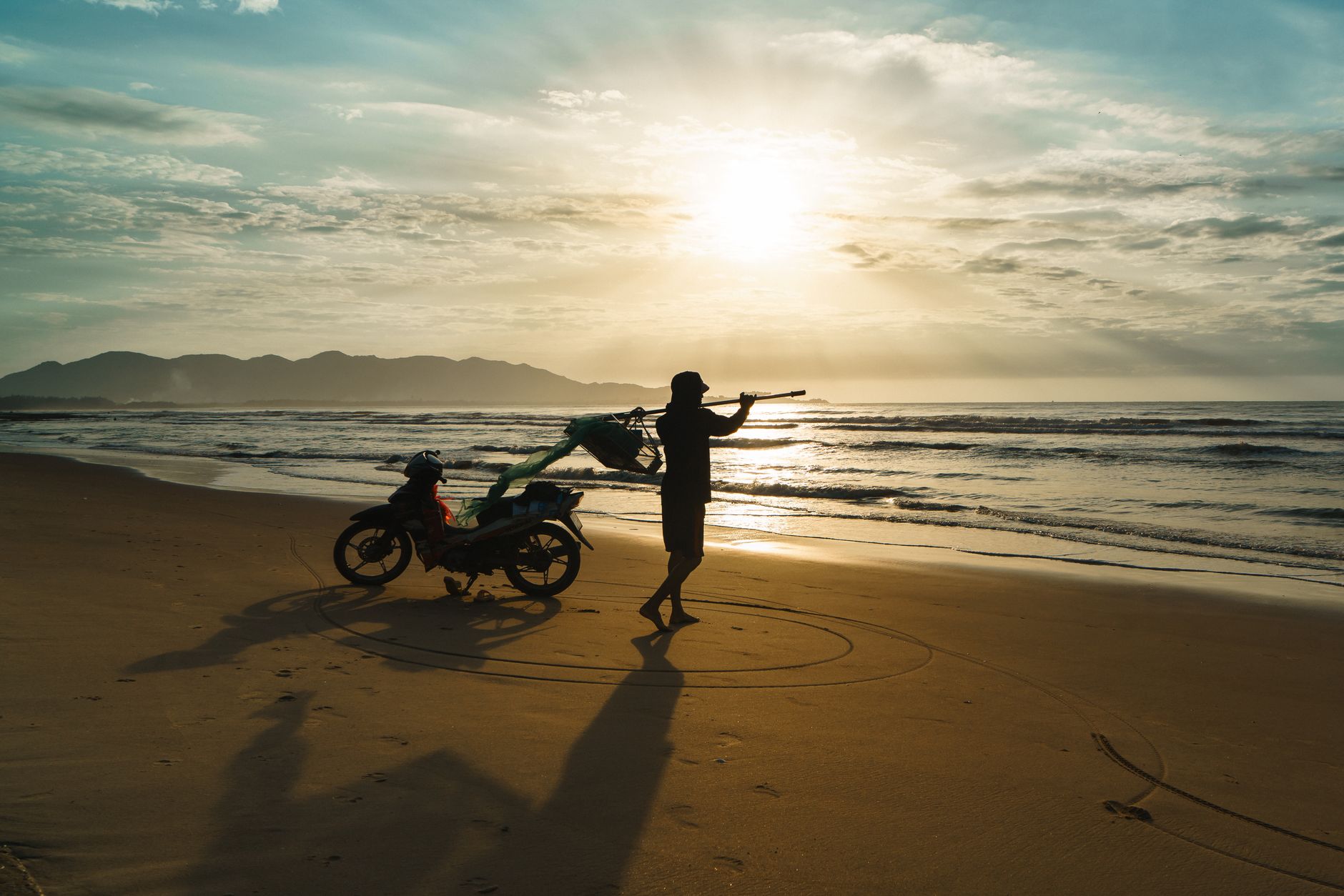
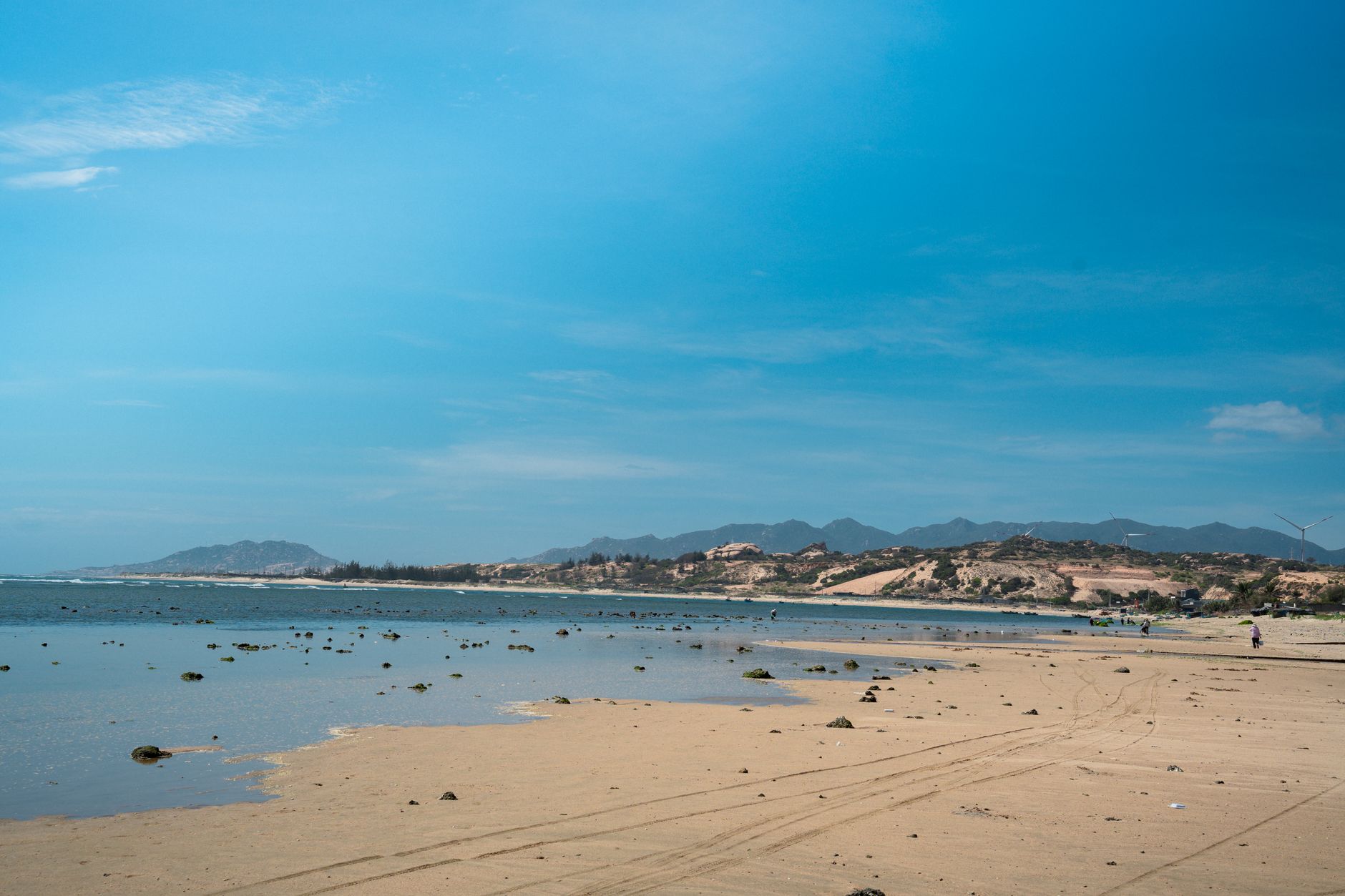
Dap Pha Lai sits in the western hills of Nghe An province, where the landscape shifts from coastal plains into the green folds of the Truong Son range. It's not on most itineraries, and that's precisely why it rewards the effort of getting there.
What it is
Dap Pha Lai is a reservoir dam built for irrigation and flood control in Nghe An's hilly interior. The dam creates a long, calm lake that cuts through forested valleys, with the surrounding terrain rising into low mountains covered in acacia and native hardwood. Unlike the heavily touristed lakes elsewhere in Vietnam (베트남 / 越南 / ベトナム), Pha Lai stays quiet — used mainly by local farmers, fishermen, and the occasional weekender from Vinh city.
The infrastructure dates to Vietnam's post-war development push, when dozens of small and mid-sized dams were constructed across the central provinces to manage water flow for rice cultivation downstream. Pha Lai was one of those practical projects that happened to produce something genuinely beautiful as a side effect.
Why travelers go
The draw is simple: open water, green hills, and almost nobody else around. The reservoir stretches out between ridgelines, and the banks are mostly undeveloped — just dirt tracks, patches of cassava, and stands of bamboo leaning over the waterline. It's the kind of place where you sit on a rock for an hour and realize you haven't looked at your phone.
Photographers come for the early morning mist that pools over the water surface, especially between October and January. Cyclists working routes through western Nghe An use the dam as a waypoint. And a growing number of domestic travelers treat it as a weekend escape from Vinh, which is the nearest city of any size.
Best time to visit
The sweet spot is October through March. The rainy season winds down by mid-October, the reservoir is full, and the surrounding vegetation is at peak green. Mornings are cool — sometimes down to 15°C in December and January — and the mist over the water is thickest during these months.
Avoid June through August if you can. The heat is serious (regularly above 38°C in Nghe An's interior), and afternoon storms can turn the access roads muddy. April and May are manageable but dry and hazy.
How to get there
The nearest major hub is Vinh, roughly 70-80 km to the east depending on your exact route. Most travelers either rent a motorbike in Vinh or arrange a car.
- Motorbike from Vinh: Take QL46 west, then follow provincial roads toward the dam. The ride takes about 2-2.5 hours depending on road conditions and stops. Rental bikes in Vinh run 120,000-180,000 VND/day for a semi-automatic Honda.
- Private car/taxi: A return day trip by private car costs roughly 1,200,000-1,500,000 VND. Grab is available in Vinh but drivers may not want to go this far west — negotiate directly or book through your hotel.
- Getting to Vinh: Vinh has an airport (VII) with daily flights from Hanoi and Saigon. The Reunification Express train stops at Vinh station. Sleeper buses from Hanoi take about 5-6 hours and cost around 200,000-280,000 VND.
There's no public bus running directly to the dam. You need your own wheels or a hired vehicle for the last stretch.
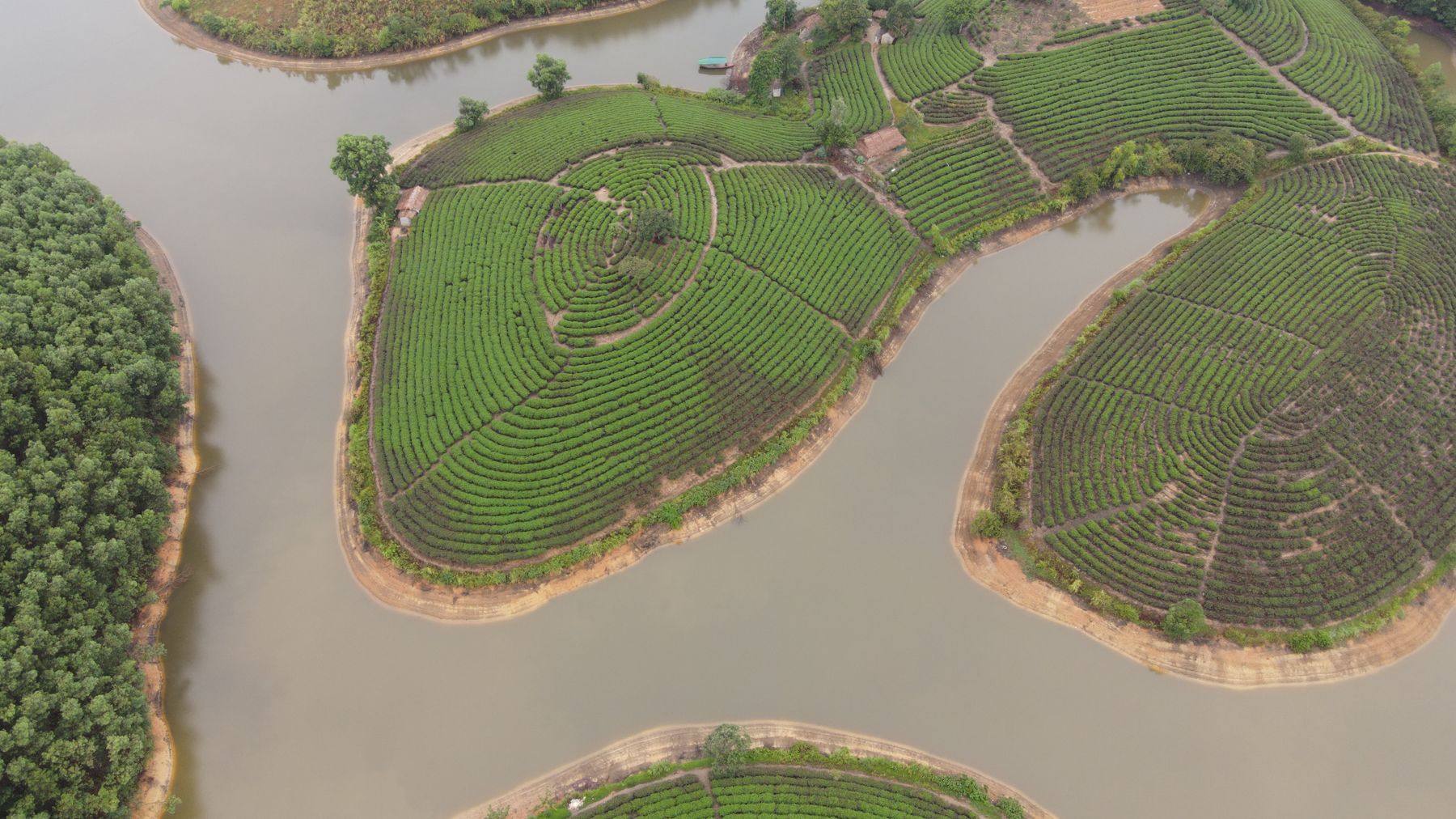
Photo by Quang Nguyen Vinh on Pexels
What to do
Walk the dam crest and reservoir banks
The dam crest itself gives you the widest view of the reservoir. From there, follow the dirt paths along the northern bank — the terrain is easy, mostly flat, and you can walk for a couple of kilometers before the trail fades into farmland. Bring water; there's no vendor out here.
Early morning photography
Be at the water by 5:30-6:00 AM if you want the mist shots. The fog sits low and burns off by 8:00, sometimes earlier. The eastern end of the reservoir, where the valley narrows, tends to hold mist the longest.
Fishing with locals
The reservoir has tilapia, carp, and catfish. Local fishermen use simple rod-and-line setups from the banks. If you're friendly and patient, someone will usually let you join. Don't expect a gear rental shop — bring a basic rod from Vinh if you're serious, or just watch.
Cycle the surrounding roads
The provincial roads west of Vinh are some of the best cycling in Nghe An — low traffic, rolling hills, and villages that see very few foreign faces. Loop the reservoir and extend south toward the hill country for a solid 40-60 km ride.
Visit nearby villages
The ethnic Thai communities in western Nghe An maintain stilt-house architecture and weaving traditions. Villages within 10-15 km of the dam are worth a respectful visit. Don't barge in with a camera — ask first, buy something small, and take your time.
Where to eat nearby
Don't expect restaurants at the dam. Eat in the nearest town or bring supplies from Vinh.
Nghe An is known for "luon" (eel) dishes — look for "mien luon" (eel with glass noodles) and "chao luon" (eel porridge) at local food stalls in the district towns. A bowl runs 25,000-40,000 VND. The province also produces excellent "cam Vinh" (Vinh oranges), available fresh at roadside stalls from October onward.
If you're heading back through Vinh, the city has solid "bun bo Hue" — a spicier version than you'd find further south — and decent "banh mi" vendors along Quang Trung street.
Where to stay
There's no accommodation at the dam itself. Your options:
- Vinh city: Budget hotels and guesthouses from 250,000-400,000 VND/night. Mid-range options like Muong Thanh Vinh run 600,000-900,000 VND. Vinh isn't a charming city, but it has everything you need.
- Homestays in western Nghe An: A few Thai-community homestays operate in the hill districts. Expect basic rooms, shared bathrooms, and home-cooked meals. Prices range from 150,000-300,000 VND/night including dinner and breakfast. Ask at local commune offices or search Vietnamese-language booking groups on Facebook.
- Camping: Some domestic travelers camp near the reservoir banks. There are no facilities — bring everything, pack out your trash, and check with locals before pitching a tent on what might be someone's farmland.

Photo by Quang Nguyen Vinh on Pexels
Practical tips locals would tell you
- Fuel up in Vinh. There are petrol stations along the main road, but they thin out as you head west. Don't leave Vinh with less than a full tank.
- Cash only. There are no ATMs near the dam. Bring enough dong for the day plus a buffer.
- Sunscreen and a hat. The reservoir reflects hard, and shade is limited along the banks.
- Download offline maps. Google Maps coverage is patchy in western Nghe An. Maps.me or offline Google tiles will save you from wrong turns.
- Mosquito repellent after 4 PM. The reservoir banks come alive with insects at dusk. Long sleeves help.
Common mistakes to avoid
- Underestimating the distance. The 70-80 km from Vinh sounds short, but winding provincial roads and possible construction slow you down. Leave early.
- Coming without food or water. There's nothing at the dam. Pack lunch, snacks, and at least 2 liters of water per person.
- Expecting tourist infrastructure. No ticket booth, no guide, no cafe. That's the appeal, but it also means you're on your own if something goes wrong. Tell someone at your hotel where you're going.
- Visiting mid-summer. The heat in Nghe An's interior during June-August is genuinely dangerous. If you must go, start before dawn and finish by noon.
Practical notes
Dap Pha Lai works best as a day trip from Vinh or a stop on a longer motorbike route through western Nghe An toward Ha Tinh or the Laos border crossing at Cau Treo. It pairs well with a broader central Vietnam itinerary — a few days in Hue or Da Nang, then north through Ha Tinh and Nghe An before continuing to Ninh Binh (닌빈 / 宁平 / ニンビン) or Hanoi. Come with low expectations and a full tank, and the place will deliver exactly what it looks like: quiet water, green hills, and a day away from the tourist trail.
Last updated · Sep 1, 2026 · independently researched, never sponsored.