Most people passing through Ninh Thuan are on the overnight bus between Da Nang and Saigon, watching the red sand dunes blur past the window. That's a mistake. This narrow coastal province — the driest in Vietnam, averaging under 700mm of rain a year — has developed a food culture unlike anywhere else in the country, built around what actually grows here: grapes, goats, and the traditions of the Cham people who have farmed this land for over a millennium.
The Grapes (and the Wine)
Ninh Thuan produces the overwhelming majority of Vietnam (베트남 / 越南 / ベトナム)'s table grapes, concentrated around the town of Phan Rang, specifically in the villages along National Highway 27 toward Da Lat. The dry heat and well-drained sandy soil produce thick-skinned red varieties — primarily the locally grown "nho NH01-48" and the Cardinal grape — harvested twice a year, in April and October.
You'll see grape arbors stretching off the road for kilometers. Pull over at any roadside stall and buy a bunch for around 30,000–50,000 VND per kilogram. They're sweet, concentrated, nothing like the watery supermarket grapes you get in Hanoi.
The wine side is less polished but worth the curiosity. Ninh Thuan winery (also marketed as Vang Ninh Thuan) operates near Phan Rang and produces both red and rosé from local grapes. It isn't French Bordeaux — the climate pushes sugar levels high and acidity low, so the reds lean jammy and the rosé is the more balanced option. A bottle at the winery shop runs 120,000–180,000 VND. Buy one to drink with dinner; buy a second to understand what you're tasting. Tours of the production facility are available weekday mornings and cost around 50,000 VND.
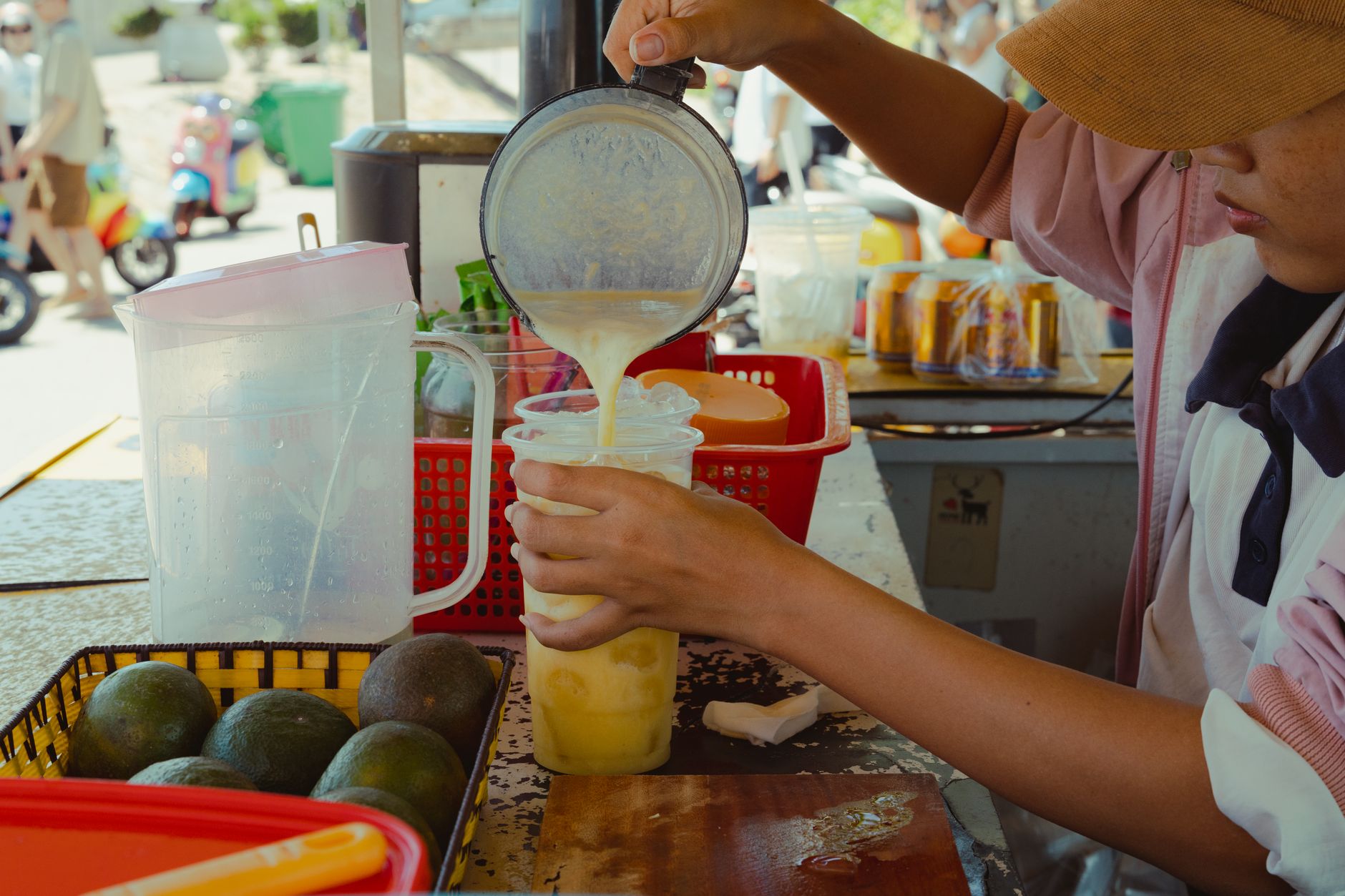
If wine doesn't interest you, the grape juice sold fresh at roadside stalls — squeezed to order, no ice, no sugar added — is one of the better 15,000 VND drinks you'll find in Vietnam.
Goat Meat, Done Every Way
The limestone hills and scrub-covered plains of Ninh Thuan are genuinely goat country. The province raises more goats than anywhere else in Vietnam, and the local food culture has built a serious repertoire around them.
"De nuong" (charcoal-grilled goat) is the anchor dish — meat marinated in lemongrass, chili, and fermented shrimp paste, then grilled over live coals until the edges blacken. You eat it wrapped in rice paper with fresh herbs and dip it in a tart tamarind sauce. The best version I've had is at the cluster of open-air restaurants on Nguyen Trai street in Phan Rang, where the grills get going around 5pm. Budget 150,000–200,000 VND per person for a full spread.
"De tai chanh" is the sharper cousin — thin-sliced raw goat cured briefly in lime juice, tossed with roasted peanuts, fresh chili, and Vietnamese coriander. It arrives at the table still slightly translucent at the center. It's the dish that separates the curious eaters from the careful ones. Order it.
There's also "de hap sa" (goat steamed with lemongrass) and "de xao lan" (goat stir-fried with lemongrass and coconut milk), though these show up less frequently outside the dedicated goat restaurants. If you want the full range, the stretch of highway between Phan Rang and the Cham towers at Po Nagar has several places that specialize in all four preparations on a single menu.

Photo by Quang Nguyen Vinh on Pexels
Cham Desserts and Rice Cakes
The Cham community in Ninh Thuan — one of the largest Cham populations remaining in Vietnam — has its own food traditions that sit mostly outside the mainstream Vietnamese culinary conversation. They're worth seeking out.
"Banh gung" is a dense, chewy rice cake made with ginger and palm sugar, wrapped in banana leaf. It's sold at Cham village markets and occasionally at the morning market in Phan Rang city. The texture is somewhere between a Japanese mochi and a stiff "banh chung" — sticky, heavy, intensely sweet from the palm sugar. One piece is usually enough.
"Tapai" is a fermented sticky rice dish — rice fermented with a yeast cake for two to three days until it develops a mild, sour-sweet funk. It's served in small portions as a dessert or snack at Cham festivals, though you can find it bottled at some market stalls. Ask at the market near the Cham towers in the Ninh Phuoc district.
Sesame-seed candies and date-palm sugar blocks ("duong thot not") also circulate through Cham markets and make practical things to bring back. The palm sugar in particular is used as a cooking ingredient throughout the region and tastes notably different from the refined cane sugar used elsewhere — more caramel, slightly smoky.

Photo by HỨA QUANG THỚI on Pexels
Where to Base Yourself
Phan Rang-Thap Cham is the provincial capital and the logical base. It's not a tourist town — accommodation is mostly business hotels in the 300,000–600,000 VND range — but the market (Cho Phan Rang) is genuinely good in the early morning, the goat restaurants cluster nearby, and you're 7 km from the Po Nagar Cham towers if you want cultural context for what you've been eating.
Da Lat (달랏 / 大叻 / ダラット) is 110 km west on Highway 27, a straightforward two-hour drive if you're doing a regional loop. The road climbs through the grape-growing flats before hitting the pine forests of the highlands.
Practical Notes
Ninh Thuan is hot and dry year-round; bring water and expect temperatures above 35°C from March through October. The grape harvest seasons (April and October) are the best times to visit if you want to see the vineyards in full production. Most goat restaurants close by 9pm, so plan dinner early.
Last updated · May 26, 2026 · independently researched, never sponsored.