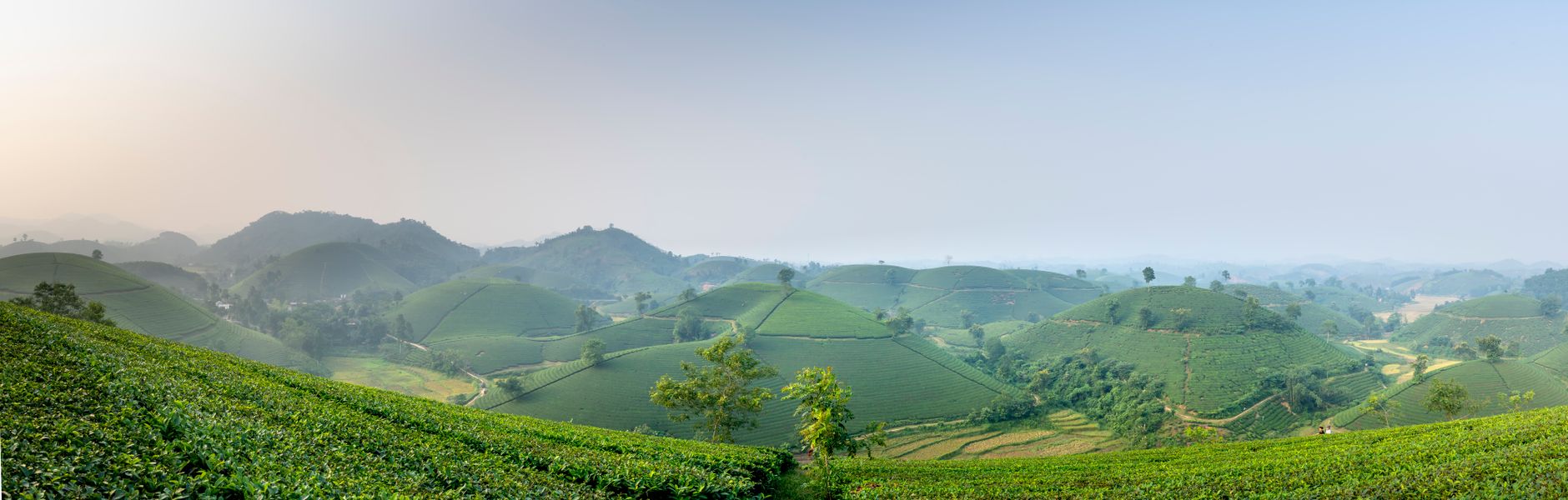
Thai Nguyen feels like a place people pass through on the way to somewhere else — which is why the food is still cheap and real. It's a highland city 80km north of Hanoi, famous for tea plantations but sleeping when it comes to tourism hype. That's the advantage: you eat where locals eat, prices stay low, and nobody's markup-gaming the menu.
The Tea-Driven Food Culture
Tea isn't just a crop here — it shapes what people eat and when. Breakfast often happens light: sticky rice with grilled meat or a bowl of "pho" at 5 a.m., then tea and a snack mid-morning. Lunch is the main meal. Dinner is often just leftovers or a light soup. If you're visiting during harvest season (April–May and September–October), you'll see workers eating fast, energetically, because tea-picking is physically brutal.
The regional signature is "com tam" — broken-rice dishes that cost 20,000–30,000 VND ($0.85–$1.30 USD) at a proper stall. It comes with grilled pork, fried egg, pickled vegetables. Look for the places with a line of local workers, not the ones with laminated menus and English signs.
Where Locals Actually Eat
Morning: Pho (쌀국수 / 越南河粉 / フォー) and sticky rice
Hit any "pho" stall in Tan Thinh Ward before 7 a.m. A bowl is 25,000–35,000 VND ($1.05–$1.50). The broth is lighter than Hanoi (하노이 / 河内 / ハノイ)'s — less star anise, more ginger. Ask for "pho tai" (rare beef) and they'll add hot broth to cook it in front of you. Sticky rice vendors set up on the same corners; a wrapped bundle is 5,000–10,000 VND ($0.21–$0.43).
Lunch: Com tam and regional soup
Com tam stalls cluster around Thai Nguyen Market (Cho Thai Nguyen) in the city center. The best ones have a plastic table, no signage, and a owner who's been there 20 years. Expect to pay 30,000–50,000 VND ($1.30–$2.15) for a full plate with meat, egg, and sides. If you want soup instead, try "bun rieu" (crab and tomato broth with rice noodles) — it's heavier in the north and comes with a side of "cha gio" (fried spring rolls). Around 35,000–45,000 VND ($1.50–$1.93).
Afternoon: Sticky rice cake and tea
This is uniquely Thai Nguyen timing. Around 3–4 p.m., vendors sell "banh chung" (square sticky rice cakes wrapped in dong leaves) and "banh cuon" (steamed rice rolls with pork and mushrooms). These are traditionally Tet foods, but vendors here sell them year-round because the climate suits sticky rice production. 10,000–20,000 VND ($0.43–$0.86) each. Pair with a glass of local green tea from any tea shop — 10,000–15,000 VND ($0.43–$0.65).
Evening: Grilled meat and "ca phe sua da"
Large grilled meat skewers ("thit nuong") come in bundles of 3–5 for 20,000–40,000 VND ($0.86–$1.72). Grab them from a street vendor near the market, then find a tea shop or cafe and order "ca phe sua da" (iced coffee with condensed milk). Coffee here is strong, because the altitude suits Robusta beans. A cup is 15,000–25,000 VND ($0.65–$1.07).
Signature Dishes to Seek Out
Com tam with fried shrimp paste (Com tam com rang)
This is com tam elevated — the shrimp paste is cooked dry and nutty, not wet. Only certain stalls make it well. Ask locals which one. Around 35,000 VND ($1.50).
Bun cha with sticky rice vermicelli
Unlike Hanoi's "bun cha" (grilled pork patties with dipping broth), Thai Nguyen's version sometimes comes with sticky rice noodles instead of regular vermicelli, making it heavier and more suited to the cooler climate. 30,000–40,000 VND ($1.30–$1.72).
Grilled fish wrapped in banana leaf (Ca nuong la chuoi)
Found at night markets and vendor stalls. The leaf keeps the fish moist; the flesh is mild. 40,000–60,000 VND ($1.72–$2.58).
Sticky rice with roasted sesame (Xoi vu du)
A dessert-adjacent dish: sticky rice cooked with sesame seeds, sometimes sweetened with a bit of sugar. Vendors sell it at breakfast and afternoon snack time. 15,000–25,000 VND ($0.65–$1.07).
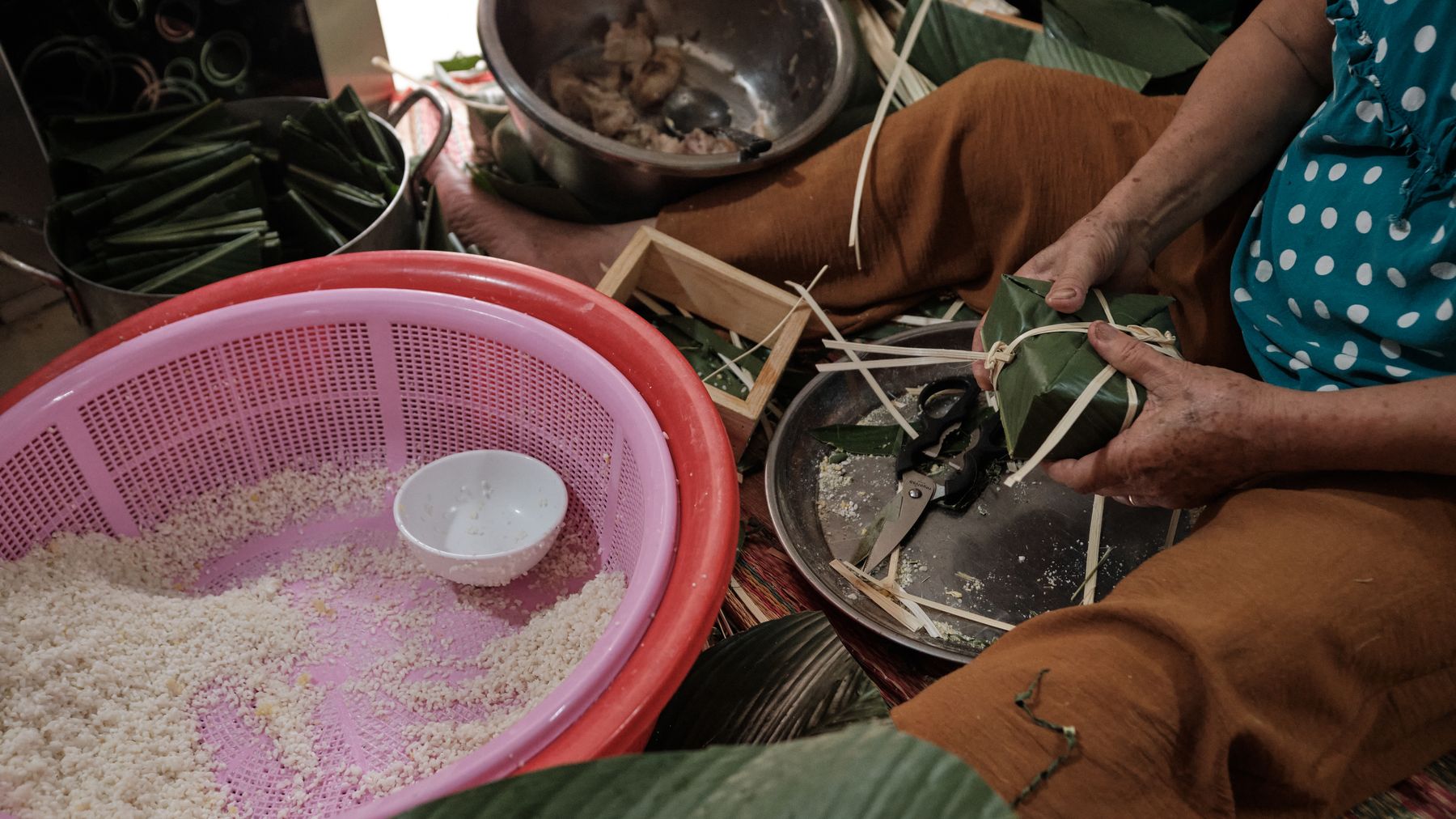
Photo by Nguyen Truong Khang on Pexels
Where to Skip
Thai Nguyen has a small tourism infrastructure, which is good for authenticity but bad if you're looking for "Instagram-worthy" cafes or fusion restaurants. There are a couple of tourist-oriented tea cafes near the Tea Museum that charge 40,000–80,000 VND ($1.72–$3.44) for a pot of tea that you'd get for half elsewhere. They're not bad — the tea is real — but the markup is real too.
Avoid restaurants with neon signs and laminated menus in the hotel districts. You'll pay 60,000–120,000 VND ($2.58–$5.15) for a dish that should cost half, and the food won't taste like Thai Nguyen anymore.
The Market: Thai Nguyen Cho
This is the heartbeat of eating here. Open 5 a.m.–8 p.m., it's where you'll find sticky rice vendors, "pho" stalls, grilled-meat carts, and tea-leaf sellers. Walk the perimeter first, see who's busy (always a good sign), then sit. No English menus; point and nod. Eating here, you'll spend 25,000–50,000 VND ($1.07–$2.15) per meal, including a drink.

Photo by Sergey Guk on Pexels
Cost Breakdown
- Breakfast (pho + sticky rice): 30,000–40,000 VND ($1.30–$1.72)
- Lunch (com tam or bun): 35,000–50,000 VND ($1.50–$2.15)
- Afternoon snack (sticky rice + tea): 20,000–30,000 VND ($0.86–$1.30)
- Dinner (grilled meat + rice): 40,000–70,000 VND ($1.72–$3.01)
- Daily food budget: 130,000–190,000 VND ($5.59–$8.16) if you eat at local stalls
This assumes three meals plus a snack. If you eat at a small seated restaurant instead of a stall, add 20–30% to those prices.
Practical Notes
Thai Nguyen's food scene is cash-only at stalls and markets. Bring small bills (10,000 and 20,000 VND notes). Motorbike taxis are the fastest way to reach markets; say the shop name or describe the stall ("the one with the long line"). English is rare, so learning "pho", "com tam", and "ca phe" helps. If you're staying overnight, the tea plantations themselves sometimes host casual meals for guests; ask your guesthouse.
Last updated · May 29, 2026 · independently researched, never sponsored.