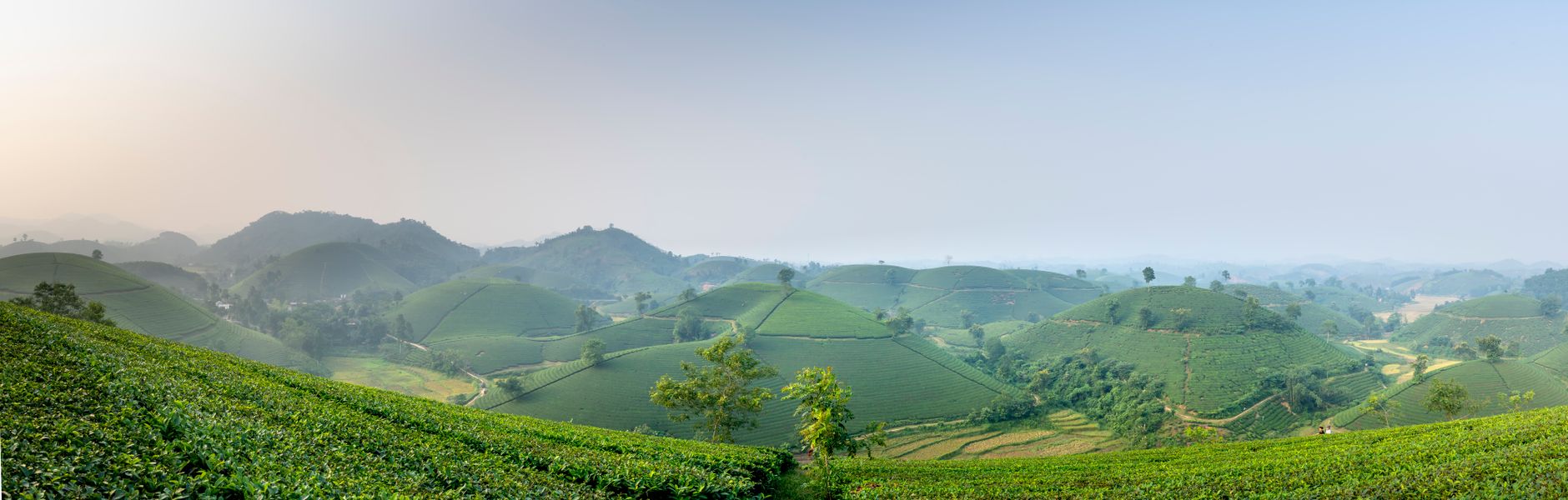
Dong Hua Ma is one of the largest caves in northern Vietnam (베트남 / 越南 / ベトナム), a sprawling limestone chamber system tucked into the karst mountains near Ba Be Lake. Following the administrative merger that folded the former Bac Kan province into Thai Nguyen, the cave now sits within Thai Nguyen's expanded borders — but the landscape hasn't changed. It's still the same remote, forested corner of the northeast that most travelers skip entirely.
What it is
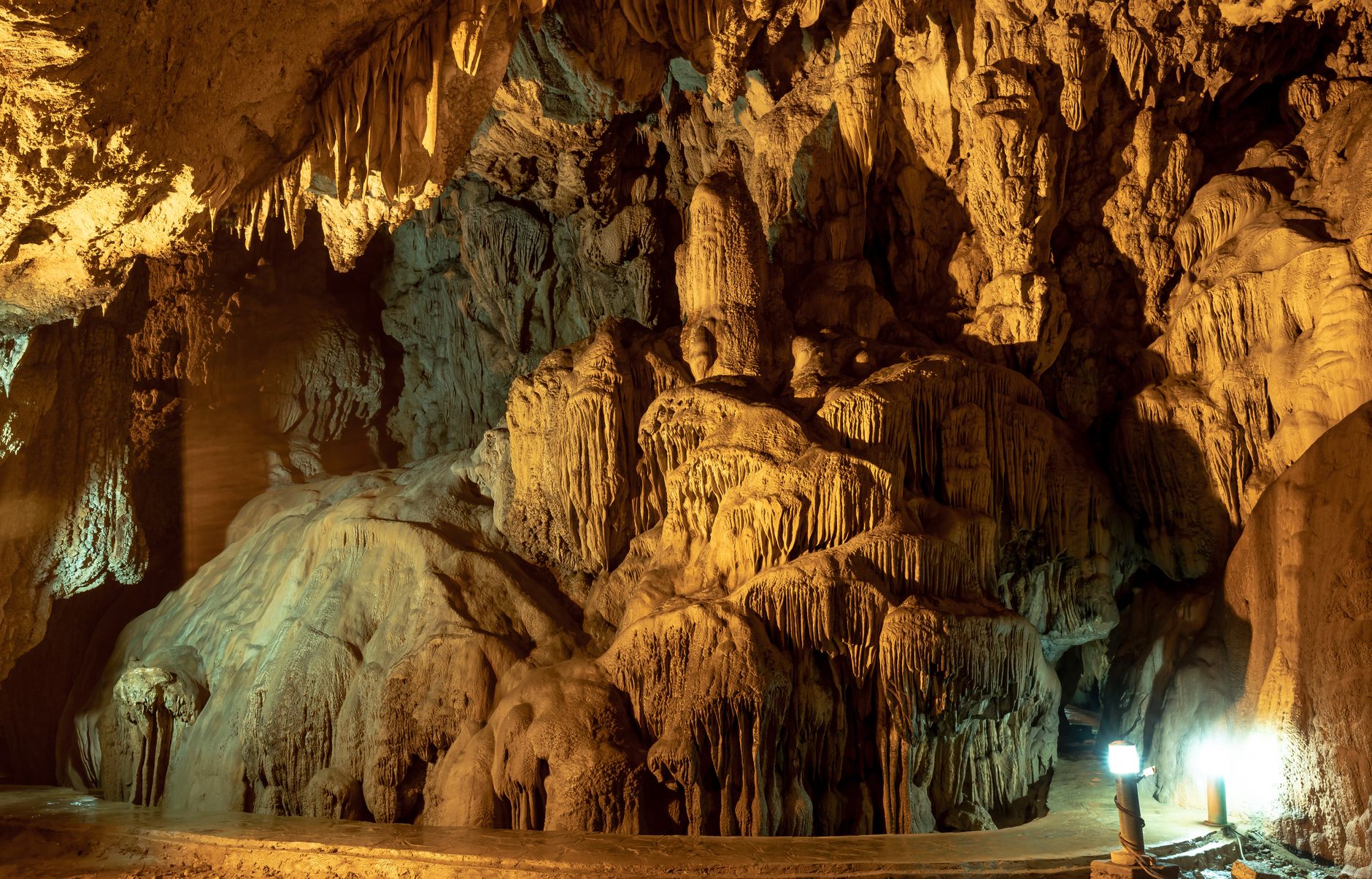
Dong Hua Ma — sometimes written Hua Ma Cave — is a natural limestone cave located in the Phuc Loc commune area, about 8 km from Ba Be Lake. The main chamber stretches roughly 700 meters deep and opens into cathedral-sized caverns with stalactites and stalagmites that have been forming for millions of years. The ceilings in some sections reach 50-60 meters high.
Local Tay ethnic communities have known about the cave for generations. The name roughly translates to "tiger head" in the Tay language, tied to old stories about tigers that once roamed the surrounding forests. The cave was only opened to visitors in the early 2010s, and it still sees a fraction of the traffic that places like Ha Long Bay or Phong Nha get.
Why travelers go
Three reasons, mostly. First, the scale — Dong Hua Ma's main chamber is genuinely enormous, and because visitor numbers stay low, you can stand inside it without a crowd. Second, the setting. The drive in passes through valleys of rice paddies bordered by limestone cliffs, Tay stilt-house villages, and forest. It doesn't feel like a tourist corridor. Third, it pairs naturally with Ba Be Lake, one of the few large natural freshwater lakes in Vietnam, making it easy to combine both in a single trip.
If you've done the more popular cave circuits in Phong Nha (퐁냐 / 峰牙 / フォンニャ) and want something quieter and rougher around the edges, Dong Hua Ma fits.
Best time to visit
September through November is the sweet spot. The summer rains have tapered off, the rice terraces around the approach road are green or golden depending on harvest timing, and temperatures sit in the low 20s°C — comfortable for the walk into the cave.
December to February gets cold up here, sometimes dropping to 8-10°C, and the cave interior feels damp and chilly. March through May is pleasant but drier, so the surrounding landscape is less dramatic. June through August brings heavy rain; the access road can get muddy and slippery, and leeches come out in the forest.
How to get there
The practical starting point for most travelers is Hanoi, about 270 km south.
By bus: Catch a bus from My Dinh bus station in Hanoi heading to Bac Kan town (the former provincial capital, now a district center within Thai Nguyen). The ride takes about 5-6 hours and costs 150,000-200,000 VND. From Bac Kan town, you'll need to arrange a "xe om" (motorbike taxi) or private car to Ba Be Lake area, another 60 km and roughly 1.5 hours on winding mountain roads. Expect to pay around 250,000-400,000 VND for a one-way motorbike ride, or 600,000-800,000 VND for a private car.
By motorbike: If you ride, the route from Hanoi via Highway 3 (QL3) through Thai Nguyen city and onward to Bac Kan takes 6-7 hours with stops. The last 30 km to the cave area is narrow mountain road — manageable on a semi-automatic but more comfortable on a manual bike.
From Ba Be Lake: If you're already at Ba Be, Dong Hua Ma is about 8 km away. Most homestays near the lake can arrange a boat-and-motorbike combo or a motorbike ride directly to the cave entrance for 100,000-150,000 VND.
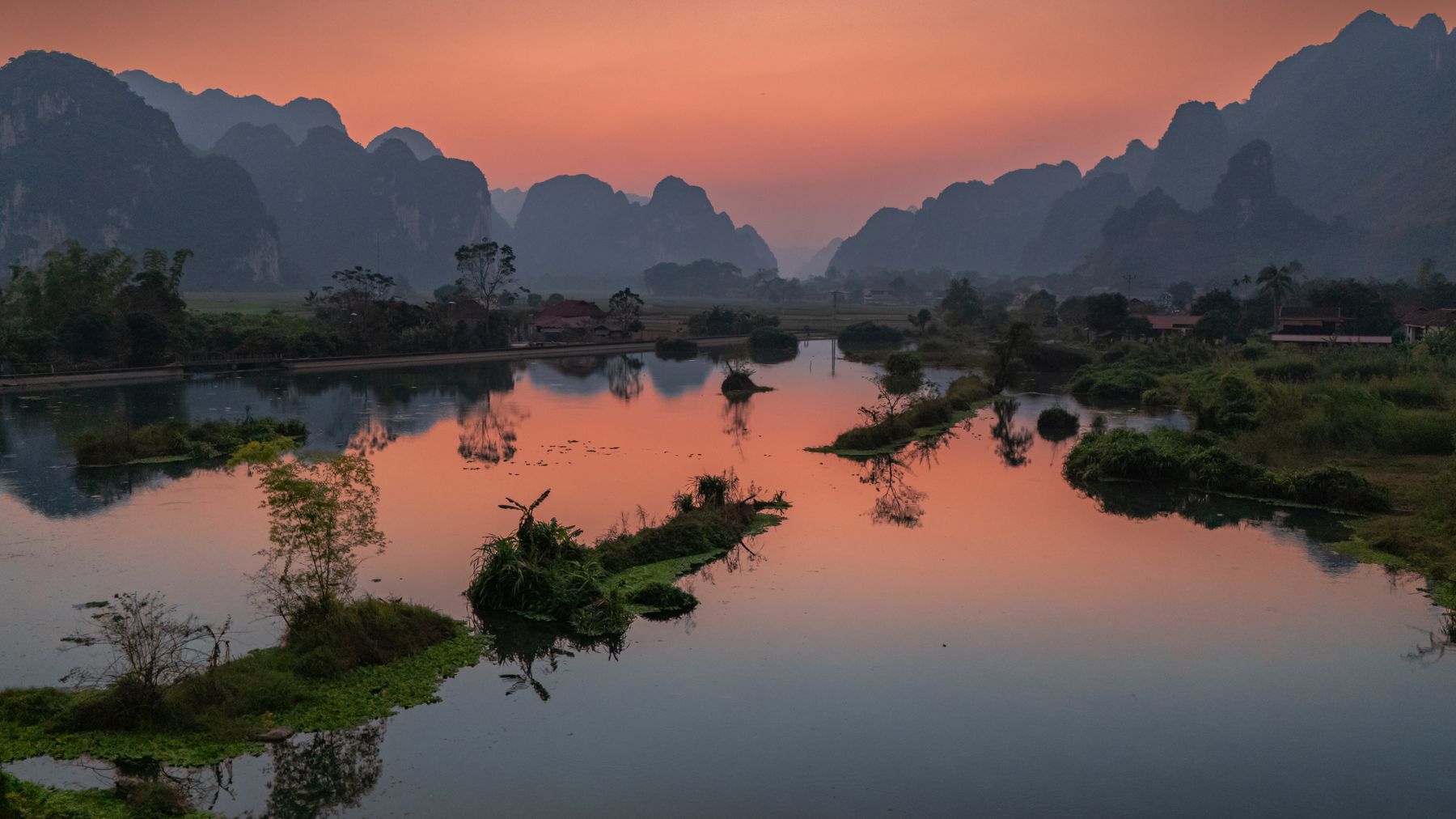
Photo by Sergey Guk on Pexels
What to do
Walk the main cave chamber
The main path through Dong Hua Ma takes about 45 minutes to an hour. The cave has basic lighting installed — colored LEDs, which are garish but functional. A local guide meets you at the entrance and walks you through. The entry fee is 40,000 VND per person; the guide is included. Bring a headlamp or phone flashlight anyway, because some side passages are unlit and worth poking into.
Explore the surrounding forest trail
A footpath from the cave parking area loops through primary forest for about 2 km. It's not signed, so ask your guide or homestay host to point you in the right direction. Good for birdwatching in the early morning — the area has hornbills and several kingfisher species.
Combine with Ba Be Lake
Most visitors pair Dong Hua Ma with a boat trip on Ba Be Lake. The standard lake tour (3-4 hours by wooden longboat) costs around 300,000-500,000 VND per boat and covers Puong Cave, Dau Dang Waterfall, and the lake islands. Do the cave in the morning, the lake in the afternoon, or split across two days.
Visit a Tay village
Several Tay stilt-house villages sit along the road between Ba Be Lake and Dong Hua Ma. Pac Ngoi village is the most accessible. You can walk through, watch rice being processed, and — if you stay at a homestay — join a communal dinner with rice wine.
Catch sunrise from the lake shore
If you overnight near Ba Be, the fog that settles on the lake at dawn is worth waking up for. It lifts by about 7:30 AM most mornings during autumn.
Where to eat nearby
Restaurant options are limited. Most meals happen at homestays, which serve family-style spreads of local food.
Look for "com lam" — sticky rice cooked inside bamboo tubes over charcoal. It's a Tay staple and tastes different from anything you'll get in Hanoi. The other dish to try is grilled stream fish, usually small freshwater fish seasoned with "mac khen" (a local wild pepper) and wrapped in banana leaves. Both are standard homestay dinner items and cost roughly 80,000-120,000 VND per person for a full meal including rice, vegetables, and a few meat dishes.
If you want pho or standard Vietnamese coffee for breakfast, the small market town near Bac Kan has basic "quan com" (rice shops) and coffee stalls.
Where to stay
Homestays near Ba Be Lake are the main option. Pac Ngoi village has the highest concentration.
- Budget homestays: 150,000-250,000 VND per night. Shared sleeping on mats in the stilt house, mosquito nets provided, shared bathroom. Basic but atmospheric.
- Mid-range homestays: 400,000-600,000 VND per night. Private rooms, hot water, sometimes a balcony overlooking the lake. Mr. Linh's Homestay and Ba Be Lake Homestay are both reliable.
- Ba Be National Park guesthouse: Around 500,000-700,000 VND. More hotel-like, less character, but has air conditioning if the humidity bothers you.
There's nothing directly at Dong Hua Ma itself — plan to base yourself at Ba Be Lake.

Photo by Quang Nguyen Vinh on Pexels
Practical tips locals would tell you
- Wear shoes with grip. The cave floor is wet and uneven, and the path from the parking area is steep in places. Flip-flops are a bad idea.
- Bring water and snacks. There's one small shop at the cave entrance, but stock is unreliable.
- Cash only everywhere. The nearest ATM is in Bac Kan town. Bring enough VND for 2-3 days if you're staying at Ba Be.
- Phone signal is patchy. Viettel works best in this area; Mobifone and Vinaphone drop out frequently.
- If you're riding a motorbike, fill up in Bac Kan town. Fuel stops get sparse after that.
Common mistakes to avoid
Trying to day-trip from Hanoi. The 5-6 hour drive each way makes a day trip exhausting and pointless. Budget at least one overnight, ideally two.
Skipping the guide. The cave is large enough to get disoriented in, and the guide points out formations and side passages you'd walk right past. It's included in the entry fee — just use it.
Visiting only the cave. Dong Hua Ma alone is a 45-minute experience. The real value is the whole Ba Be area: the lake, the villages, the forest. Plan for the combination, not just the cave.
Practical notes
Dong Hua Ma is open daily, typically 7:30 AM to 5:00 PM. The entry fee of 40,000 VND hasn't changed in several years but may adjust. The cave is a solid addition to any Ninh Binh-to-northeast loop or as a standalone side trip from Hanoi for travelers who want mountains and quiet over beach and crowds.
Last updated · May 29, 2026 · independently researched, never sponsored.