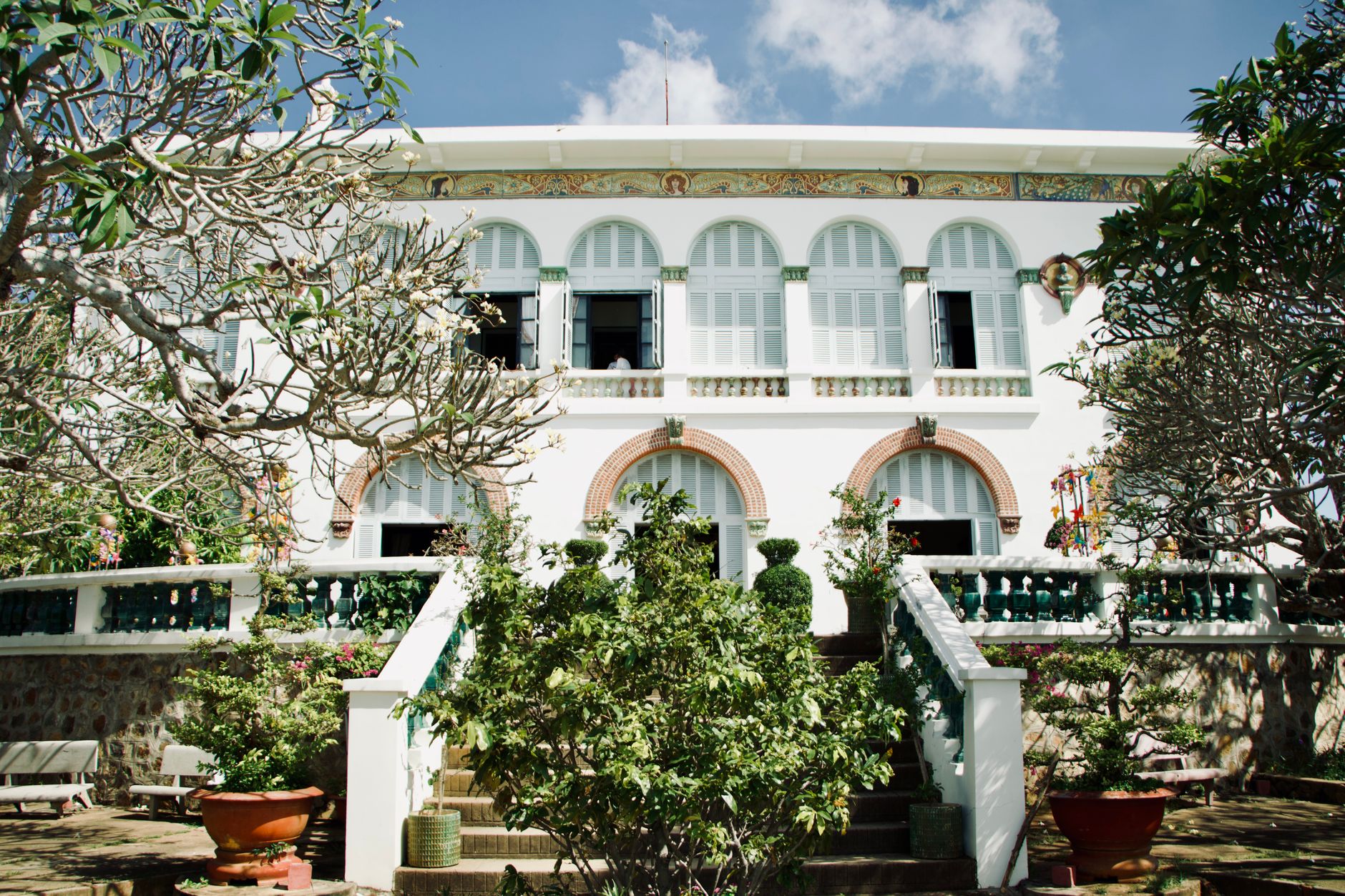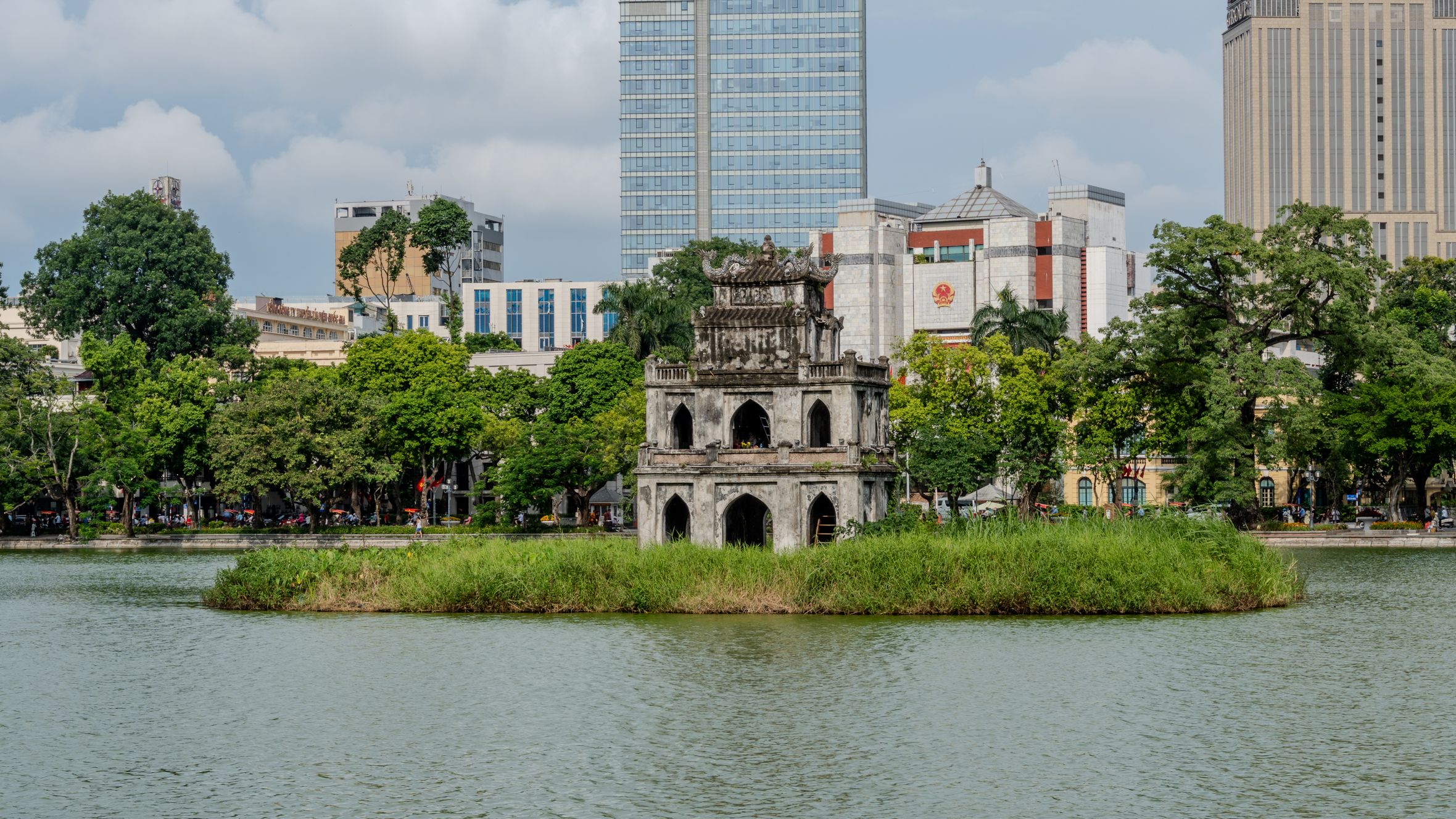
Van Mieu Hue sits about 2 km southwest of the Imperial Citadel, on a quiet stretch of road that most tourists blow right past on their way to the royal tombs. That's a mistake. This is one of the most intact Confucian temple complexes in Vietnam (베트남 / 越南 / ベトナム), and you can often have the place nearly to yourself.
What it is and why it matters
Van Mieu Hue — the Temple of Literature in Hue — was built in 1808 under Emperor Gia Long, the founder of the Nguyen dynasty. If you've visited the Temple of Literature in Hanoi (하노이 / 河内 / ハノイ), the concept is similar: a complex dedicated to Confucian scholarship, honoring those who passed the imperial examinations. But where Hanoi's version dates to 1070 and draws crowds year-round, Hue's Van Mieu is younger, less visited, and arguably more atmospheric.
The complex originally housed 32 stone stelae, each mounted on a stone tortoise, recording the names of successful doctoral candidates from exams held between 1822 and 1919. Today, 32 stelae survive, though some are weathered to the point where the inscriptions are hard to read. The main hall, Van Mieu Dien, anchors the rear of the complex with its heavy wooden beams and faded red lacquer — it still functions as a place of reverence for Confucius and notable Vietnamese scholars.
During the wars of the 20th century, the site took damage, and several structures were lost. Restoration work has been ongoing since the 1990s, and the grounds now feel well-maintained without being overly polished.
Why travelers go
Three reasons. First, it's genuinely peaceful — a rarity in Hue's cluster of heritage sites. Second, the stelae garden is a tangible connection to Vietnam's scholarly tradition, and seeing these carved stone records up close is more moving than you might expect. Third, it pairs well with a half-day route through the less-touristed southwest side of Hue, away from the Perfume River boat tours and the Citadel crowds.
Best time to visit
Hue's weather is famously moody. The dry season runs roughly from March to August, with April and May being the sweet spot — warm but not yet at peak summer heat (which can push past 38°C in June and July). September through November brings heavy rain and occasional flooding, so outdoor sites like Van Mieu are less enjoyable.
Time of day matters too. Go early, between 7:30 and 9:00 AM, when the light is softer and the grounds are empty. By mid-morning, small tour groups start filtering in.
How to get there
From central Hue — say, from the area around Dong Ba Market or the Citadel — Van Mieu is about 2 km southwest along Le Trung Dinh Street. A Grab bike takes 5-7 minutes and costs around 15,000-20,000 VND. A Grab car runs 25,000-35,000 VND.
Renting a bicycle from your hotel (usually 30,000-50,000 VND/day) is the better option. The ride is flat, mostly along tree-lined residential streets, and you can combine the temple with other nearby sites without waiting for rides.
If you're coming from Da Nang, the train to Hue takes about 2.5 hours and costs 60,000-120,000 VND depending on seat class. The bus is cheaper (around 80,000-100,000 VND) but slower and less comfortable.
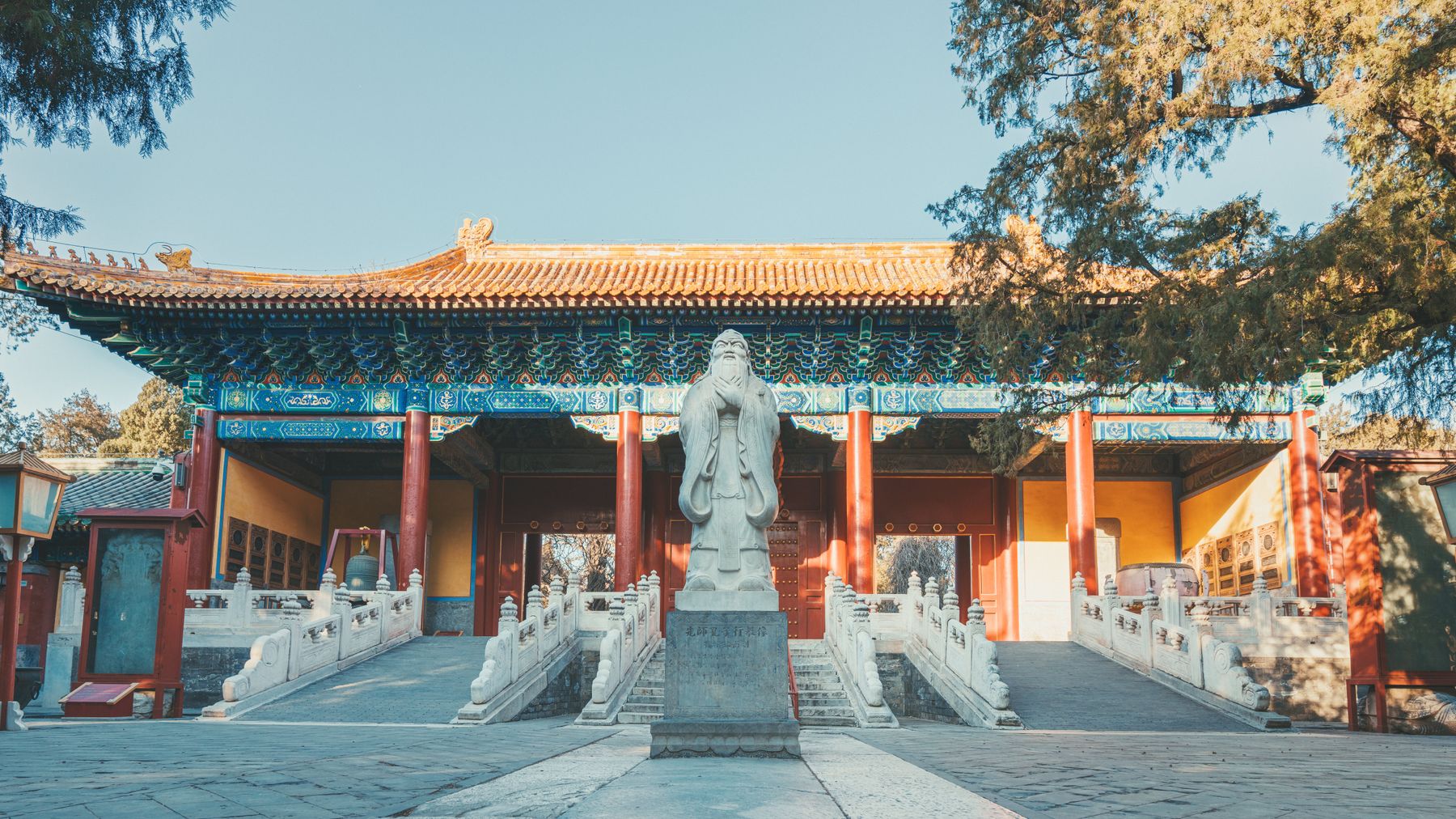
Photo by zhang kaiyv on Pexels
What to do
Walk the stelae garden slowly
The 32 stone stelae are the heart of the complex. Each tortoise base is slightly different — some look serene, others almost grumpy. The inscriptions list names, hometowns, and exam years of doctoral graduates. Bring a zoom lens or just get close. A few of the older stelae have moss creeping into the carvings, which makes for genuinely good photographs.
Spend time in Van Mieu Dien
The main hall is dim, cool, and smells faintly of incense. The altar to Confucius is flanked by tablets honoring his principal disciples. Look up at the roof structure — the joinery is impressive, and the faded painted panels along the eaves still show traces of dragon and cloud motifs.
Read the interpretation panels
Unlike some heritage sites in Vietnam where signage is an afterthought, Van Mieu Hue has decent English-language panels explaining the imperial examination system, the role of Confucian education, and the significance of specific stelae. They're worth 10-15 minutes of your time.
Combine with the Tomb of Tu Duc
The Tomb of Tu Duc is roughly 3 km further southwest. You can cycle there in about 15 minutes along a pleasant road that passes through neighborhoods and patches of pine forest. Doing both in a single morning is a natural pairing.
Sit in the courtyard
This sounds like nothing, but the central courtyard — with its frangipani trees and stone paths — is one of the most pleasant spots in Hue to just sit. Bring water, find some shade, and take a break from the relentless sightseeing pace that Hue encourages.
Where to eat nearby
Walk or ride about 1 km northeast back toward the river and you'll hit the streets around Vo Thi Sau and Chi Lang, where local lunch spots serve "bun bo Hue" — the spicy, lemongrass-heavy beef noodle soup that's arguably the best dish in all of Vietnam. A bowl runs 30,000-45,000 VND. Ba Hoa on Ly Thuong Kiet is a reliable no-frills choice.
For something lighter, look for "banh canh" stalls — thick tapioca noodles in a shrimp or crab broth. It's a central Vietnam staple that doesn't get the attention it deserves. Expect to pay 25,000-35,000 VND.
Where to stay
Most travelers base themselves along the south bank of the Perfume River, near Pham Ngu Lao or Le Loi streets. Budget guesthouses run 200,000-400,000 VND/night. Mid-range hotels with air conditioning and breakfast go for 500,000-900,000 VND. There are a few boutique places closer to the Citadel in the 1,200,000-2,500,000 VND range if you want something quieter.
Staying on the south bank puts you within easy cycling distance of Van Mieu, the tombs, and the restaurant streets.
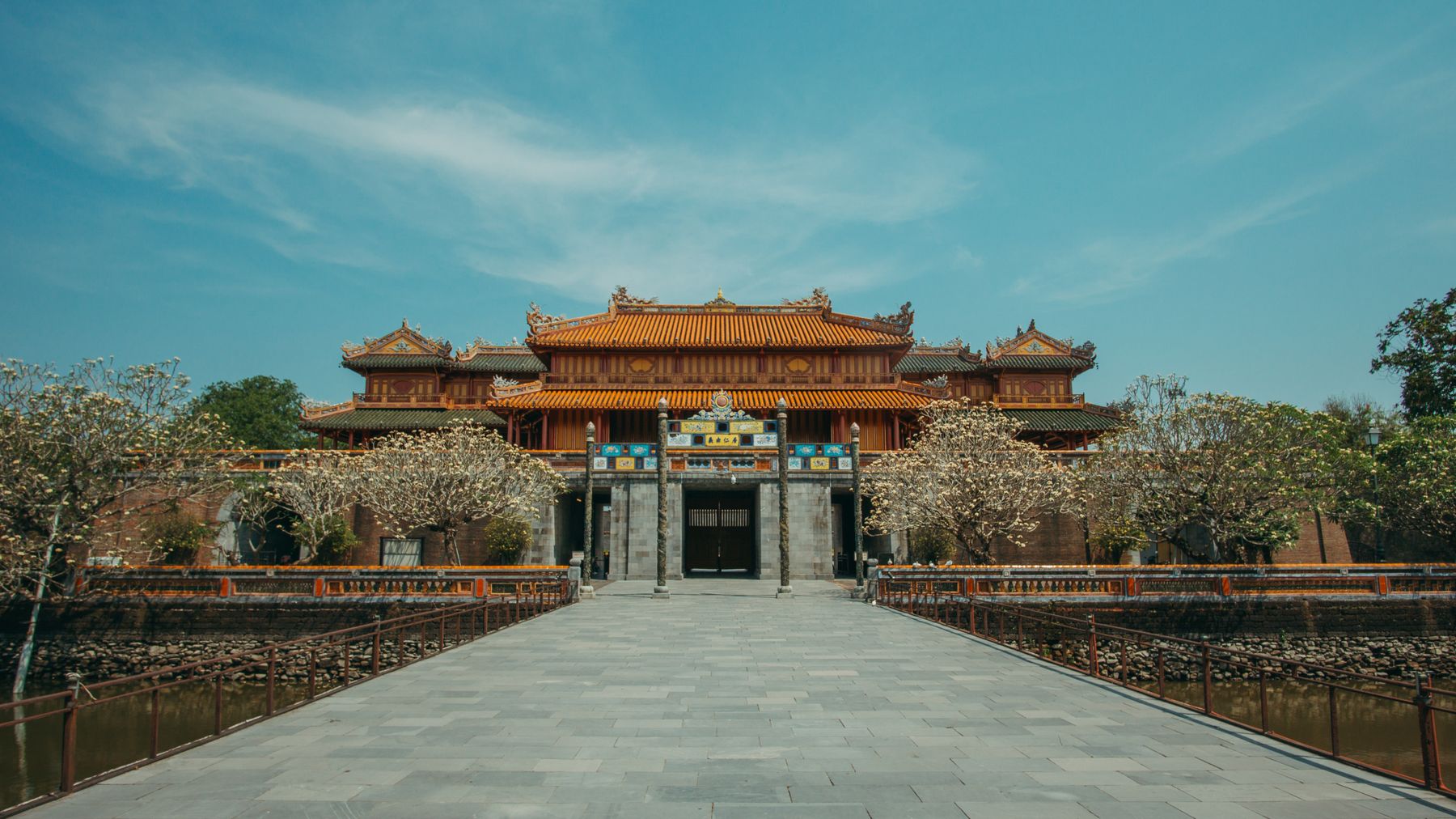
Photo by FOX ^.ᆽ.^= ∫ on Pexels
Practical tips locals would tell you
- Entry fee: 40,000 VND per person (as of early 2025). It's a separate ticket from the Citadel combo pass.
- Dress modestly. Shoulders and knees covered, as you would at any temple site. This is still a place of worship, not just a tourist attraction.
- Bring mosquito repellent. The shaded, garden-heavy grounds are prime mosquito territory, especially in the morning.
- There's no café on-site. Bring your own water. The nearest decent Vietnamese coffee spot is back toward the main road.
Common mistakes to avoid
- Skipping it because you've seen the Hanoi version. They're different experiences. Hue's Van Mieu is smaller, less crowded, and more meditative.
- Rushing through in 15 minutes. Budget 45 minutes to an hour. The stelae garden alone deserves a slow pass.
- Visiting in the afternoon heat. Between May and August, the afternoon sun turns the open courtyard into an oven. Morning is non-negotiable.
- Not combining it with nearby sites. On its own, Van Mieu might feel minor. Paired with the Tomb of Tu Duc and a lunch stop for bun bo Hue, it becomes part of a solid half-day.
Practical notes
Van Mieu Hue doesn't make the highlight reel for most Hue visitors, which is exactly why it's worth your time. It's a 45-minute stop that costs less than a bowl of noodles and gives you a real sense of how seriously the Nguyen court took scholarship. Go early, bring a bike, and pair it with the tombs to the southwest.
Last updated · May 29, 2026 · independently researched, never sponsored.