What it is
Thap Binh Son is a terracotta tower sitting inside the grounds of Vinh Khanh Pagoda in Lam Thao district, Phu Tho province — about 80 km northwest of Hanoi. Built during the Tran Dynasty (most historians place it in the late 13th or early 14th century), it's one of the oldest freestanding brick-and-terracotta structures still intact in northern Vietnam (베트남 / 越南 / ベトナム).
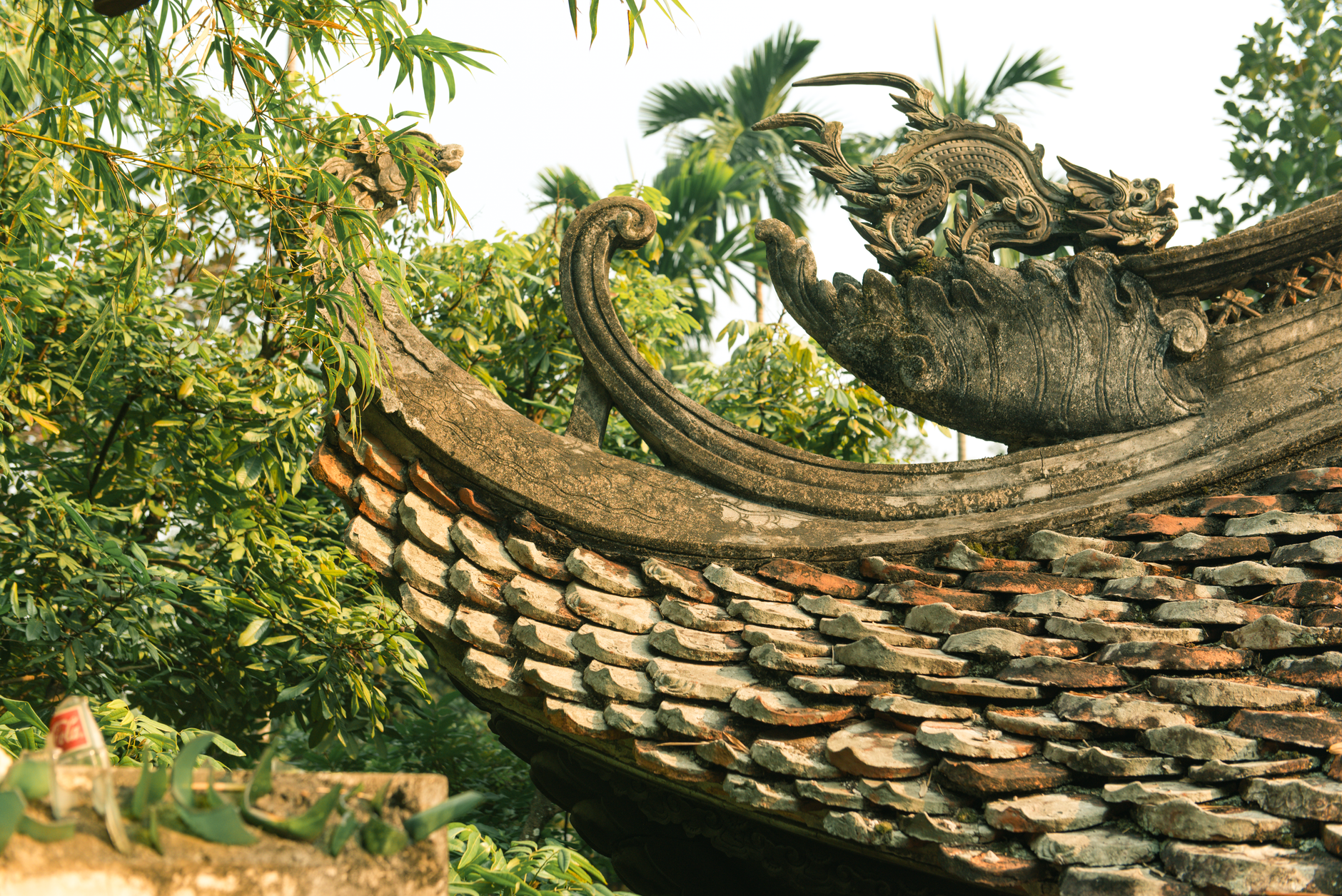
The tower originally stood around 15 meters tall with an estimated 15 stories. What survives today is 11 stories, roughly 14.7 meters high, tapering upward in a square footprint. Every tier is decorated with molded terracotta reliefs — lotus petals, chrysanthemums, dragons, and geometric patterns pressed directly into the clay before firing. No mortar was used between the bricks. They're slotted together with precision, which is part of what makes Thap Binh Son unusual: it's a piece of Tran-era engineering that has outlasted most of its contemporaries.
The tower was classified as a National Historical and Cultural Relic in 1980 and underwent careful restoration in the early 2000s.
Why travelers go
Most visitors to Phu Tho province come for Den Hung — the Hung Kings Temple complex on Nghia Linh mountain, especially around the Hung Kings Festival in the third lunar month. Thap Binh Son sits about 8 km south of Den Hung, and the two pair naturally into a single day trip.
But the tower deserves its own visit, not just a tagged-on stop. The terracotta relief work is genuinely impressive up close — detailed floral motifs and mythical creatures carved into panels that have survived seven centuries of humidity, typhoons, and war. If you have any interest in Vietnamese architecture or Buddhist art history, this is primary-source material. There's no entrance fee, and you'll likely have the courtyard to yourself on a weekday.
Vinh Khanh Pagoda itself is a functioning Buddhist temple, small and quiet, with monks in residence. The combination of active worship and ancient archaeology in one compound gives the place a character that bigger tourist sites in the region don't have.
Best time to visit
October through March gives you dry, cool weather — ideal for wandering the pagoda grounds and photographing the tower without haze or rain. Temperatures hover around 18-22°C.
If you want to combine Thap Binh Son with the Hung Kings Festival, aim for the 10th day of the third lunar month (usually April). The area fills up with domestic pilgrims, roads get crowded, and the atmosphere shifts from contemplative to festive. It's worth experiencing once, but go early in the morning to beat the crowds.
Avoid July and August — heavy rain, oppressive heat, and mosquitoes make the trip less pleasant.

Photo by Vietnam Hidden Light on Pexels
How to get there from Hanoi
By bus: Catch a bus from My Dinh Bus Station (Ben Xe My Dinh) heading to Viet Tri city. Departures run every 20-30 minutes from early morning, cost around 80,000-100,000 VND, and take roughly 1.5-2 hours depending on traffic. From Viet Tri, grab a local taxi or xe om (motorbike taxi) to Thap Binh Son in Lam Thao — about 12 km, 15 minutes, around 60,000-80,000 VND by taxi.
By motorbike: Take QL2 (National Route 2) northwest from Hanoi (하노이 / 河内 / ハノイ) through Vinh Phuc province toward Viet Tri, then follow signs toward Lam Thao. Total ride is about 80 km, roughly 2 hours with no stops. The road is straightforward and mostly flat.
By car: Same route. If you're hiring a private car and driver from Hanoi for the day (combining Den Hung + Thap Binh Son), expect to pay 1,200,000-1,500,000 VND round trip.
What to do
Study the terracotta reliefs
Walk slowly around all four sides of the tower. Each tier has different decorative panels. The lotus motifs on the lower levels are the most elaborate — look for the dragon figures on the northeast face, which are among the best-preserved. Morning light (before 10 AM) is best for picking out the relief details.
Visit Vinh Khanh Pagoda
The pagoda shares the tower's courtyard. It's modest — a main worship hall, a few side buildings, incense burning in bronze urns. If monks are present, you can ask about the tower's history (Vietnamese language helps here). Dress respectfully: cover shoulders and knees.
Pair with Den Hung (Hung Kings Temple)
Den Hung is 8 km north, easily reachable by taxi. The temple complex spreads across Nghia Linh mountain with multiple shrines, old trees, and views over the Red River plain. Budget 2-3 hours for the full circuit. Entry is 10,000 VND.
Walk the village
The area around Vinh Khanh Pagoda is rural Phu Tho — rice paddies, brick houses, narrow lanes. A 30-minute walk through the surrounding village gives you a sense of everyday life in the midlands that you won't get from a bus window.
Check the small exhibition room
Inside the pagoda grounds, there's a modest display room with photographs of the tower's restoration and some excavated terracotta fragments. It's not always open, but if the caretaker is around, ask — they'll usually unlock it.
Where to eat nearby
Phu Tho isn't a food destination the way Hanoi or Hue is, but there are local dishes worth trying. "Thit chua" (fermented sour pork, a Thanh Son specialty) sometimes appears at roadside restaurants in the Lam Thao area — tangy, wrapped in banana leaf, eaten with fresh herbs. Look for "pho" shops in Viet Tri on your way back; the local bowls tend to be straightforward and honest, with good beef broth.
For a proper meal, Viet Tri city has com binh dan (everyday rice shops) along Hung Vuong street. A plate of rice with two or three dishes runs 35,000-50,000 VND.
Photo by Haneul Trac on Pexels
Where to stay
Most travelers do Thap Binh Son as a day trip from Hanoi, which is the practical move. If you want to stay overnight — to visit Den Hung at dawn, say — Viet Tri city has basic hotels and guesthouses.
- Budget: Nha nghi (guesthouses) around Viet Tri center run 200,000-350,000 VND/night. Clean enough, don't expect frills.
- Mid-range: A few newer hotels near the Viet Tri waterfront charge 500,000-800,000 VND/night with air conditioning, hot water, and Wi-Fi.
- Homestays: Rare in this area. If you want that experience in the north, Ninh Binh or Mai Chau are better bets.
Practical tips locals would tell you
- Bring cash. There's no ATM at the pagoda, and nothing around it accepts cards. Viet Tri has ATMs if you need to withdraw before heading out.
- Wear shoes you can slip on and off. You'll remove them entering the pagoda and possibly the exhibition room.
- There's no English signage. A basic Vietnamese phrasebook or translation app on your phone helps. The caretaker doesn't speak English.
- Combine trips. Thap Binh Son alone is a 1-2 hour visit. Pairing it with Den Hung and lunch in Viet Tri makes a full, satisfying day trip from Hanoi.
Common mistakes to avoid
- Skipping it because it's "just a tower." The terracotta work is genuinely rare. Seven-hundred-year-old decorative brickwork with this level of detail doesn't exist in many places in Southeast Asia.
- Arriving midday. The courtyard has limited shade. In summer, noon heat makes the visit uncomfortable. Go morning or late afternoon.
- Not checking festival dates. If you visit during the Hung Kings Festival period without realizing it, you'll hit significant traffic on QL2 and around Lam Thao. Check the lunar calendar before booking transport.
- Expecting a major tourist site. There's no ticket booth, no gift shop, no cafe. That's the appeal. Come with the right expectations and you'll appreciate what's actually there — a quiet, ancient tower in a working temple, surrounded by rice fields.
Last updated · May 29, 2026 · independently researched, never sponsored.