What it is
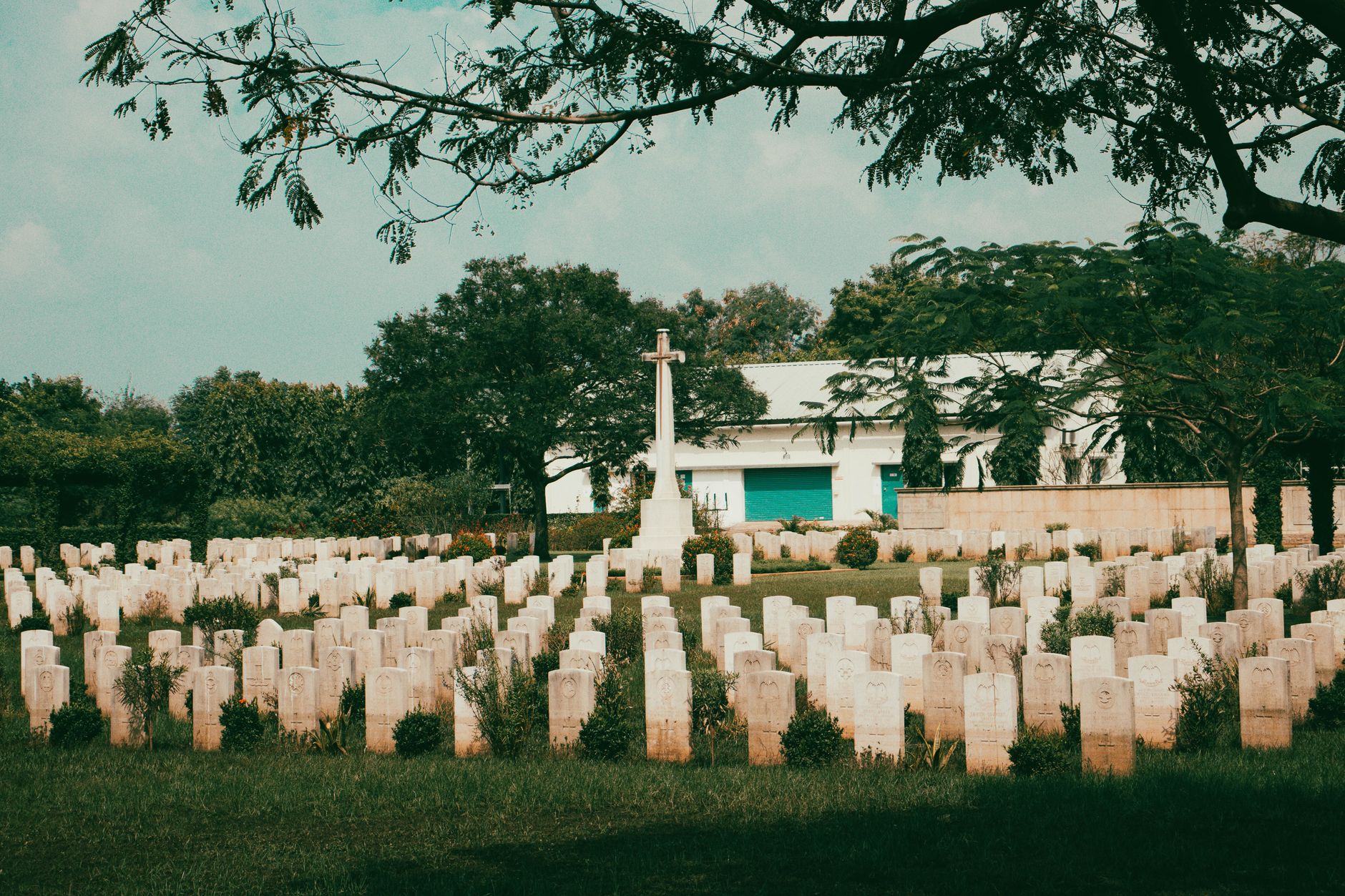
Thap Chuong Truong Son — the Truong Son Bell Tower — rises from the hills of western Quang Tri province, a monumental structure built to honor the hundreds of thousands of Vietnamese who died along the Truong Son Trail (known in English as the Ho Chi Minh (호치민 / 胡志明 / ホーチミン) Trail) during the war years. The tower stands within the Truong Son National Cemetery, one of the largest war cemeteries in Vietnam, where over 10,000 graves stretch across a forested hillside in Gio Linh district.
The bell tower itself is around 30 meters tall, designed in a style that blends traditional Vietnamese architectural elements with the solemnity of a memorial. A massive bronze bell hangs inside, and visitors can hear it rung during commemorative ceremonies. The surrounding cemetery was established in 1977 and has been expanded several times since. It's not a tourist attraction in the conventional sense — there are no ticket booths or souvenir shops — but it is one of the most significant memorial sites in central Vietnam (베트남 / 越南 / ベトナム), and it leaves an impression that lasts longer than most temple visits.
Why travelers go
Quang Tri province sits in the former Demilitarized Zone (DMZ), and the entire region is layered with wartime history. Most visitors who come to Thap Chuong Truong Son are either retracing the DMZ circuit or specifically interested in Vietnam's 20th-century history. But even if military history isn't your main focus, the site offers something rare: genuine quiet. There's no crowd, no hawkers, no noise. Just rows of headstones, forest, and the occasional sound of the bell.
For Vietnamese visitors, especially from the north, this is a pilgrimage site. Families come to pay respects to relatives. You'll see incense burning on graves, fresh flowers, and offerings of fruit. As a foreign traveler, showing up respectfully and spending 30-40 minutes walking the grounds is completely appropriate. The staff are welcoming.
Best time to visit
Quang Tri has two distinct seasons. The dry months from March to August are best for visiting — warm, mostly clear skies, and the cemetery grounds are well-maintained and easy to walk. April and May tend to be the most comfortable before the heat peaks in June and July.
Avoid October through December if you can. This stretch brings heavy rain to the central coast, and Quang Tri gets hit hard. The hillside cemetery can be muddy and paths slippery during downpours. Late July (around July 27, Vietnam's War Invalids and Martyrs' Day) sees large commemorative gatherings — worth experiencing if you want the full cultural weight, but expect more visitors than usual.
How to get there
The nearest major hub is Dong Ha, the capital of Quang Tri province, about 35 km to the east. From Dong Ha, you can hire a motorbike taxi ("xe om") for around 150,000-200,000 VND one way, or rent your own motorbike for about 120,000-150,000 VND per day from guesthouses near the bus station. The ride takes roughly 45 minutes heading west on provincial roads toward Gio Linh district — the route is signed, though not always clearly, so having a GPS pin saved helps.
If you're coming from Hue (about 90 km south), the most practical option is to take a bus or train to Dong Ha first, then arrange local transport. Buses from Hue to Dong Ha run frequently and cost around 60,000-80,000 VND, taking about 1.5 hours. Some travelers combine the bell tower with a broader DMZ day tour organized out of Hue, which typically runs 600,000-900,000 VND per person and may include stops at the Vinh Moc Tunnels, Hien Luong Bridge, and Khe Sanh Combat Base.
Phong Nha is roughly 160 km to the north — a viable starting point if you're working your way south through central Vietnam.

Photo by Du Tử Mộng on Pexels
What to do
Walk the cemetery grounds
The cemetery is organized into sections, with graves grouped by the provinces of origin of the fallen. Each headstone carries a name, birth year, and home province when known — though many are marked as unnamed. Walking through the rows is a slow, contemplative experience. Give yourself at least 30-40 minutes.
Visit the bell tower up close
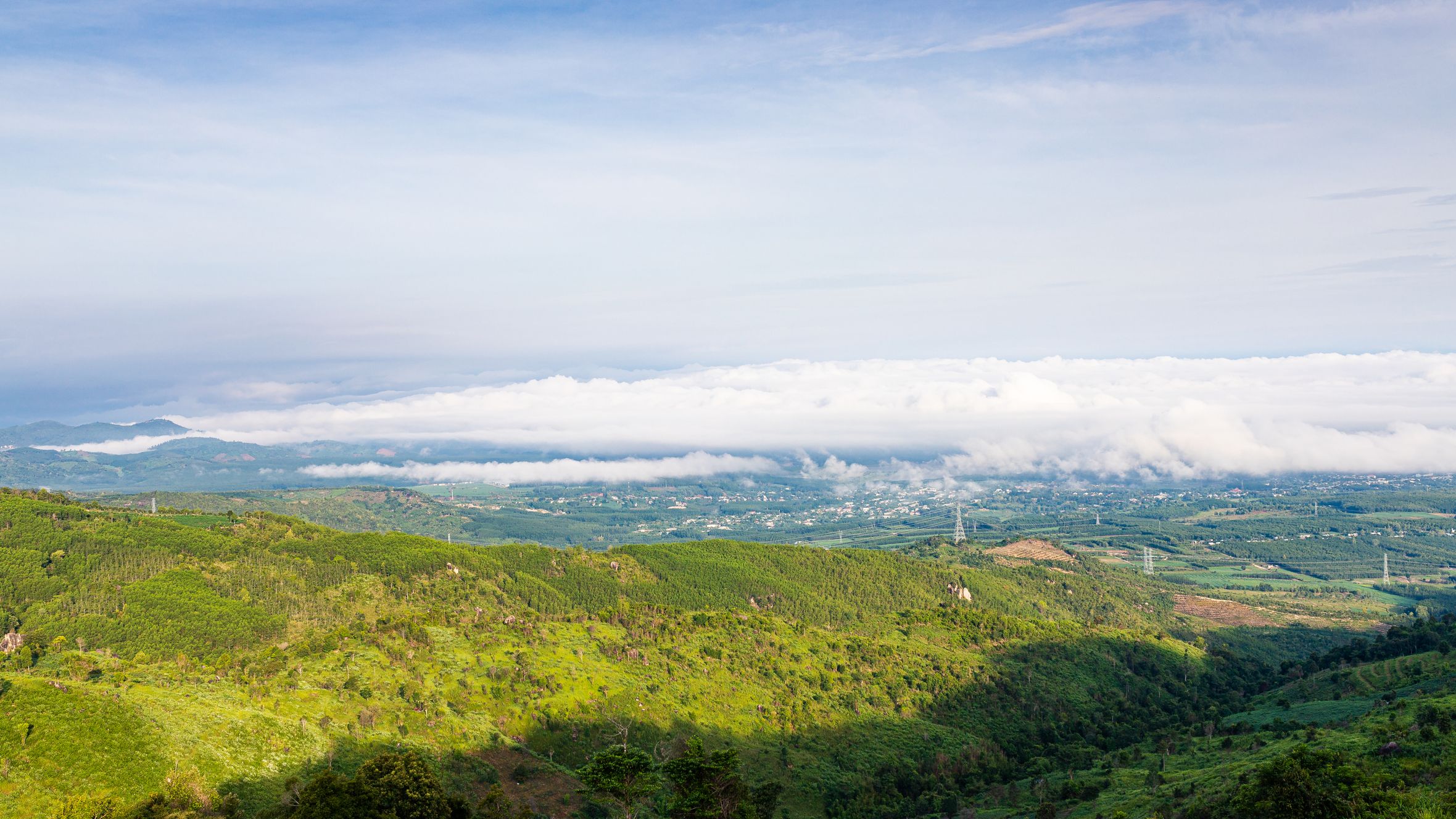
The tower stands at the highest point of the cemetery complex. Climb the steps to get a closer look at the bronze bell and the views over the surrounding hills. On clear days, you can see the green ridgeline of the Truong Son range stretching south — the same mountains that defined the supply trail.
Read the memorial hall
A small exhibition hall near the entrance displays photographs, personal effects, and letters recovered from the trail. Signage is mostly in Vietnamese, but the images speak clearly enough. This adds context that makes the rest of the visit more meaningful.
Pay respects
If you'd like to follow local custom, you can buy a bundle of incense sticks from vendors near the entrance (usually 10,000-20,000 VND). Light a few sticks and place them at the communal altar or at individual graves. It's a small gesture that's appreciated by cemetery staff and visiting families.
Combine with nearby DMZ sites
Thap Chuong Truong Son fits naturally into a half-day or full-day DMZ circuit. Hien Luong Bridge and the Ben Hai River (the former demarcation line) are about 20 km northeast. The Vinh Moc Tunnels, an underground village used by civilians during wartime, are roughly 40 km east toward the coast.
Where to eat nearby
There's no real restaurant at the cemetery itself — just a few drink stalls. Head back toward Dong Ha for a proper meal. Look for "banh canh" — the thick, tapioca-based noodle soup that's a Quang Tri staple. The local version often comes with crab or pork and has a heavier, more satisfying texture than what you'll find further south. You'll spot small banh canh shops along the main road in Dong Ha town center, with bowls running 25,000-40,000 VND.
For something lighter, Dong Ha also has decent "bun hen" (clam noodle soup), borrowed from neighboring Hue's food traditions. A bowl costs around 20,000-30,000 VND at market stalls.
Where to stay
Dong Ha has a handful of guesthouses and mid-range hotels. Budget rooms (fan, basic bathroom) start around 200,000-300,000 VND per night. Cleaner mini-hotels with air conditioning and hot water run 350,000-500,000 VND. There's nothing luxury-tier here — this isn't a resort town. For more comfort, base yourself in Hue and day-trip to Quang Tri.

Photo by Lucas Tran on Pexels
Practical tips locals would tell you
- Dress modestly. This is a cemetery and memorial, not a beach. Long pants and covered shoulders are appropriate. You'll see Vietnamese visitors dressed formally.
- Bring water and sun protection. The grounds are mostly open with limited shade, especially midday from April to August.
- No entry fee. The cemetery and bell tower are free to visit. There's a small parking fee if you arrive by motorbike (5,000-10,000 VND).
- Go early. Arrive before 9 AM to beat the heat and have the grounds mostly to yourself.
- Silence your phone. This should be obvious, but it bears mentioning.
Mistakes to avoid
- Skipping it because it's "just a cemetery." If you're traveling through central Vietnam and have any interest in the country's recent history, this site adds depth that temples and beaches simply don't.
- Not budgeting enough time. Some travelers rush through in 15 minutes. That's a waste of the trip out. Plan for at least 45 minutes to an hour.
- Relying on public transport to get there. There's no direct bus to the cemetery from Dong Ha. You need your own wheels or a hired driver. Sort this out before you head west.
- Visiting in a large, loud group. This is a place where families are mourning. Keep your voice down and be aware of your surroundings.
Practical notes
Thap Chuong Truong Son is one of those places that doesn't make the highlight reel but changes how you understand Vietnam. Budget a half-day from Dong Ha or fold it into a wider DMZ tour from Hue. Come with respect and a willingness to sit with something heavy for a while.
Last updated · May 29, 2026 · independently researched, never sponsored.