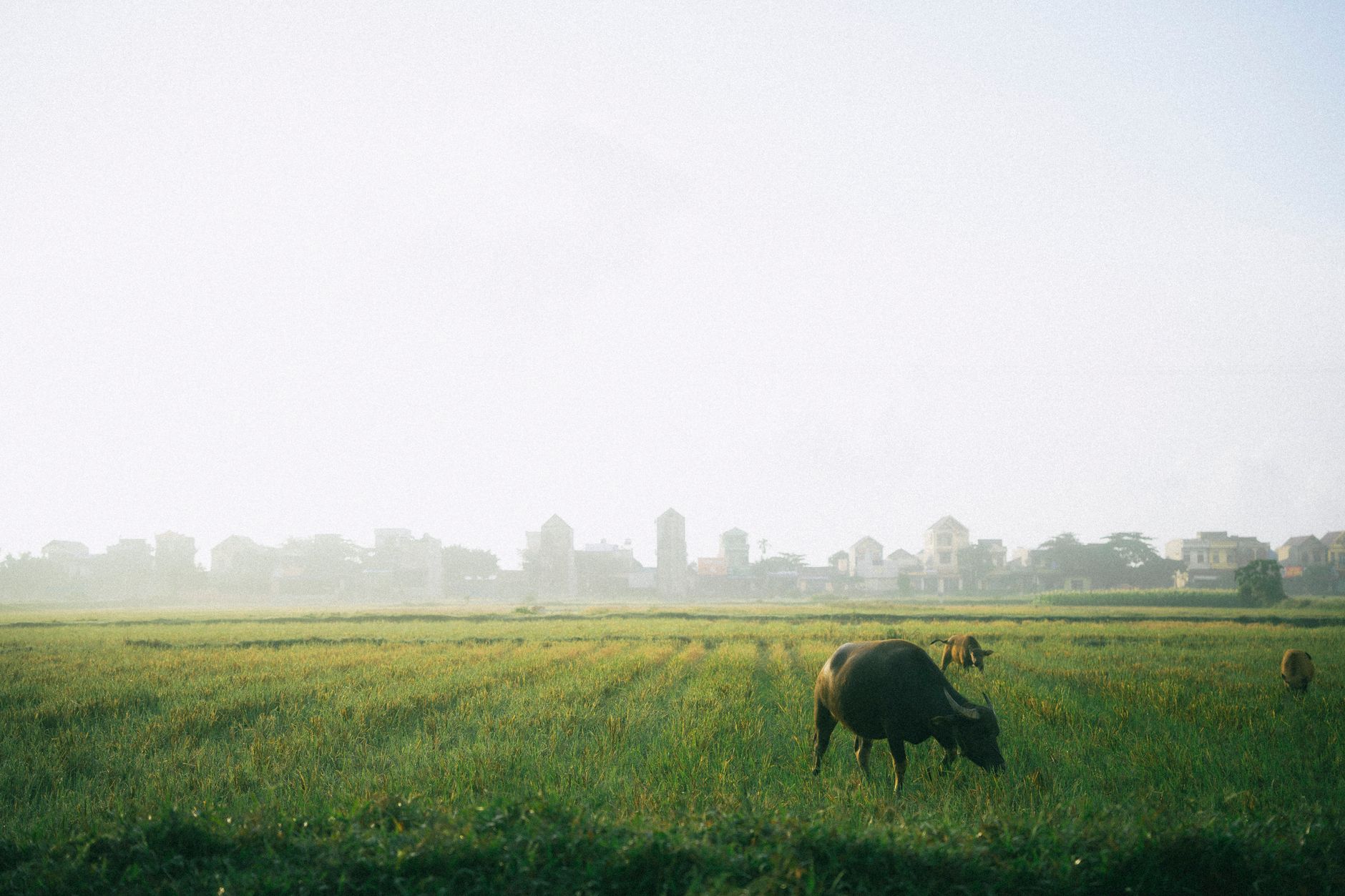
The Mekong Delta (메콩 델타 / 湄公河三角洲 / メコンデルタ) doesn't really do dramatic scenery in the mountain-and-cliff sense. What it does instead is flatness on a scale that rewires your depth perception — and for a few months each year, the Thap Muoi lotus fields in Dong Thap province turn that flatness into an unbroken wash of pink and green that stretches to the horizon. It's one of the most distinctive landscapes in southern Vietnam, and it's barely on the international tourist radar.
What it is
Canh Dong Sen Thap Muoi is a vast wetland area in Thap Muoi district, Dong Thap province, roughly 150 km southwest of Saigon. The lotus fields here aren't ornamental gardens — they're working agricultural land where farmers cultivate lotus for seeds, roots, and flowers. During peak bloom, the fields cover hundreds of hectares across several communes, particularly around My Hoa and Truong Xuan. The area sits within the broader Dong Thap Muoi (Plain of Reeds) ecosystem, a seasonal floodplain that has shaped life in this part of the delta for centuries.
Dong Thap province has leaned into the lotus as its signature symbol. You'll see it on local branding, government buildings, even the province's tourism logo. The lotus isn't just scenery here — it's an economic crop and a point of genuine local pride.
Why travelers go
The short version: to see a working Vietnamese landscape at its most photogenic without fighting crowds. The Thap Muoi fields draw domestic tourists, especially from Saigon on weekends, but foreign visitors are still rare enough that you'll get curious looks. The appeal is simple — wading into chest-high lotus blooms, drinking fresh "lotus tea" brewed from stamens picked that morning, and eating lotus-based dishes you won't find this fresh anywhere in the cities. If you've spent a week bouncing between temples and museums, a day out here recalibrates the trip.
Best time to visit
Lotus season runs from roughly late May through August, with peak bloom in June and July. Arrive early in the morning — 5:30 to 7:00 AM is ideal. Lotus flowers open at dawn and start closing by mid-morning, and the light at that hour is soft and low across the flat fields. By 10 AM, the heat becomes genuinely punishing and the flowers have folded shut.
The wet season overlaps with lotus season, so expect afternoon rain. This actually works in your favor: mornings are clear, you visit the fields early, and the rain cools things down later. Outside of May–August, the fields are mostly mud and stubble — don't bother making a special trip.
How to get there
From Saigon (사이공 / 西贡 / サイゴン), the most practical route is by car or motorbike. It's about 150 km via National Highway 1A to My Tho, then Highway 49 north toward Thap Muoi town — roughly 3 to 3.5 hours by car depending on traffic leaving the city.
By bus: Catch a bus from Saigon's Mien Tay Bus Station to Cao Lanh (Dong Thap's capital), which costs around 120,000–150,000 VND and takes about 4 hours. From Cao Lanh, you'll need a local xe om (motorbike taxi) or a taxi to Thap Muoi district, another 30 km east. Budget around 150,000–200,000 VND for the xe om ride.
By motorbike from Saigon: A solid half-day ride. The roads are flat and in reasonable condition, but the stretch through Long An province gets monotonous. If you're already exploring the Mekong Delta — say from Can Tho — Thap Muoi is about 100 km northeast, around 2.5 hours by road.
There's no direct public transport to the lotus fields themselves. You'll need your own wheels or a hired driver for the last stretch.

Photo by Nguyen Ngoc Tien on Pexels
What to do
Walk (or wade) into the fields
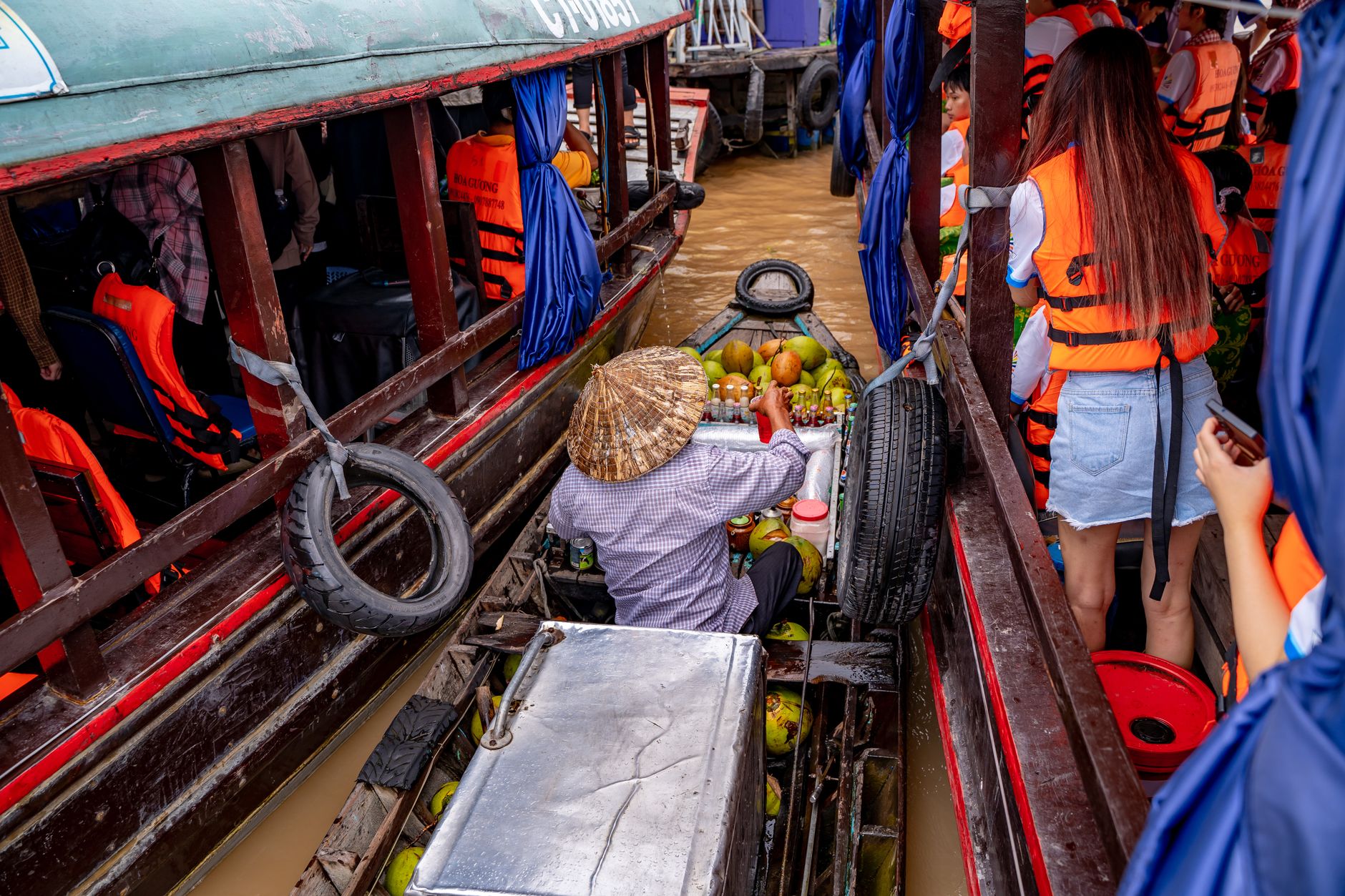
Local operators at My Hoa commune run small boat tours through the lotus channels — a 30-minute ride costs around 50,000–80,000 VND per person. Some fields have raised wooden walkways. Wear shoes you don't mind getting muddy. The boats are narrow wooden sampans, and yes, you will get splashed.
Try fresh lotus tea
Farmers here brew tea by stuffing green tea leaves inside a lotus bud the night before, letting the flower close around them and infuse overnight. The result is fragrant in a way that the packaged "lotus tea" sold in Hanoi doesn't come close to matching. A pot at one of the field-side stalls runs 20,000–30,000 VND.
Buy lotus products at the source
Dried lotus seeds, lotus root starch, lotus silk thread, lotus stamens for tea — all sold directly by farming families at prices well below what you'd pay in Saigon or Hanoi. A kilogram of dried lotus seeds goes for around 200,000–300,000 VND here.
Visit Tram Chim National Park
About 40 km northwest of the lotus fields, Tram Chim is a Ramsar wetland site and home to the endangered red-headed crane ("sarus crane"). It pairs well with Thap Muoi for a two-day Dong Thap loop. Entry is around 60,000 VND, plus boat rental.
Photograph the harvest
If you time it right, you'll see workers hip-deep in the fields cutting lotus stems and piling them into boats. It's real agricultural work, not staged — ask before pointing a camera at someone, and a friendly wave usually gets a nod.
Where to eat nearby
Dong Thap's food identity leans heavily on river fish and lotus. Two dishes worth seeking out:
- Lotus root salad (goi ngo sen): Shredded lotus root with shrimp, pork, herbs, and a fish-sauce-forward dressing. Crunchy, tart, and light — ideal in the heat. Available at most local com binh dan (rice shops) around Thap Muoi town for 40,000–60,000 VND.
- "Hu tieu" My Tho style: If you're passing through My Tho on the way in or out, stop for a bowl. The broth is pork-based, sweeter and cleaner than the Saigon version, and the noodles are made from local rice. Expect to pay 35,000–50,000 VND.
For something more substantial, look for grilled snakehead fish ("ca loc nuong trui") — a Mekong Delta staple where the whole fish is packed in mud and straw, then roasted over coals. Restaurants along the road between Cao Lanh and Thap Muoi serve it for around 150,000–250,000 VND per fish.
Where to stay
Thap Muoi town itself has limited accommodation — a handful of nha nghi (guesthouses) in the 150,000–300,000 VND per night range, basic but clean enough. For more comfort, base yourself in Cao Lanh, where mid-range hotels run 400,000–800,000 VND per night and you'll have better restaurant options.
Homestays are starting to appear around My Hoa commune. Ask locally — these aren't on Booking.com yet. Expect to pay around 200,000–350,000 VND per night, meals sometimes included.
Photo by Nguyen Ngoc Tien on Pexels
Practical tips locals would tell you
- Sunscreen and a hat are non-negotiable. There is zero shade in the lotus fields. None.
- Bring cash. There are no ATMs in the immediate field area, and nobody takes cards.
- Mosquito repellent, especially if you're near the fields at dawn or dusk.
- Go on a weekday if possible. Weekend mornings in June and July draw Saigon day-trippers, and the walkways get crowded.
- If you're riding a motorbike, fill up in Thap Muoi town — fuel stops are sparse in the surrounding communes.
Mistakes to avoid
- Arriving after 9 AM and wondering why all the flowers are closed. This is a dawn activity.
- Visiting outside of season (September–April) and finding bare muddy fields.
- Wearing flip-flops into the fields — the mud will swallow them. Bring sandals with straps or water shoes.
- Skipping the food. The lotus-based dishes here are seasonal and hyper-local. Eating the same pho and banh mi you can get in Saigon would be a waste of the trip.
Practical notes
Thap Muoi works best as a day trip from Cao Lanh or as a stop on a broader Mekong Delta loop that includes Can Tho and Tram Chim. Budget a full morning for the fields and lunch, then move on. The experience is concentrated but worth the early alarm — just don't expect infrastructure beyond the basics.
Last updated · May 29, 2026 · independently researched, never sponsored.