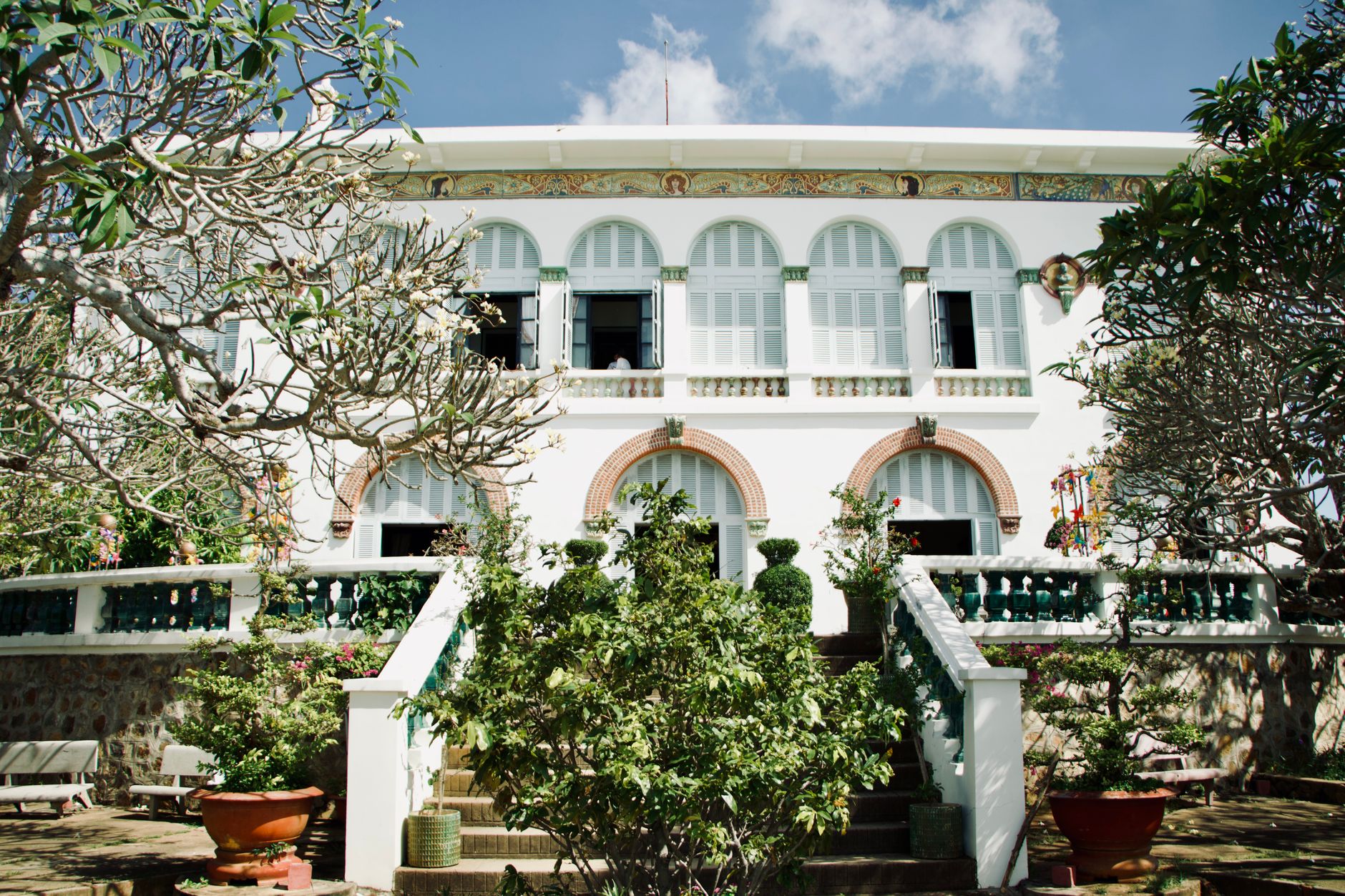
Thuan An Beach is where people in Hue go when it's hot and they want to eat seafood with their feet in the sand. It's not a postcard beach — the water can be murky, the infrastructure is basic, and you won't find beach clubs or cocktail bars. But that's exactly why it's worth a half-day trip if you're staying in Hue and want something outside the usual circuit of tombs and pagodas.
What Thuan An is (and isn't)
Thuan An sits on a narrow sand bar where the Tam Giang Lagoon — the largest coastal lagoon in Southeast Asia — meets the East Sea. The beach stretches along Thuan An town in Phu Vang district, about 15 km northeast of Hue (후에 / 顺化 / フエ)'s center.
Historically, this was a fishing community first, a beach second. The area took heavy damage during the wars and again during periodic typhoons, but the fishing culture stayed. Today it functions as Hue's closest public beach. On summer weekends, families from the city pack the shoreline. On weekdays, you might have long stretches mostly to yourself.
Don't come expecting Phu Quoc or Da Nang. The sand is coarse in places, the seafront restaurants are plastic-chair affairs, and the surf can kick up silt. Come expecting an honest local beach with excellent seafood at prices that would make Da Nang restaurant owners wince.
Why travelers go
Most visitors to Hue spend their days touring the Imperial Citadel, the Tomb of Tu Duc, the Tomb of Khai Dinh, and Hue's pagodas. All worthwhile — but after two days of history, a morning at Thuan An offers a change of pace.
The draw is simple: ride through rice paddies and fishing villages to reach a beach where you eat grilled clams and drink cold beer for almost nothing. The Tam Giang Lagoon side is particularly interesting — calmer water, fish traps stretching to the horizon, and sunset light that turns the whole lagoon copper.
Best time to visit
Hue's weather is famously moody. The sweet spot for Thuan An is April through August, when rain is scarce and temperatures sit between 30-38°C. June and July are peak — locals flood the beach on weekends, which adds energy but also crowds.
Avoid September through November entirely. This is typhoon season in central Vietnam, and Thuan An's exposed position on the sand bar means it catches the worst of it. The beach can be genuinely dangerous during storms, with strong currents and high surf. December through February is cool and drizzly — swimmable on good days, but grey more often than not.
How to get there from Hue
Thuan An is an easy 15 km ride northeast from Hue's center. You have a few options:
Motorbike (the best way)
Rent a semi-auto from your hotel or a rental shop on Le Loi Street — expect 120,000-150,000 VND per day. The ride takes about 25 minutes along a flat, paved road through rice fields and small villages. Head east on Bui Thi Xuan, which becomes the road to Thuan An. Hard to get lost.
Grab bike or taxi
A Grab bike runs roughly 50,000-70,000 VND one way. A Grab car is 90,000-130,000 VND. The catch: Grab availability drops once you're at the beach, so you may wait a while for a return ride or need to negotiate with a local xe om driver.
Local bus
Bus route 10 runs from Hue center to Thuan An for about 10,000 VND, but schedules are infrequent and the last bus back leaves early. Only practical if you enjoy improvising.

Photo by Quang Nguyen Vinh on Pexels
What to do
Swim on the lagoon side. The ocean side has a stronger current and can be rough even in summer. Walk across the narrow sand bar to the Tam Giang Lagoon side for calmer, warmer water — especially good if you're with kids.
Eat seafood at the beach shacks. A row of open-air restaurants lines the beachfront. Point at what's fresh in the tanks — clams, prawns, crab, snails — and they'll grill or steam it on the spot. A full seafood spread for two with beer rarely tops 300,000-400,000 VND. The grilled "muc" (squid) brushed with chili oil is standard but good.
Ride along the lagoon at sunset. If you have a motorbike, the road that runs along the Tam Giang Lagoon north of Thuan An is one of the better rides in the Hue area. Fish traps, small boats, egrets, and a wide-open sky. About 10 km of quiet road before it loops back.
Visit the fishing village in the morning. Boats come in early, between 5:00 and 7:00 AM. If you're an early riser, the small harbor near the lagoon mouth is active and photogenic — fishermen sorting catches, women carrying baskets on shoulder poles, nets drying in rows.
Walk the sand bar. The strip of land between lagoon and sea is narrow enough in places that you can see water on both sides. Walking south along the beach for a kilometer or two gets you away from the restaurant cluster and into quieter stretches.
Where to eat nearby
Beyond the beachfront seafood shacks, look for "banh khoai" — Hue's version of "banh xeo (반세오 / 越南煎饼 / バインセオ)," a crispy rice-flour crepe stuffed with shrimp and pork, served with a rich peanut-and-liver dipping sauce rather than the fish sauce you'd get further south. Several small restaurants in Thuan An town serve it.
Also worth trying: "bun hen," a noodle soup made with tiny clams from the Perfume River. It's more of a Hue city dish, but a few spots near Thuan An serve their own version, leaning heavier on fresh herbs.
If you want something more substantial, save your appetite for a bowl of "bun bo Hue" back in town — the real thing, with its lemongrass-and-shrimp-paste broth, is better at the dedicated shops in Hue's center.
Where to stay
Most travelers stay in Hue and day-trip to Thuan An, which is the practical move — Hue has better accommodation at every price point.
If you want to sleep near the beach, a handful of guesthouses and small hotels in Thuan An town charge 250,000-500,000 VND per night for basic air-conditioned rooms. Ana Mandara Hue, a resort about 3 km south along the coast, is the upscale option — rooms from around 1,500,000-3,000,000 VND depending on season.
In Hue itself, budget guesthouses near the backpacker strip on Pham Ngu Lao run 200,000-400,000 VND. Midrange hotels around the citadel area go for 600,000-1,200,000 VND.
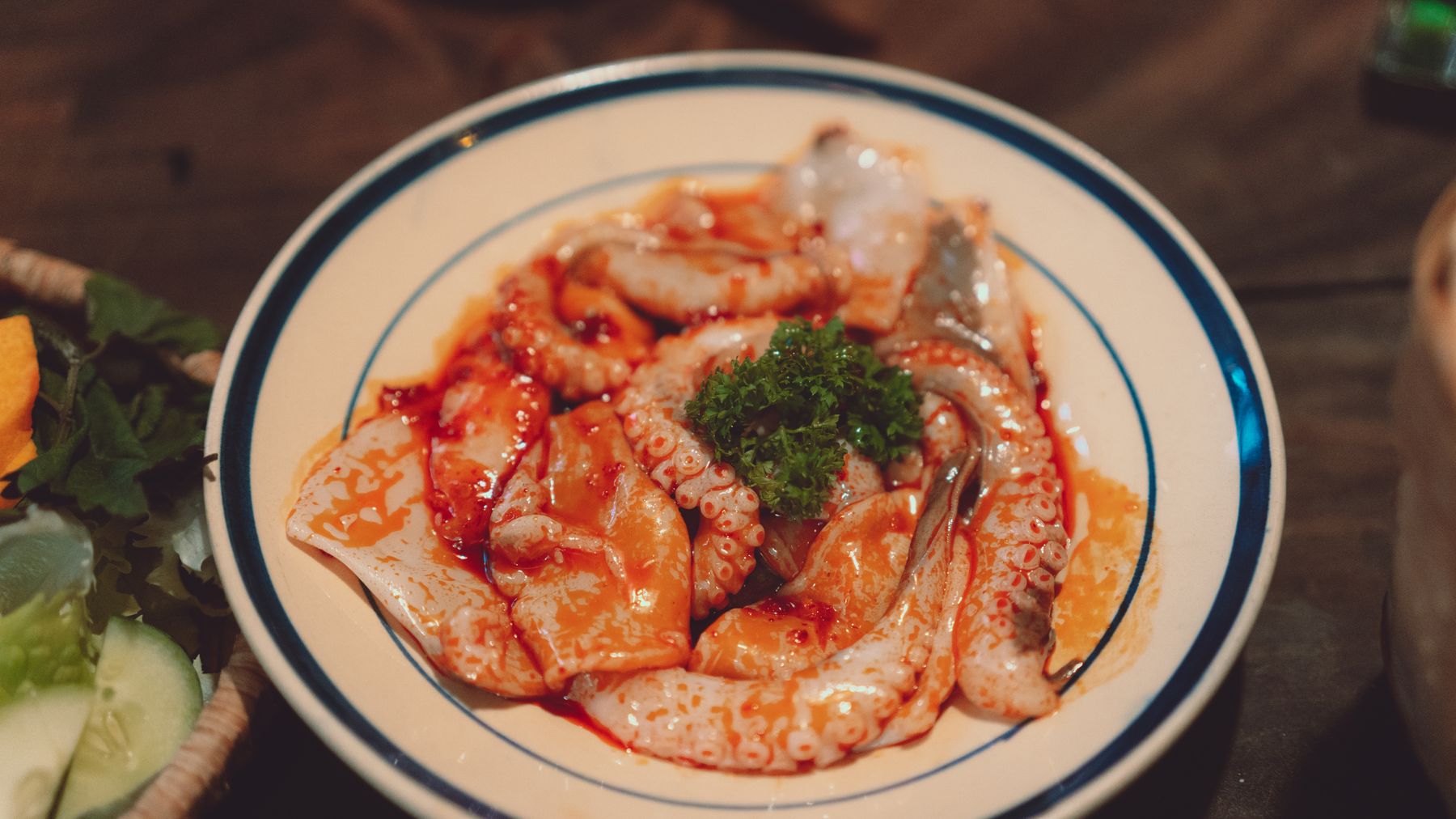
Photo by Theodore Nguyen on Pexels
Practical tips locals would tell you
- Bring sunscreen and a hat. There's almost no natural shade on the beach, and the restaurant canopies only help if you're eating.
- Swim near other people. Riptides happen here, and there are no lifeguards on most stretches. Locals know where the current is strong; follow their lead.
- Carry cash. There are no ATMs right at the beach. The nearest reliable ones are back toward Hue.
- Don't leave valuables on the sand. Petty theft isn't rampant, but unattended bags on an open beach are a universal risk.
Common mistakes to avoid
Going during typhoon season tops the list — every year, tourists underestimate central Vietnam's weather between September and November.
Another: expecting a full beach-resort day. Thuan An is a 3-4 hour trip, not a full-day destination. Come in the late morning, swim, eat a long seafood lunch, ride back. Trying to stretch it into a whole day usually means you're sitting around with nothing to do by mid-afternoon.
Finally, don't skip the lagoon side. Most visitors gravitate to the ocean beach because it looks more "real." The lagoon is the quieter, more interesting experience — and where the light is best in the late afternoon.
Practical notes
Thuan An works best as a half-day side trip from Hue, ideally paired with a morning of tombs or pagodas. Budget around 500,000 VND total for transport, seafood lunch, and drinks. The ride out through the countryside is half the appeal — take the motorbike, go slow, and stop when something catches your eye.
Last updated · May 29, 2026 · independently researched, never sponsored.