Most travelers treat Central Vietnam (베트남 / 越南 / ベトナム) as a checklist, rushing from the caves of Phong Nha to the tailors of Hoi An in a blur of domestic flights. If you have ten days, you can actually see the landscape shift from limestone karst peaks to the quiet, mossy walls of the old imperial capital. This route is designed for those who prefer the view from a train window or a private car over the sterile environment of an airport terminal.
Day 1-3 — The Limestone Wilderness of Phong Nha
Start in Phong Nha (퐁냐 / 峰牙 / フォンニャ). The best way to arrive is via the overnight train from Hanoi to Dong Hoi, followed by a 45-minute taxi ride to the town.
Spend your first day finding your rhythm. Rent a bicycle and ride through the Bong Lai Valley. It is flat, quiet, and takes you past small farms where you can stop for a cold drink. On Day 2, prioritize the less-crowded caves. While the main Phong Nha Cave is iconic, the Paradise Cave offers a more immersive experience if you arrive at 8:00 AM before the tour buses from Hue arrive. On Day 3, take a kayak out on the Chay River. The water is a startling shade of turquoise, and it is the best way to see the scale of the karst mountains without the noise of a motorboat.
Day 4 — The Transit to Hue
Travel from Phong Nha to Hue by private car. It takes about 4.5 to 5 hours. The road cuts through the Annamite Range, and the drive is far more scenic than the coastal highway. You will pass through the former DMZ area; stop at the Hien Luong Bridge for a quick look at the historical markers. Arrive in Hue by late afternoon and head straight for a bowl of "bun bo hue" at a local stall near the Dong Ba Market. The broth here is sharper and more aggressive than what you find in the south.

Photo by Quang Nguyen Vinh on Pexels
Day 5-6 — Hue: Imperial Echoes and Garden Houses
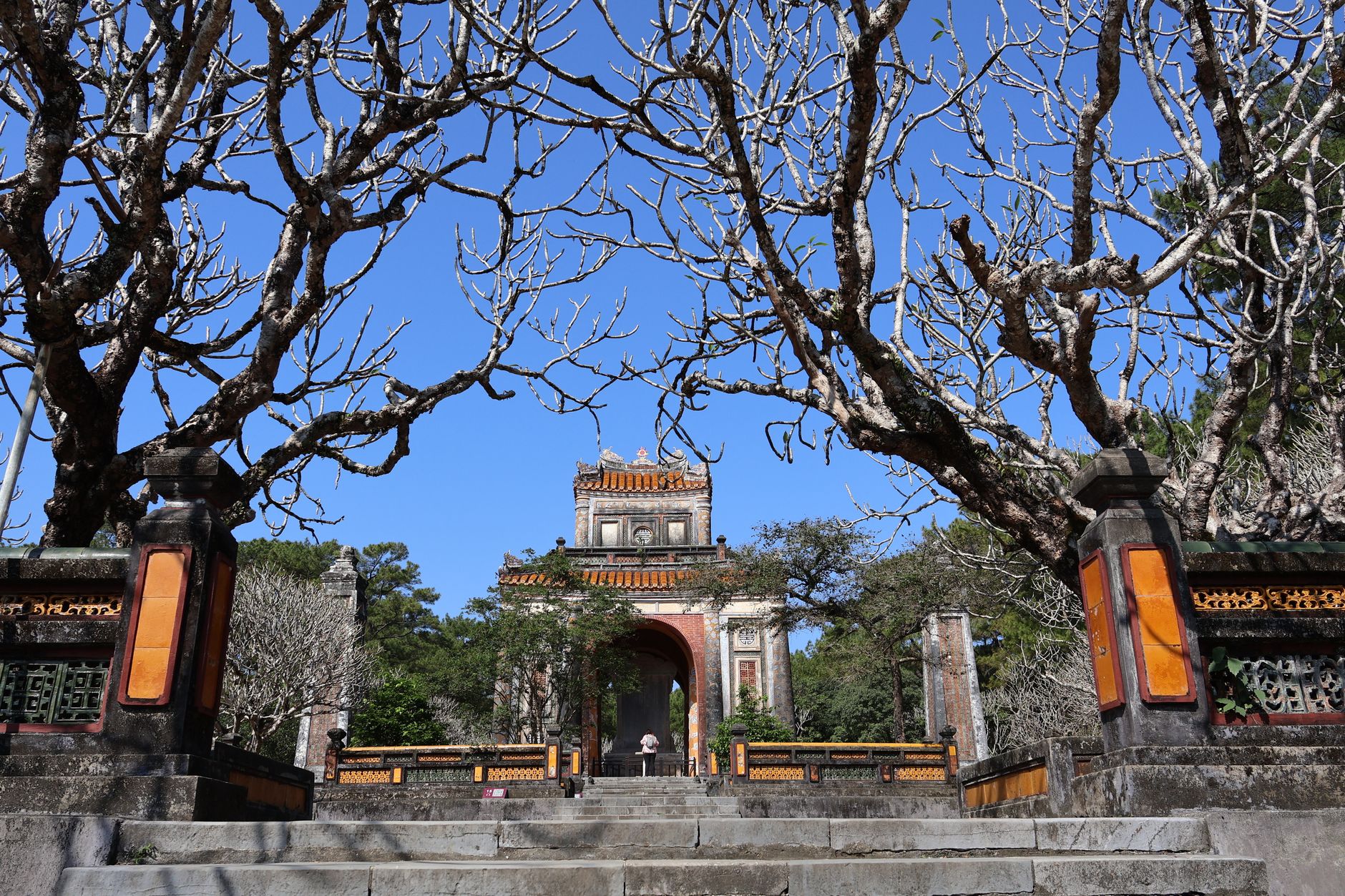
Hue is a city that rewards those who walk slowly. Spend Day 5 inside the Imperial Citadel Thang Long, but don't try to see it all in one go. Focus on the inner palaces and the restored sections. In the afternoon, cycle out to the Tomb of Tu Duc. It is set within a pine forest and feels more like a retreat than a monument.
On Day 6, skip the main tourist drag and visit a traditional "nha vuon" (garden house). These are private homes with meticulously maintained gardens that reflect the city's old-world aesthetic. For dinner, seek out "banh beo" or "banh nam"—delicate steamed rice cakes that are a staple of Hue’s royal-influenced street food scene.
Day 7 — The Pass to Hoi An
Take the train from Hue to Da Nang. This is arguably the most beautiful rail segment in the country, as the tracks hug the coastline and skirt the edge of the Hai Van Pass. Once you reach Da Nang, hire a car for the final 30km stretch to Hoi An.

Photo by Sachith Ravishka Kodikara on Pexels
Day 8-10 — Hoi An: Beyond the Lanterns
By the time you reach Hoi An, you will likely be tired of the heavy, meat-focused meals of the north and center. Lean into the local specialties. Start your first morning with "cao lau," a noodle dish that supposedly requires water from a specific local well to achieve its unique texture.
Spend your days exploring the periphery of the Ancient Town. Rent a scooter and head toward the rice paddies near Tra Que or cycle out to the coast. On your final day, take a morning boat trip to Cu Lao Cham. It is a protected marine park, and while it is popular, the snorkeling is decent and the pace of life on the island remains refreshingly slow. End your trip with a "vietnamese coffee" by the Thu Bon River, watching the boats drift by as the sun sets.
Practical notes
Book your train tickets at least a week in advance through the official Vietnam Railways website to ensure you get a soft-sleeper berth. For the private car transfers, ask your guesthouse in Phong Nha or Hue to arrange a driver; it is safer and more reliable than trying to negotiate with random taxis on the street.
Last updated · May 30, 2026 · independently researched, never sponsored.