Most travelers treat Central Vietnam (베트남 / 越南 / ベトナム) like a race, trying to cram four cities into a week. If you have ten days, you can actually breathe. This route moves from the karst landscapes of the north down to the historic trade ports of the south, prioritizing time on the ground over time spent in transit.
Day 1-3 — Phong Nha: Beyond the Caves
Arrive in Dong Hoi and take the 45-minute transfer to Phong Nha. Most people come for the caves, but the real charm is the valley itself. Spend your first afternoon cycling through the rural lanes near the Son River.
On Day 2, book a full-day trek. Skip the crowded tourist boats if you can; opt for a tour that takes you into the deeper jungle sections of the national park. On Day 3, rent a motorbike and head to the Botanical Garden or simply find a quiet spot along the river to enjoy a "vietnamese coffee" while watching the local life unfold. The pace here is slow, and the humidity is real—don't overschedule.
Day 4 — The Transit to Hue
Take a private car or the morning bus from Phong Nha (퐁냐 / 峰牙 / フォンニャ) to Hue. The drive takes about 4.5 to 5 hours. It is a scenic route that cuts through the Annamite Range. Stop for lunch in Dong Ha if you are on a private transfer. Once you arrive in Hue, drop your bags and head straight for the street food scene. Hue is the culinary capital of the country; look for "bun bo hue" at a local stall near the Dong Ba Market. It is spicy, rich, and nothing like the versions you find in the north.

Photo by Quang Nguyen Vinh on Pexels
Day 5-6 — Hue: Imperial Echoes
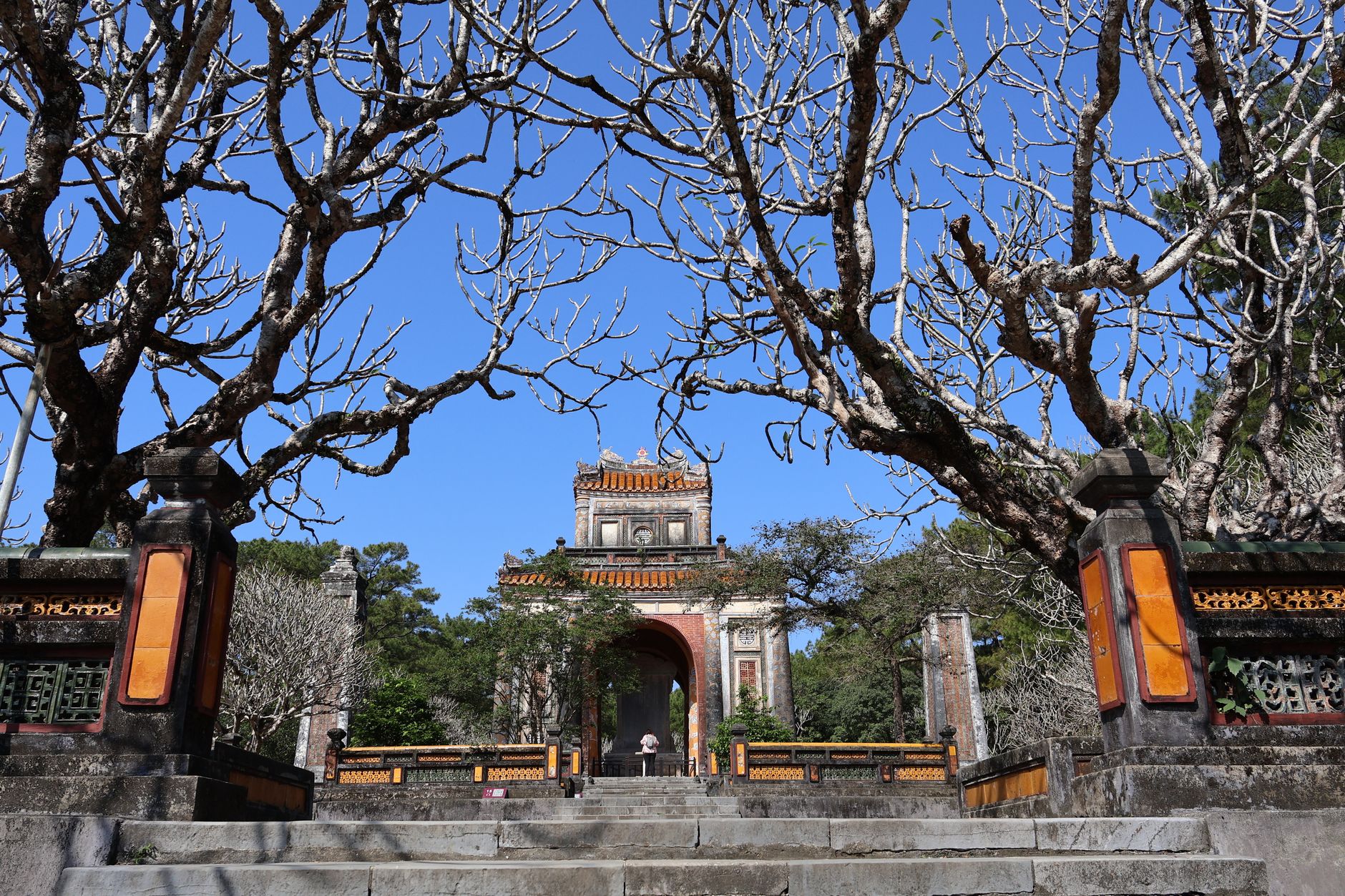
Hue is a city of layers. Spend your first morning at the Imperial Citadel Thang Long—or rather, the Hue Imperial Citadel. It is vast, so bring a hat and water. In the afternoon, head to the Tomb of Tu Duc. It is set in a pine forest and feels more like a garden than a cemetery.
On Day 6, visit the Tomb of Khai Dinh. The architecture is a jarring, fascinating mix of traditional Vietnamese and European concrete styles. In the evening, take a walk along the Perfume River. If you are lucky, you might catch a performance of "ca tru" or traditional music on a boat, but keep it simple—a bowl of "banh beo" or "banh nam" on a plastic stool is the authentic Hue experience.
Day 7 — The Pass to Hoi An
Travel from Hue to Hoi An. If you have the budget, hire a private car to drive over the Hai Van Pass. It is about a 3.5-hour journey. The views of the coastline are unmatched. You will pass through Da Nang, but keep moving toward the ancient town. Arrive in Hoi An by mid-afternoon, just as the light begins to soften.
Photo by Quang Nguyen Vinh on Pexels
Day 8-10 — Hoi An: The Ancient Port
Forget the souvenir shops for a moment. The magic of Hoi An is in the early morning. Wake up at 6:00 AM and walk the streets before the tour buses arrive. You will see the locals setting up their day and the true colors of the yellow-walled houses.
For food, you must try "cao lau". It is a noodle dish unique to this town, supposedly made with water from a local well. Spend your final days cycling out to the An Bang beach or taking a boat ride on the Thu Bon River. If you have time, visit a tailor, but don't feel pressured—the real value of Hoi An is the atmosphere. On your last night, grab a "bia hoi" by the river and watch the lanterns drift by.
Practical notes
Transport between these cities is best handled via private car if you are in a group of two or more, as it saves hours of waiting. Always carry cash (VND) for street food, as most small vendors do not accept cards. If you visit during the rainy season (October to December), expect flooding in Hoi An; pack accordingly or choose a different time of year.
Last updated · May 30, 2026 · independently researched, never sponsored.