Day 1-3 — The Limestone Kitchen of Phong Nha
Most travelers treat Phong Nha as a 48-hour pitstop for caving, but the local food scene deserves more time. Arrive in Dong Hoi by train or flight, then take a 45-minute taxi (approx. 400,000 VND) to the village. Start your first morning with "banh canh", a thick, chewy noodle soup often served with crab or pork in a rich, peppery broth.
Spend your days exploring the caves, but prioritize your evenings for the riverside grills. Look for stalls serving "nem lui" (lemongrass pork skewers) and fresh river fish grilled over charcoal. The humidity here makes the local "bia hoi" taste particularly crisp. By day three, head to the local market near the Son River to find vendors selling "banh loc", translucent tapioca dumplings stuffed with shrimp and pork belly.
Day 4 — The Transit to Hue
Take the morning bus or a private car south toward Hue. The drive takes about 4.5 hours through the coastal plains. Upon arrival, skip the hotel buffet and head straight for the street stalls near the Dong Ba Market. Hue cuisine is distinct—it is the food of the former imperial court, refined, spicy, and served in small, precise portions.

Photo by Quang Nguyen Vinh on Pexels
Day 5-7 — The Imperial Flavors of Hue
Hue is the heart of Central Vietnamese food. Start your mornings with "bun bo hue", a spicy beef noodle soup that bears little resemblance to the versions found in Saigon (사이공 / 西贡 / サイゴン). The broth here is pungent with fermented shrimp paste and lemongrass.
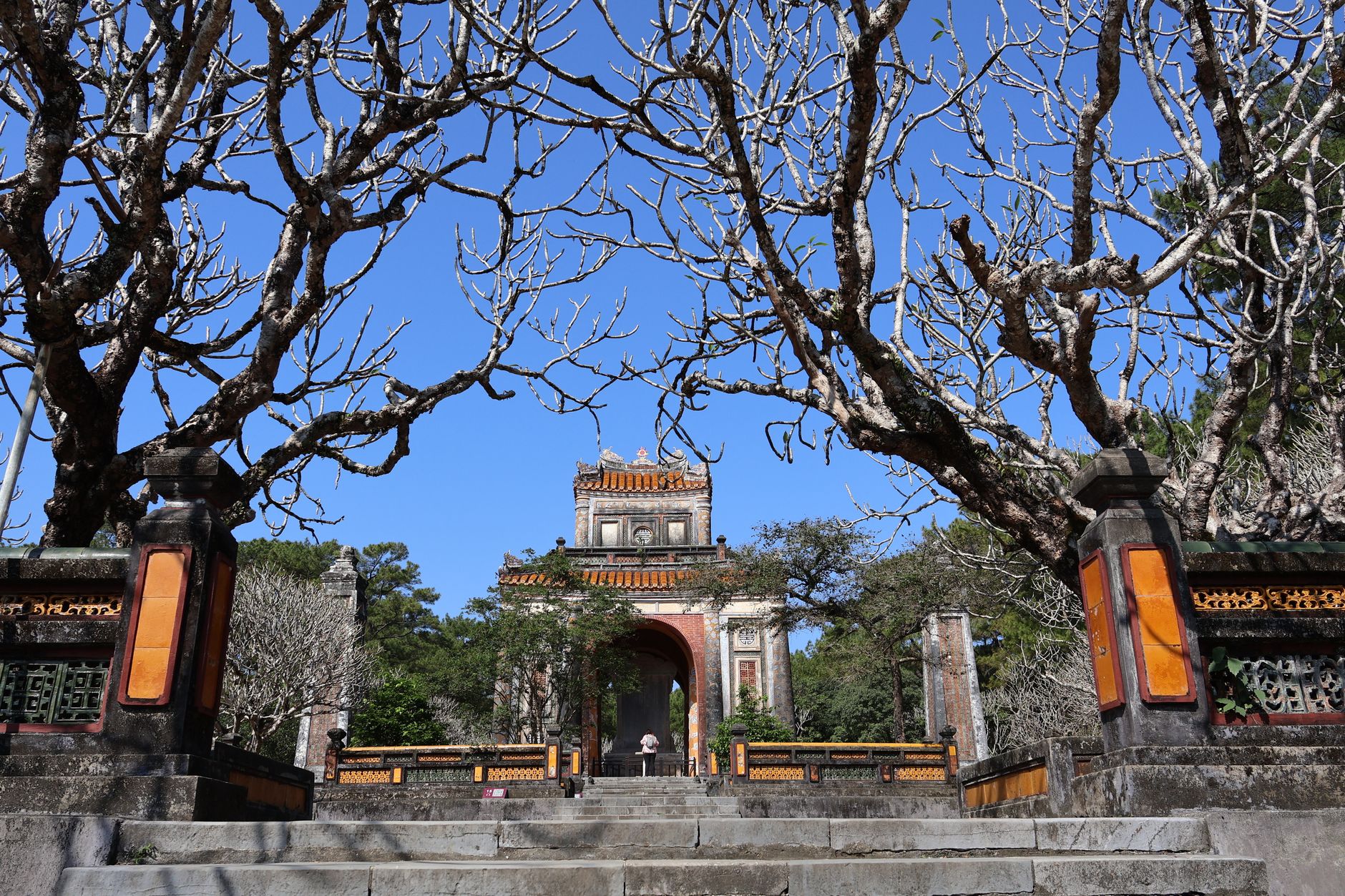
Spend your afternoons visiting the "Tomb of Tu Duc" and the "Tomb of Khai Dinh". These sites are expansive, so pace yourself. For dinner, seek out "banh khoai", a crispy, turmeric-infused pancake folded over shrimp and bean sprouts. If you want to experience the city’s deep Buddhist roots, look for a "com chay" (vegetarian) restaurant; Hue (후에 / 顺化 / フエ)’s vegetarian tradition is arguably the best in the country, with elaborate mock-meat dishes that are centuries old.
Day 8 — Crossing the Hai Van Pass
Travel from Hue to Hoi An via the Hai Van Pass. If you hire a private driver (approx. 1.2 million VND), you can stop at the Lang Co lagoon for fresh oysters. The drive takes about 4 hours, offering a slow transition from the rugged, moody atmosphere of Hue to the golden, lantern-lit streets of Hoi An.

Photo by Võ Văn Tiến on Pexels
Day 9-10 — The Silk and Spice of Hoi An
Hoi An’s food is defined by its history as a trading port. You will notice the influence of Chinese and Japanese flavors here. Your first meal must be "cao lau", a noodle dish that can only be made correctly in Hoi An because the water must be drawn from a specific local well. The noodles are thick, chewy, and topped with slices of pork and fresh herbs.
Spend your final days wandering the Ancient Town. In the late afternoon, find a spot by the Thu Bon River to enjoy a "vietnamese coffee" while watching the boats. For a quick snack, grab a "banh mi" from the legendary stalls that have been operating for decades—the pate and house-made mayonnaise here are regional staples. On your final night, treat yourself to a dinner featuring "banh xeo", a savory crepe that pairs perfectly with a cold local beer.
Practical notes
Travel between these cities is best done by private car or the Reunification Express train to ensure you can stop for food along the way. Always carry small denominations of VND for street vendors, as they rarely have change for large bills. Remember that in Central Vietnam, spice is not an afterthought—if you cannot handle heat, ask for your dishes to be prepared 'khong cay' (no spice).
Last updated · May 30, 2026 · independently researched, never sponsored.