What you're getting
A Vietnam (베트남 / 越南 / ベトナム) e-visa is a digital entry permit that arrives in your email. It's valid for 90 days from issue, lets you enter once (single entry) or multiple times (multi-entry), and costs $25 or $50 respectively. US passport holders qualify without hassle — no embassy visit needed.
How to apply
Go to evisa.gov.vn (the only official government site). You'll create an account, fill out a form, upload a photo, and pay by card. The form asks for your passport details, planned entry date, intended port of entry, and contact information. Double-check spelling — mismatches with your actual passport will trigger a rejection.
Photo requirements (critical)
Your biggest rejection risk is a bad photo. The specs are strict:
- 4 cm × 6 cm (that's roughly 1.5" × 2.4", smaller than a US passport photo)
- White background only — no off-white, no cream, no gradient
- Face takes up 70–80% of frame — head and shoulders, centered
- Eyes open and facing the camera — no tilted angles
- Recent photo — taken within the last 6 months
- No glasses, no hats, no partial face — what you'd wear to a government ID photo
- JPG or PNG, under 2 MB
If your background is anything other than white, crop it or re-shoot with a white wall or paper behind you. A drugstore portrait studio in the US can print the right size for $5–10. You can also use a phone camera in bright daylight against a white wall and crop it in Preview (Mac) or Photos (Windows).
Filling the application form
Have your passport handy. Key fields:
- Passport number: exact match, no spaces or dashes
- Full name: spell it exactly as it appears in your passport
- Date of birth: MM/DD/YYYY format
- Nationality: United States
- Sex, marital status: straightforward
- Occupation: your job title or "student", "retired", etc.
- Intended port of entry: Noi Bai (Hanoi), Tan Son Nhat (Saigon), or Da Nang are the busiest; if arriving in a smaller city like Ha Tien or Phu Quoc, pick the correct port
- Purpose of visit: "Tourism" or "Business" — stick with "Tourism" if you're just visiting
- Passport validity: make sure your passport has at least 6 months valid from your entry date
Mistakes in name spelling, passport number, or birthdate = rejection. Take your time.

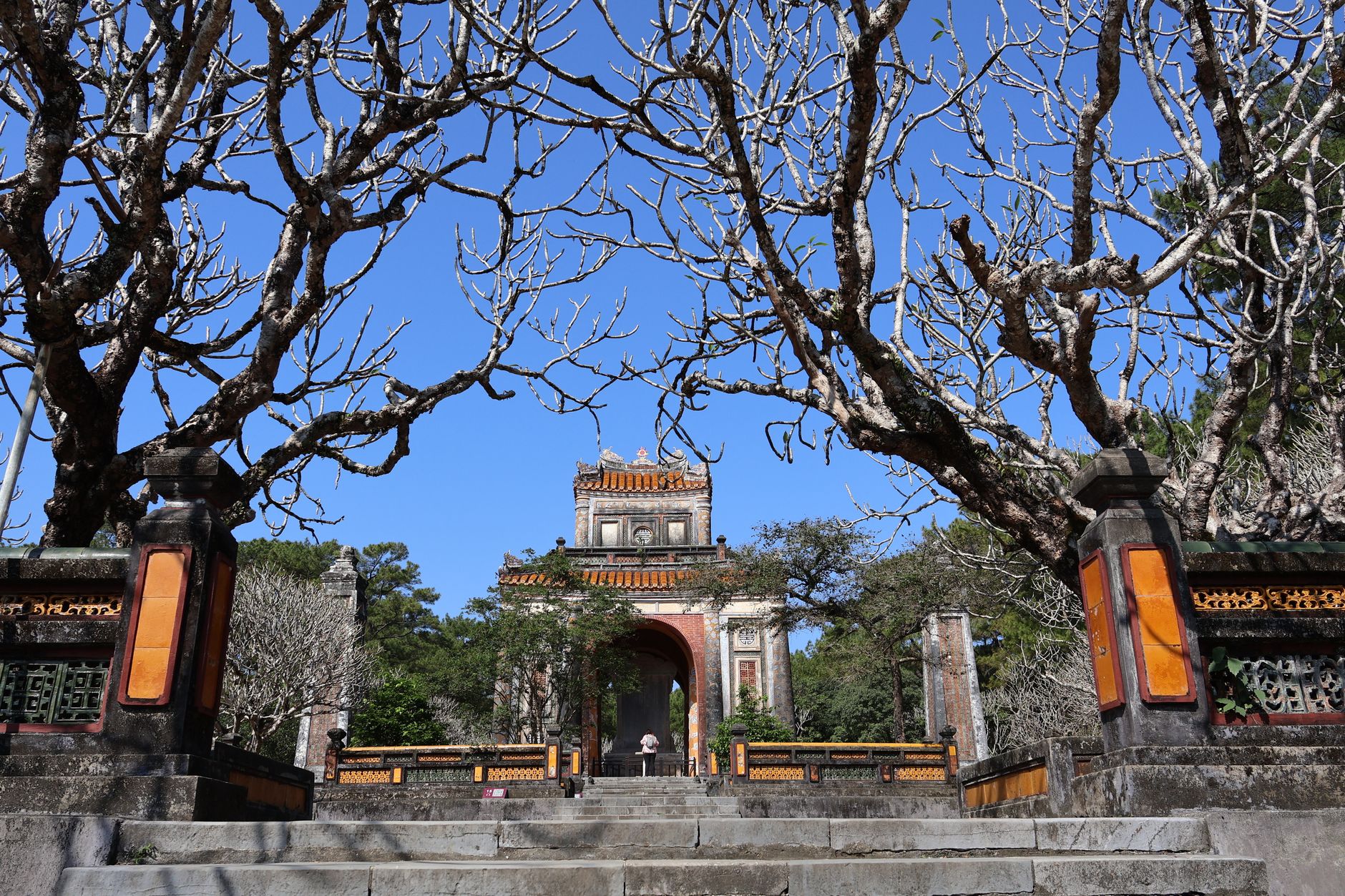
Photo by Marta Branco on Pexels
Payment
A single-entry e-visa costs 25 USD. A multi-entry e-visa (valid for 90 days, unlimited entries) costs 50 USD. You'll pay by credit or debit card — Visa, Mastercard, American Express all work. Processing time is 3 working days (Monday–Friday, no holidays). Expedited 24-hour and same-day options are available for extra fees ($7–$10).
What arrives in your email
You'll get a PDF with an approval code and a QR code. Print it or screenshot it — you'll show it at immigration when you land. The PDF itself doesn't look like much, but that's normal. Immigration staff will scan the code or look you up in their system.
Common rejection reasons (and how to avoid them)
1. Photo background isn't pure white. Largest culprit. Use a white wall or white poster board, not cream or off-white.
2. Name mismatch between passport and form. If your passport says "John David Smith" and you type "John D. Smith", that's a rejection. Match it exactly.
3. Passport number error. One digit wrong and they'll reject it. Copy and paste from your passport ID page if you can.
4. Passport expiring soon. If your passport expires in fewer than 6 months from your intended arrival date, immigration may deny entry even with a valid e-visa. Renew your passport first if it's close.
5. Illegible or undersized face in photo. If your face is too small, the background dominates, or the image is blurry, they'll ask for a new one.
6. Unclear entry port. If you write "Vietnam" as your port but don't specify Hanoi, Saigon, or Da Nang (다낭 / 岘港 / ダナン), they may reject it. Choose your actual arrival city.

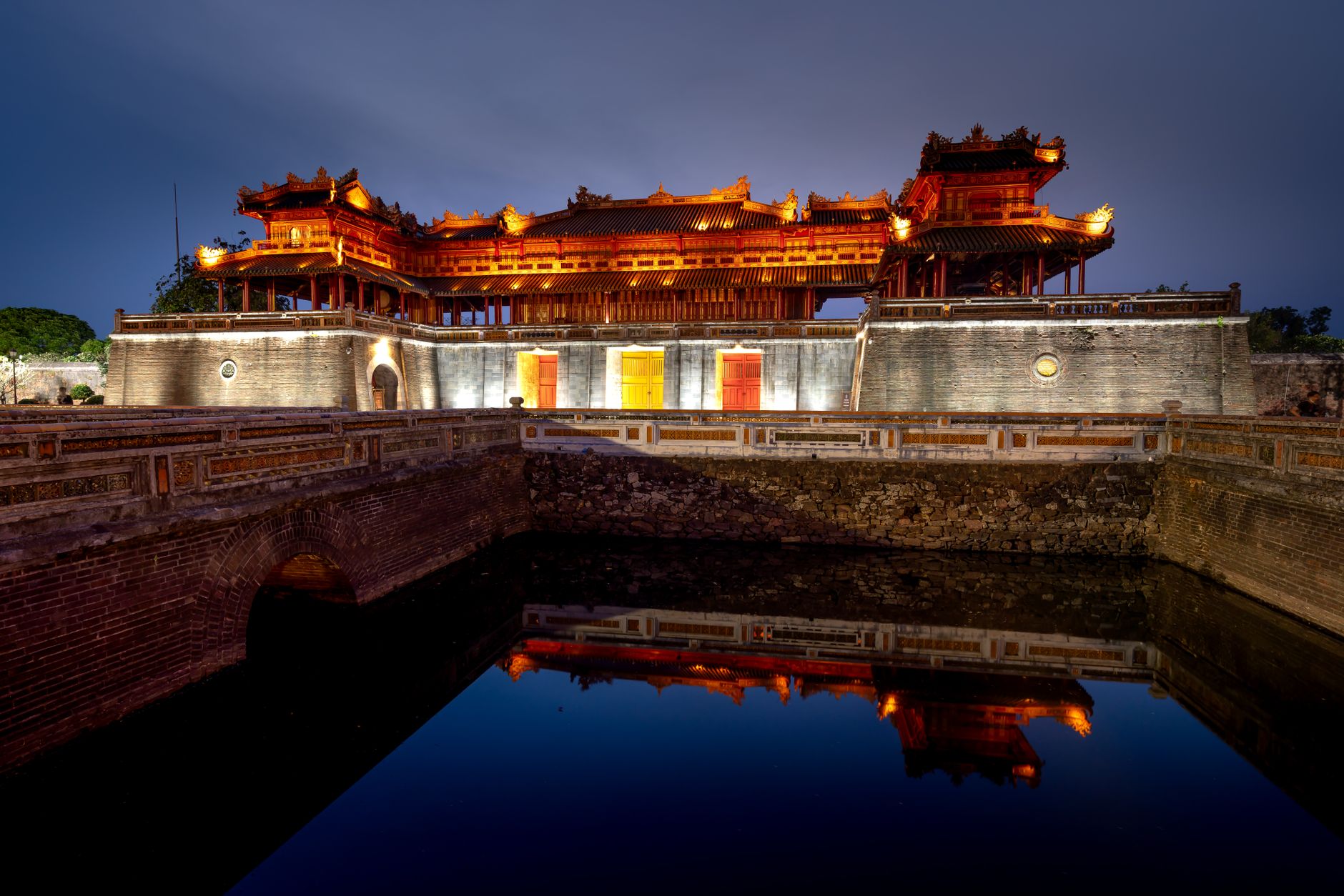
Photo by DΛVΞ GΛRCIΛ on Pexels
Timing tip
Apply at least a week before you travel. Three working days is the standard; if your dates shift, you can apply for a new e-visa. There's no fee to reapply, but you'll get a fresh approval code. Some people book flights first, then apply once dates are locked.
At immigration
When you land, go to the e-visa or "foreigner" line (not the citizen line). Have your passport and the e-visa PDF or screenshot ready. Scan is quick — usually 2–5 minutes. They'll stamp your passport with an arrival date, and you're in.
Bottom line
The process is straightforward if you get the photo right and spell your name consistently. Most rejections are photo problems or typos, both easy to fix. Apply a week before travel, use a white background, and match your passport exactly.
Last updated · May 26, 2026 · independently researched, never sponsored.