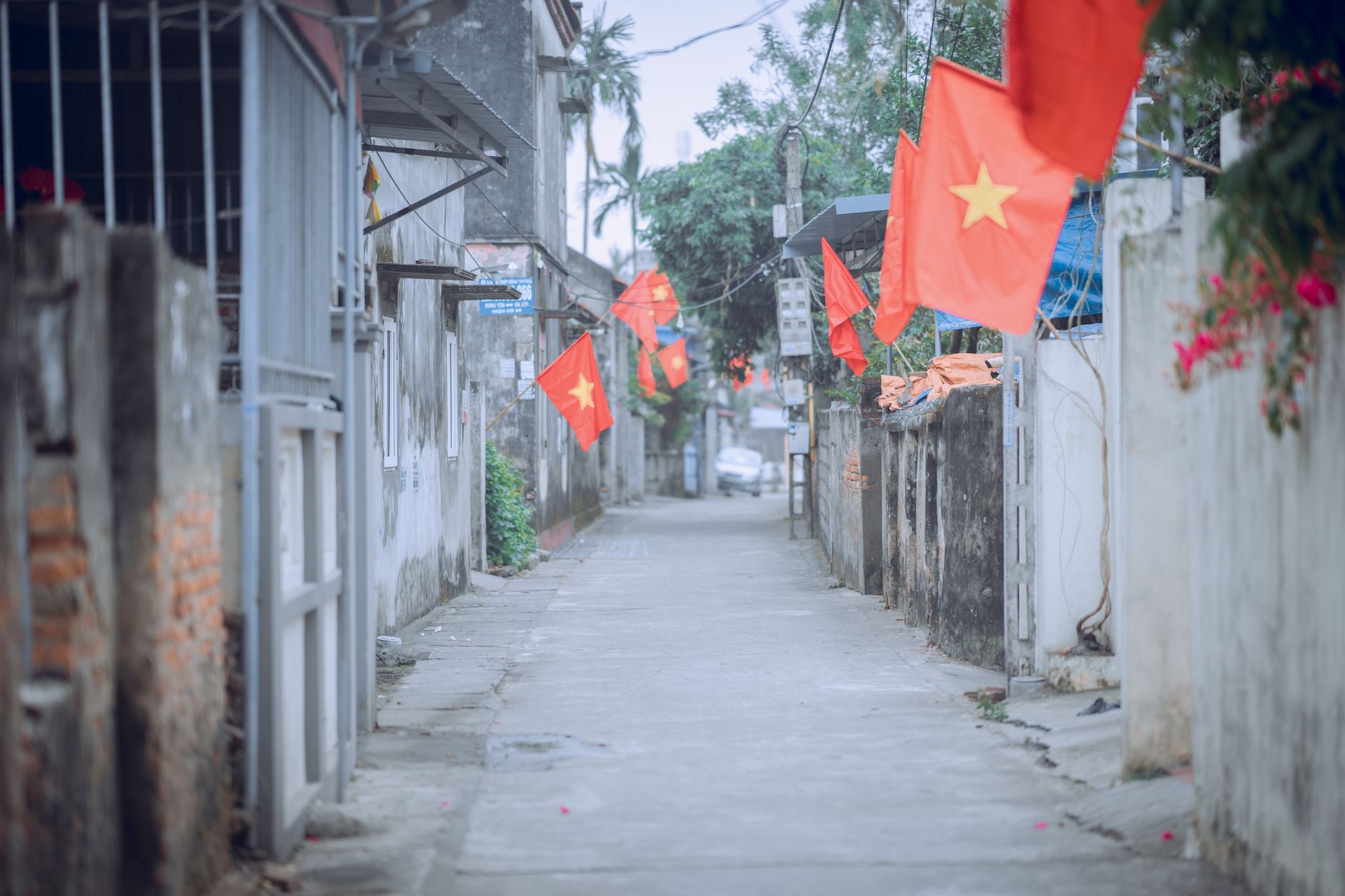
Tra Vinh is a former province in the Mekong Delta (메콩 델타 / 湄公河三角洲 / メコンデルタ) that officially merged with Vinh Long province on June 12, 2025. For decades, it was known for its ethnic diversity, significant Khmer Buddhist presence, and the quiet rhythms of delta life. Even as it transitions administratively, the cultural and geographic character of the region remains distinct.
Name and Etymology
The name Tra Vinh comes from the Khmer "Preah Trapeang," meaning "Sacred Pond" or "Buddha's Pond." Vietnamese speakers rendered this as Tra Vang, then Tra Vinh over time. The area was sparsely settled until King Minh Mang formally established it as Lac Hoa district in 1825, using variants like cha-vang or cha-vinh. Throughout the 20th century, the province's name shifted repeatedly—from Vinh Tra (1951), to Vinh Binh (1957), to Cuu Long (1976), back to Tra Vinh (1992)—reflecting larger administrative reorganizations of the delta.
The Khmer origin of the name isn't just trivia. It tells you something about who was here first, and why the cultural landscape looks the way it does. Unlike most Mekong Delta provinces where Vietnamese Kinh culture dominates entirely, Tra Vinh's Khmer roots run deep enough to show up in the very name on the map.
People and Culture
Tra Vinh's defining feature is its ethnic makeup. Vietnamese (Kinh) people make up roughly two-thirds of the population, but nearly a third are Khmer Krom—ethnic Khmer with roots in southern Vietnam (베트남 / 越南 / ベトナム). This Khmer presence shapes everything from daily life to the spiritual landscape. Buddhist pagodas, or wats, dot the province, and monks on alms rounds are a regular sight. The province is also home to one of Vietnam's largest ethnic Hoa (Chinese) communities, about 1.65% of the population, adding another layer to the region's character.
This diversity is not abstract—it's visible in street markets, in the style of homes, in the rhythm of religious observance. For travelers interested in Vietnam beyond the backpacker circuit, it's worth noting.
The Khmer Krom community here maintains its own schools, festivals, and daily rituals. During "Ok Om Bok" (the moon-worshipping festival, usually in November), villages along the canals hold boat races and offerings. It's not staged for tourists—most foreigners have never heard of it. The Chinese community, concentrated in Tra Vinh City's market area, runs many of the wholesale businesses and maintains a handful of ornate temples that contrast sharply with the Khmer wats nearby.

Photo by Nguyen Truong Khang on Pexels
Geography and Getting Around
Tra Vinh sits in the heart of the Mekong Delta, where rivers and canals define the landscape as much as roads do. National Road 60 runs north to Soc Trang. Ferry services connect the city to nearby islands like Cu Lao Dung. The Co Chien Bridge is a key piece of infrastructure, linking the fragmented delta landscape. Streets like Pham Ngu Lao in Tra Vinh City center are quiet and walkable—no tourist crush here.
The geography is low, wet, and intensely cultivated. Rice paddies, orchards, and fish ponds dominate. Water travel is common and often necessary; this is not a place for driving everywhere.
From Ho Chi Minh City, the drive is about 130 km—roughly 3 hours by car or bus, depending on ferry wait times. Phuong Trang (Futa) buses run daily from the Western Bus Station (Ben Xe Mien Tay) in Saigon, with tickets around 120,000–150,000 VND. If you're coming from Can Tho (about 100 km west), budget 2 to 2.5 hours on National Road 60. Motorbike rental in Tra Vinh City runs 120,000–150,000 VND per day from guesthouses. There's no ride-hailing presence worth mentioning—this is Grab-lite territory at best.
Within the province, local ferries ("pha") cost 5,000–10,000 VND for a motorbike crossing. They run from early morning until around 6 PM. Miss the last one and you're taking a long detour by road.

Photo by Nguyen Truong Khang on Pexels
Administrative Structure (Before 2025)
Before its merger, Tra Vinh was divided into seven districts: Cang Long, Cau Ke, Cau Ngang, Chau Thanh, Duyen Hai, Tieu Can, and Tra Cu. The district-level town Duyen Hai and the provincial capital Tra Vinh City completed the administrative picture. Below that were 11 commune-level towns, 85 communes, and nine wards. This structure managed local governance and services across the province.
Pagodas Worth Visiting
Tra Vinh has over 140 Khmer pagodas—more per capita than almost anywhere else in Vietnam. A few stand out:
Ang Pagoda (Chua Ang) — The most famous, located about 5 km south of Tra Vinh City center. The compound is shaded by massive old trees (some over 100 years old) and houses a monastery, a Khmer cultural museum, and elaborately painted main halls. Free entry. Best visited in the morning when monks are active.
Hang Pagoda (Chua Hang) — In Chau Thanh district, roughly 40 km from the city. Known for its bat colonies—thousands of fruit bats hang from the trees in the pagoda grounds during the day. Arrive before 5 PM to see them before they fly out at dusk.
Kompong Tro Ach Pagoda — Smaller, less visited, but architecturally striking. Located in Tra Cu district near the Cambodian-influenced rural communities. Worth the ride if you have a motorbike and half a day.
Most pagodas are open from around 6 AM to 5 PM. Dress modestly (cover knees and shoulders). Remove shoes before entering prayer halls. Photography is generally fine outdoors, but ask before shooting inside the main sanctuary.
Food in Tra Vinh
The food here reflects the ethnic mix. You'll find Khmer-influenced dishes that don't exist in Hanoi or even Saigon, alongside standard Mekong Delta fare.
"Bun nuoc leo" — Tra Vinh's signature dish. A rice noodle soup with a fish-based broth (often snakehead or catfish), pounded with lemongrass, turmeric, and "mam" (fermented fish paste). Topped with roasted pork, fresh herbs, and banana blossom. A bowl costs 25,000–35,000 VND at most street stalls. Try it at the cluster of stalls near the central market on Dien Bien Phu Street.
"Banh tet Tra Cuon" — A local variation of sticky rice cake, wrapped in banana leaves with mung bean and pork filling. The Tra Cuon village version (Cau Ke district) is famous across the delta. Sold at markets for 20,000–40,000 VND per piece.
"Bun cha" and "pho" exist here but aren't the point. This is the Mekong Delta—you eat "hu tieu" (clear pork-based noodle soup, 25,000–30,000 VND), "com tam" (broken rice with grilled pork, 30,000–40,000 VND), and fresh "goi cuon" (spring rolls, 5,000 VND each). The Chinese community contributes good "hu tieu" Nam Vang style and roast duck over rice.
For coffee, the local style is "ca phe sua da"—strong dark roast over ice with condensed milk, 15,000–20,000 VND at any sidewalk cafe. No specialty coffee scene here; this is old-school drip filter territory.
Why It Matters for Travelers
Tra Vinh is not on the standard Mekong Delta tourist loop, Chau Doc, My Tho). But that's precisely why it's worth a detour. The Khmer Buddhist culture is genuine and visible—not packaged for backpackers. Prices are lower. The pace is slower. If you're interested in the real Mekong Delta, not the tour-boat version, spend a night or two in Tra Vinh City or one of the quieter towns. Eat local food. Visit a pagoda. Take a ferry. You'll see Vietnam that most tourists miss.
If you're building a longer Mekong Delta loop, Tra Vinh fits between Vinh Long (to the north) and Soc Trang (to the south). Pair it with a day exploring Ninh Binh-style slow boat rides through the canals, or use it as a quieter base before heading to Phu Quoc via the coastal road through Ca Mau.
Quick Reference
- Location: Southern Mekong Delta, between the Co Chien and Hau rivers
- Distance from Saigon: ~130 km (3 hours by bus)
- Distance from Can Tho: ~100 km (2–2.5 hours)
- Bus from Saigon: Phuong Trang/Futa, Ben Xe Mien Tay, 120,000–150,000 VND
- Motorbike rental: 120,000–150,000 VND/day
- Budget accommodation: 200,000–350,000 VND/night (basic guesthouse)
- Signature dish: Bun nuoc leo, 25,000–35,000 VND
- Best months: November–March (dry season, Ok Om Bok festival in Nov)
- Language tip: Very little English spoken. Learn "xin chao" (hello), "bao nhieu" (how much), "cam on" (thank you)
- ATMs: Available in Tra Vinh City center (Vietcombank, Agribank on Nguyen Thi Minh Khai Street)
Common Mistakes Foreigners Make
Skipping it entirely. Most travelers hit Can Tho and call the Mekong Delta done. Tra Vinh offers something Can Tho doesn't: a living Khmer culture without any tourism infrastructure distorting it.
Arriving without cash. Outside of Tra Vinh City, card payment doesn't exist. Markets, ferries, pagoda donations, street food—all cash. Withdraw enough in the city before heading to the districts.
Expecting English. Even in Tra Vinh City, English is rare. Hotel reception might manage basics. At pagodas and markets, you'll rely on gestures, Google Translate, or a few Vietnamese phrases. The Khmer-speaking communities sometimes understand Thai better than English, if that helps.
Visiting pagodas at midday. Monks rest. Gates may be open but the compounds are empty and hot. Early morning (6–8 AM) or late afternoon (4–5 PM) is when pagodas feel alive.
Treating it like a day trip from Saigon. The 3-hour drive each way makes a day trip exhausting and pointless. Stay at least one night. Two is better—one for the city and its pagodas, one for a district like Tra Cu or Cau Ke.
Confusing Khmer Krom culture with Cambodian tourism. The Khmer here have been in southern Vietnam for centuries. This isn't a border-town Cambodian experience. The culture is distinct—Vietnamese-inflected Khmer, not Phnom Penh Khmer.
Frequently Asked Questions
How do I get to Tra Vinh from Ho Chi Minh City?
Tra Vinh is about 130 km from Ho Chi Minh City, roughly 3 hours by car or bus depending on ferry wait times. Phuong Trang (Futa) buses run daily from Ben Xe Mien Tay (Western Bus Station) in Saigon, with tickets costing 120,000–150,000 VND. If traveling from Can Tho, the journey is around 100 km west via National Road 60, taking 2 to 2.5 hours.
What ethnic groups make up the population of Tra Vinh?
About two-thirds of Tra Vinh's population are Vietnamese (Kinh), while nearly one-third are Khmer Krom — ethnic Khmer with roots in southern Vietnam. The province also has one of Vietnam's largest ethnic Hoa (Chinese) communities, at around 1.65% of the population. This mix is visible in daily life: Khmer Buddhist wats and monks on alms rounds sit alongside Chinese temples in the city's market area.
When is the best time to see Tra Vinh's Khmer boat racing festival?
The Ok Om Bok moon-worshipping festival, which includes boat races and canal-side offerings in Khmer villages, is typically held in November. It is a community event, not a staged tourist attraction, and most foreign visitors are unfamiliar with it. Travelers interested in Khmer Krom culture and religious traditions will find this one of the more authentic seasonal events in the Mekong Delta.
Bottom Line
Tra Vinh rewards the kind of traveler who doesn't need a checklist. There's no Instagram landmark, no famous street food tour, no hostel party scene. What there is: one of Vietnam's most culturally layered provinces, a genuine Khmer Buddhist heartland, and a pace of life that the tourist trail hasn't touched. Go before that changes—or go because it probably won't.
Last updated · May 29, 2026 · independently researched, never sponsored.