Over-the-counter medicine in Vietnam works differently than back home
Vietnam (베트남 / 越南 / ベトナム)'s pharmacy system has almost no gatekeeper between you and medication. Walk into a "nha thuoc" (pharmacy) and you can buy antibiotics, antihistamines, even some steroids without a doctor's prescription. This is fast and cheap—but it's also a minefield if you don't know what you're doing.
How Vietnamese pharmacies work
Pharmacies are everywhere. Every neighborhood has at least one, and they're open until 9 or 10 p.m. in most cities. You'll see them by the green cross or red cross sign on the storefront.
Walk in, describe your symptom to the staff (in broken English or Vietnamese—they usually understand common complaints), and they'll recommend something. They speak some English in tourist areas and major cities; in smaller towns, you may need to point at pictures or use a translation app.
Cost is per-dose or per-strip, not per-bottle. You don't buy a whole box of 100 paracetamol tablets. You ask for 2 doses, they count out 2 pills and put them in a small plastic bag for you. This keeps costs down: you pay for what you use.
Common OTC medicines and costs
Pain & fever:
- Paracetamol (acetaminophen): 500 mg per dose, 5,000–8,000 VND for 2–4 doses
- Ibuprofen: 400 mg per dose, 8,000–12,000 VND for 2 doses
- Aspirin: 500 mg per dose, 3,000–5,000 VND for 2 doses
Stomach & digestion:
- Omeprazole (acid reflux): 20 mg per dose, 10,000–15,000 VND for 2 doses
- Ranitidine (now less common; check availability): 150 mg per dose, 8,000–12,000 VND
- Simethicone (bloating): 80 mg per dose, 5,000–8,000 VND
- Loperamide (diarrhea): 2 mg per dose, 8,000–12,000 VND for 2 doses
Antihistamine:
- Cetirizine: 10 mg per dose, 8,000–12,000 VND for 2 doses
- Loratadine: 10 mg per dose, 10,000–15,000 VND
Antibiotics (no script needed):
- Amoxicillin: 500 mg per dose, 8,000–15,000 VND for 2–3 doses
- Ciprofloxacin: 500 mg per dose, 15,000–25,000 VND for 2 doses
- Azithromycin: 500 mg per dose, 25,000–40,000 VND per dose (expensive)
Topical:
- Antibiotic ointment: 20,000–40,000 VND for a small tube
- Hydrocortisone cream (1%): 15,000–25,000 VND
All prices are 2024 estimates and vary by pharmacy, city, and brand. Tourist-heavy areas charge more; local pharmacies in residential neighborhoods are cheaper.
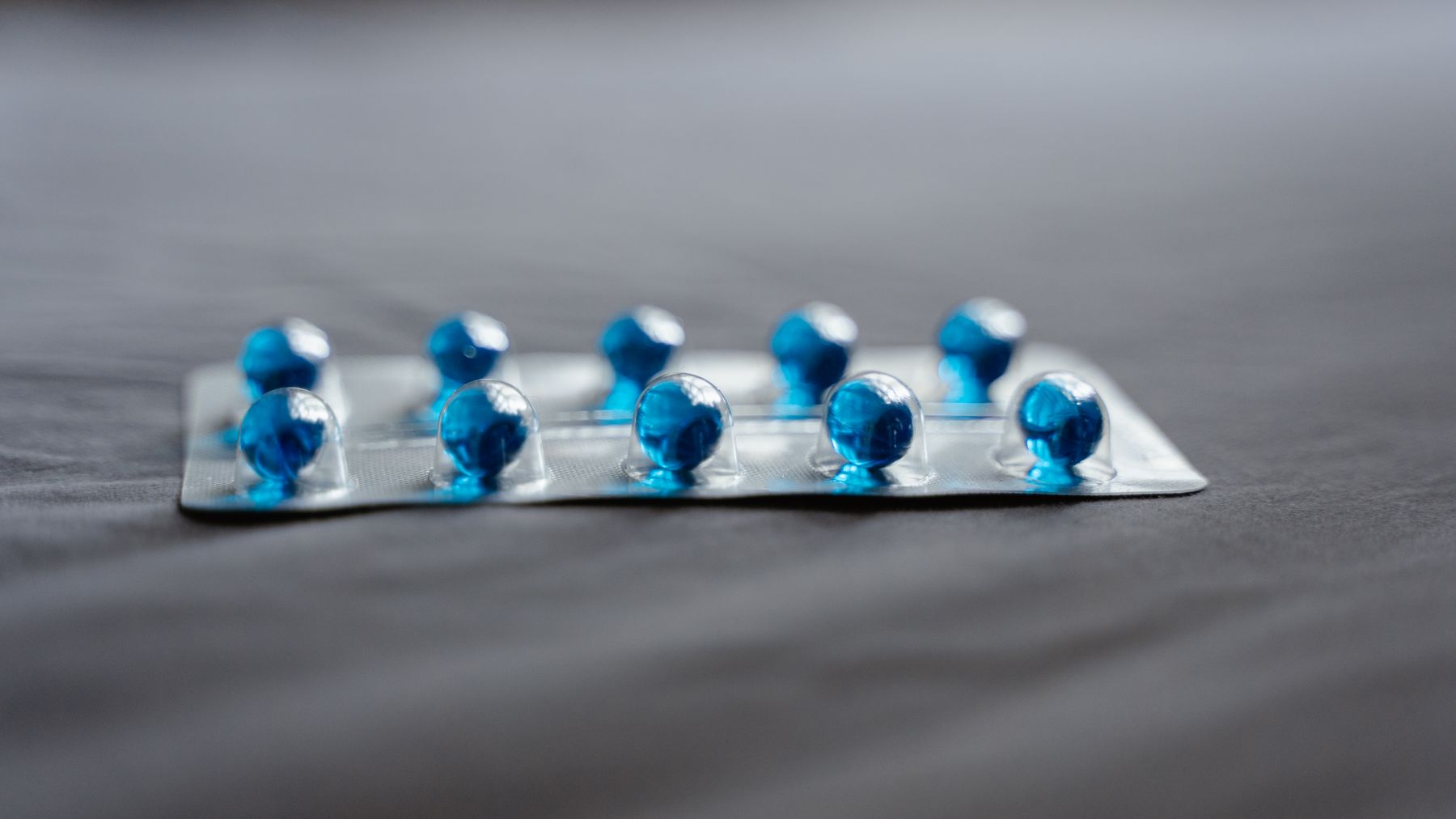
Photo by MART PRODUCTION on Pexels
What to bring before you go
Your own medication list. If you take something regularly (blood pressure meds, antidepressants, thyroid), bring the name and dose. Pharmacists can usually find the equivalent. Generic names work; brand names sometimes don't.
A translation app. Google Translate or Papago (works better for Vietnamese). Describe your symptom, take a screenshot, show the pharmacist.
Your passport or ID. For some antibiotics and stronger antihistamines, they may ask for ID. It's not always enforced, but be prepared.
Cash. Most pharmacies take card, but small ones in rural areas may not. Small bills (10,000–50,000 VND) are easier to handle than large notes.
Pitfalls and what to watch for
Overtreatment. If you describe a sore throat, they may suggest an antibiotic even if it's viral. Ask if you really need it. In Vietnam, antibiotics are handed out like candy.
Wrong strength or brand. Pharmacists sometimes substitute without asking. If you want a specific dose, point at the box or ask them to show you before paying.
Counterfeit or expired stock. This is rare in major cities and reputable chains, but it happens. Check the expiry date on the box or blister pack before you leave.
Medicine interactions. If you're on multiple medications (especially blood pressure or heart meds), ask a pharmacist in writing (use your translation app) whether the new medicine is safe to combine. The staff usually know their stuff, but verify.
Diarrhea assumption. If you mention digestive upset, you'll probably be offered loperamide (Imodium). Sometimes that's wrong—viral diarrhea often needs fluids and rest, not a plug. Ask what they're recommending and why.
Antibiotics: the real talk
You can buy antibiotics without a prescription. Don't abuse this. If you suspect bacterial infection (chest, urinary tract, deep wound), antibiotics can help. But they won't cure viral infections, and overusing them contributes to antibiotic resistance—a real problem in Vietnam.
If you're sick for more than 3 days or the fever is 39°C or higher, see a doctor instead of self-medicating. A clinic visit costs 150,000–300,000 VND and gives you a real diagnosis. Most foreigners overestimate how sick they are.

Photo by Vietnam Hidden Light on Pexels
Where to buy (by city type)
Hanoi, Saigon, Da Nang: Walk into any pharmacy. Brands include Pharmacity, Apomex, Shoppe Pharmacy (chains with English-speaking staff). Single-dose convenience is standard.
Hoi An, Hue, smaller cities: Local pharmacies on the main commercial street. Staff speak less English; use an app or point.
Remote towns: Pharmacy quality varies. If you're traveling to Sapa or Ha Giang, bring a basic first-aid kit from home (bandages, pain relief, antidiarrheal).
Bring these from home if you can
- Any medication you take daily (harder to find equivalents, and language barriers slow you down)
- Prescription items you can't buy OTC in Vietnam (certain inhalers, sleeping pills)
- Familiar pain relief or antacid (peace of mind; they're cheap anyway)
- Blister pads and antibiotic ointment (useful, hard to describe in Vietnamese)
Bottom line
Vietnamese pharmacies are convenient and affordable, but they're not regulated like Western pharmacies. Use them for minor stuff—sore throat, mild diarrhea, headache, bug bites. For anything serious or persistent, see a doctor. And if you're on regular medication, bring enough from home to cover your trip; don't rely on finding exact equivalents in a language barrier.
Last updated · May 26, 2026 · independently researched, never sponsored.