Why the pharmacy is your first stop
In Vietnam (베트남 / 越南 / ベトナム), the neighborhood pharmacy is the primary healthcare access point for most residents. You will not find the same strict prescription-only culture here as you might in Europe or North America. If you have a minor ailment—a lingering cough from the Hanoi humidity or a stomach bug after a questionable round of "bun cha"—you walk into a pharmacy, describe your symptoms, and the pharmacist will curate a selection of medicine for you. It is efficient, affordable, and requires no appointment.
The golden rule of communication
Before you start, remember that most pharmacists in smaller neighborhood shops have limited English. Keep your sentences short, point to the affected area, and use the following phrases. If you are in a major city like Saigon or Da Nang, you might find younger staff with better English, but these phrases will bridge the gap anywhere.

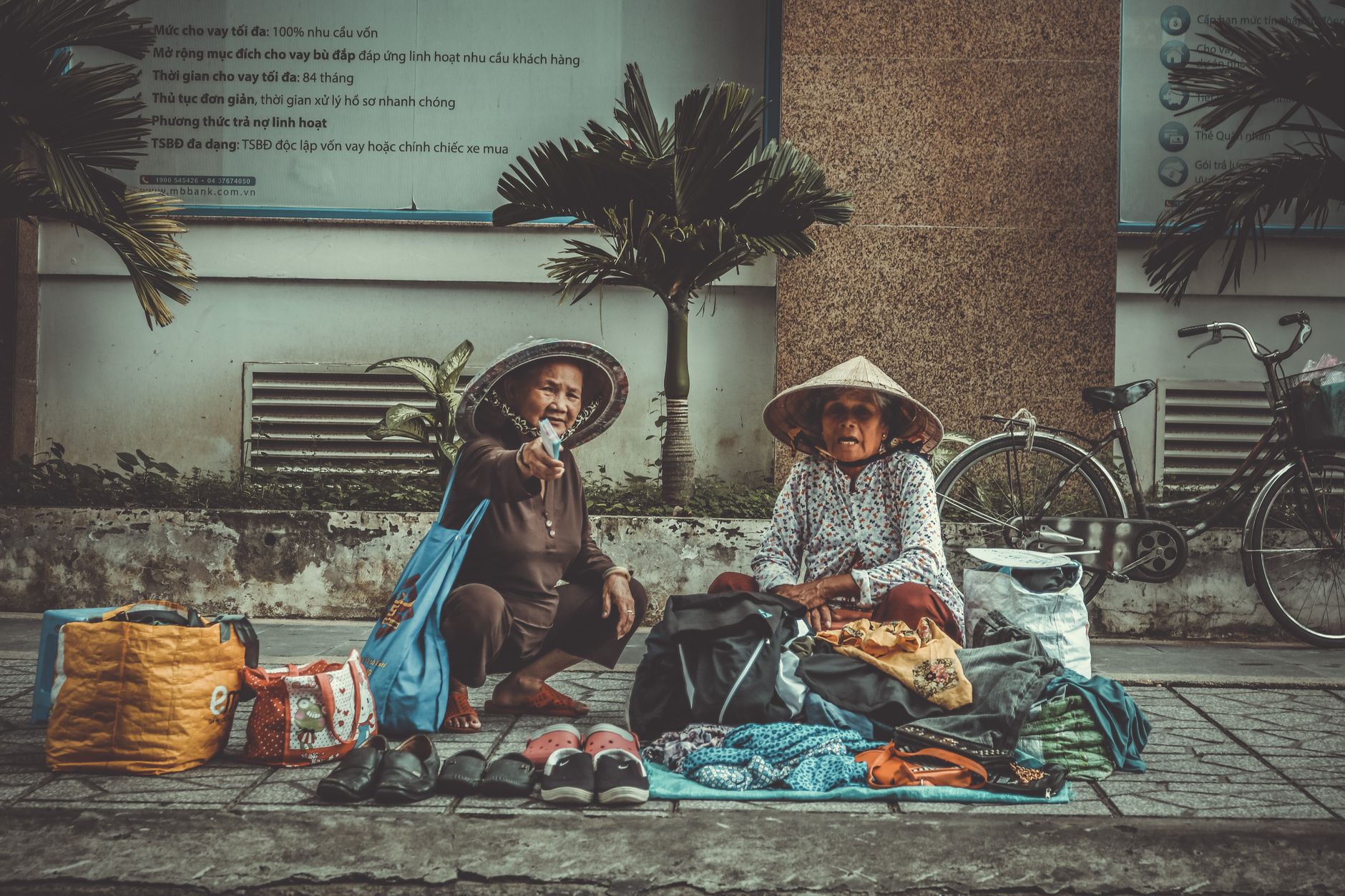
Photo by Nguyen Ngoc Tien on Pexels
Essential phrases for your visit
1. I have a headache / stomachache
Vietnamese: "Toi bi dau dau / dau bung." Pronunciation: Toy bee dow dow / dow boong. Context: Use "dau" (pain) followed by the body part. "Dau hong" is a sore throat. If you are feeling generally unwell, say "Toi thay khong khoe" (I don't feel well).
2. Do you have medicine for...?
Vietnamese: "Ban co thuoc cho... khong?" Pronunciation: Bahn kaw thu-ok chaw... khong? Context: The word "thuoc" is the catch-all for medicine. If you are looking for something specific, like paracetamol, just say the name—brand names are often recognized internationally.
3. How many times a day?
Vietnamese: "Uong may lan mot ngay?" Pronunciation: Wong may lan mot ngai? Context: Pharmacists will often hand you a small plastic bag with loose pills. Ask this to ensure you know the frequency. They will likely hold up fingers to indicate the number of times.
4. Is this for before or after eating?
Vietnamese: "Truoc hay sau khi an?" Pronunciation: Tru-ok hi sow kee ahn? Context: This is vital. "Truoc" means before, "sau" means after. They will usually mime eating or point to the stomach to clarify.
5. I am allergic to...
Vietnamese: "Toi bi di ung voi..." Pronunciation: Toy bee yee-ung voy... Context: This is the most important phrase. If you have a penicillin allergy or any other specific reaction, write it down on a piece of paper before you enter. It is safer than relying on pronunciation alone.
Photo by Nguyen Ngoc Tien on Pexels
Navigating the local pharmacy culture
When you receive your medicine, it is common to be given a mix of pills in small, unmarked plastic bags. This can be jarring if you are used to sealed blister packs. Do not be alarmed; this is standard practice to keep costs low and provide only the exact quantity needed for your recovery.
If you are in a tourist-heavy area like the Old Quarter in Hanoi or near "Ben Thanh Market" in Saigon (사이공 / 西贡 / サイゴン), you will find pharmacies that cater to travelers. However, for a more authentic and often cheaper experience, look for the green-cross signs in residential alleys. Prices are generally transparent, but if you are buying a large quantity of supplies, expect to pay in cash.
If your symptoms persist for more than 48 hours, do not rely on the pharmacy. Vietnam has excellent international clinics in both Hanoi and Ho Chi Minh City that can provide a more thorough diagnosis.
Bottom line
Keep your requests simple and always carry a written note for serious allergies. Most pharmacists are helpful and accustomed to non-native speakers, so do not hesitate to use gestures alongside these phrases to ensure you get the right treatment.
Last updated · May 30, 2026 · independently researched, never sponsored.