Vietnam (베트남 / 越南 / ベトナム)'s public hospitals in smaller cities are functional but limited, and a serious accident in a place like Ha Giang or Phong Nha could mean a long, expensive transfer to Hanoi or Saigon. Getting the right insurance before you arrive is not bureaucratic box-ticking — it is the difference between a manageable situation and a financial disaster.
Why Generic Policies Often Fall Short in Vietnam
Most budget travel insurance products are written for travelers who stay in hotels, take taxis, and stick to tourist circuits. Vietnam is not always that trip. People rent motorbikes, ride overnight buses through mountain passes, eat street food aggressively, and disappear into places like Ha Giang (하장 / 河江 / ハーザン) or Mai Chau for a week. The standard policy assumptions do not always hold.
The three things most likely to actually affect you:
- A motorbike accident requiring hospitalization
- Evacuation from a remote area to a major city hospital
- Dengue or a gastrointestinal illness that needs IV treatment
Make sure your policy addresses all three before you commit.
Motorbike Coverage: The Biggest Gap
This is where most travelers get burned. A huge number of travel insurance policies — including some well-known names — exclude injuries sustained while riding a motorbike unless you hold a valid motorcycle license from your home country. Some policies also require the bike to be rented from a licensed operator, which in practice rules out the vast majority of rentals in Vietnam (most are informal guesthouses or small shops with no formal paperwork).
Before you buy, find the policy's exact exclusion language. Look for phrases like "motorized vehicle" or "motorcycle" in the exclusions section. If the policy says coverage applies when you hold "a valid license for the vehicle being operated," you need to check whether your home license covers bikes of the engine size you plan to rent. A 50cc scooter and a 150cc semi-automatic are treated differently in some jurisdictions.
World Nomads is one of the few mainstream policies that explicitly covers motorbike riding — but only when you hold a valid license and wear a helmet. Their Explorer tier covers this more clearly than the Standard tier. Read the product disclosure statement for your country of purchase, not the marketing page.
SafetyWing's Nomad Insurance is cheaper and popular with long-stay travelers, but its motorbike coverage is murkier. As of recent policy documents, it covers motorbike accidents only when you hold a local or international license. If you do not have one and plan to rent a bike anyway — which is extremely common in Vietnam — you are likely uninsured for that activity under SafetyWing.
Medical Evacuation: Non-Negotiable
If you break a femur on a mountain road outside Sapa, the nearest facility capable of surgical intervention may be hours away. Medical evacuation coverage — which pays for ambulance, helicopter, or road transfer to an adequate hospital — should be a minimum of USD 100,000, and ideally USD 500,000 or more for international evacuation.
Some policies distinguish between "emergency evacuation" and "repatriation." Evacuation covers getting you to the nearest adequate hospital; repatriation covers flying you home. Both matter. Vietnam's international-standard hospitals are concentrated in Hanoi and Saigon (FV Hospital, Vinmec, and a handful of international clinics). If you are anywhere else and need serious surgery, you need evacuation coverage to get to one of them.
SafetyWing covers emergency evacuation up to USD 100,000. World Nomads covers it up to USD 300,000 on the Explorer plan. If you want higher limits and are a frequent traveler, look at IMG Global, Allianz, or AXA, which offer evacuation limits in the USD 500,000–1,000,000 range.

Photo by Jimmy Liao on Pexels
What Your Credit Card Actually Covers
Some premium credit cards — Chase Sapphire Reserve, Amex Platinum, certain Visa Infinite products — include travel insurance as a cardholder benefit. These are worth understanding, but they have real limits.
Card-based insurance typically covers trip cancellation, lost luggage, and sometimes emergency medical up to a capped amount (often USD 10,000–50,000). That is not enough for a serious medical event in Vietnam, and most card policies do not cover medical evacuation adequately. Motorbike exclusions are almost universally present.
Card coverage is useful as a supplement — it can cover your delayed flight or stolen laptop — but should not be your primary medical coverage for a Vietnam trip involving any outdoor activity.
Hospital Payment Reality
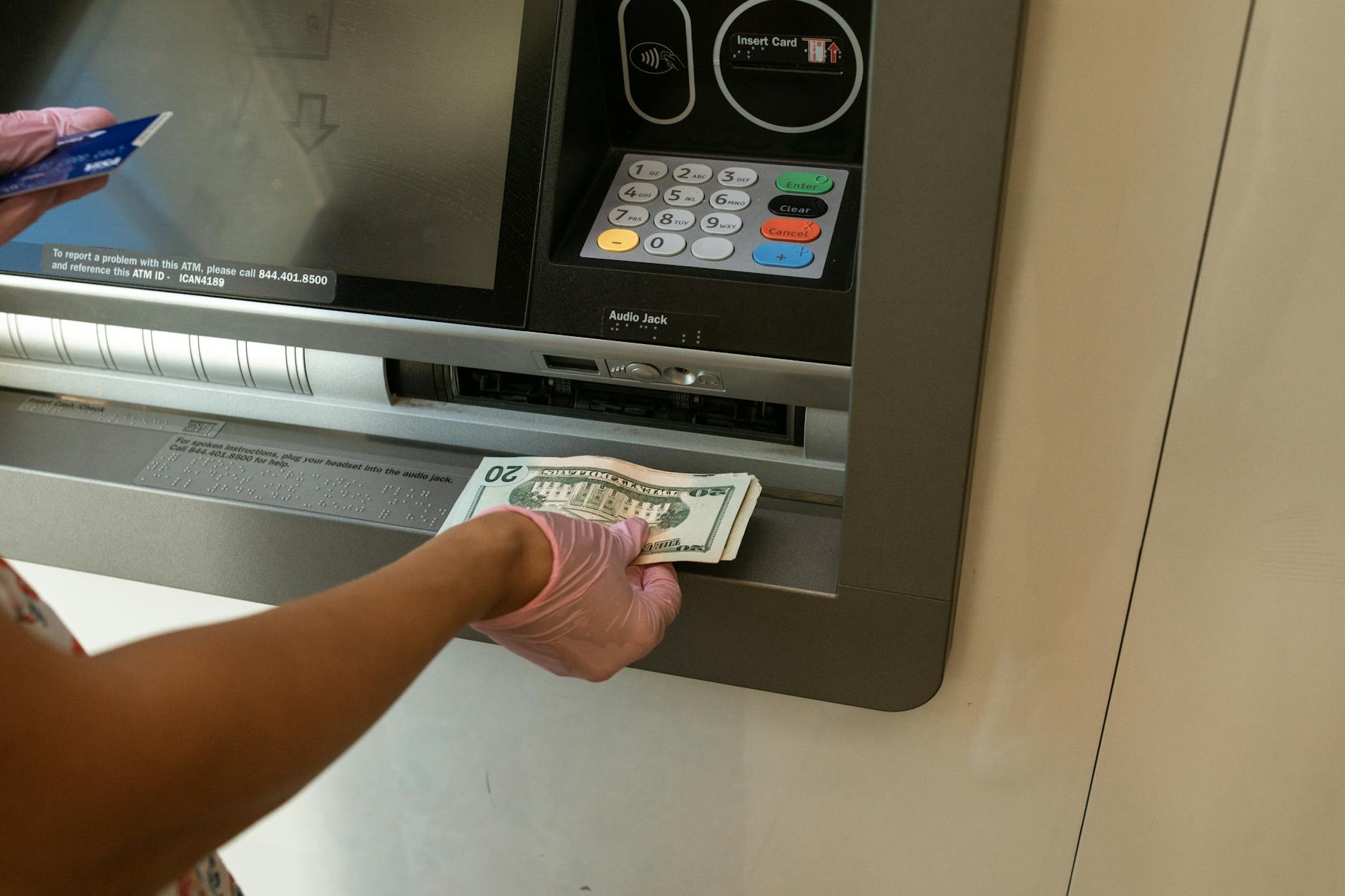
Vietnam's private international hospitals expect payment upfront or by credit card. They do not typically bill your insurer directly, especially for outpatient treatment. This means you need either a card with a high enough limit to front the cost, or an insurer with a 24-hour assistance line that can issue a guarantee of payment to the hospital.
World Nomads and most AXA products include a 24/7 emergency assistance line that can sometimes arrange direct payment for hospitalization. SafetyWing's model is more reimbursement-focused — you pay, you file a claim, you get paid back. Both work, but you need to know which model your policy uses and have enough liquidity to cover costs in the reimbursement scenario.
Keep digital copies of all receipts, doctor's notes, and police reports (essential for motorbike accidents) in cloud storage. Claims without documentation get rejected.

Photo by Kenneth Surillo on Pexels
Where SafetyWing Makes Sense
SafetyWing is genuinely good value for slow travelers and digital nomads staying in Vietnam for months at a time. At roughly USD 42–56 per four weeks (rates vary by age and home country), it is priced for long-stay situations. It covers a broad range of illnesses and accidents, has decent evacuation coverage, and the claims process is straightforward for straightforward claims.
It is the right call if: you are staying long-term, you have a valid motorbike license, you are not planning high-altitude trekking or extreme activities, and you supplement it with a credit card for trip disruption coverage.
Bottom Line
For most Vietnam trips involving motorbike rental, World Nomads Explorer is the most clearly worded option if you hold a valid license — read the actual PDS for your country of purchase, not just the FAQ. For longer stays on a tighter budget, SafetyWing works if you understand its limits. Whatever you buy, confirm the motorbike clause, check the evacuation limit, and make sure you know whether your policy pays upfront or reimburses.
Last updated · May 30, 2026 · independently researched, never sponsored.