The Vung Tau Ritual
If you ask anyone living in Saigon where they are heading for a weekend escape, the answer is almost always Vung Tau. While the beach is the primary draw for the two-hour drive, the real reason to visit is a singular, bite-sized snack: "banh khot".
Unlike the version you might find in other parts of the country, the Vung Tau (붕따우 / 头顿 / ブンタウ) style is defined by its intense crispiness and the generous topping of fresh, local seafood. These are small, savory pancakes made from a batter of rice flour, turmeric, and coconut milk, fried in specialized cast-iron molds until the edges are thin and shattering, while the center remains soft and steaming.
What Makes It Special
What sets the Vung Tau "banh khot" apart from its cousins in the Mekong Delta (메콩 델타 / 湄公河三角洲 / メコンデルタ) or elsewhere is the preparation. The batter is poured into a well-oiled mold, topped with a single fresh shrimp—often with the shell left on for extra crunch—and a sprinkle of "ruoc" (dried shrimp powder) and chopped scallions.
When you order a plate, you are not just getting the pancakes. You are getting a massive basket of fresh herbs: mustard greens, perilla, lettuce, and fish mint. The ritual is to take a large leaf, place the hot, oily pancake inside, add a sliver of green papaya pickle, and roll it up before dipping the entire package into a bowl of "nuoc cham" (fish sauce dip). The contrast between the hot, fried batter and the cold, crisp greens is what makes this dish a local obsession.

Photo by Toàn Đỗ Công on Pexels
Where to Eat
There are two main schools of thought when it comes to finding the best "banh khot" in the city.
Goc Vu Sua
Located at 14 Nguyen Truong To, this is the most famous spot in town. It is loud, busy, and the line often stretches down the block. They have been operating for decades, and the sheer volume of pancakes they churn out keeps the quality consistent. Expect to pay around 60,000 to 80,000 VND for a plate of eight. It is not a place for a quiet conversation, but it is the definitive "banh khot" experience.
Banh Khot Mien Dong
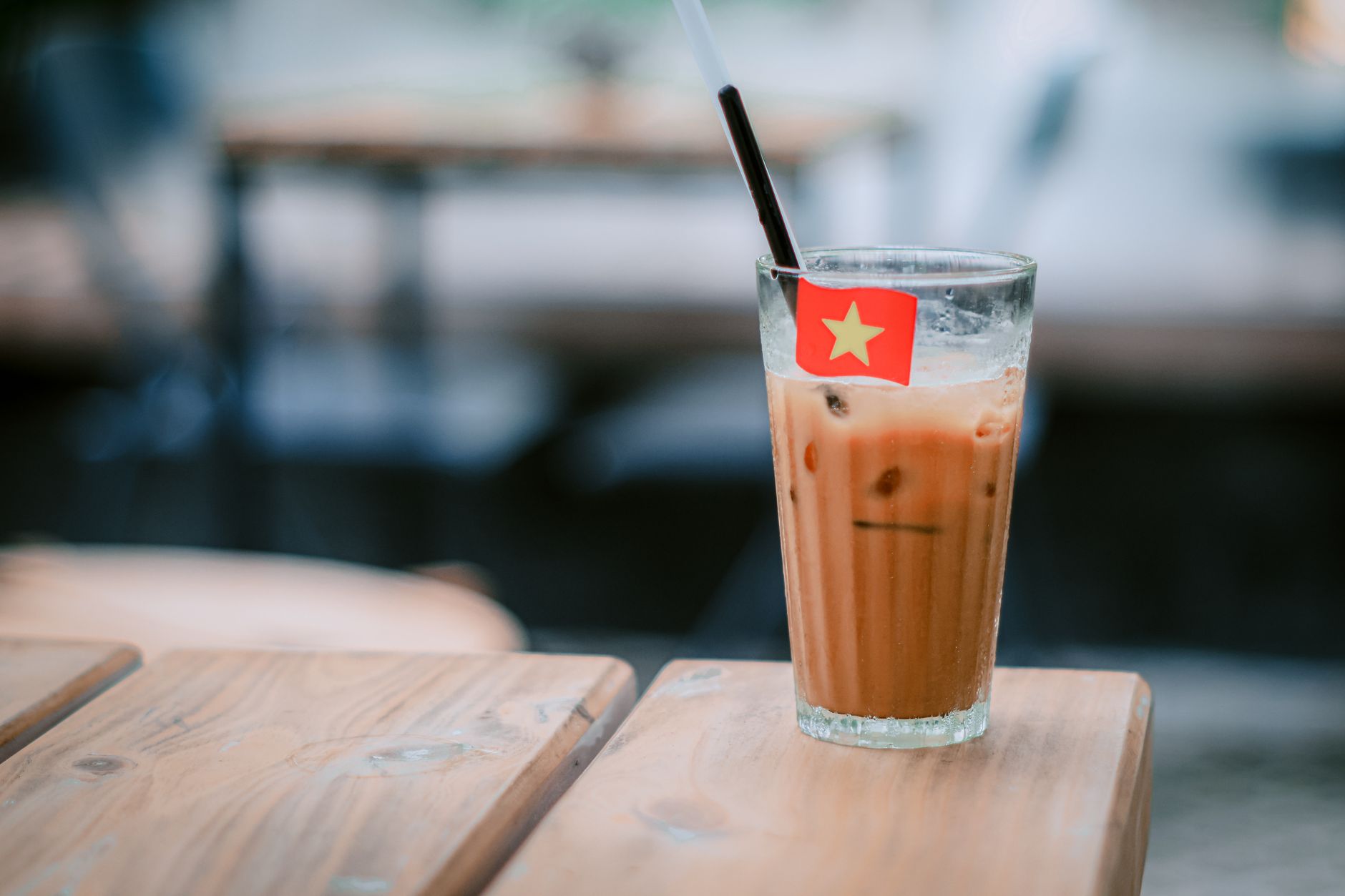
If you prefer a slightly more relaxed environment, head to 59 Ba Trieu. This spot is popular with locals who want to avoid the tourist crush of the city center. The batter here is slightly lighter, and they are generous with the "ruoc". It is a great place to sit with a "ca phe sua da" and watch the afternoon traffic while you work through a few plates.
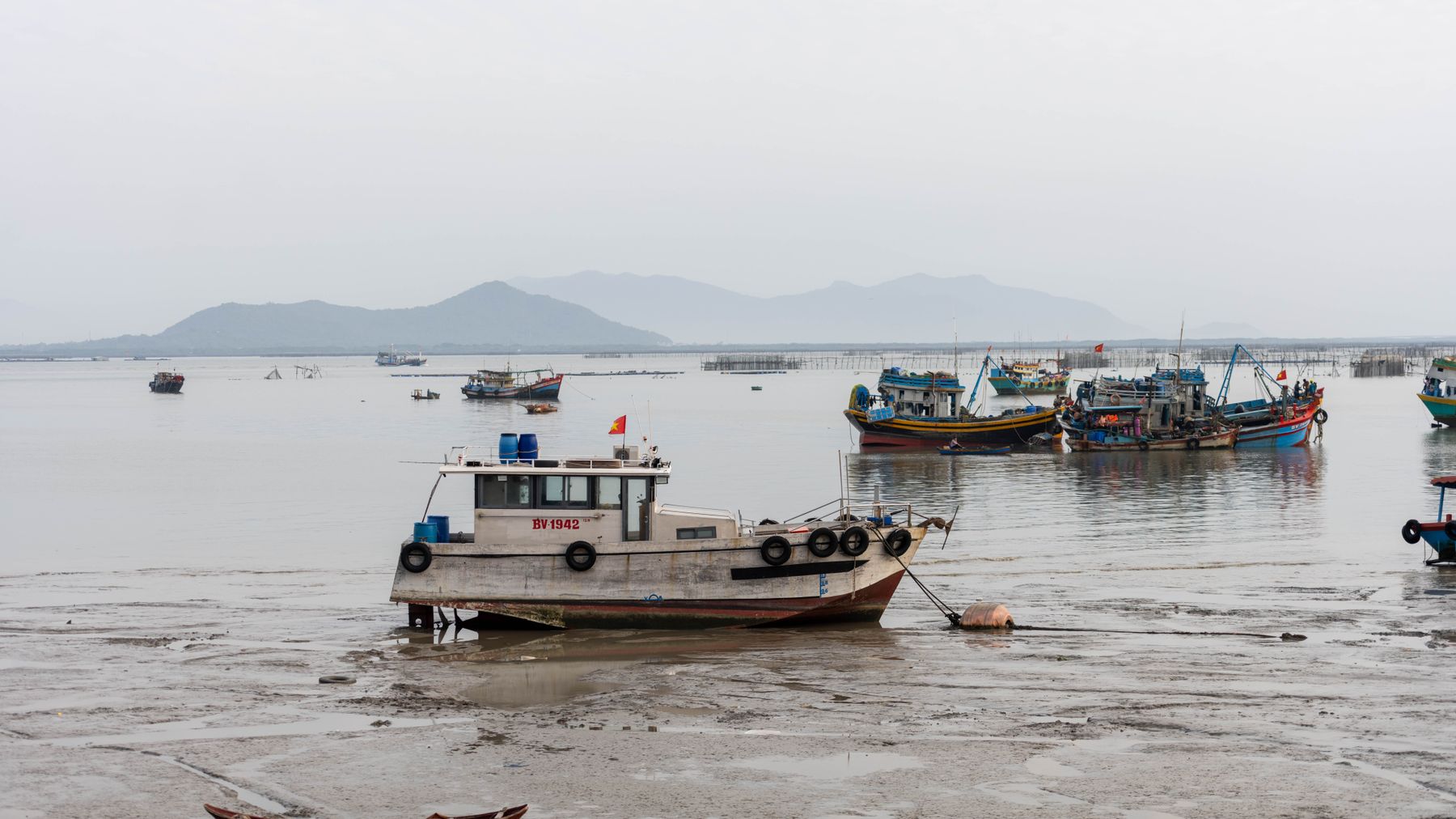
Photo by Quang Vuong on Pexels
A Note on Pricing and Timing
Most "banh khot" shops in Vung Tau operate from early morning until about 5:00 PM or 6:00 PM. They are rarely open late into the night, as this is considered a breakfast or lunch snack. Prices have crept up over the years, but you should never pay more than 100,000 VND for a full serving. If you see prices significantly higher than that, you are likely at a tourist trap.
While you are in the area, you might also come across "banh canh" or "hu tieu" stands, but save your appetite. The "banh khot" is heavy on oil and coconut milk, and one full serving is usually enough to keep you fueled for a long walk along the seawall.
Practical Notes
- Bring cash. Most of these local spots do not accept cards or digital wallets.
- Be prepared for the oil. These are deep-fried in a sense, so they are rich. Pair them with a cold "lotus tea" or a local beer to cut through the grease.
- Avoid the peak lunch hour (12:00 PM to 1:00 PM) if you want to avoid the longest waits at the popular stalls.
Last updated · May 30, 2026 · independently researched, never sponsored.