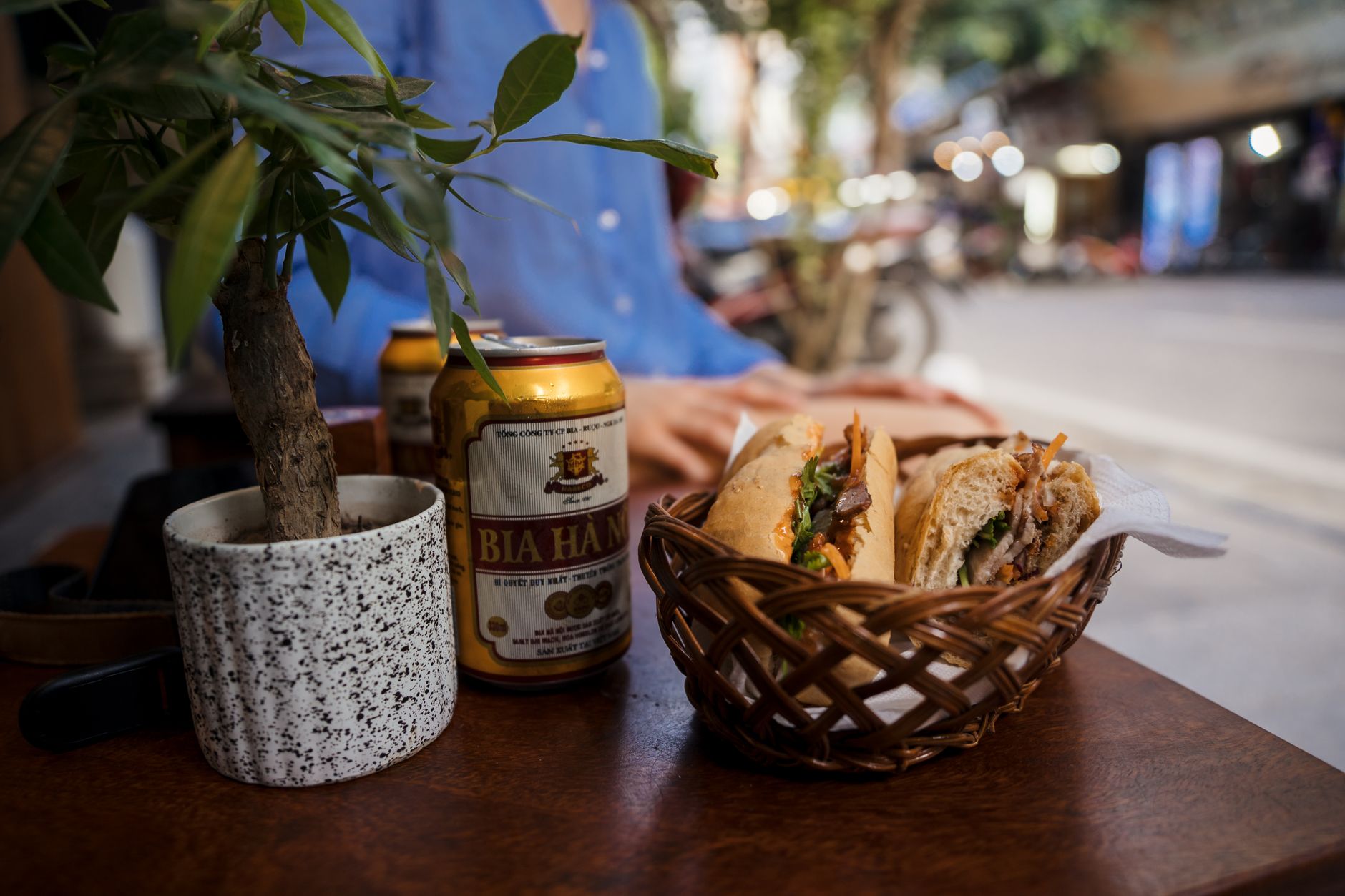
The Morning Ritual: Banh Hoi Long Heo
If you find yourself in Tuy Hoa, the capital of Phu Yen, the day does not start with a standard bowl of "pho". Instead, the locals head straight for "banh hoi long heo". This dish is a masterclass in texture: fine, woven bundles of steamed rice vermicelli topped with a brush of chive-infused oil, served alongside a platter of blanched pork offal.
What makes this version distinct from the variations found in the Mekong Delta (메콩 델타 / 湄公河三角洲 / メコンデルタ) is the freshness of the pork. Because Phu Yen has a strong tradition of local markets, the pig offal—liver, heart, and intestines—is typically sourced and prepared before 8:00 AM. You eat it by wrapping the vermicelli and meat in rice paper with fresh herbs, dipping the whole bundle into a bowl of spicy, garlic-heavy fish sauce. Expect to pay between 30,000 VND and 50,000 VND for a generous portion. For the most authentic experience, look for the small, nondescript shops along Dien Bien Phu Street where the turnover is high and the ingredients are never sitting out.
The Deep-Sea Specialty: Mat Ca Ngu Dai Duong
Phu Yen is the heart of Vietnam (베트남 / 越南 / ベトナム)’s tuna industry, and the local ingenuity regarding this fish is unparalleled. While you will find plenty of sashimi-grade tuna, the true local obsession is "mat ca ngu dai duong"—tuna eye stewed in a medicinal herbal broth.
It sounds daunting to the uninitiated, but the dish is essentially a rich, savory soup. The eye, which is roughly the size of a tennis ball, is slow-cooked in a small ceramic pot with ginger, black pepper, jujubes, and goji berries. The result is a gelatinous, umami-packed broth that is considered a local tonic. It is almost always served with a side of toasted baguette or rice crackers to soak up the liquid. You can find this at specialized seafood spots near the port, usually priced around 40,000 VND to 60,000 VND per pot. It is a heavy, warming dish, best suited for the cooler evenings after a day spent exploring the coast.

Photo by Long Bà Mùi on Pexels
Why Rice Matters Here
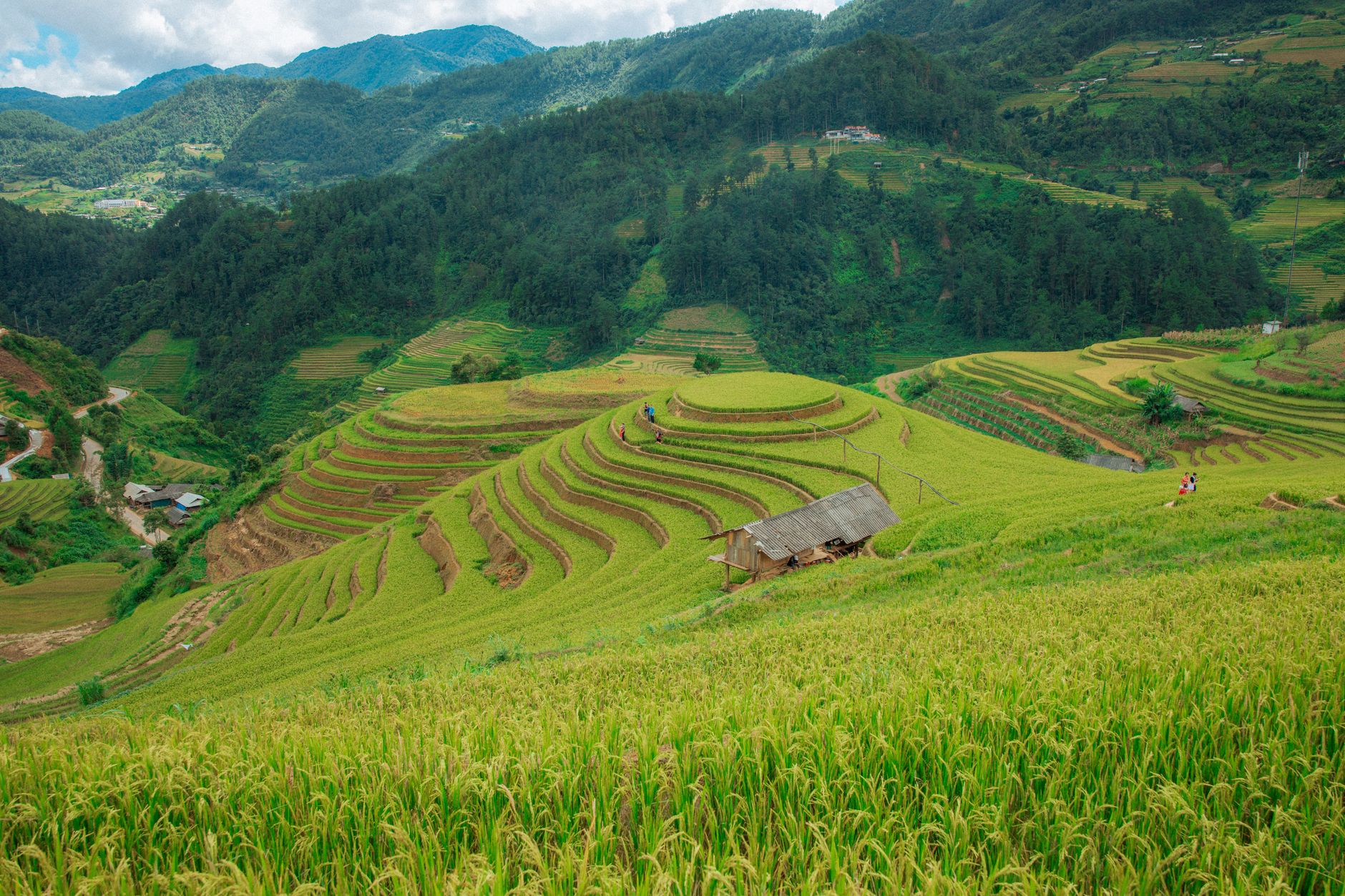
Beyond these two heroes, you will notice that rice is the backbone of almost every meal in Phu Yen. The province’s geography—a mix of narrow coastal plains and rugged hills—means that rice production is localized and highly seasonal. You will frequently encounter "banh trang" (rice paper) drying on racks outside homes in the rural outskirts. Unlike the mass-produced versions found in supermarkets, these are often thicker and have a subtle, smoky flavor from being dried over wood fires.
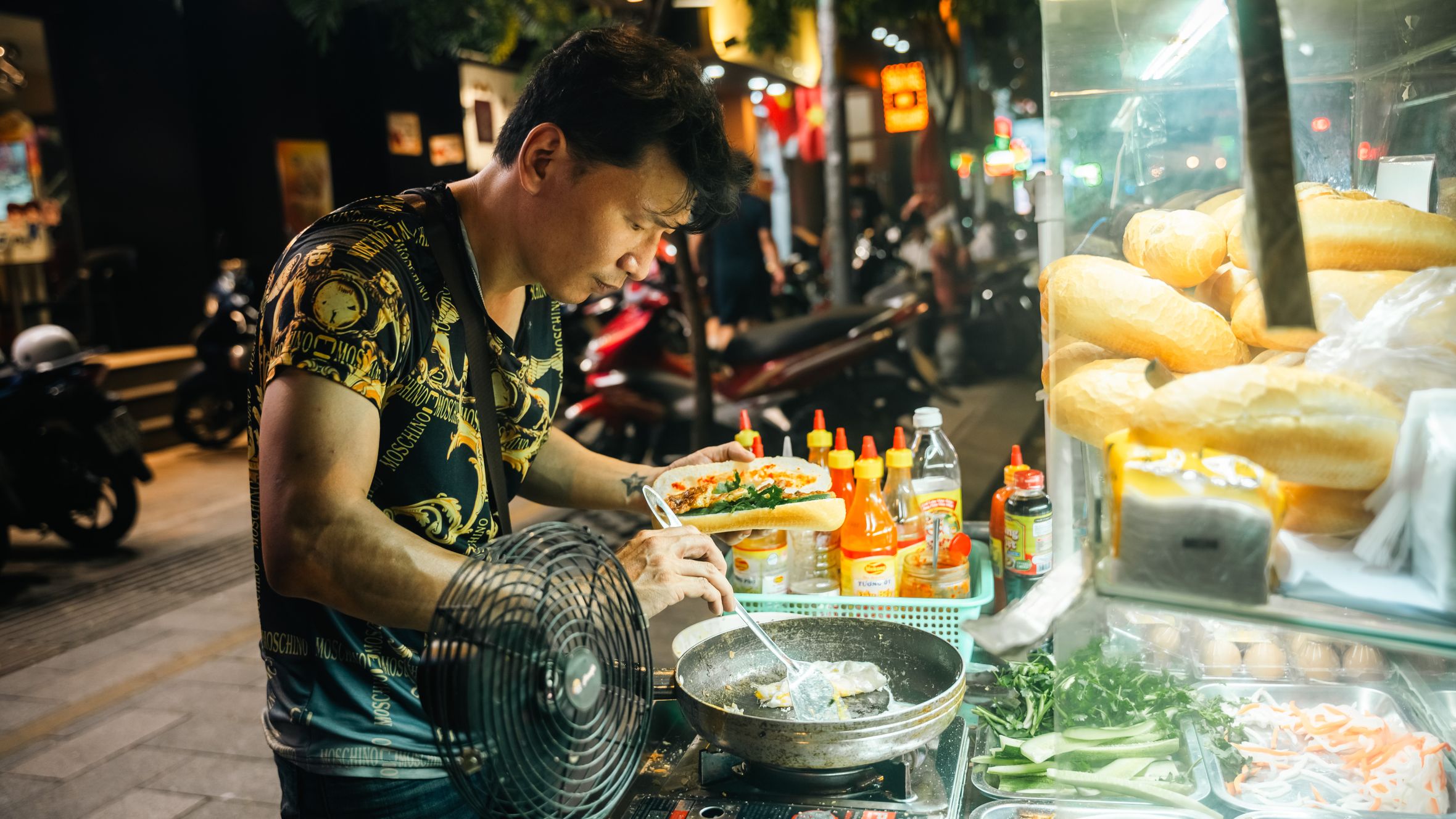
If you are traveling through the countryside, look for roadside stalls selling "banh xeo" made with local seafood. These are smaller and crispier than the versions in Saigon, often folded over tiny, sweet-tasting shrimp caught in the nearby O Loan Lagoon.
Photo by Long Bà Mùi on Pexels
Navigating the Local Palate
Phu Yen cuisine is unapologetically spicy. If you are sensitive to heat, always ask for the chili to be kept on the side, though be warned that the local fish sauce often comes pre-mixed with crushed bird's eye chilies. The food culture here is not about fine dining; it is about the speed of the market and the freshness of the catch.
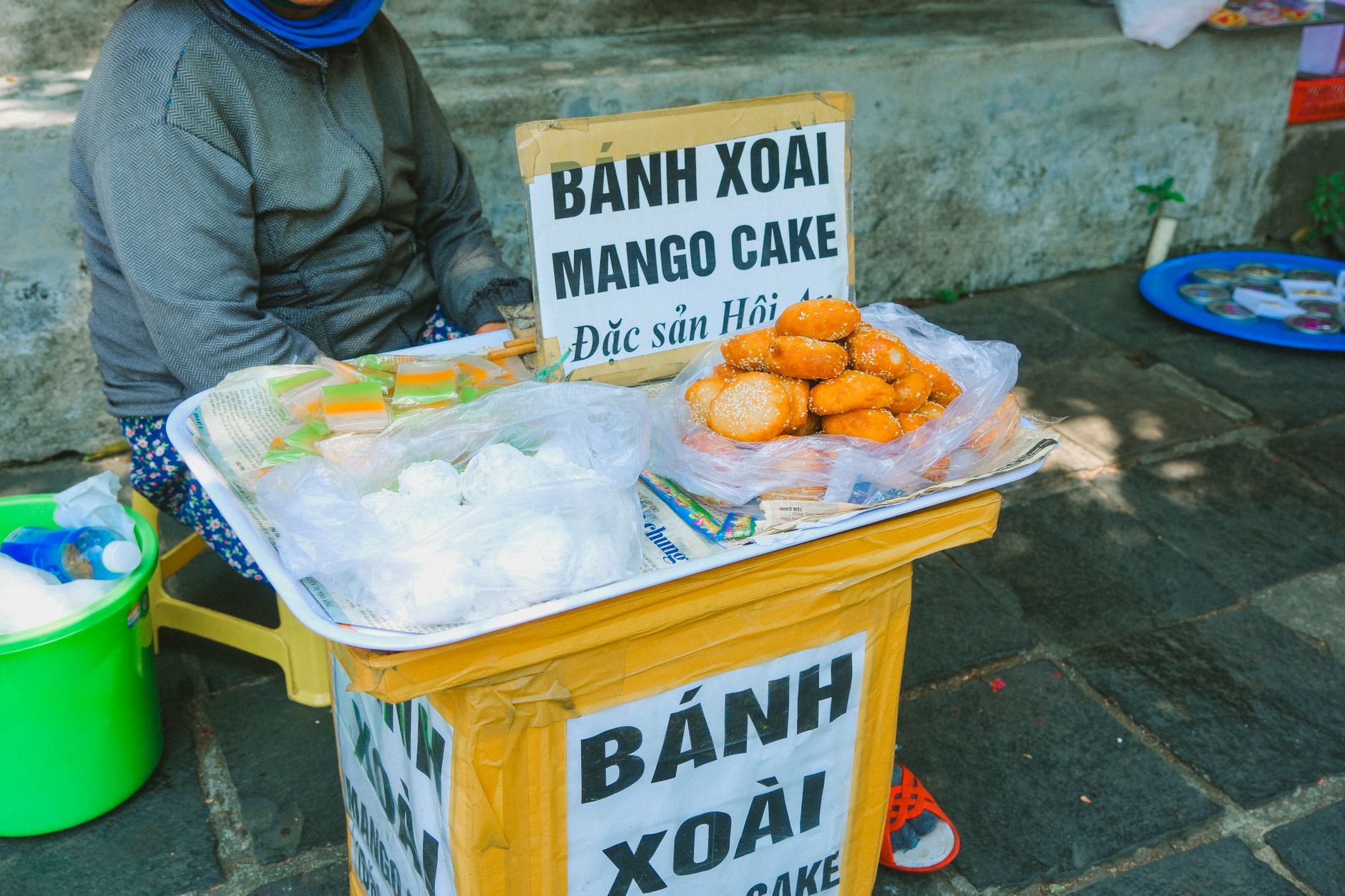
Most of the best food is found in the "hem" (alleys) of Tuy Hoa or near the central market. Do not be discouraged by plastic stools or menus that are only written on cardboard signs. If you see a crowd of locals sitting on low chairs at 7:00 AM, that is where you should be.
Practical Notes
Most food stalls in Phu Yen operate on a 'first-come, first-served' basis, and many close by mid-afternoon once the fresh ingredients are sold out. Carry small denominations of cash, as change for large notes can be difficult to find in the smaller family-run eateries. If you are planning to visit the O Loan Lagoon for lunch, try to arrive before 12:00 PM to ensure you get the freshest pick of the daily catch.
Last updated · May 30, 2026 · independently researched, never sponsored.