Vietnam (베트남 / 越南 / ベトナム) runs on caffeine — anyone who has spent a morning watching the "ca phe sua da" ritual knows that. But alongside the coffee culture, there's a quieter tradition of herbal teas brewed for digestion, heat relief, or just habit. Three in particular show up in homes, market stalls, and roadside drink carts across the country: "atiso" (artichoke tea), "hoa cuc" (chrysanthemum tea), and "la voi" (voi leaf tea). None of them are trendy wellness imports. They've been around for generations, and once you know what each one does, you'll find yourself reaching for the right one at the right moment.
Atiso — The Da Lat Specialty That Liver-Lovers Swear By
Artichoke tea comes from the same plant that produces the vegetable, but here the whole plant gets used — leaves, stems, roots, and flowers are all dried and brewed. Da Lat is the center of atiso production in Vietnam; the highlands around the city are cool enough to grow artichokes at scale, and you'll see them sold fresh and dried throughout the city's markets.
The flavor is earthy and faintly bitter, with a mild sweetness that lingers on the back of the palate. It's not aggressive. People who find green tea too grassy tend to get along with atiso.
Locally, it's drunk primarily as a digestive aid and is associated with supporting liver function — whether or not you put stock in that, it's the reason you'll see bottles of chilled atiso tea in Vietnamese hospital canteens and older relatives insisting on a cup after a heavy meal.
Where to find it: In Da Lat (달랏 / 大叻 / ダラット), loose dried atiso is sold by the 100g bag at Cho Da Lat (Da Lat Market) for around 30,000–50,000 VND. Outside Da Lat, look for Fito Pharma or Ladophar brand bagged atiso tea in pharmacies and Co.op Mart supermarkets nationwide — typically 45,000–70,000 VND for a box of 20 bags. The loose version brews a stronger, more complex cup; the bagged version is fine for daily drinking.
When to drink it: After meals, or any time you've eaten more than you should have. It's caffeine-free, so late evening is fine. Served cold over ice in the summer, it's one of the better reasons to stop at a drink cart.
Hoa Cuc — Mild, Floral, and Genuinely Relaxing
Chrysanthemum tea has been part of Chinese and Vietnamese tea culture for centuries. "Hoa cuc" literally means chrysanthemum flower, and the dried flowers are exactly what you brew — small, pale yellow blooms that open up in hot water and turn the liquid a soft gold.
The taste is delicate: floral without being perfumed, lightly sweet, with almost no bitterness. It's one of the most approachable herbal teas for people unfamiliar with the category. Vietnamese people drink it for its cooling properties in the traditional medicine sense — on a 38-degree Saigon afternoon, a cold glass of hoa cuc tra is genuinely refreshing in a way that feels different from just drinking cold water.
It pairs well with a small amount of rock sugar ("duong phen"), which is how it's typically served at traditional tea houses.
Where to find it: Loose dried hoa cuc flowers are sold at traditional medicine markets — in Hanoi, try the stalls along Lan Ong Street in the Old Quarter, where you can buy by weight starting around 40,000 VND per 100g. In Saigon, the wholesale dry goods section near Binh Tay Market carries it. Bagged versions from brands like Dilmah Vietnam or Phuc Long are widely available in supermarkets. The loose flowers produce a noticeably more aromatic brew.
When to drink it: Afternoon and evening. It's associated with calming the nerves and reducing eye strain — whether you believe that or not, it's a genuinely pleasant wind-down drink. Brew it light if you're serving guests; brew it stronger and add a wedge of fresh lime if you want something with a bit more character.

Photo by Vyvan BÙI VY VÂN on Pexels
La Voi — The Everyday Northern Tea Most Tourists Never Encounter
This is the one that rarely makes it onto any list aimed at visitors, which is exactly why it belongs here. Voi leaf tea is made from the leaves of the voi tree (Cleistocalyx operculatus), a plant native to northern Vietnam. It's not exotic or medicinal-sounding — it's just what a lot of northern Vietnamese families drink the way others drink plain green tea.
The flavor is distinct: slightly astringent, with a herbal quality that's more savory than sweet, and a clean finish. It doesn't taste like anything else in the herbal tea category. Older Hanoians in particular are attached to it; you'll find it served at unpretentious tra da (iced tea) stalls across Hanoi for free or 5,000 VND a glass alongside a meal.
Research has flagged antimicrobial properties in voi leaf extracts, which may explain its long-standing reputation as a digestive and anti-bloating drink, but don't expect anyone selling it to explain the biochemistry. They just know it settles the stomach.
Where to find it: Loose dried la voi is sold at Dong Xuan Market in Hanoi and at traditional medicine shops throughout the north for 20,000–35,000 VND per 100g. Bagged versions are harder to find in mainstream supermarkets; your best bet is a pharmacy or a shop specializing in northern dry goods. Outside the north, it's genuinely difficult to find — stock up in Hanoi if you want to bring some home.
When to drink it: Morning or midday. It's the workaday tea of the north — practical, unfussy, slightly bitter in the best way. Brew it strong with boiling water and let it steep for four to five minutes.
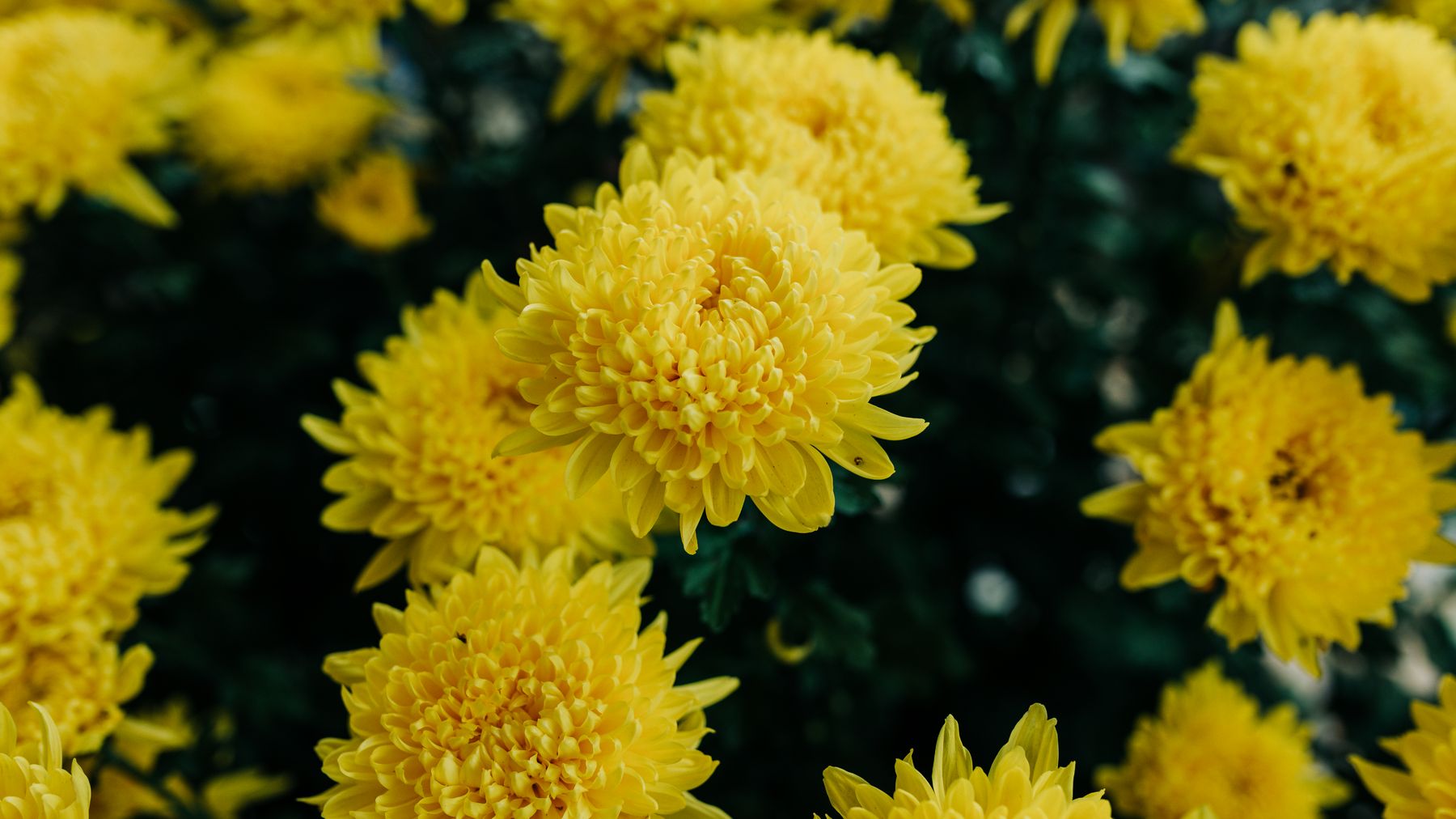
Photo by Thái Trường Giang on Pexels
Practical Notes
All three teas are caffeine-free and can be brewed at home with minimal equipment — just boiling water and a few minutes. If you're buying loose versions to take home as gifts, they pack flat and travel well in zip-lock bags inside your luggage. Customs rules vary by destination, so check before you fly, but dried plant material for personal consumption is generally straightforward.
Last updated · May 29, 2026 · independently researched, never sponsored.