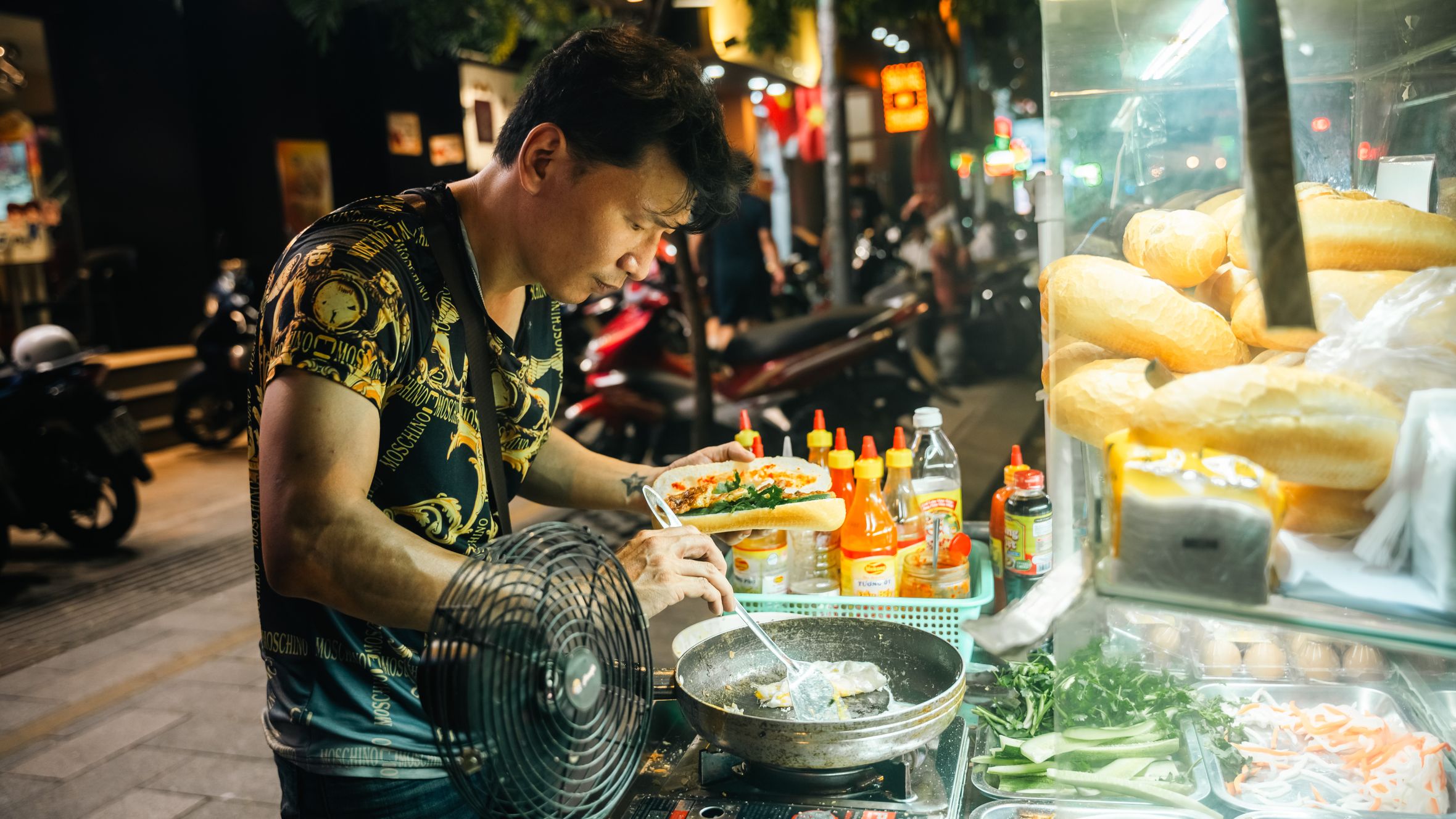
The Vung Tau Culinary Identity
Most travelers head to Vung Tau for the sea breeze and the proximity to Saigon, but the real reason to linger is the food. While the city is famous for its seafood, there is a specific rhythm to the local breakfast and lunch culture that revolves around two pillars: "banh khot" and the coastal specialty, "bun sua".
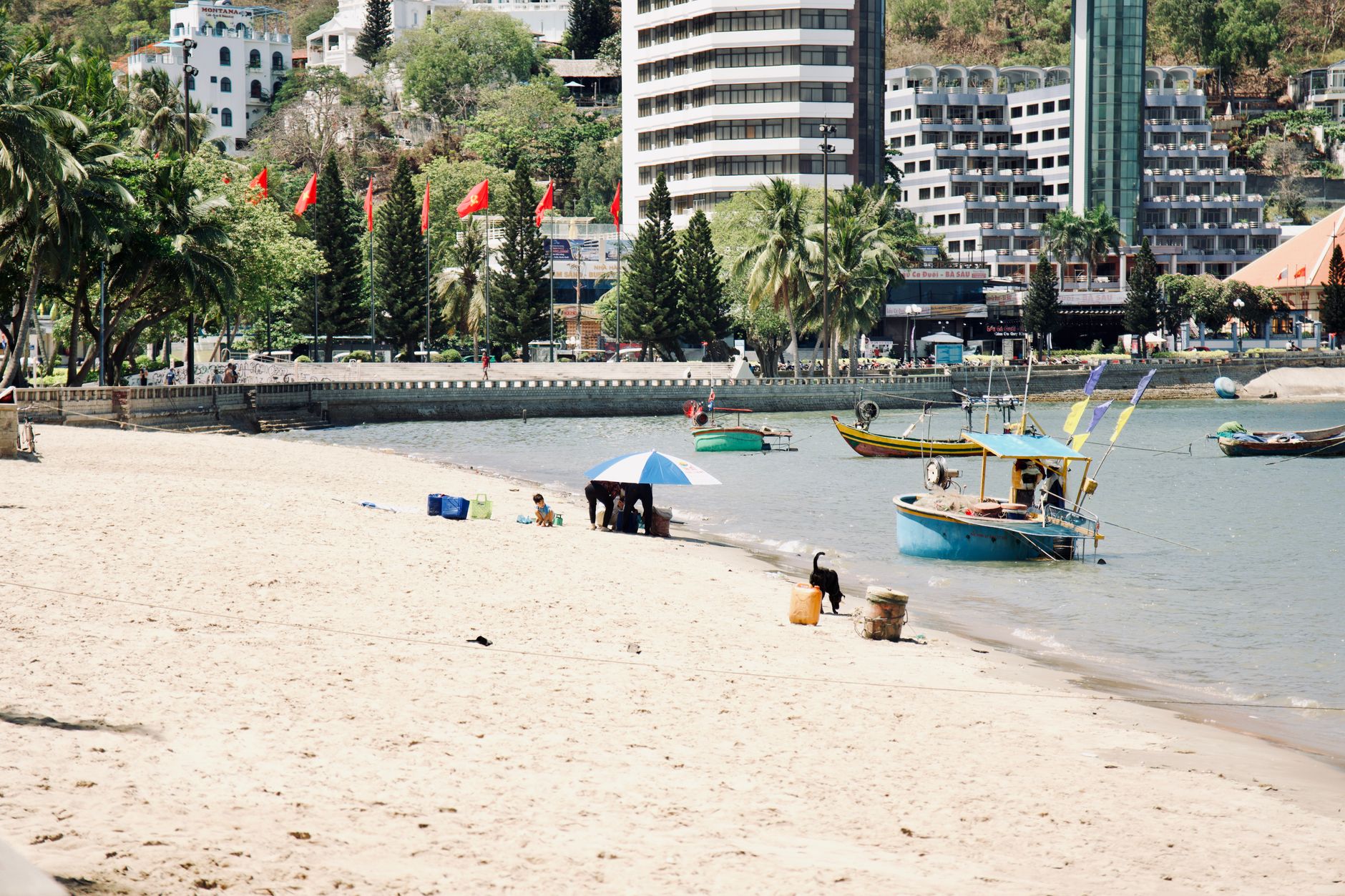
Unlike the heavy, meat-laden bowls found in Hanoi or the sweet, herbal broths of the Mekong Delta (메콩 델타 / 湄公河三角洲 / メコンデルタ), Vung Tau’s food reflects its geography. It is salty, fresh, and unpretentious. You won't find white-tablecloth dining here; the best meals are eaten on plastic stools while watching the motorbikes navigate the coastal roads.
The Hero Dish: Bun Sua
If you find yourself in Vung Tau (붕따우 / 头顿 / ブンタウ), you must seek out "bun sua" (jellyfish noodle soup). While jellyfish is consumed along much of the Vietnamese coast, the Vung Tau version is distinct for its clarity and the freshness of the catch.
What to expect
The broth is typically a light, clear fish-based stock, simmered with tomatoes and pineapple to provide a subtle, natural acidity. The jellyfish is sliced into firm, translucent strips that provide a satisfying crunch rather than a fishy flavor. It is served with a handful of fresh herbs, shredded banana blossom, and a squeeze of lime.
Unlike the complex spice profiles of "bun bo hue", this dish relies on the quality of the seafood. You will often find it served with "cha ca" (fish cakes) made from local mackerel or barracuda. The price for a standard bowl usually hovers between 35,000 VND and 50,000 VND, making it one of the most accessible and refreshing meals in the city.
Where to eat it
Look for the small, nondescript stalls near the backstreets of Ward 2 or close to the local markets. Avoid the massive tourist-facing restaurants along the main beach strip if you want an authentic experience. A good rule of thumb: if the place is crowded with locals at 7:00 AM, you are in the right spot.
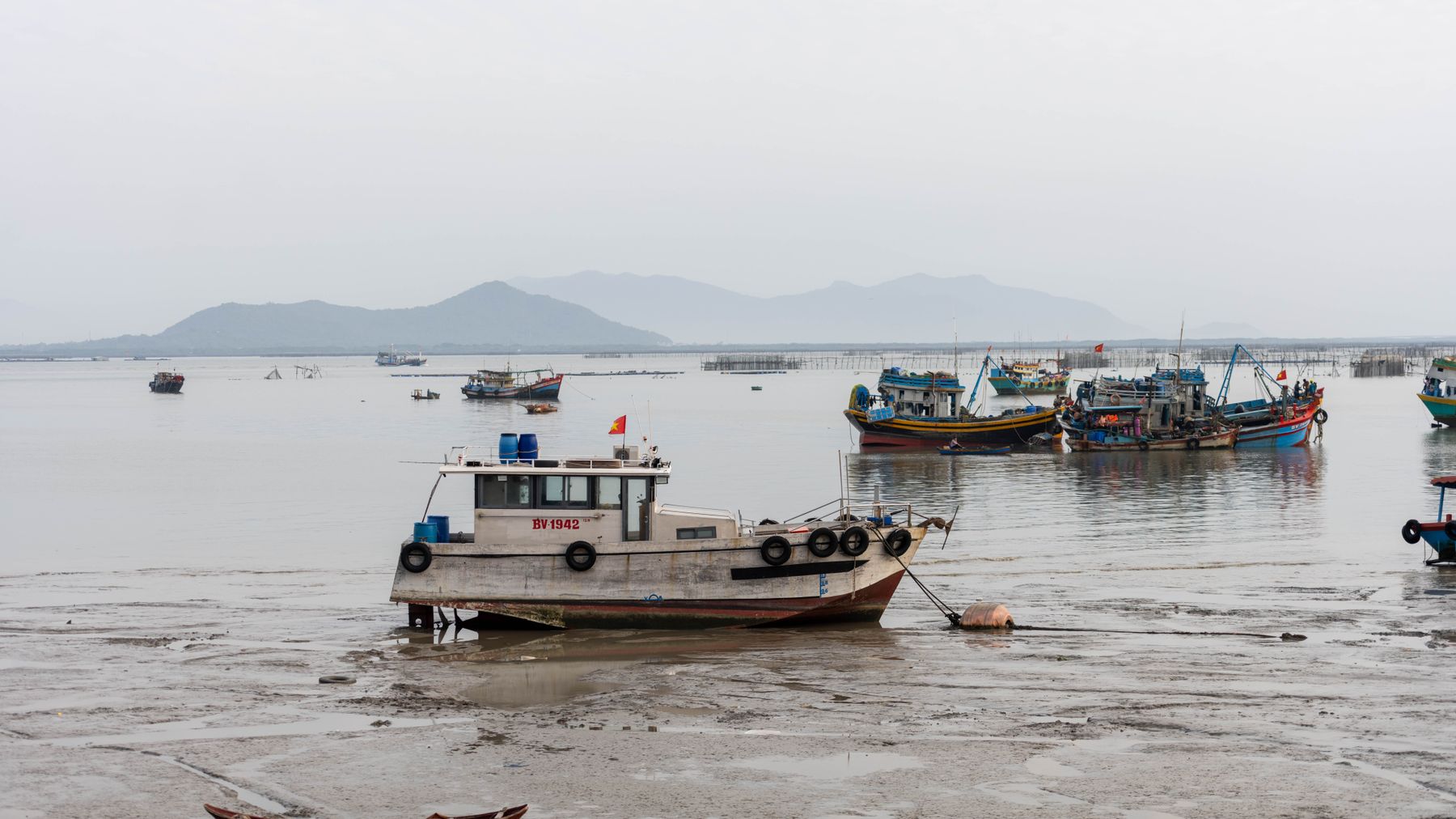
Photo by Quang Vuong on Pexels
The Iconic Snack: Banh Khot
While not a noodle soup, you cannot talk about Vung Tau food without mentioning "banh khot". These are golden, crispy mini-pancakes made from rice flour, turmeric, and coconut milk, topped with shrimp and scallion oil.
The ritual of eating
The magic of banh khot lies in the assembly. You take a piece of fresh lettuce, place a crispy pancake inside, add a few sprigs of perilla and mint, and then dip the entire bundle into a bowl of "nuoc mam" (fish sauce) that has been spiked with pickled green papaya and carrots. The contrast between the crunch of the pancake and the freshness of the greens is the defining flavor of Vung Tau.
A note on history
Banh khot has deep roots in the region, with many claiming its origins trace back to the central provinces, brought south by migrants who adapted the recipe to use the abundant local shrimp. Today, it is the city’s unofficial culinary mascot. You will see families gathered around large, circular cast-iron molds, flipping the pancakes with rhythmic precision. Expect to pay around 60,000 to 80,000 VND for a plate of 8 to 10 pieces.
Photo by Quang Vuong on Pexels
Other Local Staples
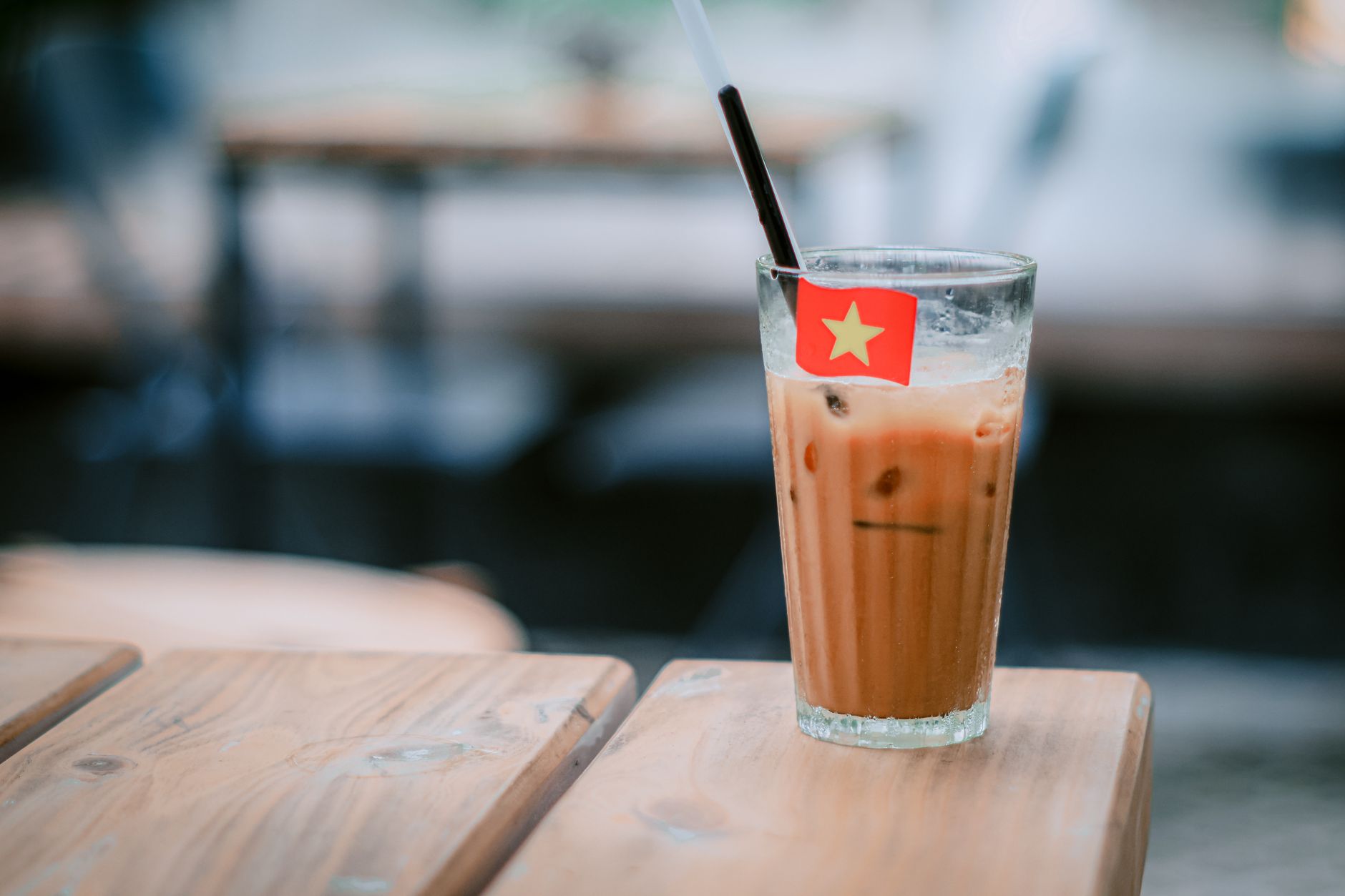
If you are still hungry, Vung Tau has a strong connection to the broader southern food scene. You will find excellent "hu tieu" stalls that incorporate the same fresh shrimp and squid found in the bun sua. For a mid-afternoon pick-me-up, grab a "ca phe sua da" at one of the cafes overlooking the ocean. The coffee culture here is relaxed, mirroring the pace of the city itself.
Practical notes
Most of the best food stalls in Vung Tau operate during the early morning or late afternoon, as the midday heat makes heavy soup less appealing. Bring cash in small denominations, as many of the best street-side vendors do not accept digital payments. If you are visiting on a weekend, expect the popular banh khot spots to have a queue, but the turnover is fast and the wait is rarely more than 15 minutes.
Last updated · May 30, 2026 · independently researched, never sponsored.