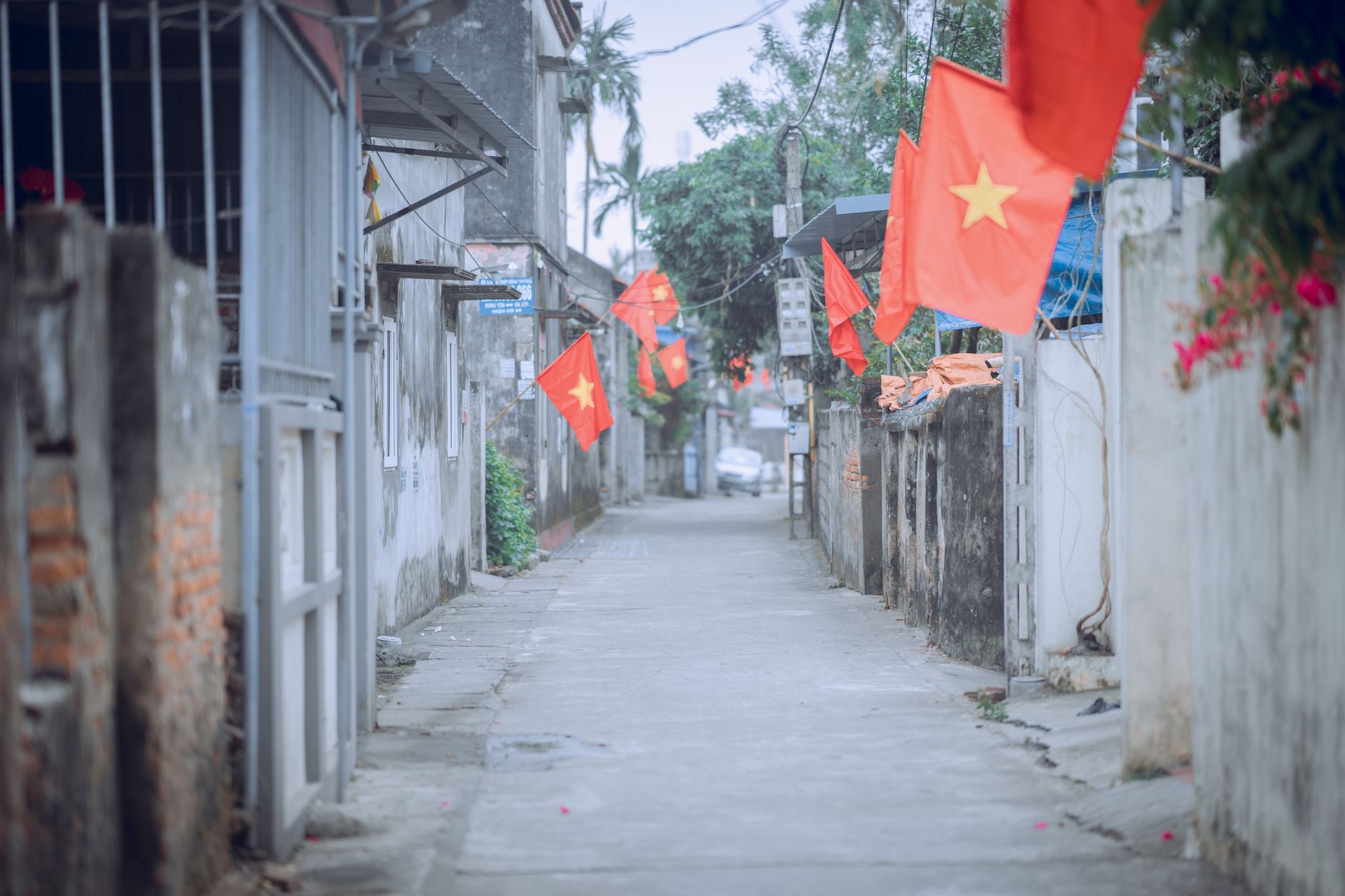
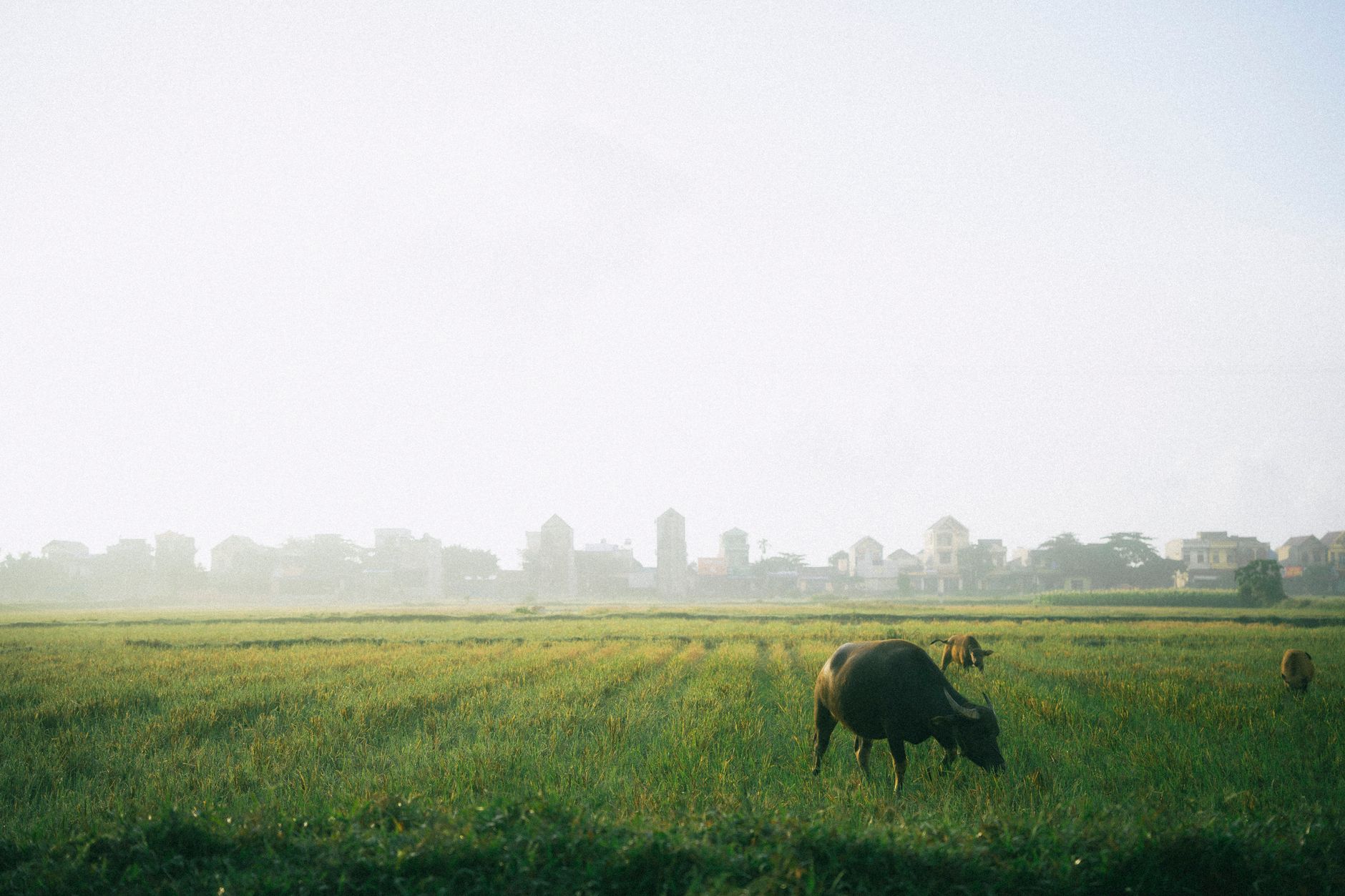
Da Nang splits into three distinct accommodation zones, each with its own rhythm. Where you sleep shapes your entire stay—whether you're catching sunrise from sand, working from a riverside cafe, or hiking limestone peaks between meals.
My Khe Beach: The Tourist Default
My Khe is Da Nang (다낭 / 岘港 / ダナン)'s postcard neighborhood. Six kilometers of flat, sandy beach draw swimmers, families, and anyone who wants to wake up to the South China Sea.
What you get: Direct beach access, beachfront restaurants and bars, resorts with pools, dive shops, and water-sports vendors within steps. It's the most developed strip in the city—think seafood restaurants playing lounge music, hotel lobbies with English-speaking staff, and ATMs on every corner.
Price range: Budget guesthouses run 200,000–400,000 VND (USD 8–16) for a basic fan room. Mid-range hotels (air-con, ensuite, breakfast) sit at 700,000–2,500,000 VND (USD 28–100). Resorts push 3–6 million VND (USD 120–240) for beachfront with a pool.
Who clusters here: Package tourists, families with young kids, people on their first Vietnam trip. A lot of Australians and British expats rent long-term (3–6 months) in the mid-range category.
Reality check: The beach is crowded by 10 a.m. and can feel chaotic during holidays and weekends. Water quality varies by season (summer is cleaner). The neighborhood isn't walkable at night—you'll taxi between your hotel and dinner. Nightlife is polished but thin; you're paying for location, not a lively scene.
Han River (Downtown): Energy and Practicality
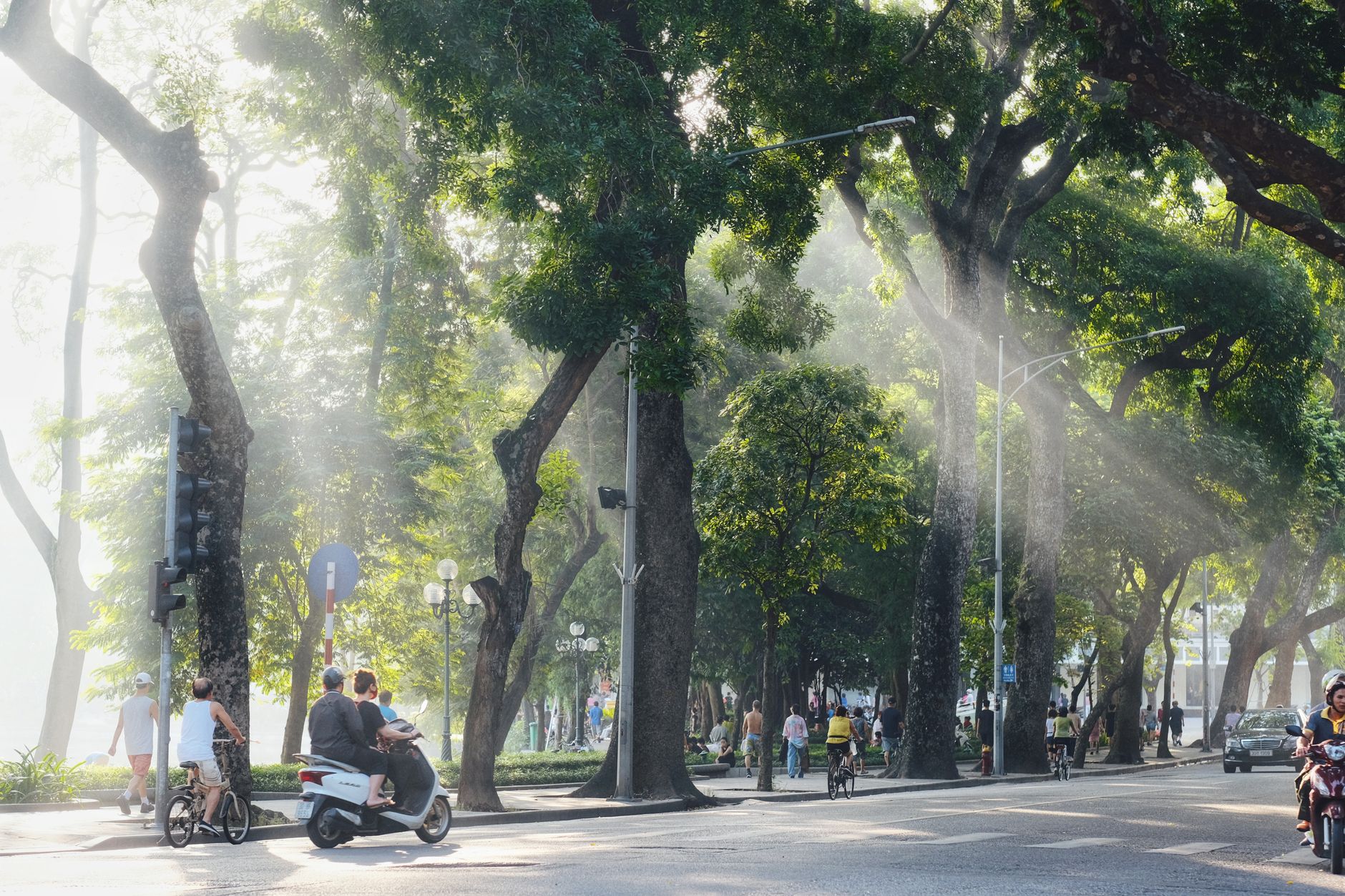
The Han River neighborhood runs along the water on Da Nang's western edge, closest to the city's actual commercial and cultural center. It's denser, noisier, and genuinely useful if you're working, eating, or using Da Nang as a transport hub.
What you get: Walkable streets with street food stalls, local restaurants (not tourist-oriented), karaoke bars, shops, supermarkets, and the night market atmosphere. More Vietnamese than My Khe. Cafes here are where freelancers camp out with laptops. The riverside walk at sunset fills with families and joggers.
Price range: Budget options (fan rooms, shared bathroom) start at 150,000–300,000 VND (USD 6–12). Mid-range (private room, air-con, hot water) runs 500,000–1,500,000 VND (USD 20–60). You'll rarely pay over 2 million VND (USD 80) unless you're booking a boutique hotel.
Who clusters here: Digital nomads, business travelers, people on tight budgets, anyone staying 2+ weeks. Vietnamese visitors. Backpackers passing through.
Reality check: Han River has no beach of its own—the nearest is My Khe, about 3 km northeast. Noise from traffic and karaoke can be heavy. The riverside walk is pleasant but the water itself isn't for swimming. This is a working city neighborhood, not a resort getaway.

Photo by Quang Nguyen Vinh on Pexels
Marble Mountains: Quiet, Quirky, Underrated
The Marble Mountains zone sits about 12 km south of downtown, where limestone hills puncture the coastal plain. It's the neighborhood nobody talks about, which is precisely why it works for people who want Da Nang without the Da Nang energy.
What you get: Proximity to the Marble Mountains themselves (hiking trails, caves with temple shrines, panoramic views of the coast). A local, low-key vibe. Several decent seafood restaurants near the beach at the base. Quieter streets. Fewer other tourists. You can reach a clean, uncrowded beach in 10 minutes by scooter. Some accommodations offer sea views from rooftop terraces.
Price range: Guesthouses run 200,000–500,000 VND (USD 8–20). Small hotels (private room, air-con) sit at 400,000–1,200,000 VND (USD 16–48). It's the cheapest neighborhood overall.
Who clusters here: Backpackers, hikers, people wanting fewer tourists, solo travelers, anyone renting a scooter and exploring independently.
Reality check: It's isolated. You'll need a scooter or taxi to reach restaurants and shops. The internet can be spotty in some guesthouses. Fewer English speakers. Some of the accommodations are basic—check reviews carefully. The "beach" at the base is rocky-sandy and best for sunset, not swimming.
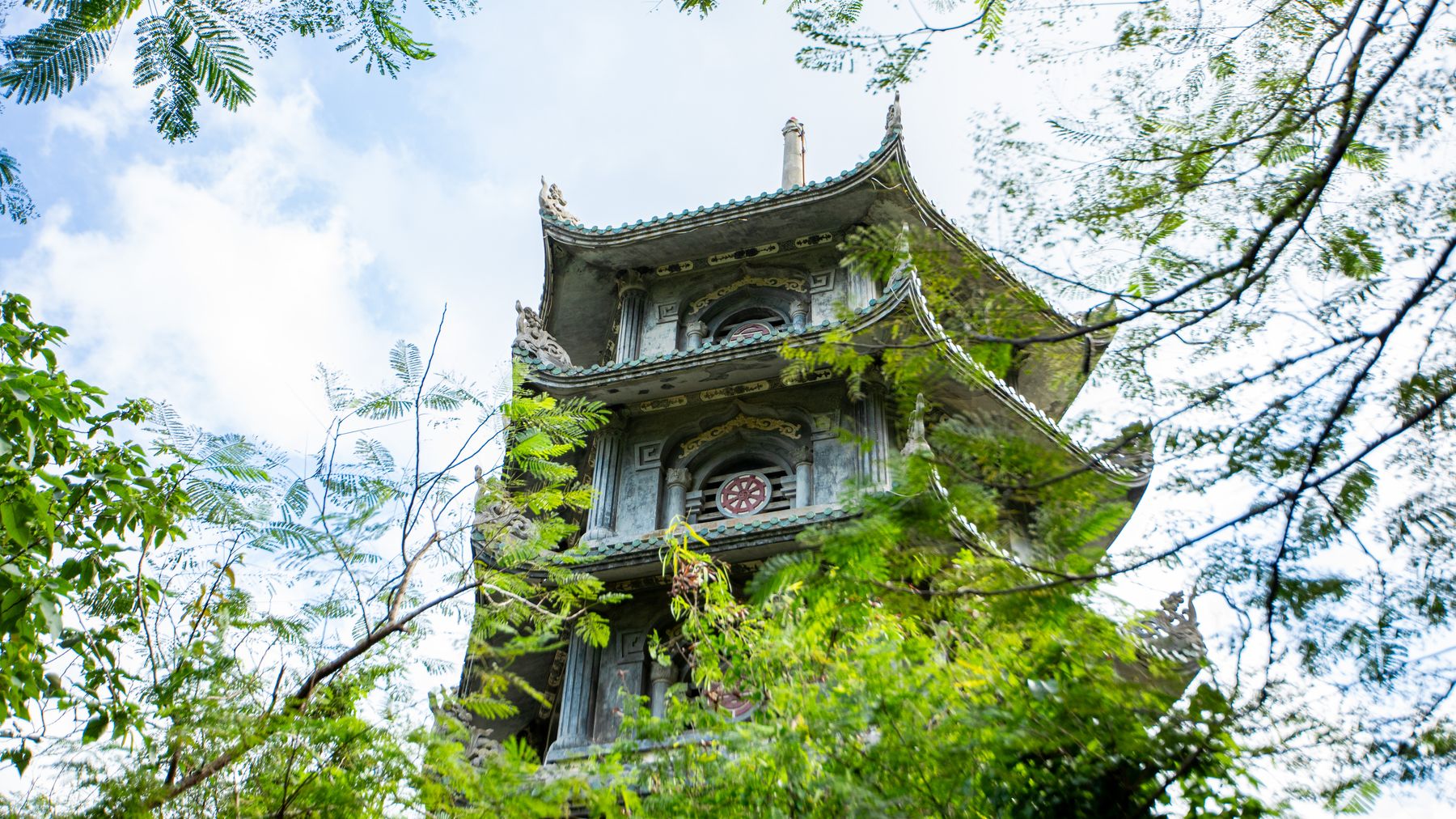
Photo by Sachith Ravishka Kodikara on Pexels
How to Decide
Choose My Khe if: You want a beach-resort experience, you're traveling with family, you value convenience and English-speaking staff, and you don't mind the tourist density or the cost.
Choose Han River if: You're working remotely, staying longer than a week, eating Vietnamese food cheaply, using Da Nang as a transit point, or you prefer urban energy and walkability.
Choose Marble Mountains if: You're hiking, want the quietest option, traveling on a budget, and you have a scooter or don't mind taxis. This is also the best base if you're exploring the Phuong Tung or Da Nang suburbs.
Frequently Asked Questions
Where should a first-time visitor stay in Da Nang on a budget?
Han River (downtown) offers the cheapest rooms in the city, starting at 150,000-300,000 VND (USD 6-12) for a basic fan room. My Khe Beach starts slightly higher at 200,000-400,000 VND (USD 8-16). Han River also gives walkable access to street food and local restaurants, making it practical for budget travelers, though the nearest beach (My Khe) is about 3 km northeast.
What is the main difference between My Khe Beach and Han River neighborhoods?
My Khe Beach is a 6 km resort strip built around direct South China Sea access, with beachfront hotels, English-speaking staff, and water-sports vendors — but limited walkability at night and crowds by 10 a.m. Han River is Da Nang's commercial center: walkable streets, street food stalls, local restaurants, and cafes popular with digital nomads. It has no beach of its own but costs significantly less.
When does the beach at My Khe get too crowded to enjoy?
My Khe Beach fills up by 10 a.m. on most days and becomes especially chaotic during holidays and weekends. Water quality also varies by season, with summer months offering cleaner conditions. Travelers who want a quieter beach experience can consider staying near the Marble Mountains, about 12 km south of downtown, where a less crowded beach is reachable in roughly 10 minutes by scooter.
Practical Notes
All three neighborhoods are safe. Taxis between them cost 40,000–80,000 VND (USD 1.60–3.20). Renting a scooter from your accommodation typically costs 150,000–200,000 VND per day (USD 6–8). Most guesthouses and hotels can arrange airport transfers for 100,000–200,000 VND (USD 4–8). Book accommodations during Tet (뗏 (베트남 설날) / 越南春节 / テト) (late January–early February) at least 2–3 weeks ahead; summer holidays (June–August) fill fast but less aggressively than the Lunar New Year period.
Last updated · May 29, 2026 · independently researched, never sponsored.