SafetyWing: Budget, Straightforward
SafetyWing is the simpler choice if you're staying put or doing low-risk activities. The appeal is price: around $42–48 USD per month (paid monthly) or $200–220 for a six-month block. No visa required to buy it, no exclusion lists, and you can enrol while already in Vietnam (베트남 / 越南 / ベトナム).
The coverage includes inpatient hospital care (up to roughly $250,000), outpatient visits, dental work (up to $300), and prescribed medications. Evacuation to a major hospital—critical if you're remote—is included. The catch: SafetyWing explicitly excludes "high-risk activities" like mountaineering or professional sports, but motorbike riding (which covers most tourist transport in Vietnam) is permitted on regular roads.
Claims are processed quickly, mostly online. Many Vietnam hospitals accept direct billing, or you pay upfront and submit receipts for reimbursement. The app is lean and functional, not flashy.
Best for: budget backpackers, digital nomads staying 1–12 months, anyone comfortable with basic coverage and no-frills claims.
World Nomads: Adventure-Focused
World Nomads targets travelers doing more active itineraries. Monthly premiums run $60–90 USD depending on age, coverage level, and region, making it roughly 50% more expensive than SafetyWing. But you get adventure-activity coverage built in: rock climbing, white-water kayaking, motorbike tours with an operator (not renting your own), trekking above 2,000m, and some high-risk watersports.
Hospital coverage is similar—inpatient and outpatient—but World Nomads often includes a baggage clause and trip-cancellation options if you buy the higher tier. Evacuation is standard.
One friction: you must enrol before starting your trip. If you're already in Vietnam and want to switch providers, you can buy World Nomads retroactively (usually within 14 days of arrival), but SafetyWing is more forgiving on timing.
Claims can be slower—24–48 hours for urgent approval, weeks for reimbursement. Direct billing at hospitals is possible but less seamless than SafetyWing's network.
Best for: adventure travelers, anyone doing multi-sport itineraries (rock climbing, off-road motorbike tours, whitewater), trips longer than 12 months (SafetyWing caps at 12 months per policy).
What Both Miss: Motorbike Rental Fine Print
Here's the invisible snag. Both SafetyWing and World Nomads cover "motorbike accidents" in their marketing, but read carefully. If you're in an accident while:
- Riding without a valid Vietnamese motorbike license (even on your home driver's license).
- Riding while intoxicated (blood alcohol over legal limits, which vary by province but are strict).
- Not wearing a helmet.
- Riding an unregistered or uninsured bike.
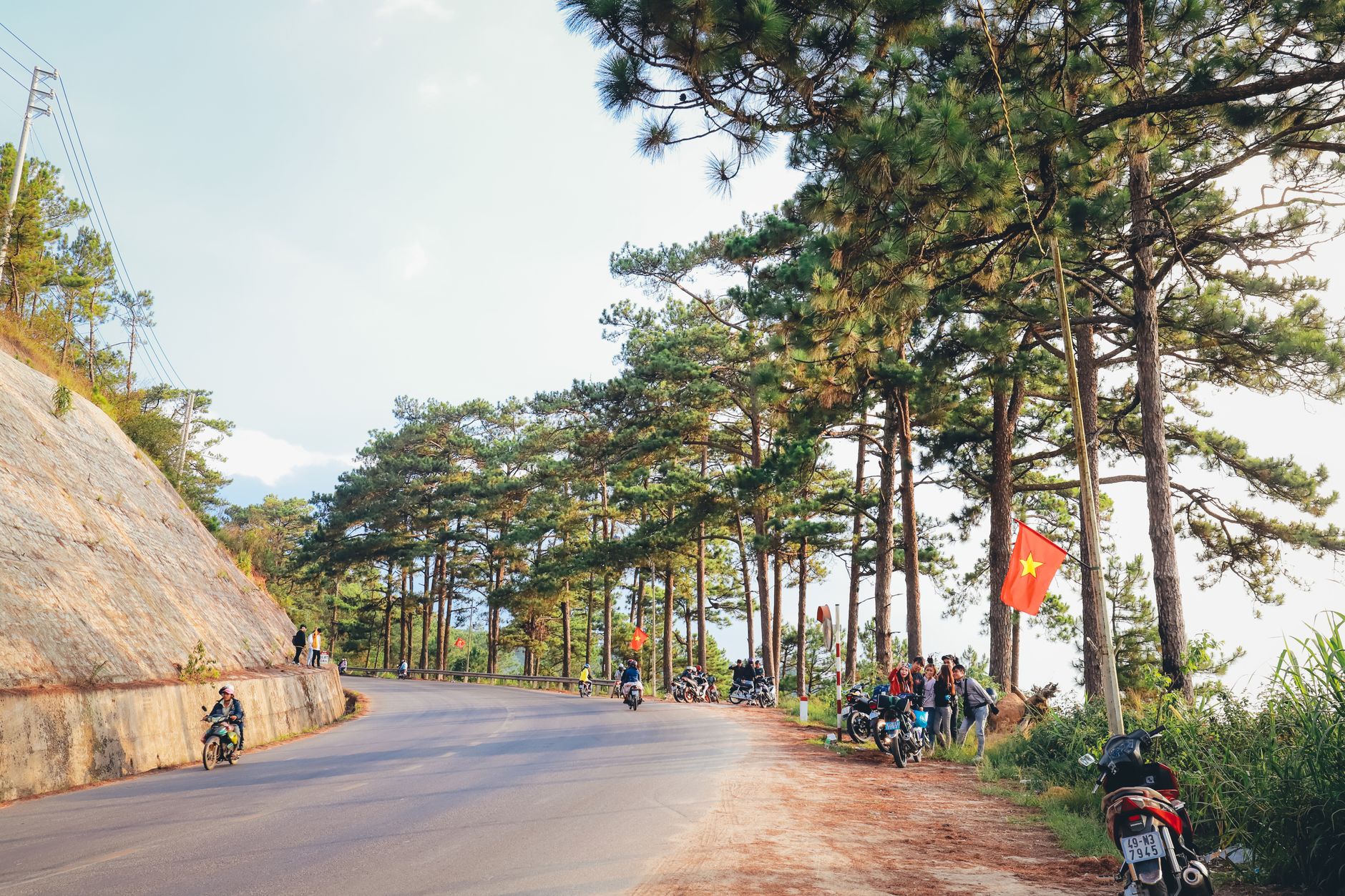
…both insurers can deny or reduce payouts. Vietnam's road-safety rules are strict; enforcement is spotty but claims investigators will check police reports. Get a valid International Driving Permit (IDP) before you arrive, buy the mandatory 3rd-party motorbike insurance locally ($5–10 per month via Bao Viet), and always wear a helmet. This combo protects you legally and with insurers.

Photo by Loifotos on Pexels
Bao Viet: Local Insurance for Residents
If you're renting an apartment or staying 6+ months, Bao Viet (Bao Viet Holdings) is Vietnam's largest insurer and offers travel, health, and motorbike policies. A resident plan can cost 1.5–3 million VND (~$60–120 USD) annually for decent inpatient/outpatient coverage. The advantage: Bao Viet hospitals (a network of private and public facilities) are the fastest to process claims.
The trade-off: enrollment is slow (usually 1–2 weeks) and requires a Vietnamese resident ID or work permit, or sometimes a notarized contract from your employer or landlord. Setup is bureaucratic, suitable for semi-residents, not tourists.
Bao Viet also issues the mandatory 3rd-party motorbike liability insurance required by Vietnamese law—renewal happens annually at local DMV offices (Dang Ky).
What's Covered (General)
- Inpatient hospitalization: both SafetyWing and World Nomads cover 80–100% after deductible.
- ER visits: included, though outpatient caps vary ($50–200 per visit).
- Prescribed meds: covered at major pharmacy chains (Vietnam has excellent pharmacies, cheap meds).
- Dental: capped at $300–500, mostly for emergency extraction or filling.
- Evacuation: both cover air or ground evacuation to Hanoi or Saigon if a provincial hospital can't handle your case.
- Maternity: neither covers pregnancy-related care unless explicitly added.
What's Not Covered
- Routine check-ups (annual physicals, non-emergency lab work).
- Pre-existing conditions (unless declared upfront).
- High-risk activities without riders (mountaineering, BASE jumping, professional sports).
- Cosmetic surgery (unless medically necessary post-trauma).
- Mental health / psych: often excluded unless you pay extra.
- COVID-19: varies (as of 2024, most have reinstated coverage, but check your policy).
- Motorbike theft or damage (theft coverage requires a separate motorbike policy).
Photo by Mikhail Nilov on Pexels
Hospital Reality in Vietnam
Private hospitals in Hanoi and Saigon (사이공 / 西贡 / サイゴン) (FV Hospital, Vinmec, International SOS) have English-speaking staff and accept direct billing from major insurers. Public hospitals (Bach Mai, Viet-Duc, Tu Du) are cheaper and competent but more crowded; billing is upfront and manual. Anywhere else (Da Lat, Hoi An, Sapa), expect basic care and manual payment upfront. Major insurers reimburse quick, but remote provincial clinics may not know how to process claims—keep receipts and photos of prescriptions.
Which One for You
Pick SafetyWing if: budget is tight, you're staying 1–12 months, you're doing normal tourism (motorbikes, beaches, temples), and you want dead-simple claims.
Pick World Nomads if: you're hiking, rock climbing, doing adventure tours, staying longer than 12 months (SafetyWing's max), or you want trip-cancellation coverage.
Layer with local motorbike insurance (Bao Viet, ~200k VND annually) regardless of your choice. It's legally required, cheap, and protects your insurer from denying a claim due to Vietnamese road-law technicalities.
Practical Notes
Neither policy is perfect; both are solid for their niche. Buy before you arrive (SafetyWing is flexible; World Nomads less so). Keep originals of receipts, prescriptions, and any police incident reports. If you have a chronic condition, declare it upfront to avoid denial later. And don't skip the helmet or the local bike insurance—they're not just good practice, they're claim-savers.
Last updated · May 27, 2026 · independently researched, never sponsored.