Clothing: humidity first, modesty second
Two weeks in Vietnam (베트남 / 越南 / ベトナム) means you'll sweat. Pack lightweight, breathable fabrics—cotton blends and linen dry faster than pure cotton. Merino wool also works in the dry seasons but feels heavy in summer monsoon.
Bring 6–7 t-shirts or lightweight blouses (you'll do laundry once or twice, and most guesthouses offer same-day washing for 20,000–40,000 VND). One or two long-sleeved shirts aren't optional if you're visiting temples or rural villages. Knees and shoulders should be covered in religious spaces. This applies year-round, especially at major sites like the Imperial Citadel in Hue or My Son in Quang Nam province. I've seen visitors turned away from temple entrances wearing short dresses and tank tops.
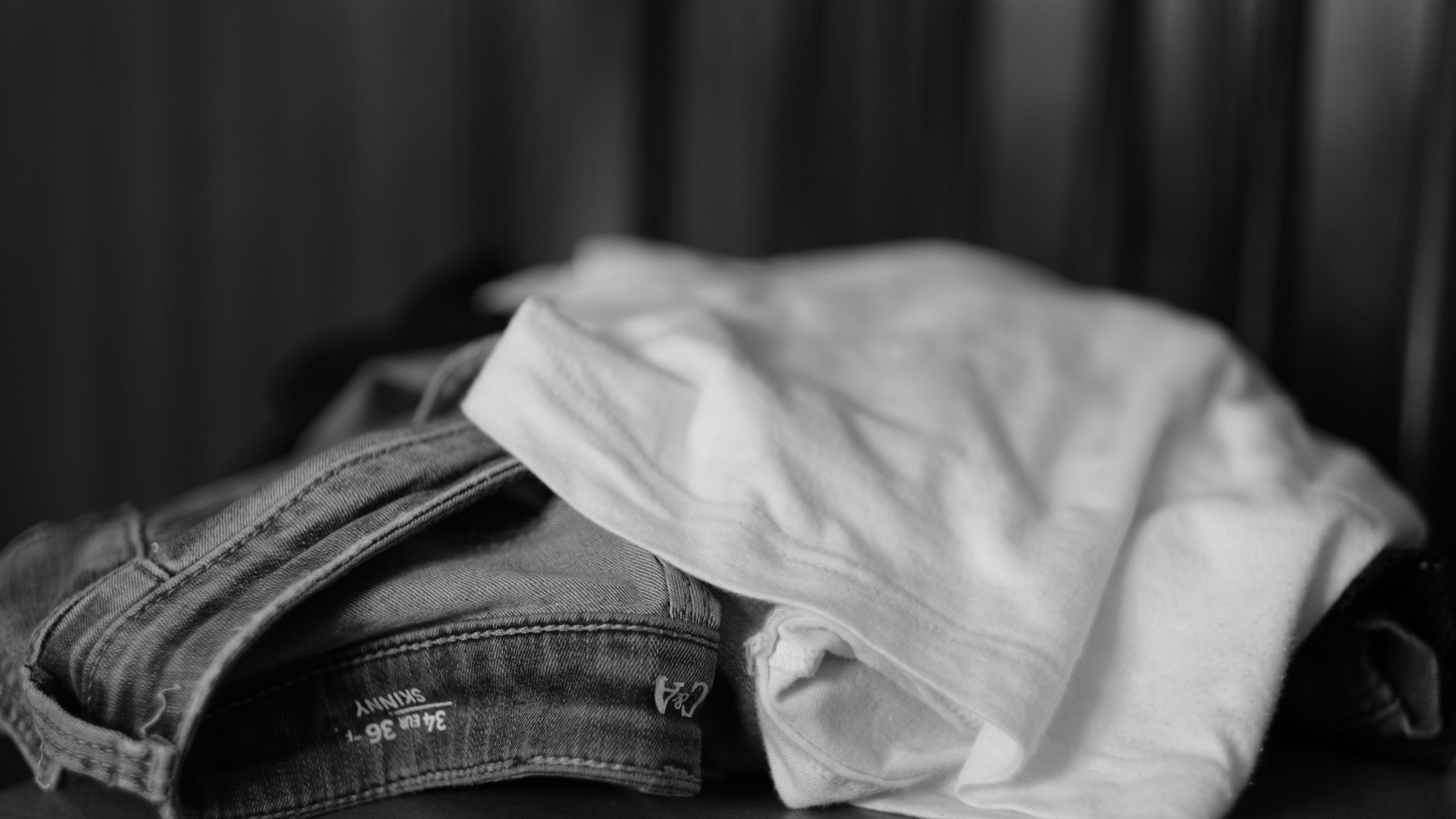
PackVietnam two pairs of lightweight trousers or capris, one pair of shorts for the beach, and one pair of jeans if you like the look (though they're heavy in heat). A thin scarf or sarong does triple duty: temple coverage, sun shield, and makeshift picnic blanket.
Rain jacket and umbrella
Months like May–September see sudden afternoon thunderstorms, especially in the central and southern regions. A compact waterproof jacket takes up minimal space and dries quickly. Skip the heavy raincoat; instead, grab a lightweight packable version (under 200g). An umbrella is fine too, but jackets free up your hands for balancing on a motorbike or eating street food.
Even in the "dry" months (November–April), the Central Highlands (중부 고원 / 中部高原 / 中部高原) and northern mountain regions get drizzle. Bring the rain gear regardless of your dates.
Footwear
Wear a pair of moisture-wicking sneakers or trail shoes you've already broken in—blisters on day 3 are miserable. Add lightweight sandals or slip-ons for temples (you'll remove shoes frequently). A pair of flip-flops rounds it out. Avoid heavy hiking boots unless you're trekking in Sapa or Ha Giang; they're overkill for cities and beach towns.
Insect repellent
DENT or picaridin concentrations above 20% are standard and available at pharmacy chains like Medtech. Buy a 100 ml bottle in Hanoi or Saigon and refill it cheaper than importing from home. Mosquitoes peak in the wet season and in areas near the Mekong Delta, but they're present year-round. Apply generously to exposed skin in the early morning and evening. If you're sensitive to sprays, picaridin-infused clothing or wristbands exist but are less reliable.
Mosquito-borne dengue is real. The bite prevention is worth the few minutes of application.
Swimwear and modesty at pools
For public swimming pools (common in larger cities), modest swimwear is expected. One-piece suits or swim trunks are standard; bikinis draw stares and may not be welcome at local pools. Beach towns like Phu Quoc and Mui Ne are more relaxed, but even there, covering up between water sessions is polite.
Pack one or two pairs of swimwear. Quick-dry fabrics save space.

Photo by Huy Nguyễn on Pexels
Undergarments and socks
Bring underwear for 10 days; laundry is cheap and fast. For socks, lightweight pairs are all you need—humidity means heavy wool is pointless. Many travelers skip socks entirely in warm months.
Sunscreen and hat
UV index is intense, especially April–August. SPF 50+ is standard; bring sunscreen from home if you have a preferred brand (sunscreen in Vietnam is expensive and often lighter formulations). A lightweight wide-brimmed hat or baseball cap protects your face during city walks and boat trips.
Electronics and adapters
Vietnam uses Type A and Type C plugs. Type A is older (two flat prongs, like North America); Type C is the newer European standard (two round prongs). Most modern hotels and guesthouses have both or universal outlets, but smaller places may only have Type A. Buy a dual Type A/C adapter before you leave, or grab one at any convenience store in any city for 80,000–150,000 VND.
Bring a power bank. Tourism hotspots have decent phone coverage and wifi, but countryside areas and long bus rides drain batteries fast. A 20,000 mAh power bank is practical and light.
Medications and toiletries
Basic painkillers, antihistamines, and anti-diarrhea tablets should come from home. Vietnamese pharmacies (on every block) will sell ibuprofen and antacids without a prescription, but you'll spend time explaining symptoms. Bring a week's worth of any prescription medications, plus copies of prescriptions in case you need refills.
Toothpaste, deodorant, and shampoo are cheap and available everywhere. Sunscreen is pricier; bring your own. Feminine hygiene products are available in supermarkets (Co.opmart, BigC) but selection is smaller than Western drugstores—pack extras if you have strong preferences.

Photo by Jonathan Cooper on Pexels
Modest evening wear
If you're eating at nicer restaurants (especially in Hanoi and Saigon), lightweight trousers and a blouse read as respectful. Beach flip-flops and ripped shorts don't fit the vibe. One "nicer" outfit (wrinkle-resistant, lightweight) covers upscale dinners and temple visits.
Optional but useful
A lightweight sarong or "ao ba ba" (the loose tunic worn by locals) is 100,000–200,000 VND and doubles as a temple cover-up and casual lounge wear. Compression socks help with leg swelling on long bus rides. A small ziplock bag collection is handy for wet clothes and keeps electronics dry in humidity.
What to skip
Leave behind: heavy winter layers, formal business wear, excessive makeup (humidity destroys it), and anything you can't replace for under $15 if lost. Vietnam's climate is unkind to perfume and cologne; they evaporate instantly and attract insects.
Frequently Asked Questions
What clothing should I pack for visiting temples in Vietnam?
Pack one or two long-sleeved shirts and lightweight trousers or capris that cover your knees. Religious sites including the Imperial Citadel in Hue and My Son in Quang Nam province require covered shoulders and knees year-round. A thin scarf or sarong is useful as a backup layer. Visitors wearing short dresses or tank tops have been turned away at temple entrances.
How much does laundry cost at guesthouses in Vietnam?
Most guesthouses offer same-day laundry service for 20,000 to 40,000 VND per load. This makes it practical to pack only 6 to 7 t-shirts or lightweight blouses for a two-week trip, planning to wash clothes once or twice along the way. Quick-dry fabrics like cotton blends and linen are worth choosing over pure cotton for faster turnaround.
When should I pack a rain jacket for a Vietnam trip?
Pack rain gear regardless of your travel dates. May through September brings sudden afternoon thunderstorms across central and southern Vietnam. Even during the dry months of November through April, the Central Highlands and northern mountain regions receive regular drizzle. A lightweight packable jacket under 200g is recommended over a heavy raincoat, as it dries quickly and keeps your hands free.
Bottom line
Pack light and assume you'll do laundry twice. Focus on humidity-proof, modest-friendly basics—cotton blends, loose-fitting layers, a rain jacket, and insect repellent. Electronics adapters and sun protection are non-negotiable. Respect temple dress codes (shoulders and knees covered) and public pool etiquette (one-piece or swim trunks), and you'll blend in comfortably across the country.
Last updated · May 29, 2026 · independently researched, never sponsored.