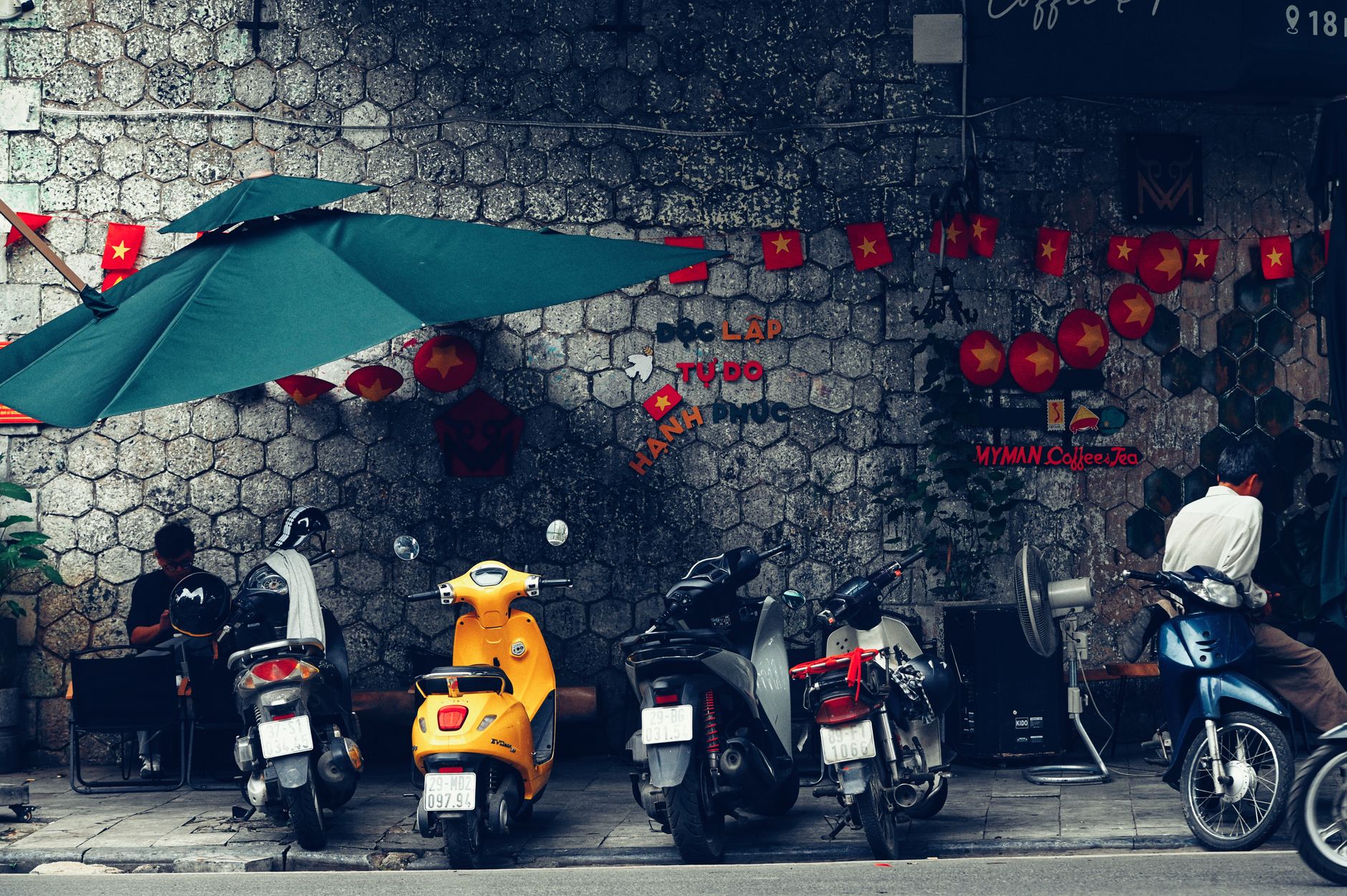
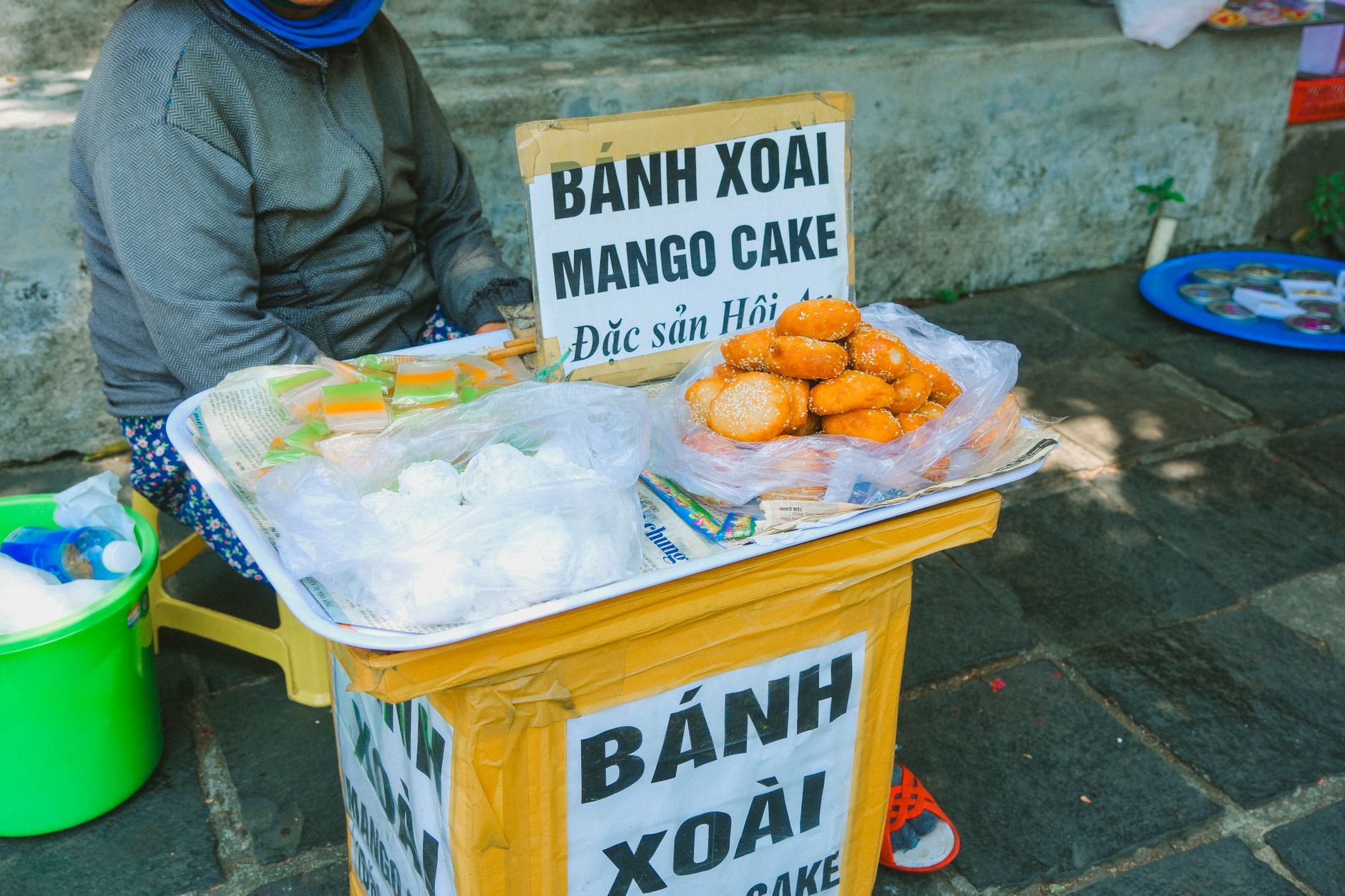
Hoi An isn't a checklist destination. The old town fits in an afternoon if you're just ticking boxes—lantern photos, a bowl of "cao lau", then on to Da Nang. But the town's real texture emerges when you slow down: cooking with a local chef, sitting through fittings at a tailor, pedaling quiet countryside roads at dusk. Three days gives you time to actually absorb the place, not just pass through it.
Day 1 — Arrival & Old Town Wander
If you're coming from Da Nang (다낭 / 岘港 / ダナン) airport (about 35 km north), a taxi or Grab runs roughly 300,000–400,000 VND. The drive takes 45 minutes to an hour depending on traffic. Check in by mid-afternoon—most hotels and homestays will hold a late room without fuss.
Spend the late afternoon walking the Old Town without a plan. The streets aren't complicated: Tran Phu hugs the riverfront, Nguyen Thai Hoc runs parallel one block back. Duck into side alleys. There's a genuine antique shop on Tran Phu (not a tourist trap—actual wooden furniture and ceramics). Browse the silk shops on Ngo Hoi; prices start around 150,000 VND per meter, and tailors can turn bolt fabric into a scarf or blouse in a few days.
For dinner, join the line at Banh Mi Phuong on Tran Phu (near the market end). A single banh mi costs 15,000–20,000 VND. The banh mi here isn't experimental—it's the template: crusty baguette, pâté, Vietnamese ham, pickled carrot and daikon, cilantro, chili, mayo. Eat standing at the counter or grab a plastic stool by the river. This is where the place tastes like itself, not like a postcard.
Walk back through the lantern-strung old town at dusk. Ignore the tourist crowds; focus on how light moves through the wooden shop-houses, how the street smells like grilling meat and charcoal. Retire early—you'll want energy tomorrow.
Day 2 — Cooking Class & Tailor Fitting
Book a cooking class the night before or arrange it through your hotel. Most run 9:00 AM–1:00 PM and cost around 400,000–600,000 VND per person. Popular options: Red Bridge Cooking School (on the island side, reachable by boat), Hoi An (호이안 / 会安 / ホイアン) Eco Lodge's class, or smaller neighborhood cooks who run classes from home.
Expect to shop first—the class usually includes a market walk. You'll touch fresh turmeric, smell fish sauce amphorae, haggle lightly over "goi cuon" rice paper. Then move to the cooking space (often someone's kitchen or a dedicated studio) and make 4–5 dishes: perhaps "banh xeo" (crispy turmeric crepes), spring rolls, a stir-fry, "bun cha" (charred pork with noodles), and a dessert like banana cake. The instructor teaches by demonstration and hand-on work. You'll eat what you make for lunch—the food tastes better because you built it.
After the class (usually done by 1:30 PM), head to your tailor appointment. Book this 24 hours ahead. Popular tailors: Thang Tailors (Tran Phu, near the river), Yaly Couture (Nguyen Thai Hoc), or Vinh Hung Silk Tailor (inside Vinh Hung hotel). A custom áo dài (traditional tunic dress) takes 2–3 days and costs 1,200,000–2,500,000 VND depending on silk quality. A shirt or trousers: 400,000–800,000 VND, ready in 24–48 hours.
The first visit is measurement and fabric selection. Bring reference photos if you have style ideas. Try on sample garments to understand how you like fit. The tailor will take time—good ones do. Expect 45 minutes to an hour. Agree on a pickup time (likely Day 3 afternoon).
Spend the evening on Hoi An's quieter side. Have dinner at a smaller restaurant—Mango Mango (on Nguyen Thai Hoc) does solid street food in a tiny room, or Phuong Thao on Tran Phu serves northern-style "bun rieu" (crab bisque with noodles). Both are local hangouts, not tourist-focused. Prices around 50,000–100,000 VND per dish.
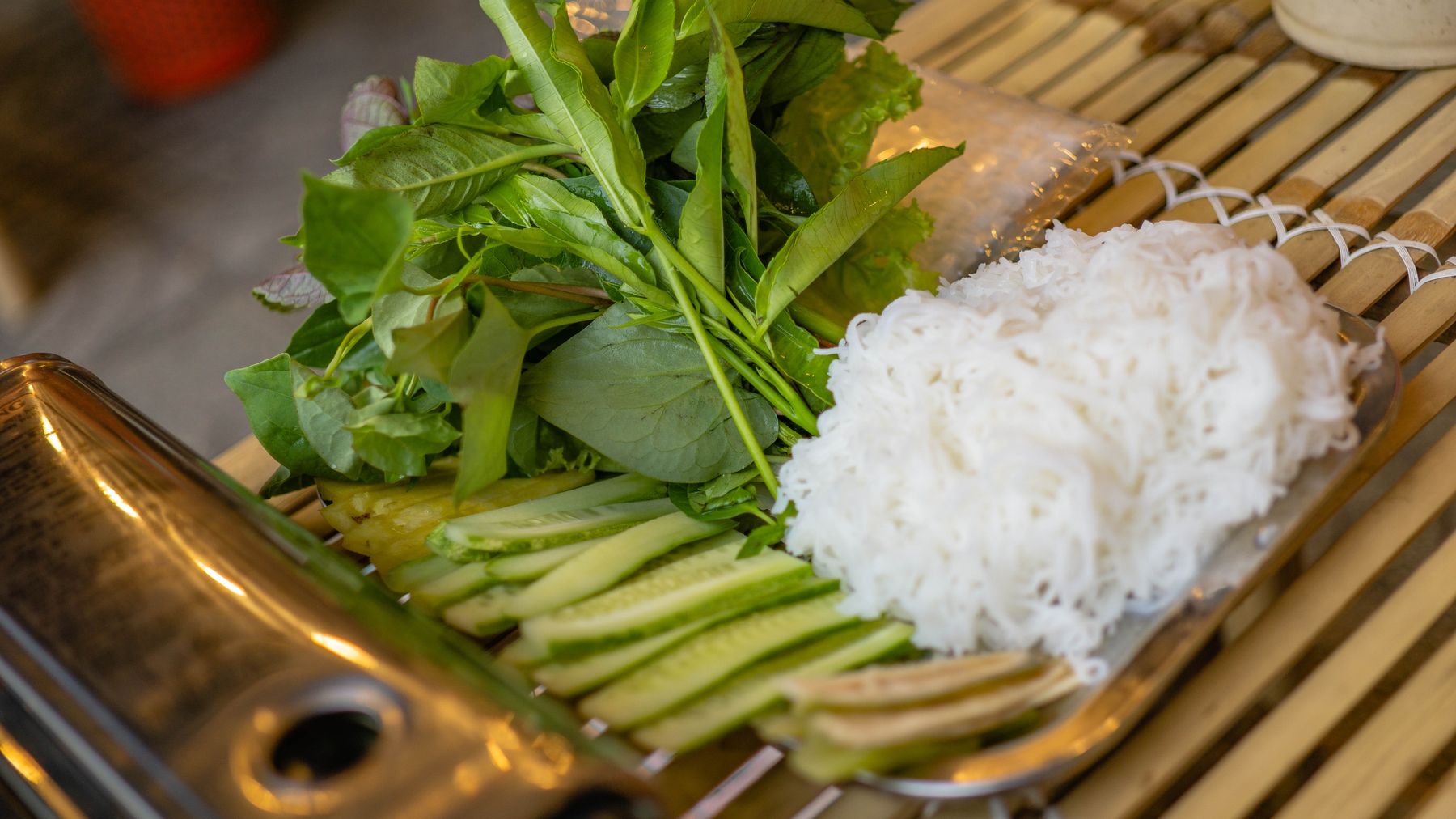
Photo by FOX ^.ᆽ.^= ∫ on Pexels
Day 3 — Bicycle Ride to Tra Que & Tailor Pickup
Rent a bicycle from your hotel or a rental shop on Tran Phu (roughly 30,000–50,000 VND per day). Grab breakfast early—a bowl of "banh canh" (thick tapioca noodles with pork or crab) at one of the unmarked spots near the market costs 25,000–35,000 VND. You want to leave town by 8:00 AM before the heat peaks.
Tra Que Herb Village is about 3 km northeast, a flat 15-minute ride. Follow Tran Phu east and turn right at the main roundabout; signs point to Tra Que. The village is famous for herbs and vegetables grown for Hoi An restaurants—mint, dill, basil, lettuce. Arrange a farm visit through your hotel (around 200,000 VND, includes picking herbs and a simple lunch). You'll walk the fields, see farmers hand-watering at dawn, and eat herbs you've picked moments before.
Alternatively, skip the formal tour and cycle slowly through Tra Que's lanes. Stop at a small garden and politely ask to look around—farmers are used to this, and you might buy a bundle of fresh mint or basil for 10,000–20,000 VND. Eat lunch at one of the farm-side cafés: grilled fish with herbs, rice, and iced water for 50,000–80,000 VND.
Return to town by 2:00 PM. Rest at your hotel for an hour—you'll be dusty from cycling. Then head to your tailor for the pickup and final fitting. Most tailors have done at least a first fitting by now. Try on the garment, request any tweaks (a seam taken in, a hem shortened). True rush tailors will finish on-the-spot adjustments if needed; others ask for a few more hours. Plan this conservatively.
For your final dinner, try a restaurant with river views—Hoi An Memories (Tran Phu, upstairs) or An Hoi (off the main drag, quieter). Order fresh spring rolls ("goi cuon"), a local fish curry, and perhaps a pot of "ca phe sua da" (Vietnamese iced coffee with condensed milk) for dessert. The meal should run 200,000–350,000 VND per person, depending on your order.
Walk the old town one last time after dark. The lanterns glow steadier now that you've sat still long enough to notice them.
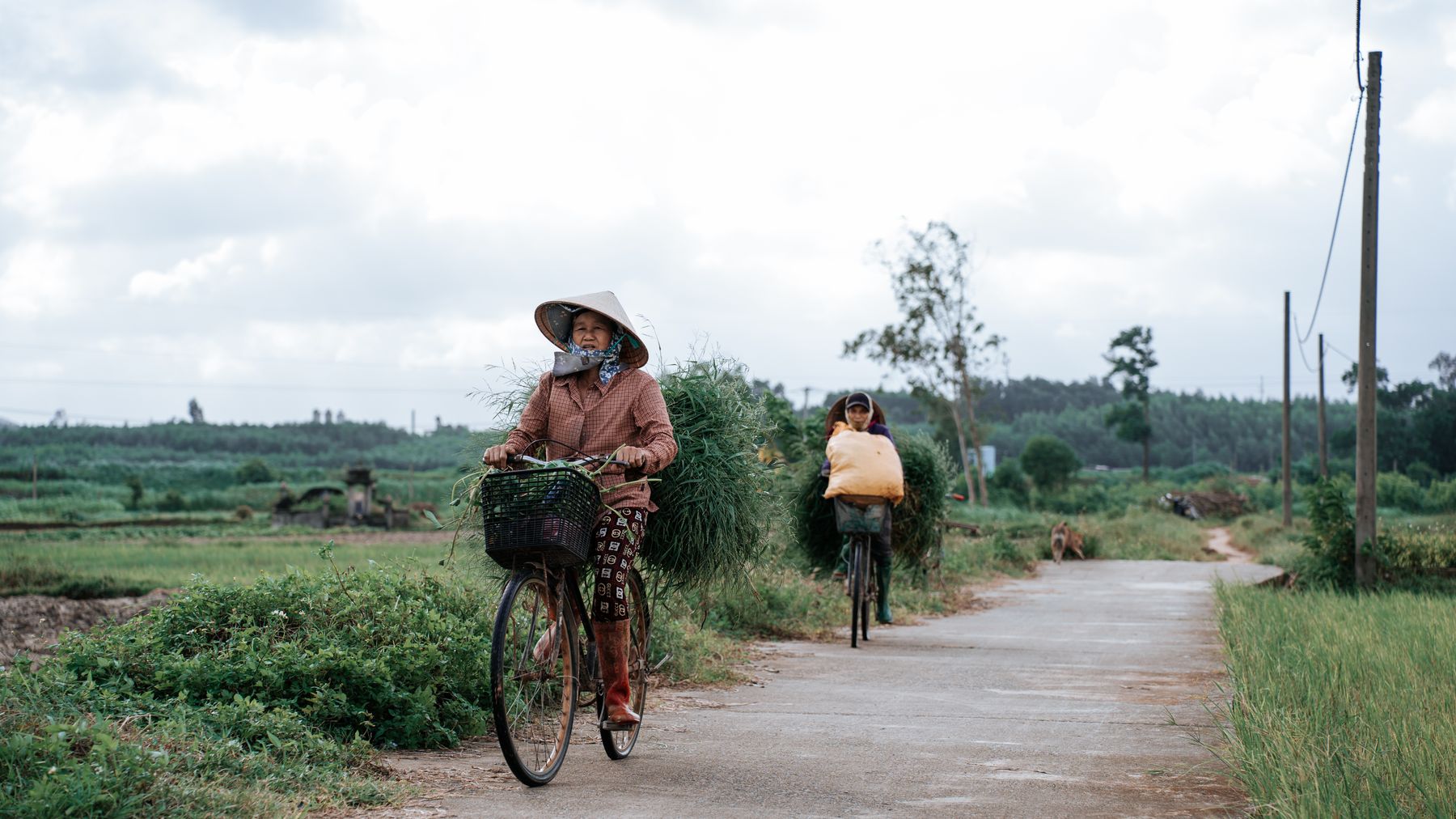
Photo by Xuân Thống Trần on Pexels
Frequently Asked Questions
How far is Da Nang airport from Hoi An and what does it cost?
Da Nang airport is about 35 km north of Hoi An. A taxi or Grab ride covers the distance in 45 minutes to an hour depending on traffic, and costs roughly 300,000-400,000 VND. That makes it a straightforward transfer from the airport directly to your hotel or homestay in the old town.
What dishes will you actually cook in a Hoi An cooking class?
Most classes run 9:00 AM to 1:00 PM and cost 400,000-600,000 VND per person. They typically include 4-5 dishes: banh xeo (crispy turmeric crepes), fresh spring rolls, a stir-fry, bun cha (charred pork with noodles), and a dessert such as banana cake. The class usually begins with a market walk where you handle fresh turmeric and rice paper before moving to a kitchen or dedicated studio.
When should you book a tailor appointment in Hoi An to get clothes on time?
Book at least 24 hours before your first fitting. A custom ao dai takes 2-3 days and costs 1,200,000-2,500,000 VND depending on silk quality; a shirt or trousers runs 400,000-800,000 VND and is ready in 24-48 hours. Plan your first fitting for Day 2 afternoon so pickup falls on Day 3. Bring reference photos and allow 45 minutes to an hour for measurements and fabric selection.
Practical Notes
Hoi An is compact and walkable, but three days is the minimum to avoid feeling rushed. Book tailor and cooking class ahead, especially during peak season (November–March). Bring cash (VND)—many small shops and tailors don't accept cards. The town gets crowded between 10:00 AM and 4:00 PM; eat early, bike early, and retreat to your hotel or a cafe during mid-day heat.
Last updated · May 29, 2026 · independently researched, never sponsored.