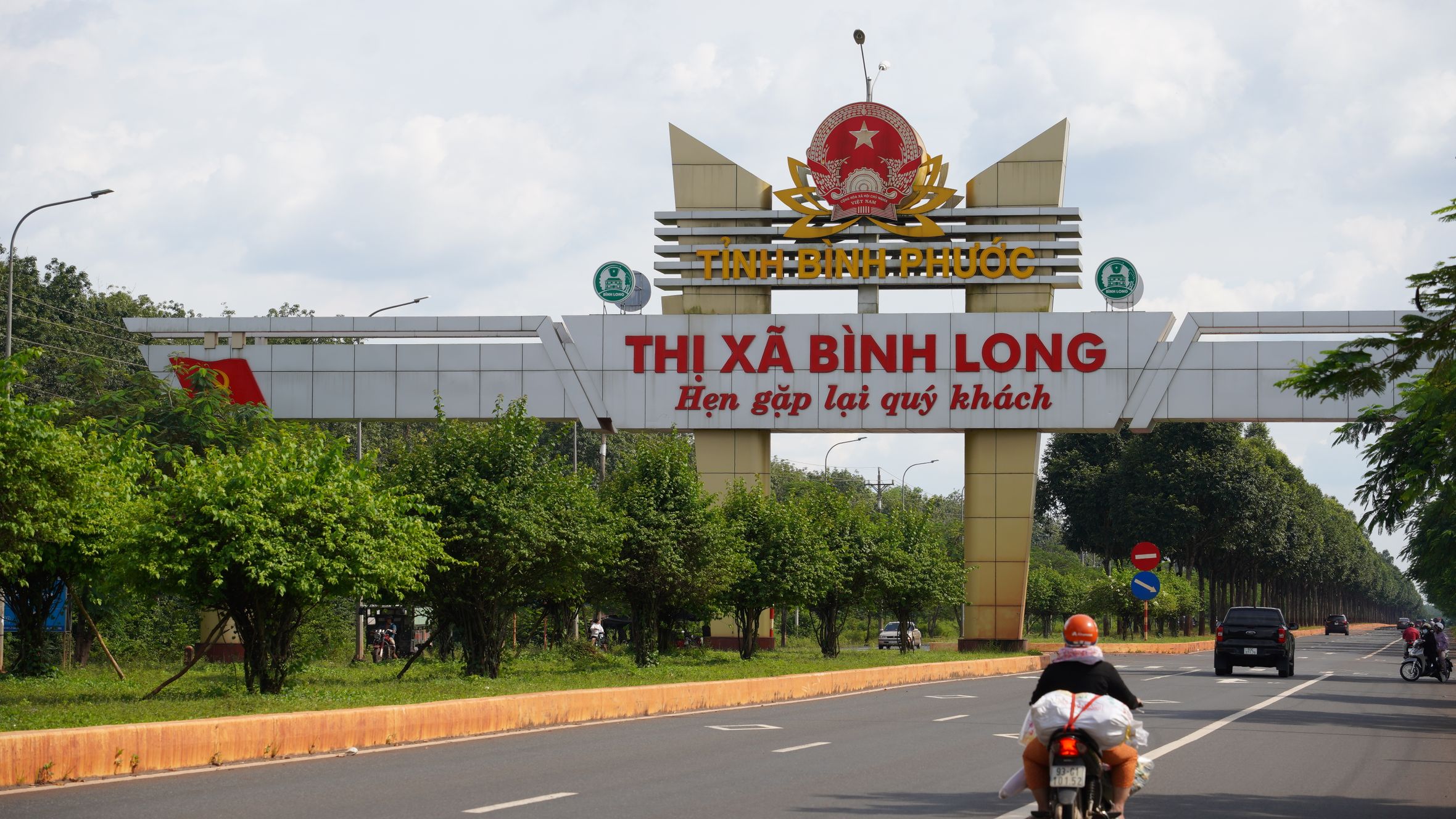
Why Stay in Long An at All?
Long An is not a tourist destination in the traditional sense. There are no beaches, no pagodas that draw crowds, no signature dishes that people travel three hours to eat. What it has is position: it sits directly between Ho Chi Minh City and the Mekong Delta (메콩 델타 / 湄公河三角洲 / メコンデルタ) proper, about 45 km west of Saigon and 50–60 km east of Can Tho.
Most visitors pass through without stopping. Some stay overnight when heading to or from the delta. A smaller group—researchers, business travelers, families visiting relatives—come specifically to Tan An, the provincial capital. If you fall into the second or third category, here's what's actually available.
Tan An: The Only Real Hub
Tan An is where virtually all accommodation clusters. It's the seat of provincial government, has the bus station, and sits on National Highway 1, the main north–south route.
Budget: Under 300,000 VND
Guesthouses and no-frills hotels line Tran Hung Dao Street and the area around the Tan An Bus Station (Ben Xe Tan An). Rooms are basic: fan or weak air conditioning, squat toilet or dated Western toilet, minimal English from staff. You'll find places like Thanh Huong Hotel or similar 1–2 star operations charging 150,000–250,000 VND per night.
Who stays here: construction workers, budget travelers passing through, locals visiting family. The walls are thin, the mattresses are firm, and breakfast (if offered) is instant noodles or a triangle of cheese on crackers. A fan works. The bed doesn't collapse. That's the deal.
Pro tip: ask the guesthouse to confirm if their "air conditioning" is a window unit or a wall split—it matters for sleep quality in the heat.
Mid-Range: 300,000–700,000 VND
This tier is where Tan An becomes livable for travelers who aren't grinding budget hostels. Hotels like Saigon (사이공 / 西贡 / サイゴン) Tan An Hotel, Tan An Hotel 2, or similar 3-star properties offer en-suite bathrooms, proper AC, a basic restaurant or breakfast service, and staff who speak some English.
Rooms usually have a double or two singles, a small desk, and a TV. Bathrooms have proper showers. Wi-Fi is included. A bottle of water is on the desk. Prices run 400,000–600,000 VND.
Who stays here: business travelers with a modest per diem, families stopping overnight, couples breaking up a delta road trip. The hotels tend to fill on weekdays (government and sales rep traffic) and empty on weekends.
Why it's worth it: AC that works, a toilet that doesn't require an instruction manual, and a front desk that can arrange a taxi or tell you where to eat.
Luxury: 700,000+ VND
Tan An has no luxury hotels in the international sense. The top tier is Tan An Plaza Hotel or similar 4-star properties charging 700,000–1,200,000 VND per night. These offer proper amenities: good restaurant, conference facilities, gym, sometimes a small pool.
Room standards are solid—quality bedding, modern bathroom, decent minibar. But the hotels cater to business conferences and government delegations, not leisure tourism. The lobby will be full of men in polo shirts at 7 a.m. The restaurant closes by 10 p.m.
Who stays here: corporate groups, provincial officials hosting meetings, travelers who want a safe, predictable hotel experience without having to drive 90 minutes back to Saigon.

Photo by Duy Nguyen on Pexels
Other Districts: Seriously Consider Skipping
Duc Hue, Chau Thanh, Ben Luc, Can Duoc, Moc Hoa, and Tan Phu districts do not have tourism infrastructure. There are no hotels, no restaurants catering to travelers, no reason to stay there unless you're visiting someone's home.
If you're exploring the Mekong Delta, these areas are better visited as day trips from Can Tho (to the southwest, 90 km away) or as a stopover on the road, not as overnight destinations.
The Real Question: Should You Stay Here?
Honestly, probably not. Here's the calculus:
Stay in Tan An if:
- You're catching an early morning bus and Tan An Bus Station is your departure point.
- You're doing business in the province.
- You're visiting family and they live there.
- You want to break a Saigon–Can Tho drive into two days.
Skip Tan An and stay elsewhere if:
- You're exploring the Mekong Delta for tourism. Base yourself in Can Tho instead (2 hours by car or bus, much better food, cleaner accommodation, actually geared for visitors).
- You're day-tripping from Saigon. Tan An is too close; you'll spend half the day commuting.
- You want character or a local vibe. Tan An is administrative and commercial; it's not set up for wandering or discovering anything.
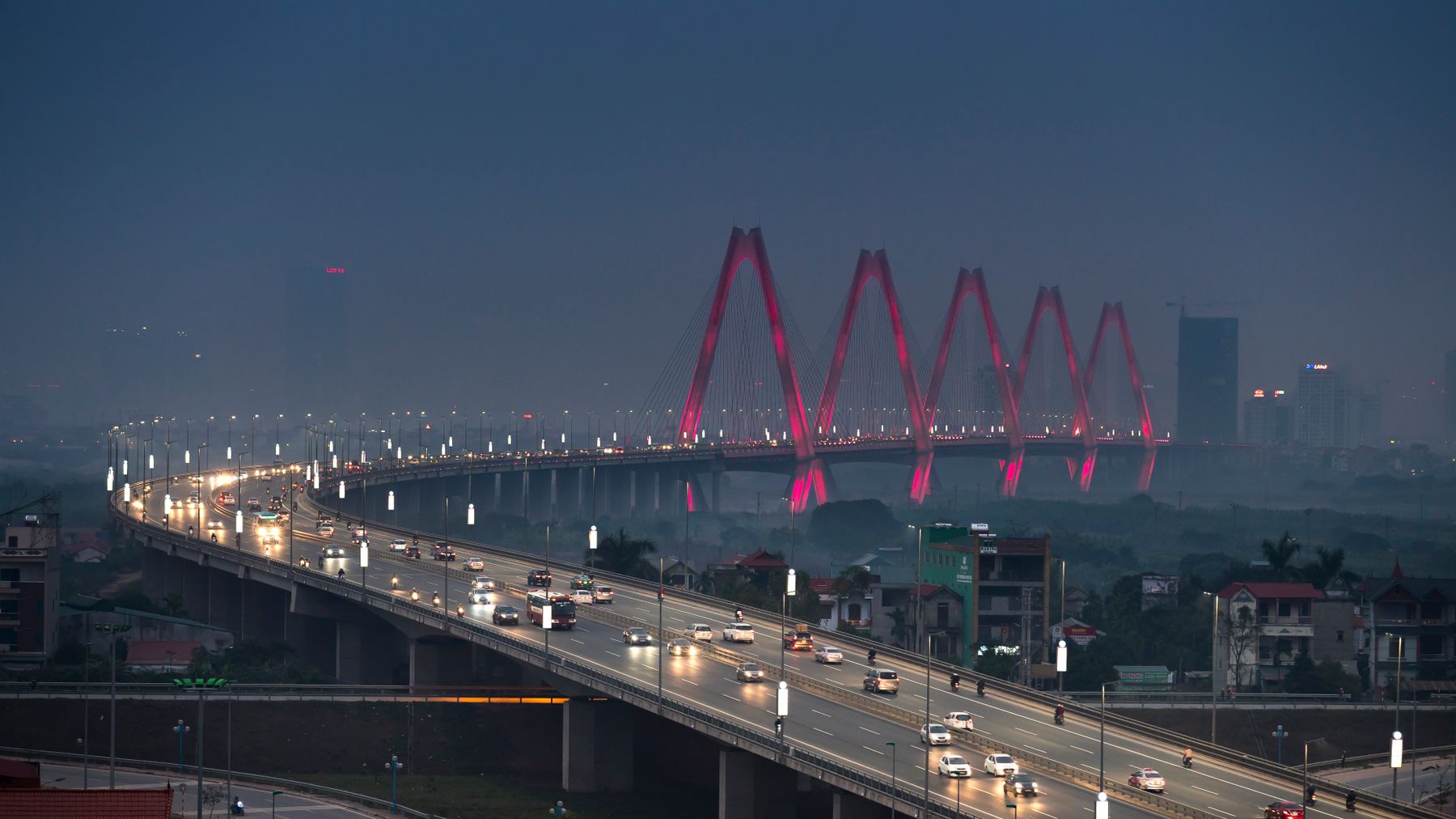
Photo by Quang Nguyen Vinh on Pexels
Getting Here and Moving On
Tan An is on Highway 1. If you're using intercity buses, the Tan An Bus Station (Ben Xe Tan An) has regular departures to Saigon (1–1.5 hours), Can Tho (2–2.5 hours), and other delta towns. Fares are 30,000–80,000 VND depending on the route.
If you're renting a car or motorcycle, navigation is straightforward: Highway 1 runs through town; side roads are marked.
Taxis within Tan An cost 20,000–60,000 VND depending on distance. Grab (the Southeast Asian ride-hailing app) works in town if you have a Vietnamese SIM or international roaming.
Practical Notes
Long An's climate is hot and humid year-round. The rainy season runs May–September; humidity is worst then. Book accommodation with working AC. Tap water is not drinkable; buy bottled water from 7-Eleven or the hotel. If you speak no Vietnamese, try to book hotels with English-speaking staff, or use a translation app for key questions (room type, Wi-Fi password, checkout time). The province has basic healthcare; for anything serious, head back to Saigon's hospitals.
Last updated · May 29, 2026 · independently researched, never sponsored.