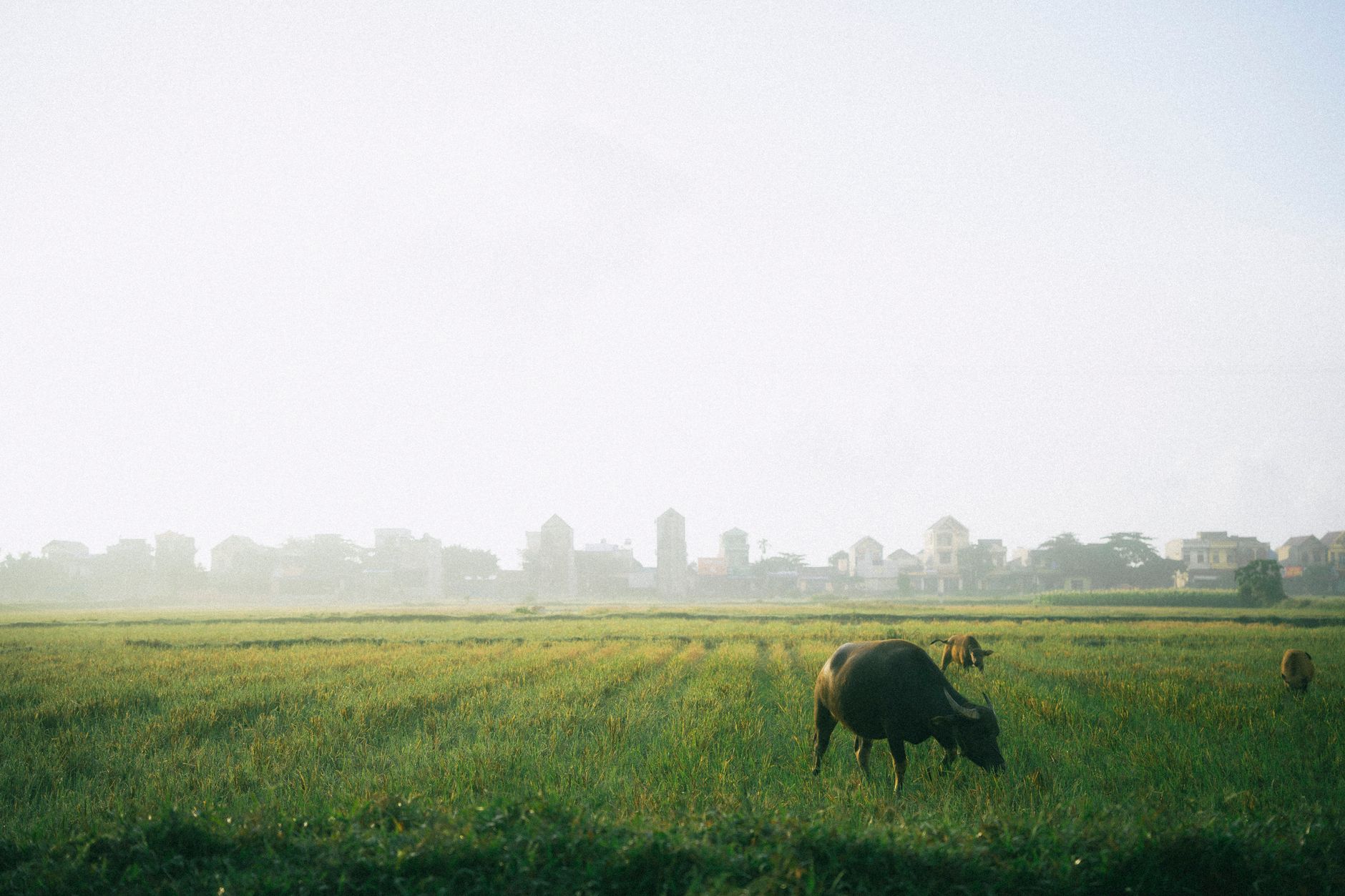
Long An is a Mekong Delta (메콩 델타 / 湄公河三角洲 / メコンデルタ) province that most travelers skip on their way to Saigon or Can Tho. That's partly because the weather is genuinely punishing for much of the year, and partly because there's no single "peak season" draw like a festival or beach. But if you time it right, you'll avoid crowds and see the rural Mekong on real terms: flooded rice paddies, fruit orchards, narrow canals, and family-run restaurants with no English menus.
Dry Season: November to April
This is unquestionably the best window. November to April brings cool, dry weather—or at least, weather that doesn't make you question your life choices by 10 a.m.
November to early December: Temperatures drop to 24–28°C. Humidity falls. Rain is rare. This is the ideal window—shoulder season before the tourist crunch of December. Hotels in Tan An (the provincial capital) are half-full; restaurants are empty. You can move through the province without rushing.
December to February: Peak dry season. Temperatures range 18–26°C. This is when Saigon (사이공 / 西贡 / サイゴン) tourists occasionally drift south to the Delta, so Tan An sees a small uptick in visitors. Weekend crowds at popular temple sites like Vu Dung Pagoda (Vung Liem district) pick up. If you're traveling mid-December to early January, book accommodation ahead. Prices rise 15–20%.
March to April: Still dry, but warming toward 28–32°C. By late April, the heat is building. Rain becomes more frequent. This is still acceptable travel time, but comfort-wise, you're on the edge. Most travelers are already thinking about moving north or toward the coast.
Southwest Monsoon: May to October
This is wet season, and it's serious. The Mekong swells, roads flood, and the sky opens.
May to early June: Transition month. Temperatures spike to 32–34°C before rains arrive in earnest. Humidity climbs above 80%. Morning trips are tolerable; afternoons are brutal. Rain is frequent but not yet constant. Tourist traffic dries up—Tan An feels sleepy. If you can tolerate heat and occasional downpours, this is when you get true solitude.
July to September: Peak monsoon. Expect 100–150 mm of rain per month. The province floods partially; main roads stay passable, but rural areas become waterlogged. Temperatures hover around 28–30°C (cooler than May–June, actually, because clouds block the sun), but humidity feels suffocating—often 85–90%. This is low season. Hotels drop prices 25–30%. Tourist numbers are minimal. Ferries run, but journeys are slower. If you love the Delta in its rawest form, come here.
October: A slow fade. Rains ease by late October, but the province is still waterlogged and muggy. Temperatures creep back up slightly. It's an awkward month—neither peak dry season nor full monsoon. Most travelers skip it. Expect empty beaches (if you visit river viewpoints) and very cheap rates.
Festivals and Local Events
Long An doesn't have a single major festival that draws visitors the way Tet does in Hanoi or Tran Quoc Pagoda does in the north. But there are local observances worth knowing:
Tet / 越南春节 / テト) (late January or early February): The lunar new year falls squarely in peak dry season. Many Vietnamese return to hometowns; hotels fill; prices spike. Restaurants close for 2–3 days. If you want authentic Tet atmosphere, come then. If you want empty streets and open restaurants, avoid it.
Hung Kings Festival (8th lunar month, roughly April–May): Long An has several temples dedicated to the Hung Kings (legendary ancient Vietnamese rulers). Local ceremonies happen at places like Dinh Vuon Cay (Moc Hoa district). Crowds are mostly local; few tourists attend. Roads and temples can be congested on the actual festival day, but it's not a "peak season" event by tourist standards.
Tet Doan Ngo (summer solstice, roughly June): A smaller festival observed in rural temples. Again, mostly local. You won't find tour groups.

Photo by CP Khanal on Pexels
Monthly Breakdown: What to Expect
January: Dry, cool (19–24°C), few tourists, Tet crowds mid-month if Tet falls in January. Book accommodation 1–2 weeks ahead if traveling around Tet dates. Ideal for exploring rural temples and orchards without heat stress.
February: If Tet is early February, expect crowds first week. Otherwise dry and pleasant. Temperatures 20–26°C. Tourist numbers moderate but manageable. Good hiking in Moc Hoa district.
March: Dry, warming (24–30°C). Crowds light. Humidity starts climbing. Orchards in bloom (dragon fruit, mango). Excellent for photography and rural cycling.
April: Transition—dry early month, then scattered rains late month. Heat rising (28–33°C). Tourist numbers fall. By late April, book flexible accommodation; weather can flip quickly.
May: Hot (31–34°C), humid (80%+), occasional storms. Very few tourists. Hotels offer discounts. Flooding begins in low-lying areas but doesn't prevent travel on main roads. See the Mekong swelling; it's a different place.
June: Monsoon picks up. Warm (29–31°C), humid, heavy rain mid-month onward. Cheapest rates of the year. Tourist infrastructure shuts down partially—some smaller guesthouses close. Only come if you're flexible and comfortable with logistics challenges.
July–August: Deepest monsoon. Wet, warm, flooded. Tourist infrastructure minimal. Expect to negotiate transportation; some rural temples are unreachable. Authenticity at maximum; comfort at minimum. Rainy-day hiking, village boat tours, and empty temples. Budget travelers love this window.
September: Tail end of monsoon. Rains ease slightly by late month. Still flooded in places. Still cheap. Weather is humid and warm (28–31°C). Good month to visit if you're early-bookings for October.
October: Transition month. Rain easing, humidity still high (75–80%). Flooding receding. Temperatures 26–31°C. Tourist numbers start ticking up slightly, but it's still low season. Few bookings needed. Good for solo travelers seeking quiet.
November: Dry season begins. Temperatures drop (22–28°C), humidity falls. Tourist numbers rise. This is when organized tours start including Long An in Mekong Delta itineraries. Book accommodation 1 week ahead in Tan An if traveling weekends.
December: Dry, cool, pleasant (19–26°C). Peak dry season tourist traffic. Christmas and New Year holidays mean increased bookings mid-December through early January. Hotels charge peak rates. Popular river tours and orchards are busier. Still not "crowded" by international standards—maybe 20–30% occupancy instead of 40–50% elsewhere.
Crowd Levels: Reality Check
Long An is not a major tourist destination. Even in peak season (December–February), you won't find the congestion of Saigon or Ha Long Bay. Tan An town, the provincial hub, sees maybe 100–200 foreign tourists on an average day in peak season. In monsoon months, that drops to 5–10.
Peak season crowds (Dec–Feb): Mainly Vietnamese tourists and tour groups from Saigon doing day trips. Popular sites like Dinh Vuon Cay or Tan Lap Eco-Farm have 30–40 visitors on weekends. Tour operators run 2–3 boat trips daily. Hotels in Tan An book up on Fridays and Saturdays. Prices increase 15–25%.
Shoulder season (Nov, Mar–Apr): Light foreign tourism. Mostly empty. You can rent a bike and explore rural villages without seeing another tourist for hours. Restaurants have staff waiting. Hotels have rooms available same-day. Prices are baseline.
Off-season (May–Oct): Next to no foreign tourists. You'll be the novelty in small towns. Hotels drop rates aggressively. Tour operators run trips only if booked in advance. Some guesthouses close. This is when traveling feels like actual exploration, not tourism.

Photo by maxed. RAW on Pexels
When to Go: The Short Version
Best overall: November to early December, or March to early April. Weather is cooperative; crowds are light; prices are fair.
Best for heat tolerance + budget: July to August. Wet, cheap, flooded, but real. Only for experienced travelers.
Best for avoiding tourists: May to September. Monsoon season doubles as low season. You'll have the province mostly to yourself.
Avoid: Peak December 24–January 2 unless you specifically want holiday crowds and top-dollar prices.
Frequently Asked Questions
How does the weather in Long An change between dry and wet season?
Long An's dry season runs November to April, with temperatures between 18-32 degrees C and rare rainfall. November to early December is the most comfortable window, with temperatures of 24-28 degrees C and low humidity. The wet season, May to October, brings 100-150 mm of rain per month at its peak (July-September), humidity of 85-90 percent, and partial flooding of rural roads and canals.
What are hotel prices like during Long An's low and peak seasons?
During peak dry season (December to February), accommodation prices in Tan An rise 15-20 percent and visitors should book ahead for mid-December to early January travel. During the July to September monsoon, hotels drop prices 25-30 percent and tourist numbers are minimal. The shoulder period of November to early December offers the best balance: comfortable weather with hotels half-full and no significant price premium.
When should first-time visitors avoid traveling to Long An?
Avoid mid-December to early January if you dislike crowds and higher prices, as Saigon tourists drift south and Tan An sees its busiest period. Tet (late January or early February) brings full hotels, prices spikes, and restaurants closing for 2-3 days. July to September is peak monsoon, with rural roads waterlogged and humidity reaching 85-90 percent, making it unsuitable for most first-time visitors.
Practical Notes
Long An is 60 km southwest of Saigon and easily accessed via Highway 1 or Dong Thap Road. Most travelers base themselves in Tan An or use the province as a day trip from Saigon. Accommodation options are simple—guesthouses and small hotels run 150,000–350,000 VND per night depending on season and quality. Tour operators offering Mekong Delta itineraries almost always include Long An; book in Saigon if you want a guided experience. If you're going solo, rent a motorbike from Tan An and explore rural backroads—the infrastructure supports it year-round, though flooding in monsoon requires careful route-planning.
Last updated · May 29, 2026 · independently researched, never sponsored.