Son La province isn't typically on backpacker hit-lists, which means the accommodation scene is straightforward—no need to wade through 200 near-identical hostels. The town sits on a hillside, and where you stay genuinely shapes your stay. It's the difference between hearing karaoke at 2 a.m. or waking to roosters and quiet.
Son La Town Layout
Son La's main commercial zone runs along Tran Phu Street and radiates uphill. The French colonial jail (now a museum), the market, and most restaurants cluster in the center. Heading uphill, residential neighborhoods spread toward the hospital. Everything is walkable, though hilly—count on 10 to 15 minutes to cross town on foot.
Budget: 200,000–500,000 VND per night
Budget stays in Son La are practical, not characterful. You're getting a clean bed, likely a fan or basic AC, and not much else. Don't expect a lounge or breakfast spread.
Best for: Motorbike tourers moving fast, field researchers on tight allowances, travelers who plan to be out all day.
Options cluster near the market and along Tran Phu Street. Family-run guesthouses dominate this tier. Rooms are spare—concrete walls, thin mattresses, shared or private bathroom (the difference matters for the price). Air-con is usually window-unit, not central, so it's loud. Wi-Fi is hit-or-miss, and "Wi-Fi" sometimes means a password nobody remembers.
A decent budget guesthouse will cost 250,000–350,000 VND for a double. Breakfast is either not included or a bowl of "pho" with a baguette. The owners speak minimal English, but usually speak enough to check you in and point to breakfast.
Pros: You're in the thick of town life. Laundry service is available. Checkout is flexible. Cons: Noise from karaoke bars nearby, cramped bathrooms, mattresses sag.
Mid-Range: 500,000–1,200,000 VND per night
Mid-range is where Son La's accommodation actually starts to breathe. You get decent staff English, some kind of common space, often a small restaurant or breakfast area, and a quieter location.
Best for: Travelers spending 2–3 nights, who want a base that doesn't require babysitting, couples who value privacy and a hot shower.
These hotels dot the upper edge of town or quieter side streets. Son La Tourist Hotel and similar properties offer TV, en-suite bathroom with decent water pressure, possibly a balcony, and usually a ground-floor cafe. Staff will book onward transport, arrange motorbike rental, answer questions about Trekking in Ha Giang or nearby hiking loops.
Expect 650,000–950,000 VND for a clean double with AC, private bathroom, and breakf included. Rooms are pleasantly plain—tiled floors, simple furniture, some personality in the lobby. Wi-Fi works. You can leave your bag safely.
Pros: Professional service, quiet enough to sleep, good breakfast setups. Cons: Design is functional, not inspiring. Evening activity is limited to the hotel's small bar (if any). You'll walk to restaurants.

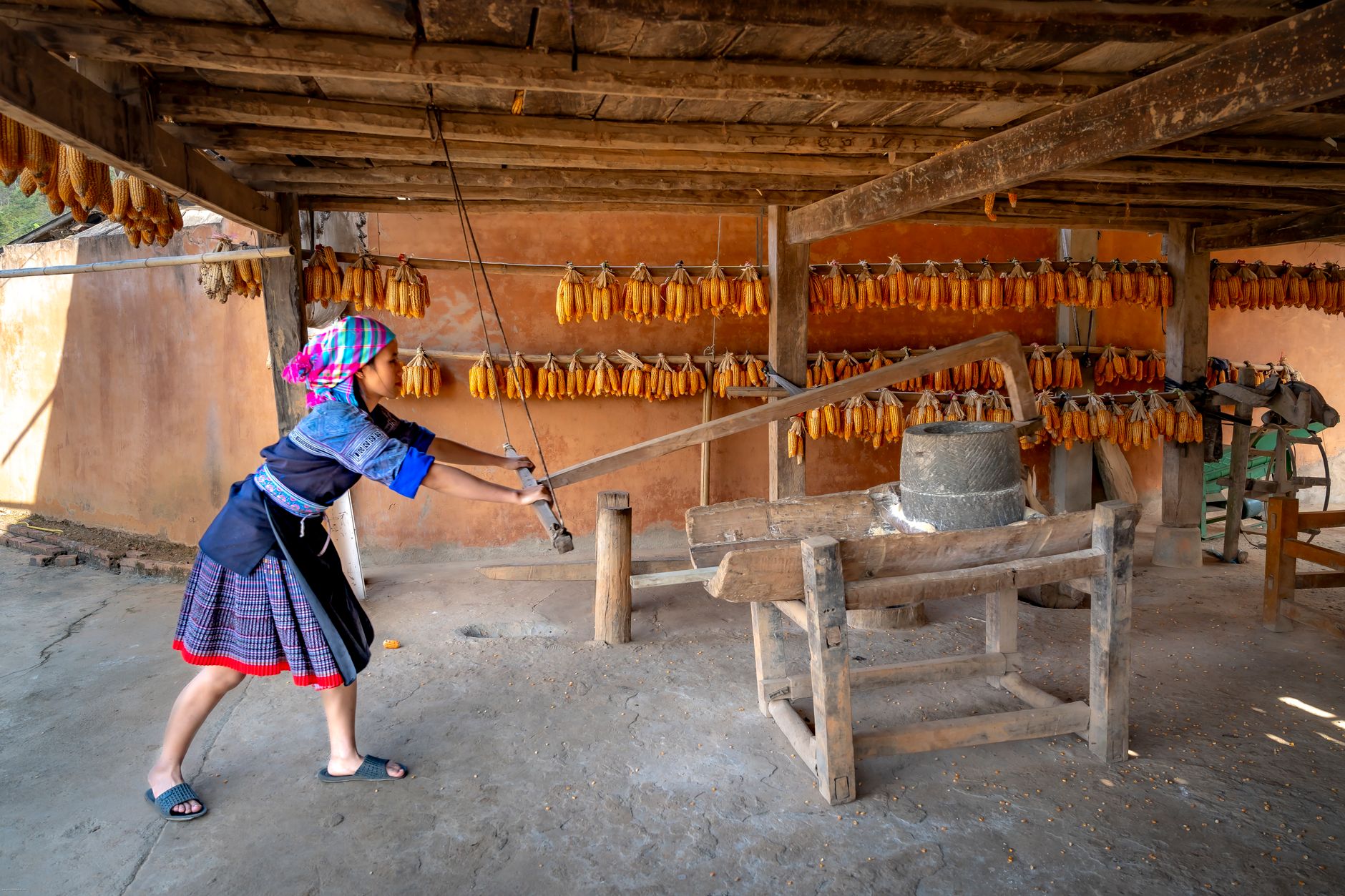
Photo by Stephen Leonardi on Pexels
Luxury/Upscale: 1,200,000+ VND per night
Son La has only a handful of upscale options, and they're not luxury in the Hanoi Hilton sense—they're just really nice for a northwest provincial town.
Best for: Travelers treating Son La as a genuine destination (not a transit night), food and nature enthusiasts, groups who want private space and local guidance.
Son La Nho Quan is the clear standout: a boutique hotel focusing on local culture, with stylish rooms, a respectable restaurant, and owners who actually know the area. You'll pay 1,200,000–1,800,000 VND for a double, but you're getting thoughtful design, reliable hot water, good coffee, and staff who can recommend real things (not generic tourist script). Some upscale options offer valley views or sit on quieter hillsides.
A step up: miniature resorts or homestays in surrounding villages (Pha Din pass area, Tea plantations zones) offer 1,000,000–2,000,000 VND for bungalows or farm-stays with personality. These trade town convenience for views and quiet.
Pros: Helpful staff, good breakfasts, often include cultural or outdoor activities. Cons: Limited nightlife within the hotel. You may overpay if you're just passing through.
Where to Stay by Travel Style
Solo motorbike traveler: Budget guesthouse on Tran Phu Street. You'll meet other riders, find mechanic recommendations, and move on quickly. No need to pay for quiet or services you won't use.
Couple or small group: Mid-range hotel on a side street. You get privacy, hot water, and a proper breakfast without paying for upscale decor you don't care about.
Food, hiking, or cultural tourism: Upscale hotel or homestay with local connections. The staff difference is real—they'll know where to eat "bun bo Hue" (don't expect it, but they'll know where Hue's specialty comes up locally), which hill hikes are walkable, when the Sunday market has textiles.
Family or extended group: Rent a villa or guesthouse flat. Son La isn't set up for family hotels; a rented space with a kitchen and separate rooms is often cheaper than two hotel rooms and more livable.
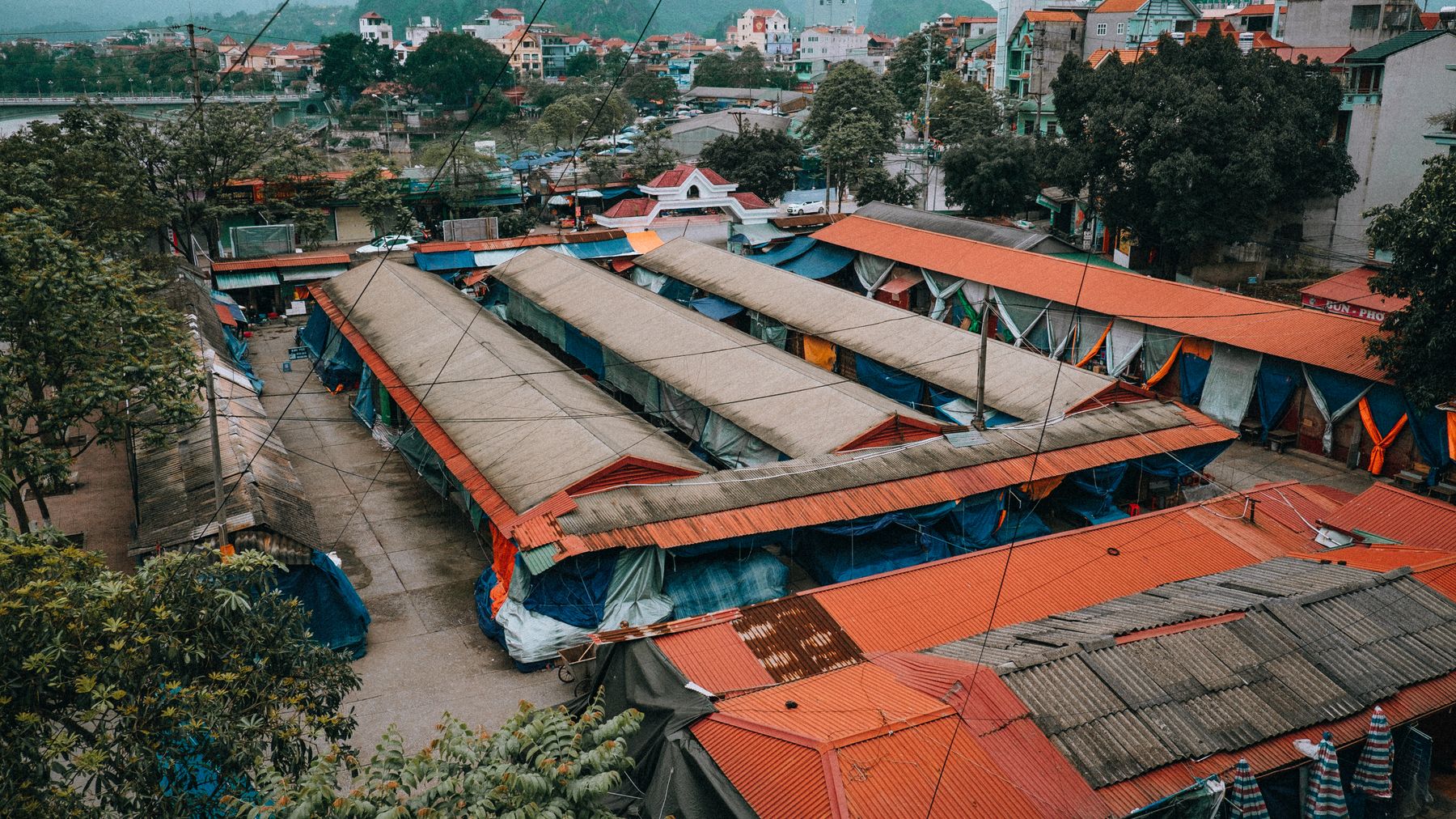
Photo by Chuot Anhls on Pexels
Noise and Neighborhood Tips
Karaoke bars cluster near the old town center and evening market area. If you want genuine quiet, stay uphill or on the western edge of town—a 10-minute walk removes you from the buzz. Many mid-range hotels understand this and position their quietest rooms away from Tran Phu Street.
Street noise includes motorbikes (dawn and dusk are loud), market vendors (morning), and construction (random). Double-glazed windows are rare; ask about room location when you book.
The market area is lively in the morning (good for authenticity, bad for sleeping past 6 a.m.). Residential neighborhoods are quiet but less convenient.
Booking and Rates
Direct booking or local travel agents (ask at your previous hotel) often beat international sites for mid-range and budget options. Many guesthouses don't use Booking.com or Agoda. A quick walk up Tran Phu Street and a few questions—"Co phong trống?" (any rooms free?)—can land you a 10–15% discount and a sense of the place.
High season (September to November) brings 10–20% premiums. Low season (May to August) sees 20–30% discounts. Weekends can tighten supply.
Frequently Asked Questions
Where are most hotels located in Son La town?
Son La's hotels spread across two zones. Budget guesthouses cluster near the market and along Tran Phu Street in the commercial center, putting you close to restaurants and the French colonial jail museum. Mid-range hotels sit on quieter side streets or the upper edge of town. The entire town is walkable, but expect a hilly 10 to 15 minutes to cross from one end to the other.
What is the price difference between budget and mid-range stays in Son La?
Budget guesthouses run 250,000 to 350,000 VND per night for a double room with basic AC and a private or shared bathroom. Mid-range hotels cost 650,000 to 950,000 VND and include a private en-suite bathroom, reliable Wi-Fi, breakfast, and staff who can arrange onward transport or motorbike rental. The price gap is roughly double, but mid-range adds meaningful comfort and quieter surroundings.
When does noise become a problem for light sleepers in Son La?
Karaoke bars near the budget guesthouse zone can run until 2 a.m., making central Tran Phu Street-area stays noisy for light sleepers. Mid-range hotels on quieter side streets or the upper edge of town largely avoid this. Upscale options like Son La Nho Quan offer the most separation from street-level noise, making them the better choice for travelers prioritizing uninterrupted sleep.
Practical Notes
Son La is not a nightlife or resort destination. Accommodation here serves a purpose: a base for motorbike touring, hiking, or transit to Ha Giang and northwest passes. Choose your tier based on how long you're staying and whether you want hotel staff help with onward plans. A decent mid-range hotel is the sweet spot for most visitors—you get comfort, local knowledge, and spend enough to justify the price.
Last updated · Jul 26, 2026 · independently researched, never sponsored.